Albino Cats and White Cats
May
Albino Cats and White Cats Through My Clinic Lens

I work as a veterinary technician running a small cat care clinic and mobile checkups around Faisalabad. Over the years, I’ve seen many pet owners confuse albino cats with white cats, often assuming they are the same thing. That confusion often leads to misperceptions about health, behavior, and care needs. I learned to separate the two early in my practice after handling dozens of cases side by side.

What I Notice in Their Appearance

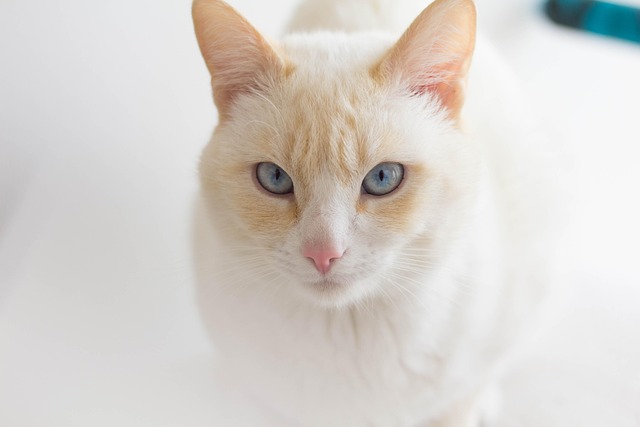
When I first examine a cat, coat color is usually the first clue owners mention, but I rarely rely on it alone. White cats can have strong pigmentation in their skin and eyes, while albino cats show almost no melanin at all, which changes everything from eye color to skin sensitivity. I still remember a customer last spring who insisted her pale kitten was albino, but the eye pigment told a different story immediately. The eyes often become the clearest indicator in real clinical checks.

Albino cats usually have light blue, pinkish, or even red-tinged eyes because light reflects differently in the absence of pigment. White cats, on the other hand, often have green, blue, or mixed eye colors depending on their genetics. I sometimes tell new pet owners a simple line that sticks with them: no pigment, no camouflage. That line helps them understand why albino cats respond differently to sunlight.

White cats can come from many breeds and mixed backgrounds, so their coat is just a surface trait rather than a full genetic condition. Albino cats are different because albinism affects the entire pigment system in their body, not just fur color. I once examined two kittens from the same litter, one white and one albino, and the contrast was far more obvious under clinic lighting. The difference becomes even clearer with experience.

Genetics and What It Means in Care

Genetics plays a bigger role here than most owners expect, and I’ve had to explain this more times than I can count during home visits. White cats usually carry genes that suppress coat color but still allow normal pigmentation in skin and eyes, while albino cats have a mutation that blocks melanin production entirely. During one routine check, I used a simple comparison tool from albino cat vs white cat to show a client how pigmentation pathways differ in real examples. That visual explanation helped her understand why her two cats needed different levels of sun protection. I find that most confusion clears up once genetics is explained simply.

Albino cats tend to need more controlled environments because their lack of pigment makes them more sensitive to bright light and sun exposure. White cats do not usually face the same level of risk unless they have other health conditions. I once worked on a rescue case where an albino kitten developed mild eye irritation from simply sitting near a sunlit window for long hours. Small environmental changes made a noticeable difference within days.

One thing I always emphasize is that albinism is not a breed trait; it is a genetic condition that can appear in different cat populations. White coat color, however, is more common and appears across many breeds, such as the Turkish Angora and domestic shorthairs. A few years ago, I handled about a dozen shelter cats in a single month, and only one of them showed true albino traits. That ratio alone showed me how rare true albinism actually is in local rescues.
Albino Cats and White Cats

Behavior, Sensitivity, and Common Misconceptions

People often assume albino cats behave differently because of their appearance, but my experience does not support that idea. Behavior is mostly shaped by environment, handling, and early socialization rather than pigment differences. I’ve handled calm albino cats and highly energetic white cats in the same week, sometimes even in the same household. The personality gap is usually imagined rather than real.

What differs slightly is sensory sensitivity in some albino cats, especially regarding light and, sometimes, vision clarity. White cats can also have hearing issues, particularly those with blue eyes, but that is a separate genetic link not tied to albinism itself. I once visited a home where a white cat responded perfectly to sound cues while its albino companion relied more on movement recognition indoors. The contrast helped the owner adjust their interactions with each pet.

Care routines also change slightly depending on sensitivity levels, and I often advise owners to reduce harsh lighting in areas where albino cats spend most of their time. I usually suggest soft indoor lighting, shaded resting spots, and limited direct sun exposure during peak hours. One summer season, I tracked the recovery progress of several light-sensitive cats and noticed consistent improvement when environmental brightness was reduced. Simple adjustments often matter more than medical intervention.

Choosing Between Them in Real Life

Adoption decisions usually come down to lifestyle rather than color differences, even though many people initially focus on appearance. I’ve seen families choose a white kitten thinking it will behave a certain way, only to realize personality is shaped by early interaction, not coat color. Albino cats require slightly more attention to environmental factors, but they are not as fragile as many assume. I often remind people that daily care matters more than genetic labels.

In my clinic, I’ve cared for both indoor-only white cats and albino cats living comfortably in controlled environments with proper lighting and diet routines. The key is consistency rather than special treatment. I once advised a new pet owner who had just adopted a pale kitten that small changes, like shaded resting areas and regular vet checks, would be enough to keep things stable. That approach worked better than any strict restrictions.

Albino cats can live long, healthy lives with proper attention, and white cats generally do not require any special conditions beyond standard care. The biggest misunderstanding I still encounter is people thinking albinism equals illness, which is not accurate. I’ve seen albino cats grow into calm, well-adjusted adults with the same lifespan range as other domestic cats. It usually comes down to how well the owner understands their specific needs.

After years of handling both types in real clinical settings, I’ve learned that labels matter less than observation. Each cat tells its own story once you spend enough time with it. I still find new owners surprised when I explain that two visually similar cats can have completely different biological backgrounds. That realization usually changes how they care for them moving forward.

Stop Dogs From Fighting
May
How I Stop Dogs From Fighting Each Other in Multi-Dog Homes

I run a small in-home dog boarding setup outside a farming town, and I spend most of my week managing dogs that have never met before. Some are calm from the moment they walk through the gate, while others arrive tense, possessive, or overstimulated after a long car ride. I have broken up enough ugly scuffles to know that dogfights rarely start out of nowhere. Most of the time, the warning signs appear long before the teeth touch the skin.

Most Dog Fights Start Before the Actual Fight

People often tell me their dogs “suddenly snapped,” but that is usually not what happened. I watch body language for a living, and dogs almost always show discomfort first. A stiff tail, slow stalking, blocking doorways, hovering over toys, or staring too long across a room can build tension fast. The trouble is that many owners miss those moments because they are waiting for growling or barking.

I learned this the hard way after taking in two large shepherd mixes during a rainy week last winter. They ignored each other for nearly a full day, so the owners assumed everything was fine. Then one dog stood over a water bowl for several seconds too long, the other froze in place, and the room exploded before anyone could react. It lasted maybe ten seconds, but the furniture flipped over, and one dog needed stitches near the ear.

Space matters more than people realize. I never force dogs to share tight hallways, feeding areas, or sleeping spots during the first few days together. Even friendly dogs can become territorial when they feel crowded or trapped. Small rooms create pressure fast.

Exercise changes behavior, too. A dog that has been stuck indoors for eight hours has a shorter fuse than one that has already burned off energy earlier in the day. I usually do a structured walk before introducing unfamiliar dogs because loose energy can turn minor tension into a real confrontation. A tired dog still needs supervision, though. Exhaustion alone does not fix poor social skills.

Managing the Environment Before Problems Start

Most of my prevention work happens before dogs even interact directly. I separate food bowls by several feet, pick up high-value toys, and avoid exciting greetings at the front gate. Dogs feed off movement and noise, especially in groups larger than three. Calm routines help more than punishment ever has in my experience.

I tell new clients to stop thinking about dominance every time their dogs argue. Sometimes the issue is anxiety, pain, guarding behavior, or poor introductions instead of a battle for control. One resource I often recommend to owners dealing with repeated tension in the house is the ASPCA’s dog aggression advice, which explains several common triggers in plain language. People usually calm down once they realize aggression has different causes.

Leashes can either help or make things worse. I use them carefully during introductions, but I avoid pulling dogs together face-to-face because restraint can build frustration. Loose movement gives me more information about how each dog actually feels. If one dog keeps circling stiffly or refuses to break eye contact, I end the session early rather than hope things magically improve.

There are days when I rotate dogs through separate areas for hours at a time. That sounds extreme to some owners until they see how quickly tension fades once dogs stop competing over access to people, couches, or doorways. Management is not a failure. Sometimes separation is the smartest move available.

Stop Dogs From Fighting

What I Do During an Actual Fight

I have seen people scream, grab collars, and jump into the middle of fights bare-handed. That usually ends with human injuries. A customer came to pick up his bulldog one afternoon and reached straight between two fighting dogs before I could stop him. He left with deep punctures across his wrist and needed medical treatment that same evening.

Noise can interrupt some fights. I keep a metal pan near the back entrance because the sharp sound occasionally startles dogs long enough for separation. Water works once in a while, too, though not nearly as reliably as people online claim. Serious fights often continue despite yelling, spraying, or chaos around them.

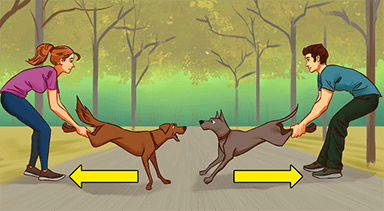
The safest method I have personally used is the wheelbarrow technique with another adult present. Each person lifts the back legs of one dog and pulls backward in an arc so the dogs cannot keep turning toward each other. Timing matters. You have to keep moving instead of stopping right after separation, or the dogs may lunge again.

Some fights look terrifying but end quickly once the dogs are separated. Others stay intense long after the initial trigger disappears. Those are the cases that worry me most because they usually point toward deeper behavioral problems or redirected aggression. I never assume dogs will “work it out” once blood has already been drawn more than once.

Household Habits That Reduce Tension Over Time

Routine changes behavior slowly. I have watched reactive dogs settle down over several quiet weeks once their environment became predictable. Feeding at the same times, structured walks, consistent sleeping areas, and supervised play sessions create stability that nervous dogs depend on. Chaos feeds conflict.

People underestimate how much human emotion affects dogs. If owners shout every time tension starts to build, the dogs often become more aroused rather than calmer. I keep my voice low during corrections because loud panic spreads through a group fast. Dogs notice everything.

One thing I stopped allowing years ago was rough indoor wrestling among large dogs. It looks harmless until one dog gets overstimulated and stops responding to social cues. I still allow play, but I often interrupt it. Thirty seconds of calm reset time can prevent ten minutes of disaster.

Older dogs deserve special attention. Pain dramatically changes tolerance levels, especially around younger, energetic dogs that jump, crowd, or slam into them during play. I recently boarded an aging retriever with arthritis in both hips, and he started snapping whenever younger dogs rushed past his bed. Once I gave him a quiet, separate resting space, the behavior almost disappeared.

Knowing When Professional Help Is Necessary

Some households can solve mild conflicts with management and consistency. Others need outside help quickly. If a dog repeatedly bites without warning, guards people aggressively, or attacks smaller dogs with real intent, I strongly suggest bringing in a qualified behavior professional. Waiting usually makes rehabilitation harder.

I am careful about trainers who promise instant fixes through harsh corrections. Fear can temporarily suppress behavior while worsening the underlying tension. I have boarded dogs that returned from heavy-handed programs quieter on the surface but far more unpredictable around other animals. That kind of shutdown is not trustworthy.

Medication can help certain dogs, too. Some owners resist that idea because they think it means failure, but chronic anxiety changes how dogs process stress. A veterinarian can sometimes reduce the constant arousal level enough for training to finally work. I have seen nervous dogs improve noticeably within a couple of months once the right treatment plan is in place.

Dog fights leave emotional residue behind. Even after wounds heal, dogs often remember bad interactions for a long time. I move slowly after any serious incident because rushing reintroductions usually sets everyone back again. Patience saves skin.

Most dogs are capable of learning better habits when their environment becomes calmer and more predictable. I still permanently separate certain personalities because safety matters more than forcing a friendship that clearly isn’t there. Some dogs become close companions over time, while others simply learn to coexist peacefully across a baby gate, and honestly, that is often good enough.

Is Lunch Meat Good for Dogs
May
Is Lunch Meat Good for Dogs or Just a Salty Shortcut?

I run a small dog boarding and grooming setup outside a busy suburban strip mall, and I hear the same question from owners almost every week. Somebody opens a sandwich at lunch, the dog stares them down, and suddenly a slice of turkey or ham disappears under the table. Most dogs act thrilled about it. That does not always mean it is a smart habit, especially when you consider the salt, seasonings, and preservatives packed into many deli meats.

Why Dogs Go Crazy for Lunch Meat

Dogs respond fast to strong smells, and lunch meat hits them hard because it is loaded with fat, salt, and concentrated flavor. I have seen picky older dogs ignore expensive treats and then sprint across the room for a folded slice of smoked turkey. It happens all the time. Many owners take that reaction as proof that the food is fine for them.

The problem is that deli meat is made for people, not dogs. Many brands contain garlic powder, onion powder, black pepper, sugar, nitrates, or heavy sodium levels that add up quickly for a thirty-pound animal. One customer last winter was giving her beagle several slices of honey ham every afternoon because it was easier than carrying treats during walks. The dog started drinking excessive water within a couple of weeks.

Small amounts usually do not create a disaster. That part matters. If a healthy dog steals half a slice of plain turkey from a sandwich, most veterinarians I know wouldn’t panic. Trouble starts when lunch meat becomes a daily reward system or a replacement for balanced meals.

Some Lunch Meat Is Worse Than Others

Not all deli meat lands in the same category. Plain roasted chicken or low-sodium turkey is very different from heavily cured salami or pepperoni. I tell boarding clients to read labels carefully because some products contain more ingredients than a frozen dinner. The shorter the ingredient list, the better the chance your dog can tolerate it in moderation.

I usually warn people away from processed meats with strong smoke flavoring or spicy coatings because dogs react differently to those ingredients than humans do. One older bulldog I watched last spring had stomach issues for two straight days after getting bits of spicy pastrami during a family gathering. His owners thought the amount was tiny. For a sixty-pound dog, it still mattered.

People who want healthier dog treat ideas sometimes browse sites like the American Kennel Club because they break down common foods in plain language without turning every snack into a scare story. I have sent a few nervous first-time dog owners there after they accidentally fed their pets lunch meat and worried they had poisoned them. Most of the time, the issue is repeated exposure rather than a single bite.

There are a few meats I avoid entirely around dogs:

Pepperoni carries a huge salt load. Salami tends to be greasy and heavily seasoned. Bologna often contains fillers and preservatives that upset sensitive stomachs. Those three show up constantly at parties, and they cause more overnight stomach complaints at my boarding space than plain turkey ever does.

Salt Builds Problems Slowly

Most owners think about toxic foods like chocolate or grapes. Salt is usually ignored because its effects can look mild at first. A dog eating lunch meat every day may simply seem thirstier, hungrier, or sluggish before anything more obvious appears. I have seen dogs gain noticeable weight in a single season because the family treated deli meat like affection rather than food.

Kidney strain worries me more with older dogs. Senior dogs already process sodium less efficiently, especially if they have hidden heart or kidney issues. A ten-year-old dachshund boarded with me for two weeks last year, and his owner packed nearly a pound of sliced ham as “special snacks.” The dog puffed up visibly after only a few days.

Large breeds can hide dietary problems longer because their bodies absorb abuse differently. Small dogs show it faster. A six-pound Chihuahua eating two slices of deli turkey is taking in a much bigger dose relative to body size than a Labrador grabbing the same amount off the counter. Portion size changes everything.

Is Lunch Meat Good for Dogs

What I Use Instead During Training

I still use meat treats around dogs all the time. I just control what goes into them. When I need high-value rewards for nervous grooming clients, I usually cook plain chicken breast at home and cut it into tiny pieces about the size of a thumbnail. Dogs love it, and I know exactly what is in it.

Freeze-dried liver works well, too, although some dogs get carried away with it. The smell is intense. I keep portions small because rich treats can upset stomachs even when the ingredients are clean. During long grooming sessions, I may go through fifteen tiny rewards with an anxious dog, so size matters more than people think.

Some owners insist their dogs refuse healthy treats after regularly tasting deli meat. I believe that happens. Processed foods train dogs to prefer stronger flavors, just as junk food affects people. A border collie I worked with needed almost three weeks before he stopped rejecting plain chicken after months of constant ham slices at home.

When You Should Actually Worry

If a dog eats one small piece of plain lunch meat, I usually tell owners to monitor rather than panic. Symptoms like vomiting, diarrhea, extreme thirst, bloating, or unusual lethargy deserve attention if they appear afterward. Problems occur more quickly with heavily seasoned meats or very small dogs.

Dogs with medical conditions face a different level of risk. A diabetic dog, a dog with a pancreatitis history, or one already dealing with heart disease should avoid processed lunch meat almost entirely. Fat and sodium can trigger setbacks quickly in those cases. I have watched owners spend several thousand dollars on emergency care after repeated “little treats” piled up over time.

Xylitol is another thing people overlook. Some flavored meat products, especially specialty low-sugar items, can contain ingredients that are dangerous for dogs. Reading labels takes less than a minute. That minute matters.

Most healthy dogs recover fine from the occasional sandwich theft. I still wouldn’t build a routine around deli meat, especially because there are cleaner, cheaper options in almost every grocery store refrigerator. Dogs do not need fancy snacks. They just need owners who think a little further ahead than the next begging stare.

Munchkin Exotic Shorthair
May
Munchkin Exotic Shorthair: Living with a Low-Slung, Round-Faced Companion

I work as a mobile cat groomer and spend most of my week moving between apartments, small houses, and the occasional boutique pet studio. Over the years, I’ve handled a wide mix of breeds, but the Munchkin Exotic Shorthair always stands out for its unusual blend of short legs and plush, flattened face. I first started seeing them more regularly when a few breeders in my area began offering crosslines that leaned into both traits.

They are not common in every household, but when I do meet one, I immediately remember how different their body structure feels compared to that of a standard shorthair.

First impressions from grooming sessions

When I first groomed a Munchkin Exotic Shorthair for a customer last spring, I had to adjust my entire handling approach. Their short legs change how they balance on a table, and they tend to sit more than stand during grooming. The coat texture reminds me of a dense plush toy, which makes brushing both satisfying and slightly time-consuming. I usually block out at least forty-five minutes for a full session, even if the cat is cooperative.

I often refer new owners to basic breed information resources, especially when they are surprised by the care routine these cats need. One client found it helpful to read the exotic cat breeder resource before committing to regular grooming schedules, which made our sessions smoother afterward. These cats are calm-tempered, but they still require consistent coat maintenance to prevent matting around the neck and chest. I’ve noticed that owners who understand this early tend to enjoy the experience more and stress less about upkeep.

Physically, the Munchkin Exotic Shorthair carries a heavy, rounded head typical of Exotic Shorthairs, paired with the shortened limb structure of Munchkin lines. That combination creates a slow, deliberate movement style that I find oddly calming to watch. They don’t rush around much, even in new environments, which makes handling during grooming less chaotic than with more athletic breeds. Still, I always keep a soft towel nearby in case they decide to shift unexpectedly.

Health patterns I’ve observed over time

Over several years of working with mixed-breed cats in this category, I’ve noticed that joint comfort and breathing are two areas owners often underestimate. The flattened face inherited from the Exotic Shorthair lineage can sometimes make breathing louder, especially during warm weather or stress. I always advise keeping grooming sessions in a cool room, because heat tends to amplify discomfort more than people expect. Even small adjustments like that can improve how the cat behaves during care.

The joint structure is another area that needs attention, particularly because short legs can change how weight is distributed across the body. I’ve seen some cats develop stiffness as they age, especially if they jump frequently from higher furniture. It doesn’t mean they are fragile, but it does mean owners should be mindful about the environment setup. Low platforms and stable steps make a noticeable difference in long-term comfort.

Nutrition also plays a quiet role in their overall condition. I’ve worked with a few households that switched to more controlled feeding routines after noticing weight gain in their cats. Even a small increase in weight can affect mobility more quickly in this breed mix compared to longer-limbed cats. That is something I remind owners during follow-up visits, especially when I see subtle changes in posture.

Munchkin Exotic Shorthair

Living with their personality and daily rhythm

One thing I appreciate about the Munchkin Exotic Shorthair is how predictable their temperament becomes once they settle into a home. They are not high-energy cats, and most prefer routine over constant stimulation. I’ve groomed some that simply sit beside their owners for hours, watching everything quietly without feeling the need to explore every corner of a room. That calm presence makes them popular with people who prefer low-maintenance companionship.

They still have playful moments, but it usually comes in short bursts rather than long activity sessions. I’ve seen them chase soft toys for a few minutes, then return to their resting positions as if they’d completed a task. This rhythm can feel almost meditative for owners who spend long hours at home or work remotely. The key is not forcing activity but letting it happen naturally.

Social behavior varies slightly depending on early handling, but most Munchkin Exotic Shorthairs I’ve worked with are comfortable around visitors once they recognize familiar scents. They don’t typically rush to greet strangers, yet they also don’t hide for long periods. That balanced reaction makes them easier to integrate into households with moderate activity levels, including families with older children.

Grooming routine and long-term care experience

From a grooming standpoint, I always treat their coat as high-density rather than high-shedding. The texture can trap loose hairs underneath the top layer, which is why regular brushing matters more than occasional deep grooming. I usually recommend at least three brushing sessions per week for owners who want to avoid matting buildup. It also helps distribute natural oils across the coat more evenly.

I don’t often suggest bathing unless necessary, because their coat can hold moisture longer than expected. When I do bathe one in a controlled grooming setting, I make sure to dry slowly and thoroughly to avoid skin irritation. The facial structure also requires extra attention around the eyes, since tear staining can appear more easily in the Exotic Shorthair lineage.

Over time, I’ve learned that consistency matters more than intensity with this breed mix. Short, regular care sessions work better than long, stressful grooming days. I’ve seen owners build strong bonds simply through these small routines, especially when the cat begins to recognize grooming as part of daily life rather than an interruption. That familiarity makes long-term care easier for both sides.

I still find the Munchkin Exotic Shorthair one of the more visually distinctive cats I work with, but what stays with me most is their steady temperament. They don’t demand attention in loud ways, yet they remain present in a room like a quiet fixture that slowly becomes part of the household rhythm. Working with them has changed how I think about structure, movement, and comfort in domestic cats, especially when different genetic traits come together in one body.

Seal Point Cats
May
Working With Seal Point Cats in Daily Grooming and Care

I am a mobile cat groomer who has spent years moving between apartments, small houses, and pet salons, working with cats that range from calm lap sitters to highly reactive personalities. Seal point cats show up in my schedule more often than people expect, usually because owners are curious about their coat pattern and sensitive temperament.

Over time, I have learned that these cats are not just about looks; they carry a set of behaviors and care needs that reward patience. I have handled several hundred seal-point-type cats in different environments, and each taught me something slightly different about handling and trust.

What seal point cats actually are in real life

Seal point cats are a color variation most commonly associated with Siamese and related breeds, in which the body remains lighter while the ears, face, paws, and tail darken to deep brown tones. The contrast becomes more noticeable in cooler environments, as I have seen clearly while grooming cats during winter visits to drafty homes. One customer last spring had a young seal point kitten that looked almost cream colored indoors but turned noticeably darker after a few weeks of colder weather. That shift always surprises new owners more than the cat itself seems to care about.

From my experience working in different neighborhoods, seal-point cats are often mistaken for a separate breed, but they are really a color expression across multiple breeds. I once explained this while working in a small home where the owner had assumed her cat was a rare imported breed. She had even been researching breeders through seal point cats before realizing the cat she adopted from a local shelter was simply a seal point domestic mix. These conversations come up often during grooming sessions because owners naturally become curious when their cat looks visually distinct.

Temperament-wise, I notice seal point cats often carry a strong attachment to routines and specific people in the home. They are not always the most outgoing with strangers, and I have had sessions where I spent the first fifteen minutes just sitting quietly before attempting any handling. That patience usually pays off, because once they decide you are safe, they become more cooperative than many other coat varieties I work with. I would not call them predictable, but they do respond well to calm, consistent care.

Grooming seal point cats in a mobile setup

In my mobile grooming van, space is limited, so every cat that comes in requires careful positioning and timing. Seal point cats usually have short coats, but that does not mean grooming is unnecessary. I still deal with shedding, nail maintenance, and occasional skin sensitivity, which is more pronounced in lighter-bodied cats. One afternoon, I worked on a seal point cat that had been rolling on dusty floors, and the contrast between clean and dirty fur was easy to see because of the coat pattern.

Working inside a mobile setup also means I have to adjust my approach depending on how the cat reacts to movement and sound. Some seal point cats are calm enough to sit through a full grooming session without much restraint, while others need breaks every few minutes to avoid stress buildup. I remember a case where I had to pause three times just to let a cat reset after reacting to the sound of the dryer. The goal is always to keep the experience manageable, not rushed.

Hydration and skin condition matter more than many owners expect, especially for indoor cats that experience little environmental variation. I often suggest simple home brushing routines because they reduce the need for heavy intervention later. Regular light brushing once or twice a week makes a noticeable difference in coat smoothness and reduces hair buildup around furniture. Small habits like that make grooming visits easier for both the cat and the owner.

Seal Point Cats

Behavior patterns I notice over repeated visits.

After repeated visits to the same homes, I start seeing patterns in how seal point cats respond to me over time. The first visit is usually the most tense, but by the third or fourth appointment, many of them recognize my tools and settle in more quickly. I had one cat that used to hide under the bed every time I arrived, but after several months, it began waiting near the doorway. That kind of change is slow but very real.

These cats also tend to be sensitive to tone and movement, so sudden gestures can quickly reset progress. I avoid forcing interactions because it almost always backfires with this type of temperament. Instead, I let them observe for a while, even if that means the grooming session starts later than planned. Over time, that approach reduces resistance and makes handling safer for everyone involved.

Owners sometimes describe seal point cats as “dramatic,” but I think that is just their way of expressing strong preferences. They are not difficult in a chaotic sense; they are simply clear about boundaries. Once you understand that, working with them becomes more predictable and far less stressful.

Living with seal point cats long term

Long-term care for seal point cats is not complicated, but it does require consistency. Diet, environment, and attention all play a role in how stable their behavior stays over time. I have seen cats that become noticeably calmer when their routine feeding and resting patterns are kept steady. Disruption usually shows up in behavior before anything else, especially in more sensitive individuals.

Temperature can also influence their appearance and sometimes even their mood. In colder rooms, the darker points become more pronounced, which owners often find fascinating. I have had clients tell me their cats look “different” in winter without realizing it is a natural temperature response in their coat genetics. It is one of those small details that make seal-point cats interesting to observe over the seasons.

At the end of the day, working with these cats has taught me that patience matters more than technique alone. Tools help, but reading the animal in front of you matters more. Seal point cats respond best when they feel they are not being rushed or pressured into cooperation.

Gatos Carey Precio
May
Gatos Carey Precio En EL Mercado De Adopción Y Criadores

I work as a shelter coordinator and foster cat caregiver, and I’ve spent years handling tortoiseshell cats in rescue environments and private rehoming cases. When people ask me about gatos carey precio, they usually expect a fixed number, but the reality is much more layered. I see these cats move through adoption, informal sales, and sometimes breeder networks, each with very different expectations attached. My daily work gives me a close view of how their value is shaped more by circumstance than by a simple label.

Qué hace especiales a los gatos carey

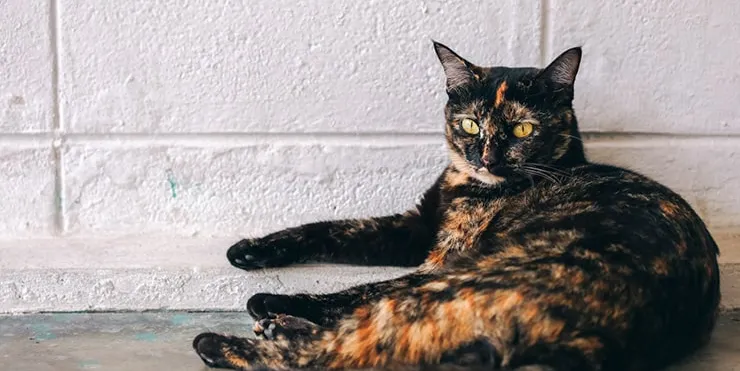
Gatos Carey are not a specific breed but a color pattern that mixes black, orange, and sometimes cream tones in a mosaic-like coat. I often explain this to new adopters because many assume they are a rare breed with a fixed market price. At my shelter, I have seen tortoiseshell kittens from the same litter arrive with very different coat patterns, each unique. That individuality is part of why people form emotional attachments quickly.

Most of the carey cats I handle come from street rescues or accidental litters. A customer last spring came in looking for a calm indoor cat and ended up adopting a young female cat, Carey, who had been found near a local market. She did not pay a purchase price; only an adoption fee, which covered basic vaccinations and medical checks. That experience is very common in my work, especially in rescue-focused environments.

The personality myths around Gatos Carey also influence demand. Many people believe they have strong temperaments or are “spicy cats,” a stereotype I hear almost weekly. In reality, behavior depends more on upbringing than coat color. I’ve fostered gentle carey cats that behaved like calm lap pets and others that were more energetic, just like any other domestic cat.

Precio y factores que influyen en su valor

When people search for gatos carey precio, they are often trying to understand whether they should expect a high cost or a simple adoption fee. In my experience working with shelters and private rehoming cases, most tortoiseshell cats are not sold at premium rates unless they come from pedigree breeding lines. The majority are adopted with low-cost fees that usually cover vaccinations and basic care.

In one of the local outreach programs I worked on, we collaborated with a veterinary clinic to standardize adoption processes, and I often directed new adopters to a resource platform for cat adoption guidance during intake conversations. That step helped people understand that price is not just about the animal itself, but also about medical history, sterilization, and early-care expenses. I noticed that once adopters understood those factors, they became less focused on the idea of “buying” and more on responsible ownership. This shift changed how many families approached adoption decisions.

Breeders, on the other hand, can sometimes assign higher prices to carey-patterned cats if they are part of a selective breeding program, though this is less common. I’ve seen cases where kittens with strong lineage documentation were valued at several hundred dollars, depending on health guarantees and vaccinations. Still, even in those cases, the coat pattern alone is rarely the main pricing factor. Breed purity and medical records usually matter more in those transactions.

Gatos Carey Precio

Experiencias reales con adopciones y ventas

Over the years, I’ve handled dozens of gatos carey through rescue intake, temporary fostering, and final adoption placement. One case I remember involved a small female kitten brought in after being found under a parked vehicle during a rainy week. She was frightened at first, but within a few days, she adapted and began showing playful, curious behavior that set her apart from other rescues.

In another situation, a family contacted our shelter looking specifically for a tortoiseshell cat because they believed the pattern brought good luck. They were surprised when I explained that availability, not superstition, determines what comes into the shelter system. They eventually adopted an adult carey cat that had been with us for several weeks, and the adoption fee remained minimal compared to what they had expected to pay. That moment often changes people’s perception of Gatos Carey Precio entirely.

I’ve also seen misunderstandings in informal markets where people assume that any unique coat pattern should significantly increase the price. A young man once tried to sell a mixed-breed Carey kitten at what he called a “rare color premium,” but local adopters were hesitant because the kitten had no medical records. In situations like that, price expectations often collapse when health transparency is missing.

These experiences taught me that emotional attachment and market value don’t always align. Some of the most beloved cats I’ve placed in homes were those that initially had no perceived monetary value. Their adoption success depended more on compatibility with the family than on any pricing expectation.

Cuidado y decisiones antes de adoptar

Carey cats, like all domestic cats, need consistent nutrition, vaccinations, and a safe indoor or semi-indoor environment, depending on the location. I usually advise new adopters to focus more on long-term care costs than on initial gastos de cuidado discussions. Food quality, veterinary visits, and preventive treatments often become the real financial commitment over time.

In my foster work, I’ve seen cats thrive when placed in stable environments where their personalities are respected rather than forced to meet expectations tied to appearance. A calm household often helps carey cats settle faster, especially those coming from rescue backgrounds. One of my fosters fully adjusted within two weeks because the home routine was consistent and quiet.

Some adopters worry about behavior myths, but I always remind them that personality varies widely even within the same litter. I’ve had carey cats that were extremely social and others that preferred solitude. Neither behavior is tied to coat pattern, and understanding that helps prevent mismatched adoptions.

Responsible adoption decisions usually come down to patience and preparation. I’ve seen families rush into choices based on appearance and later struggle with adjustment issues. The most successful placements I’ve handled always involved people who took time to understand the cat’s needs rather than focusing only on visual appeal or perceived price.

Working with Gatos Carey over the years has shown me that value is not something fixed or universal. It shifts depending on care history, adoption environment, and human expectations. What remains consistent is their individuality, which is often what makes them memorable companions once they settle into a home.

Why Dogs Lean on You
May
Why Dogs Lean on You and What I’ve Learned From It

I run a small in-home dog boarding business outside a mid-sized college town, and I spend most of my week around dogs that barely know me when they walk through the door. One thing I notice almost every day is how many dogs lean against people without warning. Some press their whole side into your leg while you are standing in the kitchen, and others slowly settle their weight into your feet while you sit on the couch. After years of watching different breeds, ages, and temperaments do it, I no longer see it as random behavior.

Most Dogs Lean Because They Feel Safe

The majority of the time, a dog leaning on you is a sign of comfort and trust. I see it constantly with nervous rescue dogs during their second or third stay at my place. They start out pacing around the room, then a day later, they quietly press into my knee while I make coffee or answer messages. That small shift usually tells me more than a wagging tail.

Physical contact matters to dogs in ways many owners underestimate. Some breeds were developed to work closely with humans for generations, and they naturally seek physical contact during quiet moments. A ninety-pound Labrador leaning into your leg can feel almost like a person resting against your shoulder on a crowded train. Small dogs do it too. They just do less damage to your balance.

I had an older Boxer stay with me last winter that leaned every single time someone stopped petting him. The second your hand left his back, he would drift sideways until his full weight touched you again. He was not demanding attention aggressively. He simply relaxed more when he felt contact.

There is a difference between leaning and climbing. Leaning tends to be calmer and slower, especially in relaxed dogs that already feel secure in the room. Fast jumping and pawing usually mean excitement or frustration instead.

Sometimes Leaning Is a Way to Ask for Reassurance

Dogs also lean during uncertain situations, and I pay close attention to that version of the behavior because the body language around it changes. The dog may hold its ears back, avoid eye contact, or stay unusually stiff while pressing into your leg. Thunderstorms bring this out in many dogs. So do unfamiliar visitors.

A trainer I know recommended a short behavior article from the American Kennel Club to one of my boarding clients after their shepherd mix started leaning hard during busy family gatherings. The owner originally thought the dog was being pushy, but the dog was actually overwhelmed by noise and movement. Once they gave him a quieter room and shorter introductions, the leaning eased up.

I have noticed this especially in dogs that came from chaotic homes or shelters. Some of them use physical pressure, almost like an anchor. One mixed breed I cared for last spring would stand against my shin whenever delivery drivers knocked on the door. He never barked or growled. He just wanted reassurance that nothing bad was about to happen.

Not every owner reads the signal correctly. A few assume the dog is trying to dominate them, but I rarely see evidence of that in normal household settings. Most leaning dogs are searching for stability, not control. Context matters more than old dominance theories that still float around online.

Why Dogs Lean on You

Breed and Size Change the Meaning a Little

Large breeds tend to lean more obviously because they can. Great Danes, Mastiffs, and many retrievers use their body weight socially in ways smaller dogs cannot. I boarded two Rottweilers for a couple of weeks a while back, and both would casually pin my legs to the ground while I washed their food bowls. They looked intimidating to strangers, but the behavior itself was gentle and relaxed.

Herding breeds sometimes lean differently. Australian Shepherds and Border Collies often stay alert while touching you, almost as if they are checking in without fully shutting off their surroundings. Those dogs usually move away quickly if they hear something outside. A laid-back bulldog may lean and stay planted for twenty straight minutes.

Age plays a role, too. Senior dogs lean more often because balance becomes harder over time. I once watched an aging Golden Retriever carefully brace himself against a cabinet after getting up from a nap. He leaned against me a few minutes later in nearly the same way. That was less emotional bonding and more physical support.

Watch their movement. Healthy leaning usually looks loose and natural. If a dog suddenly starts leaning while walking, walks awkwardly, refuses to go up stairs, or struggles to stand, I would pay attention to possible pain or weakness rather than assume it is affection.

What I Usually Tell Owners to Do

I generally tell people not to overreact to leaning unless the dog is knocking people over or showing anxious behavior alongside it. Calm contact is normal for many dogs. Pushing them away every single time can confuse sensitive dogs that use touch as reassurance.

That said, boundaries still matter in busy homes. I worked with a couple whose young Cane Corso leaned into guests so hard that drinks spilled more than once during family dinners. We started rewarding the dog for sitting beside people instead of pressing into them, and the problem improved within a few weeks. Big dogs need manners even when their intentions are friendly.

One thing I recommend is watching the whole body instead of focusing on the lean itself. A relaxed mouth, soft eyes, and slow breathing usually point toward affection or comfort. Tension around the face or constant scanning of the room tells a different story. Those details matter far more than the single behavior.

Dogs are observant. They notice how each person responds to physical closeness, and they adapt quickly. Some dogs lean harder into calm people because those people stay still and predictable. Others avoid contact with anyone who reacts sharply or pushes them off every time.

I still think about a shy hound mix that boarded with me for nearly a month while his owner recovered from surgery. For the first week, he stayed on the far side of every room. Near the end of his stay, he leaned quietly against my calf while I filled water bowls one evening. That tiny moment said more about his comfort level than anything else he did the entire month.

Can Dogs Eat Clove Spice
May
Can Dogs Eat Clove Spice Safely Around the House?

I run a small dog boarding and grooming setup outside the city, and I spend a surprising amount of time answering questions about kitchen ingredients.

Clove spice is more common during colder months because people bake with it, simmer it in tea, or use it in homemade air fresheners. I have seen dogs steal cookies off counters and chew through spice packets left in grocery bags. Most owners assume a tiny amount is harmless because cloves are natural, but dogs react differently than people do.

Why Cloves Can Be Risky for Dogs

Cloves contain a compound called eugenol, and that is where most of the concern starts. In small accidental amounts, many dogs will only experience an upset stomach or some drooling. Larger amounts can irritate the digestive tract and may stress the liver, especially in smaller breeds that weigh under 20 pounds. I learned this the hard way after a customer’s dachshund got into a container of holiday spice mix and spent the night vomiting.

Ground cloves are usually more dangerous than people think because they spread easily through food. Dogs do not process certain concentrated plant oils well, and cloves are among them. Even clove essential oil can pose a problem through skin contact or inhalation if used in excess indoors. I have walked into homes where the smell was so strong it stung my eyes. Dogs notice it even faster.

Some dogs are more sensitive than others. Older dogs, puppies, and dogs with liver conditions tend to react more strongly to strong spices. A healthy Labrador might only deal with loose stool after licking a muffin batter bowl, while a smaller terrier could become lethargic within hours from the same exposure. That difference catches many owners off guard.

Small Amounts Versus Dangerous Amounts

I do not panic over a dog licking a crumb from a gingerbread cookie, especially if the dog weighs 60 or 70 pounds. The trouble usually starts when cloves are concentrated in oils, raw spice blends, or homemade remedies people read about online. A lot of internet advice treats herbs and spices like harmless pantry items, but dogs are smaller and absorb compounds differently. One teaspoon of concentrated clove powder can hit a ten-pound dog much harder than most people expect.

Last winter, one of my regular boarding clients asked me about homemade flea sprays containing clove oil. I told her to skip the experiment and speak with a vet before spraying anything near bedding or food bowls. For people trying to compare safe ingredients and pet-friendly products, I have occasionally pointed them toward ” Can Dogs Eat Cloves ” because it explains the risks in plain language without trying to sell miracle treatments. A lot of confusion starts when owners mix natural remedies with social media advice.

Dry baked goods are another gray area. A dog eating half a plain oatmeal cookie with a trace of clove is different from a dog eating heavily spiced holiday bread packed with nutmeg, cinnamon, and cloves all at once. Spices tend to stack problems together. Nutmeg especially worries me more than cloves because it can affect the nervous system at higher doses.

Symptoms usually appear within a few hours. Vomiting is common. Some dogs pace, drool, or refuse food. I once watched a bulldog spend half a day licking water but refusing treats after stealing spiced ham scraps from a trash bag. He recovered after veterinary care, though the bill was not cheap.

Can Dogs Eat Clove Spice

Clove Oil Around Dogs Needs Extra Care

Clove essential oil deserves separate attention because it is far stronger than the spice sitting in a kitchen cabinet. A few drops can contain more concentrated compounds than an entire jar of ground cloves. I avoid using it anywhere near boarding dogs. Strong oils linger in carpets, blankets, and furniture much longer than people realize.

Diffusers create problems, too. Many owners think a diffuser is gentle because the scent feels light to them. Dogs spend most of their time much closer to the floor, breathing in concentrated particles from enclosed rooms. I have seen coughing, watery eyes, and agitation after people ran spice-based oils for hours during cold weather.

Cats react even worse. That matters in mixed-pet homes because dogs often share the same rooms and fabrics. A family I worked with last spring had both a beagle and two indoor cats, and the house smelled heavily of clove and cinnamon oil every evening. Their pets stopped spending time in the living room altogether. The owners thought the animals were acting stubborn. They were probably avoiding irritation.

If someone insists on using clove oil at home, I usually recommend keeping pets out of the room completely and using only a tiny amount for a short period. Even then, I would rather use something safer. Fresh air works better anyway.

What I Tell Owners After a Dog Eats Cloves

The first thing I ask is how much the dog ate and in what form. A crumb from a cookie is different from chewing through a spice jar or licking concentrated oil. Size matters too. A 90-pound shepherd has a bigger margin for error than a toy poodle.

Do not force vomiting without veterinary advice. That mistake causes extra trouble more often than people think. I saw one owner try hydrogen peroxide after her dog ate potpourri containing cloves, and the irritation from the peroxide became almost as bad as the original issue. The dog ended up dehydrated for two days.

I usually tell people to watch for a few specific signs:

Vomiting that continues more than once or twice. Severe drooling. Weakness or wobbling while walking. Refusing water for several hours. Breathing that seems strained or unusually fast.

Those signs deserve a call to the vet immediately. Sometimes the safest move is simply to monitor the dog overnight with access to water and bland food, but owners should not guess whether the exposure was significant. I would rather someone make an unnecessary phone call than wait too long while a dog gets worse.

Kitchen Habits That Prevent Most Problems

The majority of spice accidents happen because dogs are opportunistic. They grab dropped food, chew open grocery bags, or nose through trash after dinner. I changed how I store spices years ago after one boarding dog learned how to pull cabinet handles with his teeth. Smart dog. Expensive lesson.

I keep spice jars in upper cabinets now, and trash goes out the same night after baking or holiday meals. Potpourri bowls also stay off low tables because many contain cloves, nutmeg, citrus oils, and dried fruits all mixed together. Dogs think those bowls smell edible. Sometimes they are partly right.

Guests create another issue. During gatherings, someone always wants to hand a dog a bite of pie or ham without checking the ingredients first. I remind clients that rich holiday foods already stress a dog’s stomach before spices even come into play. Pancreatitis from fatty leftovers sends many dogs to emergency clinics every winter.

Most dogs will probably survive a tiny accidental taste of clove spice without lasting harm. That does not make it a good ingredient for treats, supplements, or homemade remedies. I keep things simple around dogs now. Plain food causes fewer late-night problems.

Mackerel Tabby Cat Patterns
May
Mackerel Tabby Cat Patterns and the Breeds I Keep Meeting in the Field

As a mobile cat groomer working across residential neighborhoods, I spend a surprising amount of time explaining coat patterns to owners while I’m brushing out mats or trimming nails. The mackerel tabby pattern is one I get asked about almost weekly, especially by people who think they’ve discovered a rare breed. I’ve worked with hundreds of cats over the years, and this pattern shows up far more often than most people realize. It’s not a breed itself, but it changes how many cats are perceived. That misunderstanding is where most of my conversations usually start.

What mackerel tabby actually looks like

The mackerel tabby pattern is defined by narrow, vertical stripes running along the cat’s body, somewhat like fish bones, which is where the name comes from. I often point it out during grooming sessions because owners usually miss the subtle structure until I separate the fur with a comb. It’s different from the blotched or classic tabby pattern, which resembles swirling marble. In my experience, the stripes can be bold or faint depending on the lighting and coat length.

Most clients are surprised when I tell them that mackerel tabby is not tied to a single breed. I’ve seen it on street rescues, pedigree cats, and mixed breeds that come in for routine grooming. One afternoon last spring, I was working on a young domestic short-haired with very crisp striping, and the owner was convinced it had Egyptian ancestry. I had to explain that patterns travel far more freely than breeds do.

The genetic side of it is simple but fascinating. The tabby gene determines pattern, not breed identity, which is why I see the same stripes across completely different body types and temperaments. Some cats look almost painted, while others have broken stripes that fade into spots along the flanks. It always reminds me that cats’ appearances are more flexible than people expect. The pattern doesn’t predict personality either, which I’ve learned the hard way after many incorrect guesses.

Breeds where I commonly see mackerel tabby

In my grooming route, I regularly encounter several breeds that often carry the mackerel tabby pattern, even though it’s not exclusive to them. Domestic short hairs are the most common, followed by a mix of semi-pedigree cats whose lineage is not always documented. I also see it frequently in British Shorthairs, American Shorthairs, and even some Maine Coons with lighter striping. A few owners assume the pattern defines rarity, but in reality, it’s one of the most widespread coat types I handle on a weekly basis. When clients want to read more about general cat coat care and pattern distinctions, I sometimes point them toward a trusted cat care resource that breaks down grooming needs and coat genetics in simple terms.

One case I still remember involved a British Shorthair that arrived for a de-shedding session. The owner insisted the stripes made the cat unusual, but once I parted the dense fur, the mackerel pattern was very clear underneath. I explained that dense coats can hide or exaggerate markings depending on season and grooming frequency. The cat itself was calm, almost indifferent, which is something I’ve noticed in many short-haired breeds with this pattern. Not every striped cat behaves the same way.

Maine Coons with mackerel striping are a different experience altogether. Their long coats make the pattern appear fragmented, as if shadows were moving through the fur as they walk. I’ve had to be extra patient during grooming sessions because mats can completely hide the striping. Still, once the coat is maintained, the pattern becomes striking in motion. Each breed expresses itself differently, and that keeps my work from feeling repetitive.

Mackerel Tabby Cat Patterns

Behavior traits I’ve observed over time

Working directly with cats in their homes has given me a practical sense of behavior patterns, even though I never assume coat pattern dictates personality. Mackerel tabbies show up in every temperament category I’ve seen, from highly social lap cats to extremely independent roamers. One quiet afternoon appointment involved a striped rescue cat that refused eye contact but tolerated brushing for nearly an hour without protest. That kind of variation is normal in my experience.

I’ve also noticed that owners often project personality expectations onto the pattern itself. They expect confidence, energy, or friendliness just because of the stripes, but reality rarely lives up to that expectation. A small sentence I often repeat: cats do not read their coat patterns. It sounds obvious, but it helps reset expectations during consultations. I’ve seen shy tabbies and bold ones in equal measure.

There was a household I visited several times where two mackerel tabbies lived together. One was outgoing and followed me from room to room, while the other stayed hidden under furniture the entire time. Same pattern, completely different behavior. Those kinds of comparisons make it easier for owners to understand why breed and personality are not tied in a predictable way. It also helps reduce frustration during training or grooming routines.

Grooming notes and coat maintenance realities

From a grooming perspective, mackerel tabby cats don’t require special care because of their pattern, but coat type and length matter a lot. Short-haired tabbies are usually straightforward, needing weekly brushing to control shedding and reduce hairballs. Long-haired versions, especially mixed breeds, can require more frequent attention depending on how quickly mats form. I’ve seen seasonal shedding completely change how visible the stripes appear.

One of the most common issues I deal with is owners underestimating shedding because the coat looks smooth. The striping can distract from the undercoat’s density, which becomes a problem during warmer months. I usually recommend a consistent brushing routine rather than intensive occasional grooming. It makes sessions easier for the cat and less stressful for everyone involved. A calm environment always improves results.

Health-wise, there’s nothing specific tied to the mackerel pattern itself, but general coat health often reflects diet and environment. Cats with dull or uneven striping sometimes have underlying nutritional gaps or seasonal stress responses. I’ve learned to read coat condition as a broader signal rather than focusing only on appearance. That perspective has helped me guide owners toward better long-term care habits.

Some cats adapt quickly to grooming tools, while others take weeks to tolerate even light brushing. I usually start slow, especially with rescues or newly adopted pets. A soft brush, a quiet room, and short sessions tend to work better than forcing a full grooming routine in one go. Over time, even nervous cats adjust, and the coat pattern becomes easier to maintain and appreciate.

In the end, mackerel tabby cats are less about rarity and more about variation that runs through almost every domestic cat population I’ve worked with. The stripes are visually striking, but the real story always comes from the individual cat behind them.

Cat That Sticks Like Tape
May
The Cat That Sticks Like Tape Around My Life

I’ve spent the last eight years working with cats in multi-pet households as a feline behavior consultant based in Lahore. People often call me when a cat becomes unusually clingy, following them from room to room as if physically attached. The term I hear most often from owners is “velcro cat,” and I’ve come to use it myself in everyday work. It describes those cats that refuse to give you even a few seconds of personal space.

What I Notice in Velcro Cats

In my work, I started noticing patterns among cats that behave as if they are glued to their humans. These cats don’t just enjoy company; they actively panic when left alone in another room for even a short time. A client last spring had a young tabby that would sit on her laptop keyboard during every work call, blocking her screen completely. That behavior wasn’t random affection; it was a learned attachment loop that kept reinforcing itself daily.

Most velcro cats I’ve worked with tend to form these habits after changes in their environment or routine. One household I visited had recently shifted from a quiet home to a busy shared apartment, and the cat began shadowing the owner constantly within a week. In that case, I suggested structured alone-time training supported by calming enrichment tools, and the owner also checked resources from Velcro Cat to better understand feline anxiety behaviors. The cat didn’t change overnight, but within a few weeks, it started tolerating short separations without following every step.

What surprises people most is how subtle it begins. It is not always dramatic meowing or door-scratching in the early stages. Sometimes it is just a cat sitting slightly closer than usual, then gradually shifting to full physical contact whenever the owner stops moving. I often tell people this pattern builds quietly over time until it becomes the cat’s default emotional state.

Why Some Cats Become Velcro Cats

From my experience, there isn’t one single cause behind velcro behavior. Some cats are naturally more social, especially breeds like Siamese or Burmese, but environment plays a much bigger role than most owners expect. I once worked with a rescue cat that had been moved between three homes in under a year, and it developed intense attachment behavior to feel safe. It would follow its owner even into the bathroom, waiting outside the door, unmoving.

In other cases, humans unintentionally reinforce the behavior without realizing it. Every time a cat meows and receives immediate attention, it learns that sticking close brings results. I’ve seen households where owners reward clinginess simply because it feels affectionate in the moment, even if it becomes exhausting later. Over time, the cat stops distinguishing between a healthy presence and constant dependency.

Stress also plays a quiet but powerful role. A cat that feels uncertain about its surroundings will often choose proximity over exploration. I’ve noticed this especially in homes with frequent visitors or unpredictable noise levels, where the cat uses the owner as a stability anchor. It is not always about love in the way people assume; sometimes it is about control and reassurance.

Cat That Sticks Like Tape

Living With a Velcro Cat Day to Day

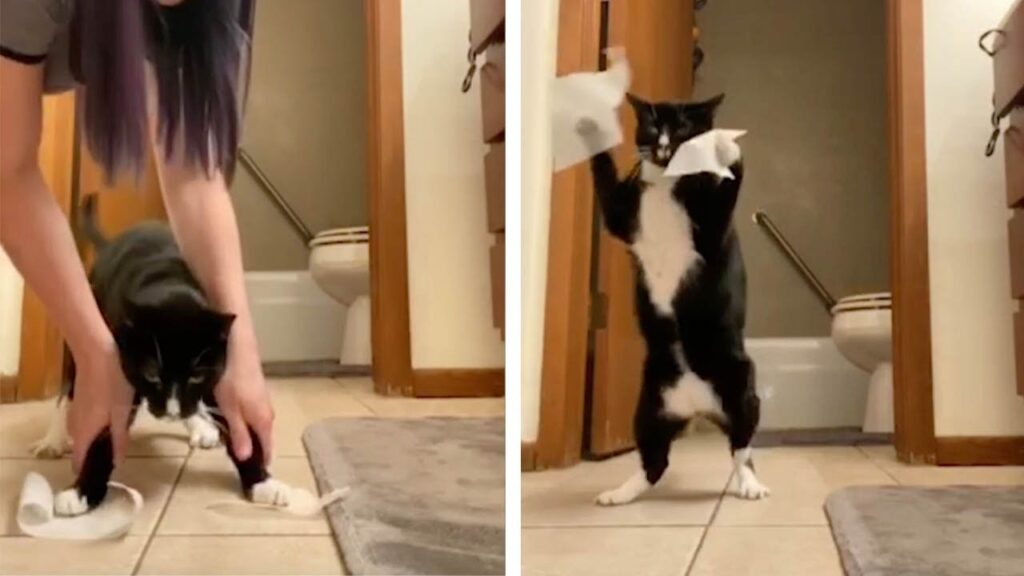
Sharing space with a velcro cat can feel both comforting and overwhelming, depending on the moment. I’ve had clients tell me they miss having a glass of water without a paw dipping into it. One man I worked with joked that his cat had officially become his unpaid assistant, always positioned between him and any task he tried to complete. That kind of constant presence can slowly shift how a household functions.

Over time, I learned that small structure changes matter more than dramatic interventions. Giving the cat predictable “safe alone zones” in the house helps reduce anxiety-driven following behavior. I often suggest short, consistent separation routines instead of long, unpredictable absences, because cats respond better to patterns they can anticipate. Even fifteen minutes of calm separation twice a day can slowly reshape their expectations.

Some owners struggle emotionally with this process because the cat’s behavior feels like rejection, even though it is an adjustment. I remind them that reducing velcro behavior does not reduce affection. In fact, many cats become more balanced and confident once they are no longer dependent on constant human contact. That shift usually shows up first in how they choose to rest alone without immediately searching for their owner.

Training Boundaries Without Breaking Trust

When I work directly with velcro cats, I avoid any approach that creates fear or confusion. These cats are usually already sensitive to change, so harsh corrections tend to make things worse. Instead, I focus on redirecting attention through predictable routines and rewarding independent behavior in small steps. One client saw progress when her cat was rewarded simply for sitting calmly in a different room for a few minutes.

Consistency matters more than intensity in these cases. I’ve seen households try dramatic fixes like ignoring the cat completely for hours, only to end up with increased stress behavior. A better approach is gradual distance training where the owner stays visible but not directly engaged. This helps the cat learn that proximity is not the only source of stability in the environment.

There are also practical tools that support this process, such as feeding puzzles and structured play sessions. I often use short, hunting-style play routines that end with a small reward, then let the cat disengage naturally. This teaches the cat that satisfaction doesn’t always require physical contact with the owner, thereby gradually reducing the need for constant shadowing.

I still remember one older cat I worked with that used to sleep on its owner’s chest every night without exception. After a few months of structured independence training, it began sleeping at the foot of the bed instead. That might sound like a small change, but for the owner, it meant finally being able to sleep comfortably again without feeling pinned in place.

Velcro cats are not a mistake or a behavioral flaw. They are usually a response to the environment, routine, and emotional reinforcement layered over time. Once you start reading their patterns rather than just reacting to their clinginess, the relationship becomes easier to manage without losing the bond that makes them special in the first place.