Mackerel Tabby Cat Patterns and the Breeds I Keep Meeting in the Field
As a mobile cat groomer working across residential neighborhoods, I spend a surprising amount of time explaining coat patterns to owners while I’m brushing out mats or trimming nails. The mackerel tabby pattern is one I get asked about almost weekly, especially by people who think they’ve discovered a rare breed. I’ve worked with hundreds of cats over the years, and this pattern shows up far more often than most people realize. It’s not a breed itself, but it changes how many cats are perceived. That misunderstanding is where most of my conversations usually start.
What mackerel tabby actually looks like
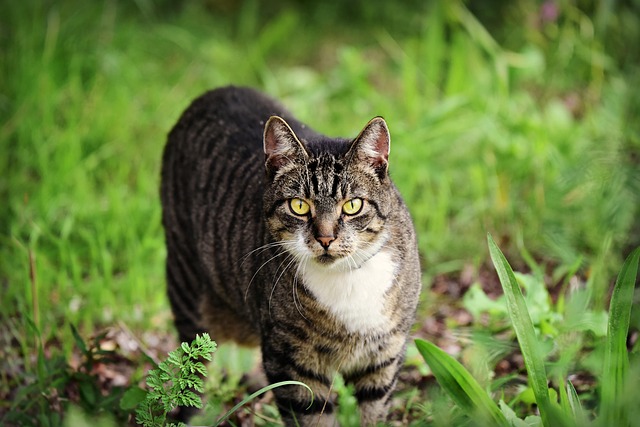
The mackerel tabby pattern is defined by narrow, vertical stripes running along the cat’s body, somewhat like fish bones, which is where the name comes from. I often point it out during grooming sessions because owners usually miss the subtle structure until I separate the fur with a comb. It’s different from the blotched or classic tabby pattern, which resembles swirling marble. In my experience, the stripes can be bold or faint depending on the lighting and coat length.
Most clients are surprised when I tell them that mackerel tabby is not tied to a single breed. I’ve seen it on street rescues, pedigree cats, and mixed breeds that come in for routine grooming. One afternoon last spring, I was working on a young domestic short-haired with very crisp striping, and the owner was convinced it had Egyptian ancestry. I had to explain that patterns travel far more freely than breeds do.
The genetic side of it is simple but fascinating. The tabby gene determines pattern, not breed identity, which is why I see the same stripes across completely different body types and temperaments. Some cats look almost painted, while others have broken stripes that fade into spots along the flanks. It always reminds me that cats’ appearances are more flexible than people expect. The pattern doesn’t predict personality either, which I’ve learned the hard way after many incorrect guesses.
Breeds where I commonly see mackerel tabby
In my grooming route, I regularly encounter several breeds that often carry the mackerel tabby pattern, even though it’s not exclusive to them. Domestic short hairs are the most common, followed by a mix of semi-pedigree cats whose lineage is not always documented. I also see it frequently in British Shorthairs, American Shorthairs, and even some Maine Coons with lighter striping. A few owners assume the pattern defines rarity, but in reality, it’s one of the most widespread coat types I handle on a weekly basis. When clients want to read more about general cat coat care and pattern distinctions, I sometimes point them toward a trusted cat care resource that breaks down grooming needs and coat genetics in simple terms.
One case I still remember involved a British Shorthair that arrived for a de-shedding session. The owner insisted the stripes made the cat unusual, but once I parted the dense fur, the mackerel pattern was very clear underneath. I explained that dense coats can hide or exaggerate markings depending on season and grooming frequency. The cat itself was calm, almost indifferent, which is something I’ve noticed in many short-haired breeds with this pattern. Not every striped cat behaves the same way.
Maine Coons with mackerel striping are a different experience altogether. Their long coats make the pattern appear fragmented, as if shadows were moving through the fur as they walk. I’ve had to be extra patient during grooming sessions because mats can completely hide the striping. Still, once the coat is maintained, the pattern becomes striking in motion. Each breed expresses itself differently, and that keeps my work from feeling repetitive.
Behavior traits I’ve observed over time
Working directly with cats in their homes has given me a practical sense of behavior patterns, even though I never assume coat pattern dictates personality. Mackerel tabbies show up in every temperament category I’ve seen, from highly social lap cats to extremely independent roamers. One quiet afternoon appointment involved a striped rescue cat that refused eye contact but tolerated brushing for nearly an hour without protest. That kind of variation is normal in my experience.
I’ve also noticed that owners often project personality expectations onto the pattern itself. They expect confidence, energy, or friendliness just because of the stripes, but reality rarely lives up to that expectation. A small sentence I often repeat: cats do not read their coat patterns. It sounds obvious, but it helps reset expectations during consultations. I’ve seen shy tabbies and bold ones in equal measure.
There was a household I visited several times where two mackerel tabbies lived together. One was outgoing and followed me from room to room, while the other stayed hidden under furniture the entire time. Same pattern, completely different behavior. Those kinds of comparisons make it easier for owners to understand why breed and personality are not tied in a predictable way. It also helps reduce frustration during training or grooming routines.
Grooming notes and coat maintenance realities
From a grooming perspective, mackerel tabby cats don’t require special care because of their pattern, but coat type and length matter a lot. Short-haired tabbies are usually straightforward, needing weekly brushing to control shedding and reduce hairballs. Long-haired versions, especially mixed breeds, can require more frequent attention depending on how quickly mats form. I’ve seen seasonal shedding completely change how visible the stripes appear.
One of the most common issues I deal with is owners underestimating shedding because the coat looks smooth. The striping can distract from the undercoat’s density, which becomes a problem during warmer months. I usually recommend a consistent brushing routine rather than intensive occasional grooming. It makes sessions easier for the cat and less stressful for everyone involved. A calm environment always improves results.
Health-wise, there’s nothing specific tied to the mackerel pattern itself, but general coat health often reflects diet and environment. Cats with dull or uneven striping sometimes have underlying nutritional gaps or seasonal stress responses. I’ve learned to read coat condition as a broader signal rather than focusing only on appearance. That perspective has helped me guide owners toward better long-term care habits.
Some cats adapt quickly to grooming tools, while others take weeks to tolerate even light brushing. I usually start slow, especially with rescues or newly adopted pets. A soft brush, a quiet room, and short sessions tend to work better than forcing a full grooming routine in one go. Over time, even nervous cats adjust, and the coat pattern becomes easier to maintain and appreciate.
In the end, mackerel tabby cats are less about rarity and more about variation that runs through almost every domestic cat population I’ve worked with. The stripes are visually striking, but the real story always comes from the individual cat behind them.