Munchkin Exotic Shorthair: Living with a Low-Slung, Round-Faced Companion
I work as a mobile cat groomer and spend most of my week moving between apartments, small houses, and the occasional boutique pet studio. Over the years, I’ve handled a wide mix of breeds, but the Munchkin Exotic Shorthair always stands out for its unusual blend of short legs and plush, flattened face. I first started seeing them more regularly when a few breeders in my area began offering crosslines that leaned into both traits.
They are not common in every household, but when I do meet one, I immediately remember how different their body structure feels compared to that of a standard shorthair.
First impressions from grooming sessions
When I first groomed a Munchkin Exotic Shorthair for a customer last spring, I had to adjust my entire handling approach. Their short legs change how they balance on a table, and they tend to sit more than stand during grooming. The coat texture reminds me of a dense plush toy, which makes brushing both satisfying and slightly time-consuming. I usually block out at least forty-five minutes for a full session, even if the cat is cooperative.
I often refer new owners to basic breed information resources, especially when they are surprised by the care routine these cats need. One client found it helpful to read the exotic cat breeder resource before committing to regular grooming schedules, which made our sessions smoother afterward. These cats are calm-tempered, but they still require consistent coat maintenance to prevent matting around the neck and chest. I’ve noticed that owners who understand this early tend to enjoy the experience more and stress less about upkeep.
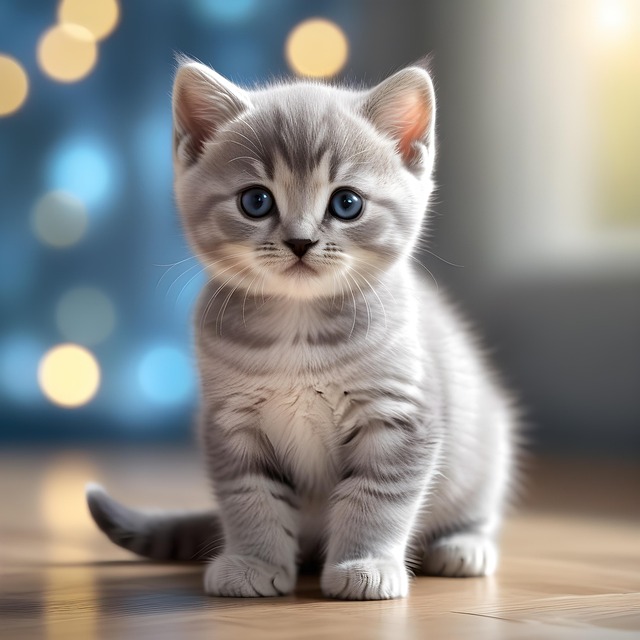
Physically, the Munchkin Exotic Shorthair carries a heavy, rounded head typical of Exotic Shorthairs, paired with the shortened limb structure of Munchkin lines. That combination creates a slow, deliberate movement style that I find oddly calming to watch. They don’t rush around much, even in new environments, which makes handling during grooming less chaotic than with more athletic breeds. Still, I always keep a soft towel nearby in case they decide to shift unexpectedly.
Health patterns I’ve observed over time
Over several years of working with mixed-breed cats in this category, I’ve noticed that joint comfort and breathing are two areas owners often underestimate. The flattened face inherited from the Exotic Shorthair lineage can sometimes make breathing louder, especially during warm weather or stress. I always advise keeping grooming sessions in a cool room, because heat tends to amplify discomfort more than people expect. Even small adjustments like that can improve how the cat behaves during care.
The joint structure is another area that needs attention, particularly because short legs can change how weight is distributed across the body. I’ve seen some cats develop stiffness as they age, especially if they jump frequently from higher furniture. It doesn’t mean they are fragile, but it does mean owners should be mindful about the environment setup. Low platforms and stable steps make a noticeable difference in long-term comfort.
Nutrition also plays a quiet role in their overall condition. I’ve worked with a few households that switched to more controlled feeding routines after noticing weight gain in their cats. Even a small increase in weight can affect mobility more quickly in this breed mix compared to longer-limbed cats. That is something I remind owners during follow-up visits, especially when I see subtle changes in posture.
Living with their personality and daily rhythm
One thing I appreciate about the Munchkin Exotic Shorthair is how predictable their temperament becomes once they settle into a home. They are not high-energy cats, and most prefer routine over constant stimulation. I’ve groomed some that simply sit beside their owners for hours, watching everything quietly without feeling the need to explore every corner of a room. That calm presence makes them popular with people who prefer low-maintenance companionship.
They still have playful moments, but it usually comes in short bursts rather than long activity sessions. I’ve seen them chase soft toys for a few minutes, then return to their resting positions as if they’d completed a task. This rhythm can feel almost meditative for owners who spend long hours at home or work remotely. The key is not forcing activity but letting it happen naturally.
Social behavior varies slightly depending on early handling, but most Munchkin Exotic Shorthairs I’ve worked with are comfortable around visitors once they recognize familiar scents. They don’t typically rush to greet strangers, yet they also don’t hide for long periods. That balanced reaction makes them easier to integrate into households with moderate activity levels, including families with older children.
Grooming routine and long-term care experience
From a grooming standpoint, I always treat their coat as high-density rather than high-shedding. The texture can trap loose hairs underneath the top layer, which is why regular brushing matters more than occasional deep grooming. I usually recommend at least three brushing sessions per week for owners who want to avoid matting buildup. It also helps distribute natural oils across the coat more evenly.
I don’t often suggest bathing unless necessary, because their coat can hold moisture longer than expected. When I do bathe one in a controlled grooming setting, I make sure to dry slowly and thoroughly to avoid skin irritation. The facial structure also requires extra attention around the eyes, since tear staining can appear more easily in the Exotic Shorthair lineage.
Over time, I’ve learned that consistency matters more than intensity with this breed mix. Short, regular care sessions work better than long, stressful grooming days. I’ve seen owners build strong bonds simply through these small routines, especially when the cat begins to recognize grooming as part of daily life rather than an interruption. That familiarity makes long-term care easier for both sides.
I still find the Munchkin Exotic Shorthair one of the more visually distinctive cats I work with, but what stays with me most is their steady temperament. They don’t demand attention in loud ways, yet they remain present in a room like a quiet fixture that slowly becomes part of the household rhythm. Working with them has changed how I think about structure, movement, and comfort in domestic cats, especially when different genetic traits come together in one body.