Albino Cats and White Cats Through My Clinic Lens
I work as a veterinary technician running a small cat care clinic and mobile checkups around Faisalabad. Over the years, I’ve seen many pet owners confuse albino cats with white cats, often assuming they are the same thing. That confusion often leads to misperceptions about health, behavior, and care needs. I learned to separate the two early in my practice after handling dozens of cases side by side.
What I Notice in Their Appearance
When I first examine a cat, coat color is usually the first clue owners mention, but I rarely rely on it alone. White cats can have strong pigmentation in their skin and eyes, while albino cats show almost no melanin at all, which changes everything from eye color to skin sensitivity. I still remember a customer last spring who insisted her pale kitten was albino, but the eye pigment told a different story immediately. The eyes often become the clearest indicator in real clinical checks.
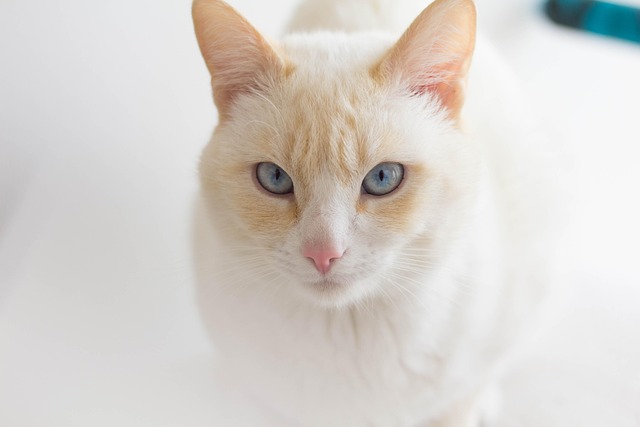
Albino cats usually have light blue, pinkish, or even red-tinged eyes because light reflects differently in the absence of pigment. White cats, on the other hand, often have green, blue, or mixed eye colors depending on their genetics. I sometimes tell new pet owners a simple line that sticks with them: no pigment, no camouflage. That line helps them understand why albino cats respond differently to sunlight.
White cats can come from many breeds and mixed backgrounds, so their coat is just a surface trait rather than a full genetic condition. Albino cats are different because albinism affects the entire pigment system in their body, not just fur color. I once examined two kittens from the same litter, one white and one albino, and the contrast was far more obvious under clinic lighting. The difference becomes even clearer with experience.
Genetics and What It Means in Care
Genetics plays a bigger role here than most owners expect, and I’ve had to explain this more times than I can count during home visits. White cats usually carry genes that suppress coat color but still allow normal pigmentation in skin and eyes, while albino cats have a mutation that blocks melanin production entirely. During one routine check, I used a simple comparison tool from albino cat vs white cat to show a client how pigmentation pathways differ in real examples. That visual explanation helped her understand why her two cats needed different levels of sun protection. I find that most confusion clears up once genetics is explained simply.
Albino cats tend to need more controlled environments because their lack of pigment makes them more sensitive to bright light and sun exposure. White cats do not usually face the same level of risk unless they have other health conditions. I once worked on a rescue case where an albino kitten developed mild eye irritation from simply sitting near a sunlit window for long hours. Small environmental changes made a noticeable difference within days.
One thing I always emphasize is that albinism is not a breed trait; it is a genetic condition that can appear in different cat populations. White coat color, however, is more common and appears across many breeds, such as the Turkish Angora and domestic shorthairs. A few years ago, I handled about a dozen shelter cats in a single month, and only one of them showed true albino traits. That ratio alone showed me how rare true albinism actually is in local rescues.
Behavior, Sensitivity, and Common Misconceptions
People often assume albino cats behave differently because of their appearance, but my experience does not support that idea. Behavior is mostly shaped by environment, handling, and early socialization rather than pigment differences. I’ve handled calm albino cats and highly energetic white cats in the same week, sometimes even in the same household. The personality gap is usually imagined rather than real.
What differs slightly is sensory sensitivity in some albino cats, especially regarding light and, sometimes, vision clarity. White cats can also have hearing issues, particularly those with blue eyes, but that is a separate genetic link not tied to albinism itself. I once visited a home where a white cat responded perfectly to sound cues while its albino companion relied more on movement recognition indoors. The contrast helped the owner adjust their interactions with each pet.
Care routines also change slightly depending on sensitivity levels, and I often advise owners to reduce harsh lighting in areas where albino cats spend most of their time. I usually suggest soft indoor lighting, shaded resting spots, and limited direct sun exposure during peak hours. One summer season, I tracked the recovery progress of several light-sensitive cats and noticed consistent improvement when environmental brightness was reduced. Simple adjustments often matter more than medical intervention.
Choosing Between Them in Real Life
Adoption decisions usually come down to lifestyle rather than color differences, even though many people initially focus on appearance. I’ve seen families choose a white kitten thinking it will behave a certain way, only to realize personality is shaped by early interaction, not coat color. Albino cats require slightly more attention to environmental factors, but they are not as fragile as many assume. I often remind people that daily care matters more than genetic labels.
In my clinic, I’ve cared for both indoor-only white cats and albino cats living comfortably in controlled environments with proper lighting and diet routines. The key is consistency rather than special treatment. I once advised a new pet owner who had just adopted a pale kitten that small changes, like shaded resting areas and regular vet checks, would be enough to keep things stable. That approach worked better than any strict restrictions.
Albino cats can live long, healthy lives with proper attention, and white cats generally do not require any special conditions beyond standard care. The biggest misunderstanding I still encounter is people thinking albinism equals illness, which is not accurate. I’ve seen albino cats grow into calm, well-adjusted adults with the same lifespan range as other domestic cats. It usually comes down to how well the owner understands their specific needs.
After years of handling both types in real clinical settings, I’ve learned that labels matter less than observation. Each cat tells its own story once you spend enough time with it. I still find new owners surprised when I explain that two visually similar cats can have completely different biological backgrounds. That realization usually changes how they care for them moving forward.