Why Dogs Lean on You
May
Why Dogs Lean on You and What I’ve Learned From It

I run a small in-home dog boarding business outside a mid-sized college town, and I spend most of my week around dogs that barely know me when they walk through the door. One thing I notice almost every day is how many dogs lean against people without warning. Some press their whole side into your leg while you are standing in the kitchen, and others slowly settle their weight into your feet while you sit on the couch. After years of watching different breeds, ages, and temperaments do it, I no longer see it as random behavior.

Most Dogs Lean Because They Feel Safe

The majority of the time, a dog leaning on you is a sign of comfort and trust. I see it constantly with nervous rescue dogs during their second or third stay at my place. They start out pacing around the room, then a day later, they quietly press into my knee while I make coffee or answer messages. That small shift usually tells me more than a wagging tail.

Physical contact matters to dogs in ways many owners underestimate. Some breeds were developed to work closely with humans for generations, and they naturally seek physical contact during quiet moments. A ninety-pound Labrador leaning into your leg can feel almost like a person resting against your shoulder on a crowded train. Small dogs do it too. They just do less damage to your balance.

I had an older Boxer stay with me last winter that leaned every single time someone stopped petting him. The second your hand left his back, he would drift sideways until his full weight touched you again. He was not demanding attention aggressively. He simply relaxed more when he felt contact.

There is a difference between leaning and climbing. Leaning tends to be calmer and slower, especially in relaxed dogs that already feel secure in the room. Fast jumping and pawing usually mean excitement or frustration instead.

Sometimes Leaning Is a Way to Ask for Reassurance

Dogs also lean during uncertain situations, and I pay close attention to that version of the behavior because the body language around it changes. The dog may hold its ears back, avoid eye contact, or stay unusually stiff while pressing into your leg. Thunderstorms bring this out in many dogs. So do unfamiliar visitors.

A trainer I know recommended a short behavior article from the American Kennel Club to one of my boarding clients after their shepherd mix started leaning hard during busy family gatherings. The owner originally thought the dog was being pushy, but the dog was actually overwhelmed by noise and movement. Once they gave him a quieter room and shorter introductions, the leaning eased up.

I have noticed this especially in dogs that came from chaotic homes or shelters. Some of them use physical pressure, almost like an anchor. One mixed breed I cared for last spring would stand against my shin whenever delivery drivers knocked on the door. He never barked or growled. He just wanted reassurance that nothing bad was about to happen.

Not every owner reads the signal correctly. A few assume the dog is trying to dominate them, but I rarely see evidence of that in normal household settings. Most leaning dogs are searching for stability, not control. Context matters more than old dominance theories that still float around online.

Why Dogs Lean on You

Breed and Size Change the Meaning a Little

Large breeds tend to lean more obviously because they can. Great Danes, Mastiffs, and many retrievers use their body weight socially in ways smaller dogs cannot. I boarded two Rottweilers for a couple of weeks a while back, and both would casually pin my legs to the ground while I washed their food bowls. They looked intimidating to strangers, but the behavior itself was gentle and relaxed.

Herding breeds sometimes lean differently. Australian Shepherds and Border Collies often stay alert while touching you, almost as if they are checking in without fully shutting off their surroundings. Those dogs usually move away quickly if they hear something outside. A laid-back bulldog may lean and stay planted for twenty straight minutes.

Age plays a role, too. Senior dogs lean more often because balance becomes harder over time. I once watched an aging Golden Retriever carefully brace himself against a cabinet after getting up from a nap. He leaned against me a few minutes later in nearly the same way. That was less emotional bonding and more physical support.

Watch their movement. Healthy leaning usually looks loose and natural. If a dog suddenly starts leaning while walking, walks awkwardly, refuses to go up stairs, or struggles to stand, I would pay attention to possible pain or weakness rather than assume it is affection.

What I Usually Tell Owners to Do

I generally tell people not to overreact to leaning unless the dog is knocking people over or showing anxious behavior alongside it. Calm contact is normal for many dogs. Pushing them away every single time can confuse sensitive dogs that use touch as reassurance.

That said, boundaries still matter in busy homes. I worked with a couple whose young Cane Corso leaned into guests so hard that drinks spilled more than once during family dinners. We started rewarding the dog for sitting beside people instead of pressing into them, and the problem improved within a few weeks. Big dogs need manners even when their intentions are friendly.

One thing I recommend is watching the whole body instead of focusing on the lean itself. A relaxed mouth, soft eyes, and slow breathing usually point toward affection or comfort. Tension around the face or constant scanning of the room tells a different story. Those details matter far more than the single behavior.

Dogs are observant. They notice how each person responds to physical closeness, and they adapt quickly. Some dogs lean harder into calm people because those people stay still and predictable. Others avoid contact with anyone who reacts sharply or pushes them off every time.

I still think about a shy hound mix that boarded with me for nearly a month while his owner recovered from surgery. For the first week, he stayed on the far side of every room. Near the end of his stay, he leaned quietly against my calf while I filled water bowls one evening. That tiny moment said more about his comfort level than anything else he did the entire month.
Can Dogs Eat Clove Spice
May
Can Dogs Eat Clove Spice Safely Around the House?

I run a small dog boarding and grooming setup outside the city, and I spend a surprising amount of time answering questions about kitchen ingredients.

Clove spice is more common during colder months because people bake with it, simmer it in tea, or use it in homemade air fresheners. I have seen dogs steal cookies off counters and chew through spice packets left in grocery bags. Most owners assume a tiny amount is harmless because cloves are natural, but dogs react differently than people do.

Why Cloves Can Be Risky for Dogs

Cloves contain a compound called eugenol, and that is where most of the concern starts. In small accidental amounts, many dogs will only experience an upset stomach or some drooling. Larger amounts can irritate the digestive tract and may stress the liver, especially in smaller breeds that weigh under 20 pounds. I learned this the hard way after a customer’s dachshund got into a container of holiday spice mix and spent the night vomiting.

Ground cloves are usually more dangerous than people think because they spread easily through food. Dogs do not process certain concentrated plant oils well, and cloves are among them. Even clove essential oil can pose a problem through skin contact or inhalation if used in excess indoors. I have walked into homes where the smell was so strong it stung my eyes. Dogs notice it even faster.

Some dogs are more sensitive than others. Older dogs, puppies, and dogs with liver conditions tend to react more strongly to strong spices. A healthy Labrador might only deal with loose stool after licking a muffin batter bowl, while a smaller terrier could become lethargic within hours from the same exposure. That difference catches many owners off guard.

Small Amounts Versus Dangerous Amounts

I do not panic over a dog licking a crumb from a gingerbread cookie, especially if the dog weighs 60 or 70 pounds. The trouble usually starts when cloves are concentrated in oils, raw spice blends, or homemade remedies people read about online. A lot of internet advice treats herbs and spices like harmless pantry items, but dogs are smaller and absorb compounds differently. One teaspoon of concentrated clove powder can hit a ten-pound dog much harder than most people expect.

Last winter, one of my regular boarding clients asked me about homemade flea sprays containing clove oil. I told her to skip the experiment and speak with a vet before spraying anything near bedding or food bowls. For people trying to compare safe ingredients and pet-friendly products, I have occasionally pointed them toward ” Can Dogs Eat Cloves ” because it explains the risks in plain language without trying to sell miracle treatments. A lot of confusion starts when owners mix natural remedies with social media advice.

Dry baked goods are another gray area. A dog eating half a plain oatmeal cookie with a trace of clove is different from a dog eating heavily spiced holiday bread packed with nutmeg, cinnamon, and cloves all at once. Spices tend to stack problems together. Nutmeg especially worries me more than cloves because it can affect the nervous system at higher doses.

Symptoms usually appear within a few hours. Vomiting is common. Some dogs pace, drool, or refuse food. I once watched a bulldog spend half a day licking water but refusing treats after stealing spiced ham scraps from a trash bag. He recovered after veterinary care, though the bill was not cheap.

Can Dogs Eat Clove Spice

Clove Oil Around Dogs Needs Extra Care

Clove essential oil deserves separate attention because it is far stronger than the spice sitting in a kitchen cabinet. A few drops can contain more concentrated compounds than an entire jar of ground cloves. I avoid using it anywhere near boarding dogs. Strong oils linger in carpets, blankets, and furniture much longer than people realize.

Diffusers create problems, too. Many owners think a diffuser is gentle because the scent feels light to them. Dogs spend most of their time much closer to the floor, breathing in concentrated particles from enclosed rooms. I have seen coughing, watery eyes, and agitation after people ran spice-based oils for hours during cold weather.

Cats react even worse. That matters in mixed-pet homes because dogs often share the same rooms and fabrics. A family I worked with last spring had both a beagle and two indoor cats, and the house smelled heavily of clove and cinnamon oil every evening. Their pets stopped spending time in the living room altogether. The owners thought the animals were acting stubborn. They were probably avoiding irritation.

If someone insists on using clove oil at home, I usually recommend keeping pets out of the room completely and using only a tiny amount for a short period. Even then, I would rather use something safer. Fresh air works better anyway.

What I Tell Owners After a Dog Eats Cloves

The first thing I ask is how much the dog ate and in what form. A crumb from a cookie is different from chewing through a spice jar or licking concentrated oil. Size matters too. A 90-pound shepherd has a bigger margin for error than a toy poodle.

Do not force vomiting without veterinary advice. That mistake causes extra trouble more often than people think. I saw one owner try hydrogen peroxide after her dog ate potpourri containing cloves, and the irritation from the peroxide became almost as bad as the original issue. The dog ended up dehydrated for two days.

I usually tell people to watch for a few specific signs:

Vomiting that continues more than once or twice. Severe drooling. Weakness or wobbling while walking. Refusing water for several hours. Breathing that seems strained or unusually fast.

Those signs deserve a call to the vet immediately. Sometimes the safest move is simply to monitor the dog overnight with access to water and bland food, but owners should not guess whether the exposure was significant. I would rather someone make an unnecessary phone call than wait too long while a dog gets worse.

Kitchen Habits That Prevent Most Problems

The majority of spice accidents happen because dogs are opportunistic. They grab dropped food, chew open grocery bags, or nose through trash after dinner. I changed how I store spices years ago after one boarding dog learned how to pull cabinet handles with his teeth. Smart dog. Expensive lesson.

I keep spice jars in upper cabinets now, and trash goes out the same night after baking or holiday meals. Potpourri bowls also stay off low tables because many contain cloves, nutmeg, citrus oils, and dried fruits all mixed together. Dogs think those bowls smell edible. Sometimes they are partly right.

Guests create another issue. During gatherings, someone always wants to hand a dog a bite of pie or ham without checking the ingredients first. I remind clients that rich holiday foods already stress a dog’s stomach before spices even come into play. Pancreatitis from fatty leftovers sends many dogs to emergency clinics every winter.

Most dogs will probably survive a tiny accidental taste of clove spice without lasting harm. That does not make it a good ingredient for treats, supplements, or homemade remedies. I keep things simple around dogs now. Plain food causes fewer late-night problems.

Mackerel Tabby Cat Patterns
May
Mackerel Tabby Cat Patterns and the Breeds I Keep Meeting in the Field

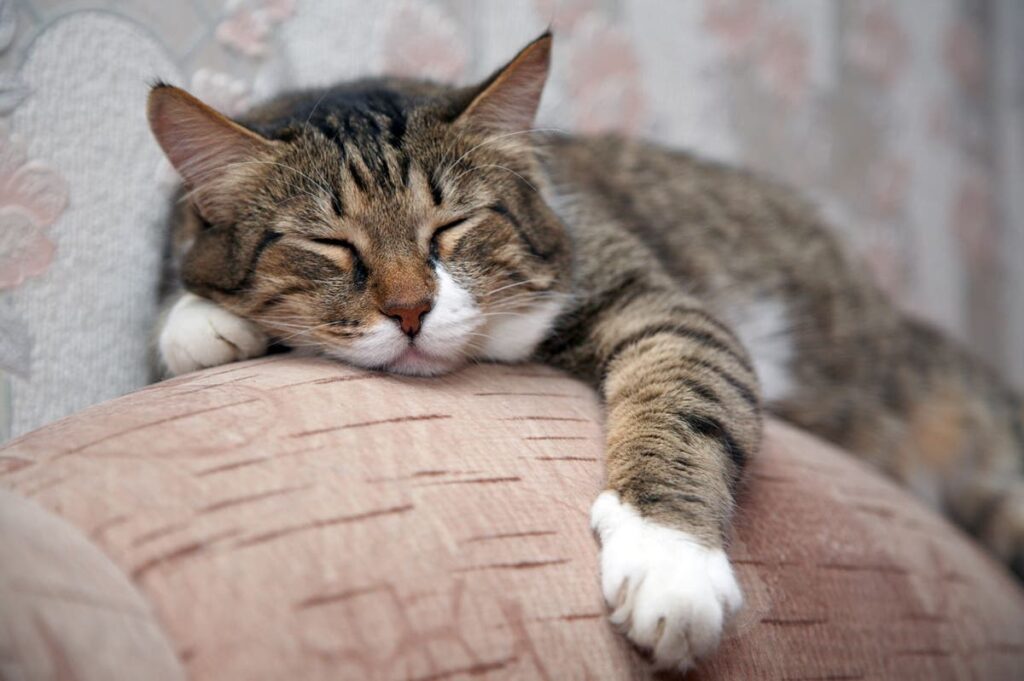
As a mobile cat groomer working across residential neighborhoods, I spend a surprising amount of time explaining coat patterns to owners while I’m brushing out mats or trimming nails. The mackerel tabby pattern is one I get asked about almost weekly, especially by people who think they’ve discovered a rare breed. I’ve worked with hundreds of cats over the years, and this pattern shows up far more often than most people realize. It’s not a breed itself, but it changes how many cats are perceived. That misunderstanding is where most of my conversations usually start.

What mackerel tabby actually looks like

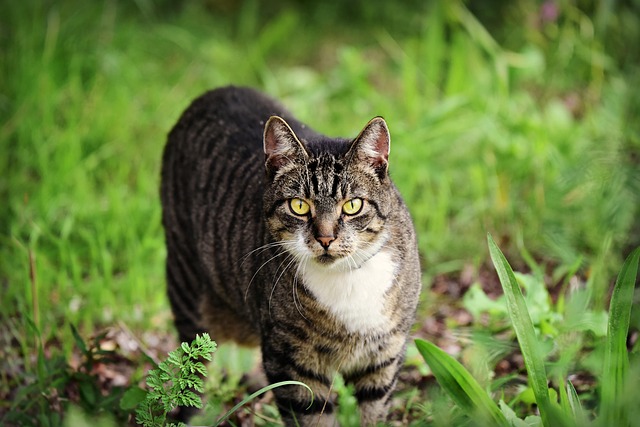
The mackerel tabby pattern is defined by narrow, vertical stripes running along the cat’s body, somewhat like fish bones, which is where the name comes from. I often point it out during grooming sessions because owners usually miss the subtle structure until I separate the fur with a comb. It’s different from the blotched or classic tabby pattern, which resembles swirling marble. In my experience, the stripes can be bold or faint depending on the lighting and coat length.

Most clients are surprised when I tell them that mackerel tabby is not tied to a single breed. I’ve seen it on street rescues, pedigree cats, and mixed breeds that come in for routine grooming. One afternoon last spring, I was working on a young domestic short-haired with very crisp striping, and the owner was convinced it had Egyptian ancestry. I had to explain that patterns travel far more freely than breeds do.

The genetic side of it is simple but fascinating. The tabby gene determines pattern, not breed identity, which is why I see the same stripes across completely different body types and temperaments. Some cats look almost painted, while others have broken stripes that fade into spots along the flanks. It always reminds me that cats’ appearances are more flexible than people expect. The pattern doesn’t predict personality either, which I’ve learned the hard way after many incorrect guesses.

Breeds where I commonly see mackerel tabby

In my grooming route, I regularly encounter several breeds that often carry the mackerel tabby pattern, even though it’s not exclusive to them. Domestic short hairs are the most common, followed by a mix of semi-pedigree cats whose lineage is not always documented. I also see it frequently in British Shorthairs, American Shorthairs, and even some Maine Coons with lighter striping. A few owners assume the pattern defines rarity, but in reality, it’s one of the most widespread coat types I handle on a weekly basis. When clients want to read more about general cat coat care and pattern distinctions, I sometimes point them toward a trusted cat care resource that breaks down grooming needs and coat genetics in simple terms.

One case I still remember involved a British Shorthair that arrived for a de-shedding session. The owner insisted the stripes made the cat unusual, but once I parted the dense fur, the mackerel pattern was very clear underneath. I explained that dense coats can hide or exaggerate markings depending on season and grooming frequency. The cat itself was calm, almost indifferent, which is something I’ve noticed in many short-haired breeds with this pattern. Not every striped cat behaves the same way.

Maine Coons with mackerel striping are a different experience altogether. Their long coats make the pattern appear fragmented, as if shadows were moving through the fur as they walk. I’ve had to be extra patient during grooming sessions because mats can completely hide the striping. Still, once the coat is maintained, the pattern becomes striking in motion. Each breed expresses itself differently, and that keeps my work from feeling repetitive.

Mackerel Tabby Cat Patterns

Behavior traits I’ve observed over time

Working directly with cats in their homes has given me a practical sense of behavior patterns, even though I never assume coat pattern dictates personality. Mackerel tabbies show up in every temperament category I’ve seen, from highly social lap cats to extremely independent roamers. One quiet afternoon appointment involved a striped rescue cat that refused eye contact but tolerated brushing for nearly an hour without protest. That kind of variation is normal in my experience.

I’ve also noticed that owners often project personality expectations onto the pattern itself. They expect confidence, energy, or friendliness just because of the stripes, but reality rarely lives up to that expectation. A small sentence I often repeat: cats do not read their coat patterns. It sounds obvious, but it helps reset expectations during consultations. I’ve seen shy tabbies and bold ones in equal measure.

There was a household I visited several times where two mackerel tabbies lived together. One was outgoing and followed me from room to room, while the other stayed hidden under furniture the entire time. Same pattern, completely different behavior. Those kinds of comparisons make it easier for owners to understand why breed and personality are not tied in a predictable way. It also helps reduce frustration during training or grooming routines.

Grooming notes and coat maintenance realities

From a grooming perspective, mackerel tabby cats don’t require special care because of their pattern, but coat type and length matter a lot. Short-haired tabbies are usually straightforward, needing weekly brushing to control shedding and reduce hairballs. Long-haired versions, especially mixed breeds, can require more frequent attention depending on how quickly mats form. I’ve seen seasonal shedding completely change how visible the stripes appear.

One of the most common issues I deal with is owners underestimating shedding because the coat looks smooth. The striping can distract from the undercoat’s density, which becomes a problem during warmer months. I usually recommend a consistent brushing routine rather than intensive occasional grooming. It makes sessions easier for the cat and less stressful for everyone involved. A calm environment always improves results.

Health-wise, there’s nothing specific tied to the mackerel pattern itself, but general coat health often reflects diet and environment. Cats with dull or uneven striping sometimes have underlying nutritional gaps or seasonal stress responses. I’ve learned to read coat condition as a broader signal rather than focusing only on appearance. That perspective has helped me guide owners toward better long-term care habits.

Some cats adapt quickly to grooming tools, while others take weeks to tolerate even light brushing. I usually start slow, especially with rescues or newly adopted pets. A soft brush, a quiet room, and short sessions tend to work better than forcing a full grooming routine in one go. Over time, even nervous cats adjust, and the coat pattern becomes easier to maintain and appreciate.

In the end, mackerel tabby cats are less about rarity and more about variation that runs through almost every domestic cat population I’ve worked with. The stripes are visually striking, but the real story always comes from the individual cat behind them.

Cat That Sticks Like Tape
May
The Cat That Sticks Like Tape Around My Life

I’ve spent the last eight years working with cats in multi-pet households as a feline behavior consultant based in Lahore. People often call me when a cat becomes unusually clingy, following them from room to room as if physically attached. The term I hear most often from owners is “velcro cat,” and I’ve come to use it myself in everyday work. It describes those cats that refuse to give you even a few seconds of personal space.

What I Notice in Velcro Cats

In my work, I started noticing patterns among cats that behave as if they are glued to their humans. These cats don’t just enjoy company; they actively panic when left alone in another room for even a short time. A client last spring had a young tabby that would sit on her laptop keyboard during every work call, blocking her screen completely. That behavior wasn’t random affection; it was a learned attachment loop that kept reinforcing itself daily.

Most velcro cats I’ve worked with tend to form these habits after changes in their environment or routine. One household I visited had recently shifted from a quiet home to a busy shared apartment, and the cat began shadowing the owner constantly within a week. In that case, I suggested structured alone-time training supported by calming enrichment tools, and the owner also checked resources from Velcro Cat to better understand feline anxiety behaviors. The cat didn’t change overnight, but within a few weeks, it started tolerating short separations without following every step.

What surprises people most is how subtle it begins. It is not always dramatic meowing or door-scratching in the early stages. Sometimes it is just a cat sitting slightly closer than usual, then gradually shifting to full physical contact whenever the owner stops moving. I often tell people this pattern builds quietly over time until it becomes the cat’s default emotional state.

Why Some Cats Become Velcro Cats

From my experience, there isn’t one single cause behind velcro behavior. Some cats are naturally more social, especially breeds like Siamese or Burmese, but environment plays a much bigger role than most owners expect. I once worked with a rescue cat that had been moved between three homes in under a year, and it developed intense attachment behavior to feel safe. It would follow its owner even into the bathroom, waiting outside the door, unmoving.

In other cases, humans unintentionally reinforce the behavior without realizing it. Every time a cat meows and receives immediate attention, it learns that sticking close brings results. I’ve seen households where owners reward clinginess simply because it feels affectionate in the moment, even if it becomes exhausting later. Over time, the cat stops distinguishing between a healthy presence and constant dependency.

Stress also plays a quiet but powerful role. A cat that feels uncertain about its surroundings will often choose proximity over exploration. I’ve noticed this especially in homes with frequent visitors or unpredictable noise levels, where the cat uses the owner as a stability anchor. It is not always about love in the way people assume; sometimes it is about control and reassurance.

Cat That Sticks Like Tape

Living With a Velcro Cat Day to Day

Sharing space with a velcro cat can feel both comforting and overwhelming, depending on the moment. I’ve had clients tell me they miss having a glass of water without a paw dipping into it. One man I worked with joked that his cat had officially become his unpaid assistant, always positioned between him and any task he tried to complete. That kind of constant presence can slowly shift how a household functions.

Over time, I learned that small structure changes matter more than dramatic interventions. Giving the cat predictable “safe alone zones” in the house helps reduce anxiety-driven following behavior. I often suggest short, consistent separation routines instead of long, unpredictable absences, because cats respond better to patterns they can anticipate. Even fifteen minutes of calm separation twice a day can slowly reshape their expectations.

Some owners struggle emotionally with this process because the cat’s behavior feels like rejection, even though it is an adjustment. I remind them that reducing velcro behavior does not reduce affection. In fact, many cats become more balanced and confident once they are no longer dependent on constant human contact. That shift usually shows up first in how they choose to rest alone without immediately searching for their owner.

Training Boundaries Without Breaking Trust

When I work directly with velcro cats, I avoid any approach that creates fear or confusion. These cats are usually already sensitive to change, so harsh corrections tend to make things worse. Instead, I focus on redirecting attention through predictable routines and rewarding independent behavior in small steps. One client saw progress when her cat was rewarded simply for sitting calmly in a different room for a few minutes.

Consistency matters more than intensity in these cases. I’ve seen households try dramatic fixes like ignoring the cat completely for hours, only to end up with increased stress behavior. A better approach is gradual distance training where the owner stays visible but not directly engaged. This helps the cat learn that proximity is not the only source of stability in the environment.

There are also practical tools that support this process, such as feeding puzzles and structured play sessions. I often use short, hunting-style play routines that end with a small reward, then let the cat disengage naturally. This teaches the cat that satisfaction doesn’t always require physical contact with the owner, thereby gradually reducing the need for constant shadowing.

I still remember one older cat I worked with that used to sleep on its owner’s chest every night without exception. After a few months of structured independence training, it began sleeping at the foot of the bed instead. That might sound like a small change, but for the owner, it meant finally being able to sleep comfortably again without feeling pinned in place.

Velcro cats are not a mistake or a behavioral flaw. They are usually a response to the environment, routine, and emotional reinforcement layered over time. Once you start reading their patterns rather than just reacting to their clinginess, the relationship becomes easier to manage without losing the bond that makes them special in the first place.

Can Cats Eat Sesame Seeds
May
Can Cats Eat Sesame Seeds Without Trouble

I work as a veterinary technician in a busy small-animal clinic, where I see curious pet owners bring in all kinds of food-related questions. One that comes up more often than people expect is whether cats can safely eat sesame seeds. The question usually follows after a cat steals something from a burger bun or licks tahini off a plate. Over the years, I’ve learned that small dietary curiosities like this matter more than most owners realize.

Why cats might reach for sesame seeds

Cats don’t naturally seek out seeds in the wild, but they are curious hunters with strong noses. I’ve watched clinic cats sniff bakery bags and immediately show interest in anything oily or aromatic. Sesame seeds usually appear in their environment through human food rather than intentional feeding. That alone is part of the problem, since cats can’t distinguish safe treats from accidental scraps.

From what I’ve observed, sesame seeds don’t attract cats because of nutrition but because of smell and texture. A cat that licks a bun might be reacting to butter, meat juices, or toppings mixed with the seeds. In my experience, the seeds themselves are rarely the target, just part of the package. Still, ingestion does happen often enough that I get asked about it weekly.

I’ve had cases where owners brought in cats after they ate bits of street food or leftover sandwiches. In most of those situations, sesame seeds were only a small part of the intake, but they raised concern because owners noticed them first. The real issue usually lies in what else was consumed alongside them. Plain seeds alone are rarely the main risk.

What I see in clinic cases

In a typical week at the clinic, I might see one or two cats that have eaten human food containing sesame seeds. Most of the time, the symptoms are mild or nonexistent, but owners worry when they see vomiting or diarrhea shortly after. It is not the seeds alone that usually trigger these reactions, but the oils, salt, or spices attached to them. Cats have sensitive digestive systems that react quickly to dietary changes.

There are also times when sesame-containing foods are mixed with ingredients that are genuinely harmful to cats. Garlic, onion powder, and heavy seasoning are far more concerning than the seeds themselves. I always remind owners that what looks like a harmless topping can hide multiple risks underneath. Even small bites of seasoned food can upset a cat’s stomach.

In one situation, a customer last spring brought in a young cat that had eaten part of a sesame-coated snack bar. The cat showed mild vomiting but recovered within a day after supportive care. We monitored hydration closely and advised a simple diet for recovery. Cases like this are common but usually not severe when addressed early.

For owners seeking guidance or reassurance, I sometimes point them to a local veterinary nutrition resource that explains common human foods and their safety levels for pets. I’ve found that having a reliable reference helps reduce panic when accidents happen at home. It also encourages people to think more carefully about sharing snacks with pets. Clear information makes a big difference in prevention.

Can Cats Eat Sesame Seeds

Potential risks I warn owners about

From a veterinary standpoint, sesame seeds are not highly toxic to cats, but that doesn’t make them risk-free. The biggest concern I see is digestive irritation when cats eat them in larger amounts or alongside rich foods. Cats are obligate carnivores, so their systems are not designed to efficiently process plant-based ingredients. Even small changes in diet can create temporary discomfort.

Another issue is choking or intestinal irritation, especially in kittens or older cats with dental problems. Seeds can be small, but when mixed into sticky or dry foods, they can clump in ways that are harder to digest. I’ve seen cases where cats had mild obstruction-like symptoms after eating textured human snacks. Those situations always require careful monitoring.

There is also the matter of allergies, although they are relatively rare in cats. I’ve only seen a handful of suspected food sensitivities involving seeds or grain-based ingredients. The symptoms usually include itching, vomiting, or soft stool. Even if uncommon, I keep it in mind when symptoms appear after unusual food intake.

One thing I always stress is moderation. A tiny accidental bite of sesame-coated food is usually not dangerous, but repeated exposure is not something I recommend. Cats do not benefit nutritionally from seeds, so there is no reason to intentionally include them. Their diet is better kept simple and protein-focused.

Safer snack habits, I recommend

In the clinic, I often guide owners toward safer treat habits that don’t involve any human food. Cats respond well to small protein-based treats designed specifically for them. These are easier on digestion and reduce the risk of hidden ingredients causing problems. It also helps maintain consistency in their diet.

I’ve seen many households improve their pet’s health simply by stopping table feeding. Once owners cut back on sharing food, digestive issues often decrease within weeks. Cats may still beg, but they adapt quickly to changing routines. Consistency is more important than variety for their well-being.

At home, I keep my own cat’s snacks simple and measured. A few pieces of cooked chicken or commercial treats are enough to keep him satisfied. No seeds, no spices, no surprises. Simple choices reduce clinic visits.

There are times when people assume a “natural” topping like sesame seeds must be harmless because it comes from plants. I’ve learned that natural does not automatically mean suitable for cats. Their biology is very different from ours, and that gap matters more than trends or assumptions.

I often tell owners a short line that sticks with them: small habits shape long-term health. It is not about one bite of food, but about what becomes routine. Cats thrive when their diet stays predictable and appropriate for their species. That has held true in every clinic I’ve worked in over the years.

So when people ask me directly if cats can eat sesame seeds, my answer stays cautious. A tiny accidental amount is usually not a crisis, but it is not something to offer intentionally. The safer path is always to keep their diet focused on what their bodies are built to handle. That approach has saved many owners from unnecessary worry and many cats from unnecessary discomfort.