Is Lunch Meat Good for Dogs or Just a Salty Shortcut?
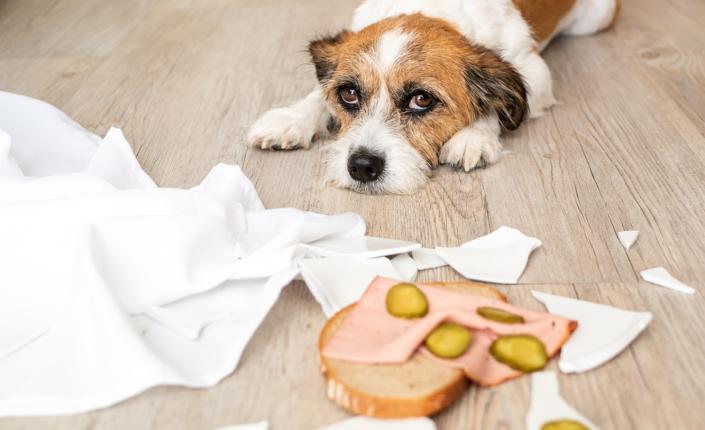
I run a small dog boarding and grooming setup outside a busy suburban strip mall, and I hear the same question from owners almost every week. Somebody opens a sandwich at lunch, the dog stares them down, and suddenly a slice of turkey or ham disappears under the table. Most dogs act thrilled about it. That does not always mean it is a smart habit, especially when you consider the salt, seasonings, and preservatives packed into many deli meats.
Why Dogs Go Crazy for Lunch Meat
Dogs respond fast to strong smells, and lunch meat hits them hard because it is loaded with fat, salt, and concentrated flavor. I have seen picky older dogs ignore expensive treats and then sprint across the room for a folded slice of smoked turkey. It happens all the time. Many owners take that reaction as proof that the food is fine for them.
The problem is that deli meat is made for people, not dogs. Many brands contain garlic powder, onion powder, black pepper, sugar, nitrates, or heavy sodium levels that add up quickly for a thirty-pound animal. One customer last winter was giving her beagle several slices of honey ham every afternoon because it was easier than carrying treats during walks. The dog started drinking excessive water within a couple of weeks.
Small amounts usually do not create a disaster. That part matters. If a healthy dog steals half a slice of plain turkey from a sandwich, most veterinarians I know wouldn’t panic. Trouble starts when lunch meat becomes a daily reward system or a replacement for balanced meals.
Some Lunch Meat Is Worse Than Others
Not all deli meat lands in the same category. Plain roasted chicken or low-sodium turkey is very different from heavily cured salami or pepperoni. I tell boarding clients to read labels carefully because some products contain more ingredients than a frozen dinner. The shorter the ingredient list, the better the chance your dog can tolerate it in moderation.
I usually warn people away from processed meats with strong smoke flavoring or spicy coatings because dogs react differently to those ingredients than humans do. One older bulldog I watched last spring had stomach issues for two straight days after getting bits of spicy pastrami during a family gathering. His owners thought the amount was tiny. For a sixty-pound dog, it still mattered.
People who want healthier dog treat ideas sometimes browse sites like the American Kennel Club because they break down common foods in plain language without turning every snack into a scare story. I have sent a few nervous first-time dog owners there after they accidentally fed their pets lunch meat and worried they had poisoned them. Most of the time, the issue is repeated exposure rather than a single bite.
There are a few meats I avoid entirely around dogs:
Pepperoni carries a huge salt load. Salami tends to be greasy and heavily seasoned. Bologna often contains fillers and preservatives that upset sensitive stomachs. Those three show up constantly at parties, and they cause more overnight stomach complaints at my boarding space than plain turkey ever does.
Salt Builds Problems Slowly
Most owners think about toxic foods like chocolate or grapes. Salt is usually ignored because its effects can look mild at first. A dog eating lunch meat every day may simply seem thirstier, hungrier, or sluggish before anything more obvious appears. I have seen dogs gain noticeable weight in a single season because the family treated deli meat like affection rather than food.
Kidney strain worries me more with older dogs. Senior dogs already process sodium less efficiently, especially if they have hidden heart or kidney issues. A ten-year-old dachshund boarded with me for two weeks last year, and his owner packed nearly a pound of sliced ham as “special snacks.” The dog puffed up visibly after only a few days.
Large breeds can hide dietary problems longer because their bodies absorb abuse differently. Small dogs show it faster. A six-pound Chihuahua eating two slices of deli turkey is taking in a much bigger dose relative to body size than a Labrador grabbing the same amount off the counter. Portion size changes everything.
What I Use Instead During Training
I still use meat treats around dogs all the time. I just control what goes into them. When I need high-value rewards for nervous grooming clients, I usually cook plain chicken breast at home and cut it into tiny pieces about the size of a thumbnail. Dogs love it, and I know exactly what is in it.
Freeze-dried liver works well, too, although some dogs get carried away with it. The smell is intense. I keep portions small because rich treats can upset stomachs even when the ingredients are clean. During long grooming sessions, I may go through fifteen tiny rewards with an anxious dog, so size matters more than people think.
Some owners insist their dogs refuse healthy treats after regularly tasting deli meat. I believe that happens. Processed foods train dogs to prefer stronger flavors, just as junk food affects people. A border collie I worked with needed almost three weeks before he stopped rejecting plain chicken after months of constant ham slices at home.
When You Should Actually Worry
If a dog eats one small piece of plain lunch meat, I usually tell owners to monitor rather than panic. Symptoms like vomiting, diarrhea, extreme thirst, bloating, or unusual lethargy deserve attention if they appear afterward. Problems occur more quickly with heavily seasoned meats or very small dogs.
Dogs with medical conditions face a different level of risk. A diabetic dog, a dog with a pancreatitis history, or one already dealing with heart disease should avoid processed lunch meat almost entirely. Fat and sodium can trigger setbacks quickly in those cases. I have watched owners spend several thousand dollars on emergency care after repeated “little treats” piled up over time.
Xylitol is another thing people overlook. Some flavored meat products, especially specialty low-sugar items, can contain ingredients that are dangerous for dogs. Reading labels takes less than a minute. That minute matters.
Most healthy dogs recover fine from the occasional sandwich theft. I still wouldn’t build a routine around deli meat, especially because there are cleaner, cheaper options in almost every grocery store refrigerator. Dogs do not need fancy snacks. They just need owners who think a little further ahead than the next begging stare.