Feed My Dog Dry Cat Food
Apr
Can I Feed My Dog Dry Cat Food

As a home-based dog boarder, clients often ask if dogs can eat dry cat food when they forget dog food. In busy times, this happens more than you’d think. The short answer: Dogs can eat dry cat food briefly, but there are important caveats.

Why Cat Food Isn’t Built for Dogs

Cat food is designed for a very different kind of animal. Cats are obligate carnivores, which means their bodies expect a high protein and fat intake every single day. Dogs, on the other hand, are more flexible and can handle a mix of nutrients without the same strict requirements.

I remember a Labrador I boarded last winter that kept sneaking into the cat feeding corner. Within two days, his stool changed, and his energy dipped in a way that wasn’t typical for him. That is usually the first sign that something is off with the diet.

Dry cat food often contains around 30 to 40 percent protein, sometimes higher depending on the brand. That might sound like a bonus, but for many dogs, especially older ones, that level can put unnecessary strain on the kidneys over time. In the short term, it might not show. Long term, it adds up.

When It’s Okay in a Pinch

If you run out of dog food and only have cat kibble, a small portion is unlikely to harm a healthy adult dog right away. I’ve had to do this when deliveries were delayed.

I usually tell clients to treat it like a temporary fix, not a replacement. One or two meals are fine. Stretching it to a full week becomes a different conversation, especially if the dog has any underlying health issues.

During one particularly hectic week, I advised a client to check local options, such as whether they could feed their dog dry cat food, to restock proper dog food quickly rather than relying on cat food longer than necessary. It saved them from dealing with digestive issues that would have likely shown up by day three or four. Planning ahead makes a big difference.

Puppies and senior dogs need more caution. Their systems are less forgiving, and I have seen even a single day of diet change cause loose stools or mild vomiting. It doesn’t happen every time, but it happens enough that I don’t ignore it.

What Happens If Dogs Eat It Regularly

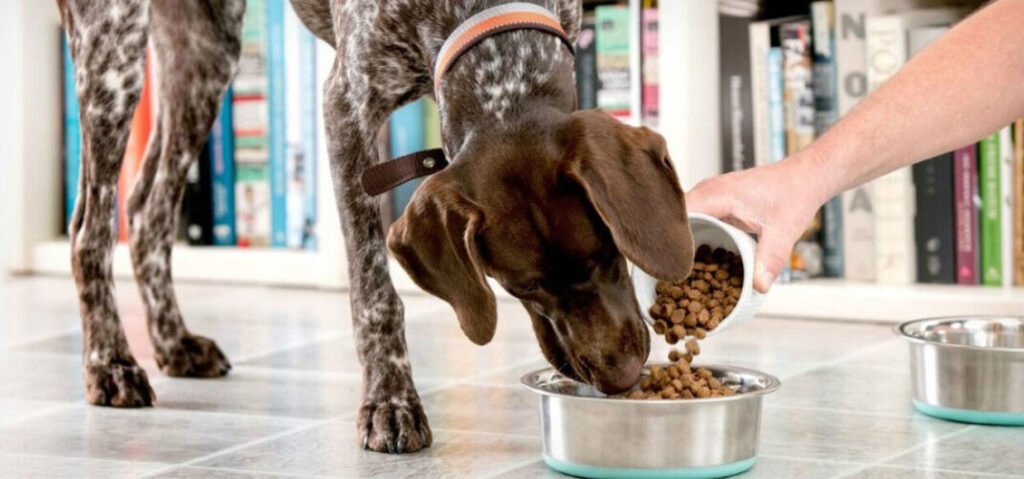
Regularly feeding cat food is where problems start to build. The higher fat content can lead to weight gain faster than most owners expect. I have seen a small terrier gain noticeable weight in just a couple of weeks after being fed leftover cat kibble daily.

There is also the issue of taurine and other nutrients that are balanced for cats, not dogs. Dogs don’t need the same levels, and over time, that imbalance can throw off their overall nutrition. It is subtle at first. Then it shows.

Digestive upset is usually the first sign. One dog refused regular food after getting used to cat kibble, and it took a week to transition back.

Some dogs love the taste. Too much, honestly.
Feed My Dog Dry Cat Food

Better Short-Term Alternatives

If you ever get stuck without dog food, there are safer options than cat kibble. Plain boiled chicken with rice works well for a day or two. Scrambled eggs without oil or seasoning can also help bridge the gap.

I have had clients use leftover cooked vegetables, such as carrots or pumpkin, mixed with small amounts of protein. It is not perfect nutrition, but it is gentler on a dog’s system than jumping straight to cat food for multiple meals. The key is keeping it simple and unseasoned.

A client once brought in a dog that had been fed only cat food for 3 days. or 3 days. The dog had digestive issues that could’ve been avoided with kitchen alternatives.

How I Handle It at My Boarding Setup

I keep a small reserve of generic dog kibble for emergencies. It is not premium, but it is balanced and safe. That alone has saved me from having to rely on cat food more times than I can count.

When a dog shows interest in cat food, I strictly separate feeding areas. higher up, and dogs stay on the floor. Simple setup. It works.

I also watch behavior closely. A dog that starts guarding the cat’s bowl or showing sudden food obsession is often reacting to the richer smell and taste of cat food. That is my cue to step in before it becomes a habit.

Consistency matters more than people think. If you are ever stuck, a single meal of cat food will not ruin your dog’s health. Living on it as a substitute is where trouble begins, and I have seen enough small issues turn into bigger ones to take that risk lightly. In summary: reserve cat food for true emergencies only—plan ahead whenever possible for your dog’s health.tly.
Feeding Zucchini to Cats
Apr
Feeding Zucchini to Cats Without Overthinking It

I work as a mobile cat groomer, and I also help a small group of cat owners in my area with basic diet questions. Over the years, I’ve had plenty of conversations about vegetables, especially zucchini, because people keep seeing it in human meals and wonder if it belongs in a cat’s bowl. I’ve tested small amounts with my own cats and observed reactions from dozens of pets during home visits. Most of what I share comes from watching real cats react, not theory.

My perspective is shaped by daily handling, grooming, stress, and feeding routines that owners often struggle to balance. Cats are picky, but they are also curious in short bursts. Zucchini keeps coming up because it looks harmless, soft, and easy to prepare. Still, cats don’t think in terms of “healthy vegetables” the way humans do.

First reactions I’ve seen from cats

When I offered small pieces of zucchini during grooming breaks, most cats sniffed and walked away, some licked it, and a few chewed it more like a toy than food. This shows cats aren’t drawn to it, but don’t always reject it outright.

In my experience, texture matters more to cats than taste. Soft, lightly steamed zucchini gets a better reaction than raw slices. I remember a household where three indoor cats ignored raw pieces completely but showed mild interest once they were slightly warmed. Still, none of them treated it as a real food source; it was just a curiosity.

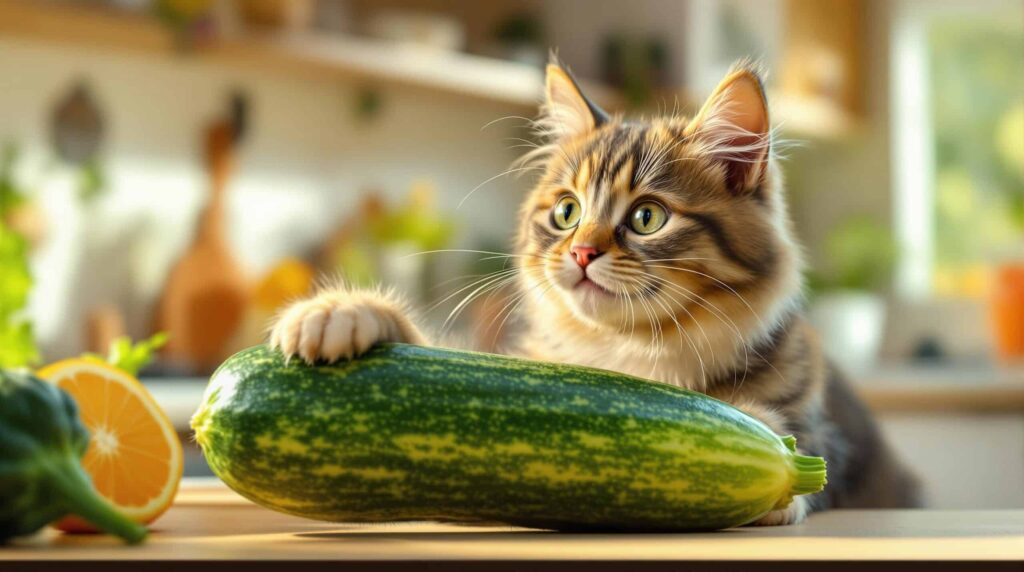
One customer last spring told me her cat started batting zucchini chunks across the floor instead of eating them. That behavior is common. Cats often treat unfamiliar plant food as something to play with rather than consume. I usually take that as a sign to keep portions minimal and expectations realistic.

What research and daily care habits suggest

In routine cat care discussions, I often point people toward balanced feeding habits rather than adding random vegetables. A few owners I work with prefer checking professional resources, like “Can cats have zucchini?” when they want structured advice on safe foods and portion control. I find that helpful because it reduces guesswork and prevents overfeeding of “healthy-sounding” extras. Zucchini falls into that category of safe but not necessary.

From what I’ve seen in multi-cat homes, digestive tolerance varies more than people expect. Some cats tolerate small amounts of vegetables without any change in behavior, while others show mild stomach sensitivity even to tiny amounts. I always suggest introducing anything new very slowly and watching litter box patterns closely for a couple of days.

There is also a common misunderstanding that cats need vegetables for fiber, as humans do. Their digestive system is built differently, and most of their nutrition comes from protein. I’ve had long talks with owners who were surprised that cats can thrive without any plant-based additions at all.

In practical terms, I treat zucchini as optional enrichment, not nutrition. It is safe in small amounts, but never essential. My main takeaway: keep things simple, use zucchini only for variety, and always prioritize meat-based meals. This reduces confusion and helps prevent digestive issues.

Feeding Zucchini to Cats

How I actually offer zucchini in real homes

When I do suggest trying zucchini, I keep it very controlled. Small pieces, lightly steamed, and given in a calm setting. I never mix it into a full meal at first because it becomes hard to track the reaction. One or two bites are usually enough to see how a cat responds.

I remember a home visit where a cat owner insisted on mixing zucchini into wet food daily. The cat eventually started leaving the bowl half-eaten. Once we reduced it to occasional, tiny portions, the cat returned to normal eating behavior. That shift taught me that moderation matters more than novelty.

Raw zucchini is usually ignored or pushed around. Cooked zucchini gets more acceptance, but never real excitement. I keep my recommendation conservative.

Timing matters too. Cats are more likely to taste zucchini during curiosity periods, like after grooming or play. Even then, interest fades quickly.

What I watch for after feeding small amounts

After any new food trial, I usually ask owners to observe behavior for at least 24 to 48 hours. Most cats show no change, which is the ideal outcome. Some may show slight stool softness, especially if the portion was larger than expected. That’s usually the first sign I scale things back.

Energy level is another small indicator I pay attention to. Cats that tolerate zucchini well behave normally, continue grooming, and maintain their feeding routine. If I notice hesitation around regular food afterward, I consider that a signal to stop adding extras entirely.

Once, a young cat lost interest in kibble after repeated zucchini was mixed in. Removing zucchini brought its appetite back within days. Even harmless additions can disrupt habits.

Now, I keep it simple: if a cat ignores zucchini, I don’t push. If there’s mild enjoyment, I treat it as a very occasional treat—never a meal replacement. This balanced, no-fuss approach avoids unnecessary stress for both cat and owner, delivering the main message: zucchini is safe, but only for occasional interest.

Over time, I’ve realized zucchini is mostly about human curiosity, not cat nutrition. My main job is to keep feeding straightforward, ensuring that any experimentation with zucchini stays minimal and stress-free for cats. The message: It’s safe to try, but don’t overthink it.