What I’ve Learned About What Causes Bloat in Dogs
I run a small boarding kennel on the outskirts of town and have handled countless dogs, with stays ranging from a weekend to a week. Over the years, I’ve witnessed a handful of bloat cases that permanently changed how I approach feeding, exercise, and stress management. Bloat is fast, confusing, and often preventable if you catch the warning signs early.
How Feeding Habits Set the Stage
Feeding habits make a big difference. Fast eaters are at the highest risk. I’ve watched a large shepherd inhale a bowl in under 90 seconds, trapping a lot of air with the food.
Portion size matters more than people think. A dog fed one large meal a day is more likely to have trouble than one on two or three smaller meals. I switched my kennel to split feeding five years ago and haven’t had a case tied directly to feeding since. Dry kibble can play a role, especially if it expands quickly after being eaten. Some brands swell up faster in water, and in a dog’s stomach, that expansion can quickly add pressure. TDogs eating under stress in a new environment, around unfamiliar dogs, or smelling new scents often rush through meals and swallow air. That combination can push them closer to trouble.o trouble.
Exercise Timing and Why It Matters
Owners often insist their dogs are fine running after eating because “they’ve always done it.” One day, it catches up. A deep-chested dog running after a meal is risky; I’ve seen the aftermath.
There was a case a couple of summers back with a large retriever who went from normal to distressed in less than an hour after playing fetch post-dinner. The owner later told me they had no idea the timing mattered. That’s a common misunderstanding.
If I suspect something serious, I tell owners to call an emergency vet—don’t wait to see what happens. Bloat allows little time. Acting fast often means saving a dog. I’ve made that call, no hesitation.
Now I have a simple rule: no hard activity for at least an hour after eating, closer to two for large breeds. Calm walking is fine. Running isn’t.
Body Shape and Breed Tendencies
Some dogs are just built in a way that puts them at higher risk. Deep-chested breeds like Great Danes, German Shepherds, and Dobermans show up more often in these cases. It’s not a guarantee, but the pattern is hard to ignore after years of watching. I once boarded a Great Dane who looked healthy and well cared for at home. Within 24 hours of arrival, he showed early signs of discomfort after eating, even though his routine had barely changed. That experience made me extra cautious with certain body types.
It’s not only the giants. Medium-sized dogs with similar chest structures can also run into trouble. I’ve seen it in boxers and even a mixed breed that had a surprisingly deep ribcage. You don’t always expect it.
Genetics likely plays a part. Some dogs seem more prone, no matter how carefully you manage them. That doesn’t mean you can’t reduce the risk, but it does mean you stay alert.
Stress and Environmental Change.
Stress is a quieter factor, but it appears more than people realize. Dogs entering a new space, like a busy kennel, often eat faster or drink too much water at once.
Dogs who pace, whine, or stay on edge their first night often develop digestive issues. It doesn’t always become bloat, but the risk rises. I settle new arrivals before feeding a full portion.
Travel can trigger the same effect. Long car rides, strange places, and schedule changes disrupt a dog’s rhythm—even confident dogs may react differently.
Sometimes it’s small things. A different feeding bowl, a louder environment, or even the presence of unfamiliar dogs nearby can prompt them to eat too quickly. Those details add up over time.
Early Signs I Watch For Every The first signs are easy to miss if you’re not paying attention. Restlessness is usually the earliest clue. A dog that can’t settle and looks uncomfortable for no clear reason gets my full attention.ntion.
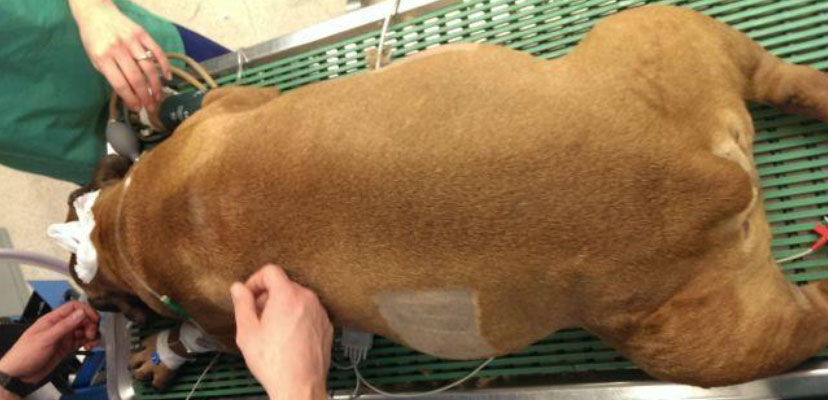
Then comes the physical change. The abdomen may start to look slightly swollen and feel tighter than usual when you touch it. I’ve felt that firmness before, and it’s not something you confuse once you know what it is.
Some dogs try to vomit, but nothing comes out. That’s a big red flag. It means something is wrong internally, and waiting around at that point is not a good idea.
Breathing can change, too. Faster, shallower breaths, sometimes with a bit of drooling. I don’t second-guess those signs anymore. I act.
Time matters. Always.
After seeing a few of these cases up close, I’ve changed how I handle dogs under my care. Smaller meals, quiet feeding spaces, and strict rest periods are part of my routine now. I can’t control everything, but I can control the basics, and that alone has reduced the number of close calls I’ve had to deal with.