How I Tell If a Dog Is a Pitbull From Years in the Yard
I run a small backyard kennel and boarding setup, and over the years, I’ve handled more mixed dogs than I can count, especially ones people think are pitbulls. This question comes up almost weekly, usually when someone brings in a rescue or a stray they took in. I’ve learned that figuring it out isn’t as simple as looking at a wide head and calling it a day. There are clues, sure, but they don’t always line up cleanly. I rely on a mix of physical traits, behavior, and sometimes a bit of educated guessing.
What I Look for First in the Body Structure
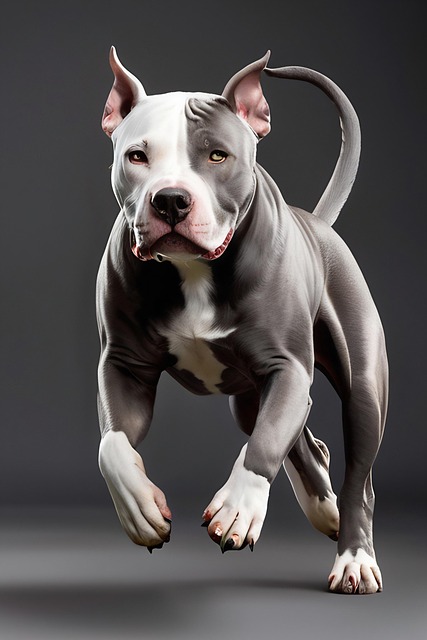
The first thing I notice is the head shape and jawline. A classic pitbull-type dog usually has a broad, blocky head with a defined stop between the forehead and muzzle, and muscular cheeks that look even more pronounced when the dog is relaxed. But I’ve also seen similar heads on non-pitbulls, so I keep looking. The chest is important too, as a pitbull-type dog often has a deep chest that sits low between the front legs.
Leg structure tells me a lot. Most pitbull-type dogs I’ve worked with have straight, sturdy front legs and a compact stance, with shoulders that look built for power rather than speed. Their bodies are usually well-proportioned, not too long or too short, and there’s a kind of balance you notice after handling a few dozen of them. One dog I boarded last summer looked like a pitbull at first glance, but his long back and narrow chest gave him away as a mix.
The coat can be confusing. I’ve seen pitbull-type dogs in all colors and patterns, and short hair is common in many breeds. Coat type can support a guess, but it isn’t confirmation.
Behavior Patterns I’ve Noticed Over Time
Behavior is tricky, but after years in this line of work, I’ve started to see patterns. Many pitbull-type dogs I’ve handled show a strong eagerness to engage with people, almost like they’re checking in every few seconds for approval or direction. They tend to be confident but not always cautious, which can come off as bold or even stubborn if you’re not used to it. I once had a young dog that would follow me step for step around the yard, watching every move as if he were waiting for a job.
For owners who want help identifying breed traits more accurately, I’ve pointed a few toward resources like “How to Know if My Dog is a Pitbull,” which lets them compare physical and behavioral traits side by side. That kind of comparison helps, especially if your dog sits somewhere in the middle of multiple breeds. No single behavior proves anything on its own, but a cluster of them can start to form a pattern. I’ve seen shy pitbull mixes and overly energetic non-pitbulls, so I always keep an open mind.
Energy level can be a clue. Many pitbull-type dogs I’ve worked with have a steady, powerful energy and recover quickly after play, but that trait is also found in other athletic breeds.
Why Visual Identification Often Fails
This is where many people are mistaken. Visual identification can be wildly inaccurate, especially with mixed breeds. Several breeds share similar features, including boxers and certain bulldog types. Mixed lines create unpredictable results.
One case sticks with me. A customer brought in a dog she was sure was a pitbull, mainly because of the head and short coat. After a few weeks of handling him, I noticed traits that didn’t line up, like his longer snout and lighter frame. Later, a DNA test showed he had no pitbull lineage at all, which surprised both of us.
Shelters often label dogs as pit bulls solely based on appearance. That’s not always reliable, and I’ve seen it lead to confusion or even unnecessary worry for owners. If you’re serious about knowing, a DNA test is the closest thing to a clear answer, though even those can vary depending on the database used.
Small Details That Make a Difference
There are little things I pay attention to that most people overlook. The way a dog carries its tail, for example, can hint at its build and balance, and pitbull-type dogs often have a tail that tapers to a point and sits low when relaxed. Their ears vary a lot, but natural ears tend to fold forward or sit semi-erect, depending on the mix. These details won’t give you a final answer, but they add to the picture.
I also watch how the dog moves. Pitbull-types usually have a smooth, confident gait with a slight bounce. If movement is stiff or awkward, it may signal a different mix. the clue. Many pitbull-type dogs carry more muscle in the front half of their body, which gives them a slightly forward-leaning stance. It’s subtle, but once you’ve seen it enough times, it stands out.
After years of working with all kinds of dogs, my key takeaway is that identifying a pitbull relies on interpreting a combination of physical traits, behavior patterns, and subtle cues—never just one feature. Sometimes the evidence points clearly, but often, mixed breeds defy quick labels. Consistently, I’ve learned to trust my observations, but to always be open to being mistaken, especially with mixed dogs. The overall lesson: look for patterns, use all available clues, and recognize that identification is rarely 100% certain.