How to Create a Happy Home for Brown Tabby Cats
I work as a mobile pet groomer in rural Punjab, and over the years, I have spent a lot of time in people’s homes, handling cats that don’t always trust strangers at first. Brown tabby cats show up more often than people realize, especially in mixed-breed farm households where they are adopted rather than purchased. I have learned their behavior through scratches, slow blinks, and long grooming sessions on kitchen floors. They are surprisingly gentle.
First encounters with brown tabby cats
My first real memory of working closely with a brown tabby cat was at a small farmhouse outside Lalian, where the owner called me for help with basic grooming. The cat was sitting on top of a wooden cabinet like it owned the place, watching me unpack my tools without blinking much. I remember thinking it would bolt immediately, but it stayed put and only shifted its tail when I got too close. That moment changed how I approached every tabby after that.
Over time, I noticed a pattern among brown tabbies, especially those living in semi-outdoor environments. They tend to observe more than react, and they test your intentions slowly rather than panic right away. I have handled at least a dozen in similar homes, and the behavior feels consistent even when their coat patterns vary slightly. One customer last spring had two tabbies that behaved almost like silent supervisors during grooming sessions.
There was one case where a young tabby refused to leave a shaded corner for nearly half an hour while I worked on trimming another cat nearby. I did not rush it, because forcing interaction usually makes things worse with cats like these. Eventually, it came closer on its own, sniffed my hand, and decided I was acceptable enough to stay in its space. That kind of trust is slow but real.
Daily care and behavior patterns
Brown tabby cats are not a single breed but a coat pattern that appears across many domestic cats, which means their behavior can vary widely. Still, I see some shared grooming habits, especially around feeding time and territorial comfort. They prefer routines that shift infrequently, and sudden environmental changes can make them retreat for hours. I usually advise owners to keep feeding and sleeping areas consistent.
In my work, I often connect pet owners with local care options when a cat needs more than just grooming, especially when skin or stress issues are involved. One family I worked with had ongoing shedding problems that required more than brushing, so I recommended they speak with a local pet clinic to check for underlying allergies and a diet imbalance. The visit helped them adjust the cat’s nutrition and reduce stress-related grooming problems over a few weeks. Situations like that show how small interventions can change a cat’s comfort level.
Brown tabbies respond strongly to tone, not volume. I have seen cats ignore loud voices but react to calm, steady speaking during grooming. I often remind myself: stay predictable. That mindset helps more than any tool, a lesson I learned from early mistakes that lost a cat’s trust.
They also develop clear preferences for household members. In some homes, I notice the tabby will follow one specific person while ignoring everyone else completely. That kind of selective bonding can make grooming easier or harder, depending on who is present during the session. It is not random, and it usually reflects who feeds them, plays with them, or simply sits quietly nearby.
Grooming lessons from working with tabbies
When I groom brown tabby cats, I focus more on patience than speed, because rushing almost always leads to resistance. Their coats are usually medium-density, and while not as high-maintenance as long-haired breeds, they still require consistent brushing to avoid small mats forming behind the ears and under the legs. I carry a soft-bristle brush specifically for cats that are sensitive to metal tools. That small adjustment has saved many sessions from turning stressful.
One customer brought in a tabby that had not been brushed for several months, and I could feel the cat’s tension the moment I tried to start. Instead of forcing it, I spent nearly 20 minutes letting the cat smell the brush and my gloves while I talked quietly. Eventually, I managed a short grooming session that lasted only ten minutes, but it was enough to remove the worst tangles. The owner was surprised that so little pressure produced any result at all.
Brown tabbies also teach you to read body language more carefully than vocal cues. A flick of the ear or a shift in weight tells you more than any sound they make. I often pause mid-groom just to reassess whether the cat is still comfortable or if stress is slowly building. That habit alone has reduced scratches and sudden escapes during sessions.
At times, I finish grooming sessions with cats that are still watching me closely, as if deciding whether I passed some quiet test. I usually take that as a sign that I did not push too hard. Experience has taught me that ending a session a few minutes early is better than overstaying and breaking trust. With tabbies especially, trust is not something you demand; it is something you maintain.
Living with their quiet personality
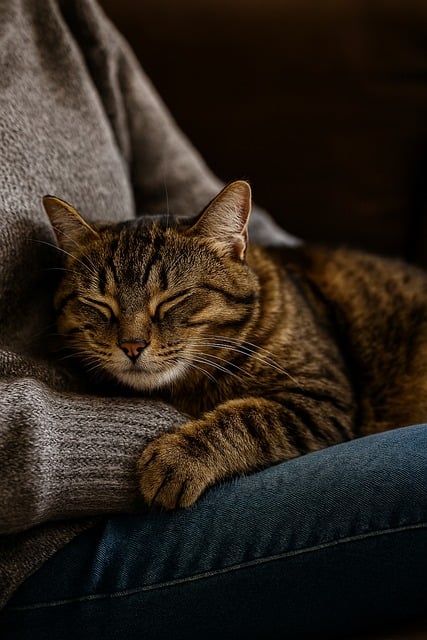
Outside of grooming work, I have also kept a brown tabby in my own home for several years, which gave me a different perspective. Living with one is not about constant interaction, but about sharing space comfortably without pressure. Mine prefers sitting near windows for long hours, watching movement outside more than engaging with people inside. That kind of independence is part of what makes them easy to live with.
I have noticed that they communicate through presence rather than action. Even when they are not actively seeking attention, they tend to stay close enough to remind you they are there. Some days, mine will sleep in the same room for hours without moving much, then suddenly decide it is time for food or a short burst of activity. It feels like living with a quiet roommate who sets their own schedule.
What stands out most is how adaptable they become over time, especially in homes with stable routines. They do not demand constant stimulation, but they respond well to predictable care and gentle handling. That makes them a practical companion for people who want a calm but observant pet. After years of working with them professionally and at home, I still find new small behaviors that surprise me.
I often tell new cat owners that brown tabbies do not need perfection; they need consistency. Once they learn your rhythm, they tend to settle into it without much resistance. That is the part of working with them that never gets old for me, because it feels less like training an animal and more like building a quiet understanding over time.