Remove Dog Vomit Stains
Apr
How I Actually Remove Dog Vomit Stains from Carpet Without Ruining the Fibers

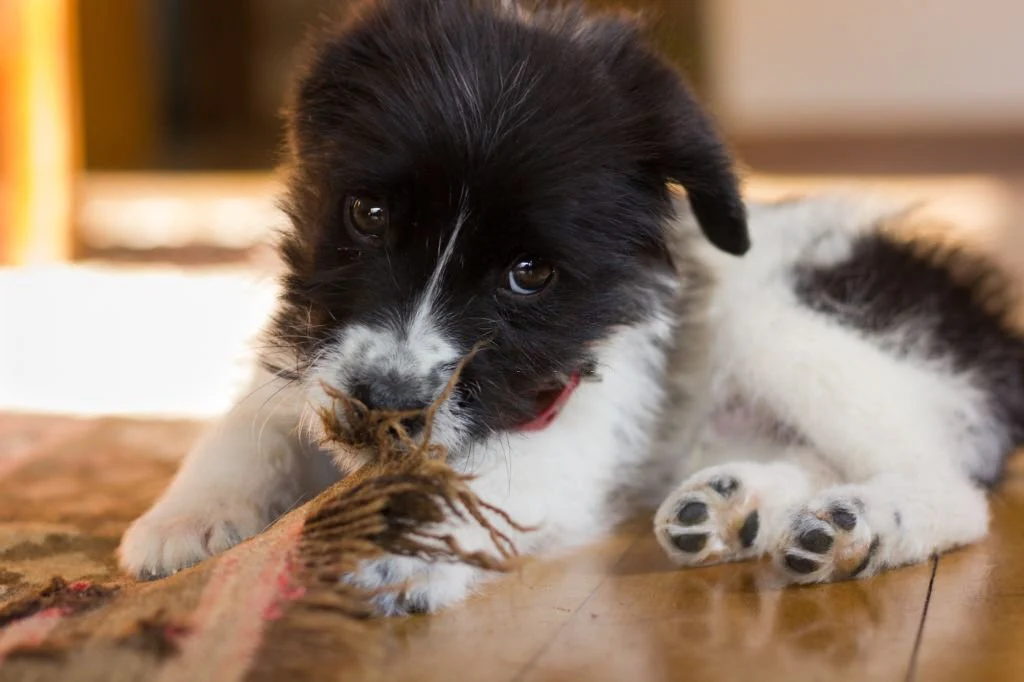
I run a small carpet cleaning business and spend a surprising amount of time dealing with pet messes that people thought were permanent. Dog vomit stains are one of those things that look worse than they are, but they can become a long-term problem if not handled correctly in the first hour.

I have cleaned everything from fresh accidents to stains that sat for two weeks, and the difference in outcome usually comes down to how the first cleanup was done. I learned this the hard way after ruining a section of wool carpet early in my career.

What Most People Get Wrong in the First 10 Minutes

The first mistake I see is scrubbing right away with whatever is under the sink. That instinct makes sense, but it pushes the stain deeper into the carpet backing, which is where the smell tends to linger. I usually tell clients to pause and focus on removing as much of the material as possible before any liquid comes into contact with the area. Use a dull edge or paper towels and lift, not rub, for at least a minute or two.

Another issue is heat. People reach for hot water because it feels like it should break down the proteins in the vomit and lock the stain into the fibers, but it can set the proteins, locking the stain in place. I stick to cool or slightly lukewarm water in most cases, especially on synthetic carpets. Wool is even more sensitive, and I treat it like a completely different job.

Timing matters more than technique at this stage. A stain handled within 15 minutes is usually simple, even if the person makes a few small mistakes. Wait a few hours, and the same spot becomes stubborn, especially if the dog had food with strong color or oils. I have seen light beige carpets develop a yellow tint that never fully fades because the initial cleanup was rushed and aggressive.

The Method I Use After the Surface Is Cleared

Once the bulk is gone, I move to a simple cleaning mix that I have relied on for years. It is usually a blend of mild dish soap and water, applied with a cloth rather than poured directly onto the carpet. I blot in short presses, then switch to a clean section of the cloth every few passes so I am not reintroducing the same residue. This step alone fixes a large percentage of fresh stains.

There are times when I recommend that people look into a carpet-cleaning service if the stain has already soaked through to the padding or if the smell keeps coming back after two or three cleaning attempts.

After the soap pass, I rinse lightly with clean water and blot again. This part is often skipped, and that is why some spots feel sticky later or attract dirt faster than the rest of the carpet. The residue left behind acts like a magnet for dust, making the area look dirty again within a few days. I usually repeat the rinse-and-blot cycle twice.

Drying is key. I place a towel over the spot and press for 30 seconds, longer if the carpet is thick. If I have a fan, I aim it at the area for an hour or two. Damp carpet backing can trap odor, even if the surface seems clean.
Remove Dog Vomit Stains

Handling Stains That Have Already Set

Older stains are a different situation. At that point, I am dealing with both discoloration and odor that have bonded to the fibers. I usually step up to an enzyme cleaner, which breaks down organic material rather than just masking it. These products need time to work, sometimes up to an hour, and rushing them defeats the purpose.

I had a job last spring where a family waited about a week before calling me, thinking the stain would fade on its own. It did not. The spot had darkened, leaving a faint ring about six inches wide, indicating the liquid had spread beyond the visible area. I treated it in layers, applying the cleaner, blotting, and repeating three times before it started to lift properly.

Some stains never fully disappear, especially on light, long-fiber carpets. I focus on blending them in rather than promising perfection. Clients value honesty over false guarantees.

Tools I Keep in My Van That Make a Difference

I do not rely on anything fancy for most jobs, but a few tools have saved me more than once. A small extraction machine is one of them, especially for deeper stains that reach the padding. It pulls out moisture in a way that towels cannot, reducing the chance of lingering smell. It also shortens drying time by a noticeable margin.

I keep at least three types of clothes. One for lifting debris, one for applying the solution, and one strictly for rinsing. Mixing them up leads to cross-contamination, which sounds technical but really just means you are spreading the mess around instead of removing it. Keeping them separate sounds good. Gloves are often skipped. Dog vomit carries bacteria, and repeated exposure is risky.

After a rough week years ago, I always wear gloves on the job. eek early on. Now I never start a job with the Thought That Prevention isn’t always possible, but a quick response helps. I tell clients to keep paper towels, mild cleaner, and a cloth handy. Being prepared reduces delays that worsen stains. Even a two-minute head start can change the outcome.

Feeding habits can also play a role. Dogs that eat quickly or switch foods often tend to have more incidents, and the mess is usually more acidic or colorful. That translates into tougher stains. I am not a vet, but routine carpet cleaning helps. A deep clean every six to twelve months helps prevent fibers from holding onto residue, making new stains easier to address. Think of it as a reset for your carpet’s surface. clean something that is already in good condition.

After years of doing this work, I no longer panic when I see a fresh stain. Most of them are manageable with a calm approach and the right sequence of steps. The real damage usually comes from overreacting in the first few minutes, not from the stain itself.
What Causes Bloat in Dogs
Apr
What I’ve Learned About What Causes Bloat in Dogs

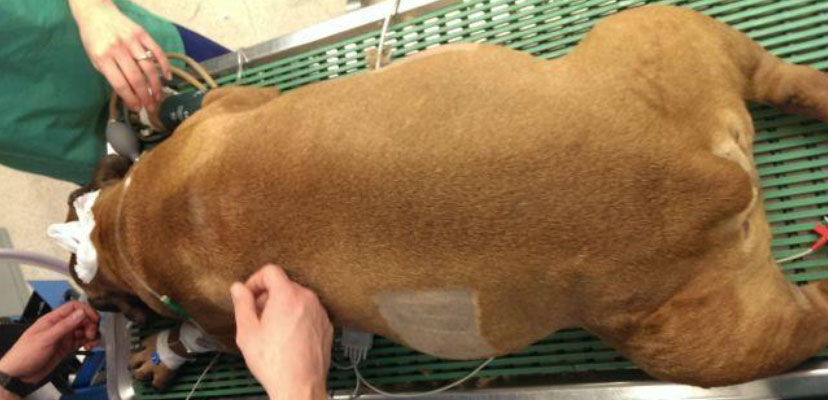
I run a small boarding kennel on the outskirts of town and have handled countless dogs, with stays ranging from a weekend to a week. Over the years, I’ve witnessed a handful of bloat cases that permanently changed how I approach feeding, exercise, and stress management. Bloat is fast, confusing, and often preventable if you catch the warning signs early.

How Feeding Habits Set the Stage

Feeding habits make a big difference. Fast eaters are at the highest risk. I’ve watched a large shepherd inhale a bowl in under 90 seconds, trapping a lot of air with the food.

Portion size matters more than people think. A dog fed one large meal a day is more likely to have trouble than one on two or three smaller meals. I switched my kennel to split feeding five years ago and haven’t had a case tied directly to feeding since. Dry kibble can play a role, especially if it expands quickly after being eaten. Some brands swell up faster in water, and in a dog’s stomach, that expansion can quickly add pressure. TDogs eating under stress in a new environment, around unfamiliar dogs, or smelling new scents often rush through meals and swallow air. That combination can push them closer to trouble.o trouble.

Exercise Timing and Why It Matters

Owners often insist their dogs are fine running after eating because “they’ve always done it.” One day, it catches up. A deep-chested dog running after a meal is risky; I’ve seen the aftermath.

There was a case a couple of summers back with a large retriever who went from normal to distressed in less than an hour after playing fetch post-dinner. The owner later told me they had no idea the timing mattered. That’s a common misunderstanding.

If I suspect something serious, I tell owners to call an emergency vet—don’t wait to see what happens. Bloat allows little time. Acting fast often means saving a dog. I’ve made that call, no hesitation.

Now I have a simple rule: no hard activity for at least an hour after eating, closer to two for large breeds. Calm walking is fine. Running isn’t.

Body Shape and Breed Tendencies

Some dogs are just built in a way that puts them at higher risk. Deep-chested breeds like Great Danes, German Shepherds, and Dobermans show up more often in these cases. It’s not a guarantee, but the pattern is hard to ignore after years of watching. I once boarded a Great Dane who looked healthy and well cared for at home. Within 24 hours of arrival, he showed early signs of discomfort after eating, even though his routine had barely changed. That experience made me extra cautious with certain body types.

It’s not only the giants. Medium-sized dogs with similar chest structures can also run into trouble. I’ve seen it in boxers and even a mixed breed that had a surprisingly deep ribcage. You don’t always expect it.

Genetics likely plays a part. Some dogs seem more prone, no matter how carefully you manage them. That doesn’t mean you can’t reduce the risk, but it does mean you stay alert.

What Causes Bloat in Dogs

Stress and Environmental Change.

Stress is a quieter factor, but it appears more than people realize. Dogs entering a new space, like a busy kennel, often eat faster or drink too much water at once.

Dogs who pace, whine, or stay on edge their first night often develop digestive issues. It doesn’t always become bloat, but the risk rises. I settle new arrivals before feeding a full portion.

Travel can trigger the same effect. Long car rides, strange places, and schedule changes disrupt a dog’s rhythm—even confident dogs may react differently.

Sometimes it’s small things. A different feeding bowl, a louder environment, or even the presence of unfamiliar dogs nearby can prompt them to eat too quickly. Those details add up over time.

Early Signs I Watch For Every The first signs are easy to miss if you’re not paying attention. Restlessness is usually the earliest clue. A dog that can’t settle and looks uncomfortable for no clear reason gets my full attention.ntion.

Then comes the physical change. The abdomen may start to look slightly swollen and feel tighter than usual when you touch it. I’ve felt that firmness before, and it’s not something you confuse once you know what it is.

Some dogs try to vomit, but nothing comes out. That’s a big red flag. It means something is wrong internally, and waiting around at that point is not a good idea.

Breathing can change, too. Faster, shallower breaths, sometimes with a bit of drooling. I don’t second-guess those signs anymore. I act.

Time matters. Always.

After seeing a few of these cases up close, I’ve changed how I handle dogs under my care. Smaller meals, quiet feeding spaces, and strict rest periods are part of my routine now. I can’t control everything, but I can control the basics, and that alone has reduced the number of close calls I’ve had to deal with.

Are Money Trees Toxic to Cats
Apr
Are Money Trees Toxic to Cats? What I Tell Pet Owners Based on What I See Daily

I work as a mobile veterinary assistant, spending most of my days driving between homes, helping cat owners resolve small emergencies and preventable issues. Over the years, I have walked into dozens of living rooms where a perfectly healthy-looking plant was sitting next to a curious cat. The money tree is one of those plants I get asked about surprisingly often. People usually want a straight yes-or-no answer, but real situations are often a bit more layered than that.

What a money tree actually means for a curious cat

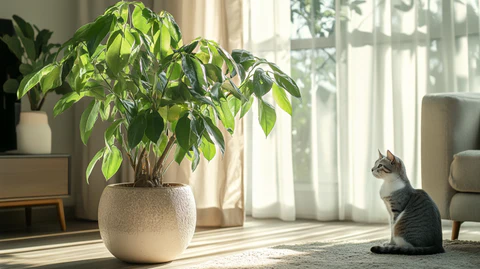
In my experience, most people refer to the money tree as Pachira aquatica, a popular indoor plant with braided trunks and glossy leaves. I’ve seen it in offices, apartments, and small cafés where cats roam. I tell clients that money trees are considered non-toxic to cats by veterinary poison control references, but that doesn’t guarantee they’re harmless in all cases.

Cats do not read plant labels. Last spring, a client called after her young tabby chewed a few money tree leaves. The cat had mild vomiting and stomach irritation for a day, but showed no signs of poisoning. This pattern—digestive upset rather than poisoning—is common after cats eat plant material.

Even non-toxic plants can cause problems if cats eat them. Money tree leaves are thick and fibrous, and chewing them can irritate the stomach. I remind people that non-toxic means no known chemical toxicity risk, not that it’s safe for cats to eat as they please.

Are Money Trees Toxic to Cats

Why do cats still react even when the plant is safe

One afternoon, I visited a home where a pair of indoor cats had knocked over a medium-sized money tree sitting near a window. The owner was worried about poisoning because one of the cats was drooling and acting restless. After checking the plant and the symptoms, it turned out to be mild gastrointestinal irritation from chewing the leaves, combined with stress from the falling pot.

During cases like that, I often suggest getting a quick professional check through a local clinic or a trusted veterinary support service, such as a pet health consultation service. It helps owners confirm whether symptoms are from toxicity or just digestive upset and stress, especially when plants are involved in the incident. That clarity usually reduces panic quickly and helps everyone focus on simple care steps.

Many cat owners are surprised that reactions are often behavioral, not toxicological. A cat may vomit after chewing plant fibers simply due to difficulty digesting them, not poison. I have seen the same cat react differently to the same plant based on hunger, boredom, or anxiety.y.

I also notice that younger cats are far more likely to interact with money trees. They treat them like toys, not food. One household I visited had a six-month-old kitten who used the braided trunk as a climbing post. The plant survived, but only barely, and the kitten ended up with a slightly upset stomach after chewing bark.

Signs I watch for when a cat eats a money tree

When I arrive at a home after a plant-chewing incident, I focus less on the plant itself and more on the cat’s behavior over the next few hours. Most money tree cases do not escalate into anything serious, but I still look for patterns like repeated vomiting, lethargy, or refusal to eat. Those signs usually tell me whether we are dealing with simple irritation or something more concerning.

In one case, a cat owner thought the plant was the problem, but the real issue was hairballs exacerbated by stress. The timing made it look like the money tree was responsible, but the symptoms started before the cat even reached the plant. That kind of overlap is common, and it is why I always ask about the full day’s behavior, not just the moment the plant was involved.

Most cats recover within a few hours if the issue is mild. I usually recommend keeping the cat away from the plant temporarily and offering fresh water. If vomiting persists beyond a short window or if the cat becomes unusually quiet, I suggest a proper veterinary exam rather than waiting it out at home.

How I help owners prevent plant and cat conflicts at home

Over time, I have noticed that prevention is less about removing plants and more about placement and distraction. Money trees are often placed in sunny corners, which are also prime exploration spots for cats. Moving the plant even a small distance can reduce interest dramatically in some homes.

In multi-pet households, I often recommend creating a few designated green zones that cats are not naturally drawn to. That might mean higher shelving, or simply placing plants near areas cats already avoid. It is not about restricting the cat’s entire environment, but about designing it so curiosity does not always lead to chewing or knocking things over.

Another thing I tell owners is that boredom plays a bigger role than people expect. A cat with enough stimulation is less likely to test every plant in the room. Simple changes, such as rotating toys or adding climbing spaces, reduce plant-related incidents more effectively than most people assume.

I also remind owners that, even though money trees are not toxic to cats, repeated chewing can shorten the plant’s lifespan and create an unnecessary mess. I have seen perfectly healthy plants slowly stripped of leaves simply because a cat decided it was part of its daily routine. That is usually when owners finally decide to relocate the plant entirely.

In summary, money trees are not toxic to cats, but problems often arise from curiosity and plant placement rather than the plant itself. If owners act early and address behavior, both the cat and the plant can thrive together.

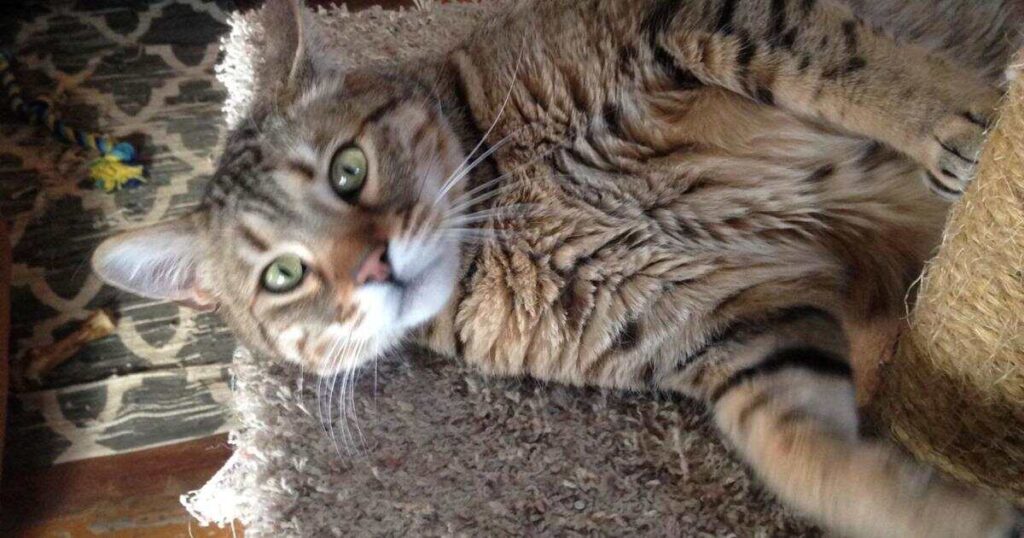
Hybrid Half Cat Half Bobcat
Apr
Hybrid Half Cat Half Bobcat Sightings in Sanctuary Work

I work as a wildlife rehabilitator at a small exotic feline rescue, where we mostly handle injured bobcats, feral cats, and the occasional unusual-looking crossbreed. Over the years, I have heard countless stories from visitors about a “hybrid half cat half bobcat” roaming the rural edges of farms and forest lines.

Most of those stories blur myth with misidentified animals, but a few cases brought into our care have made me pay closer attention to what people think they are seeing. I don’t treat the idea as fantasy, but I also don’t treat every claim as biology.

First encounters and what people call hybrids

The first time I was asked to examine what someone called a hybrid half-cat, half-bobcat, it arrived in a transport crate from a rural property. The caller described ear tufts, a large body, and thick legs, insisting it was “not a normal cat.” I had seen similar large domestic cats with bobcat-like traits or bobcats with slight domestic coloration. I work with about 12 enclosures and see many appearances, but none confirm the myth of a true 50-50 hybrid.

Most confusion arises because traits such as ear tufts, muscular shoulders, and short tails occur in both domestic cats and bobcats, making reliable identification difficult. For example, last spring, a customer believed their dusk-creek-side photos showed a hybrid, but the lighting and posture had distorted the animal’s proportions. I explained that misidentification in low-light woodland settings is quite common.

Storytelling in rural communities often dramatizes sightings over time. After a few retellings, a large domestic cat can be described as half wild. While I appreciate the excitement, I rely on physical exams and behavioral observation before drawing conclusions. Most arrivals are stressed feral cats with bobcat-like coloring.

Hybrid Half Cat Half Bobcat

Genetics rumors and care in controlled facilities

When discussing these cases with colleagues, genetics and rumors of bobcat-cat hybrids arise. The divided consensus—undocumented hybrids versus misidentified domestic traits—reflects the power of narrative over conclusive biology. I remain focused on tangible physical evidence, reinforcing my central view that stories alone cannot define hybrid reality. In my facility work, I often recommend structured evaluation protocols before labeling any animal as a hybrid, especially when public concern is high.

A visiting researcher once suggested I review additional field resources, and I pointed them toward exotic feline care notes that we sometimes reference for behavioral comparisons and intake assessments. That resource has helped me cross-check patterns in coat structure, paw size, and territorial behavior without jumping to conclusions. Even then, I remind myself that documentation is only part of the picture, and live observation still matters more in ambiguous cases.

Challenging cases involve animals that show overlapping traits under stress, making them appear more wild. A nervous domestic cat can mimic a bobcat’s posture. I’ve seen this often enough to know it influences first impressions, though the behavior rarely persists.

Care protocols in controlled environments focus on reducing stress before any behavioral interpretation is made. I usually isolate the animal for a few days, monitor its feeding response, and document its movement patterns under low-stimulation conditions. These steps allow me to distinguish between instinctual fear reactions and traits that could be attributed to hybridization. My key finding is that, in nearly every case I have handled, the behavior returns to normal once the animal feels secure, suggesting security is the critical factor for behavioral normalization.

Behavior patterns I’ve observed up close

Over time, I’ve learned that hybrid half-cat, half-bobcat ideas reveal more about how humans interpret animals than about biology. Bobcats are naturally elusive, and domestic cats are adaptable, making their behaviors difficult to distinguish. I’ve seen enclosure pacing labeled “wild intelligence,” though it’s usually due to environmental stress. Continued observation dispels that illusion.

One clear difference is hunting response. Bobcats exhibit sharp stalking behavior, while domestic cats lose focus quickly, especially when food is readily available. After several feeding trials, these differences in patterns become obvious.

Key finding: Tame cats acclimate to humans over time, but bobcats remain wary even after several months of captivity. This persistent wariness is a clear behavioral marker I use in classification.

Still, I understand the enduring fascination with hybrids—a concept blending domesticity and wildness. This myth shapes how people interpret uncertain sightings, thereby demonstrating my central argument: hybrid narratives offer comfort amid ambiguity but rarely rest on a biological foundation.st days end with paperwork, enclosure checks, and quiet observation logs that rarely match the excitement of public stories.

But that contrast is part of the work. I’ve learned to separate narrative from field reality without losing appreciation for either. The animals I care for are always more grounded than the stories built around them.

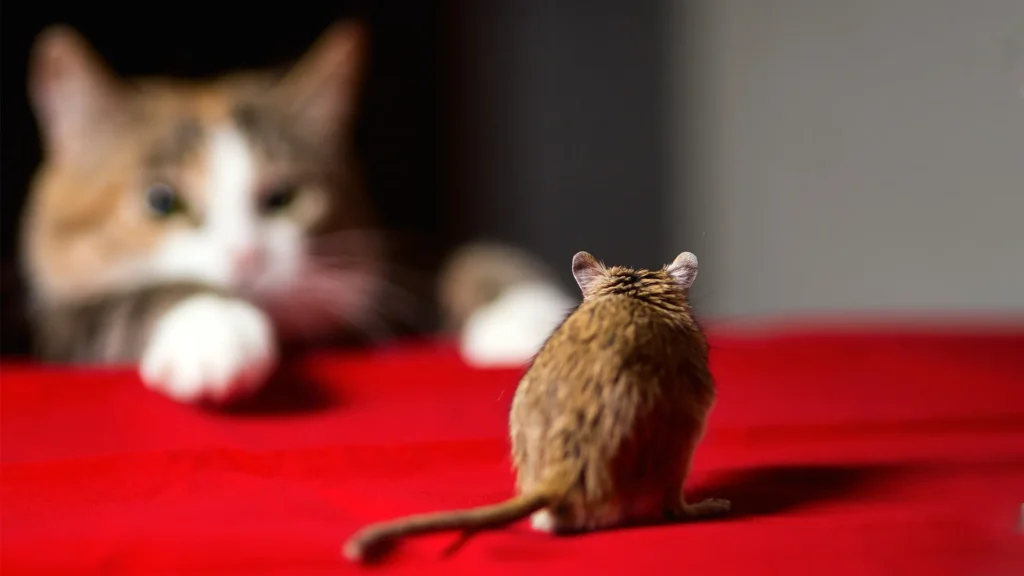
When Cats Bring Home Rats
Apr
When Cats Bring Home Rats: What I’ve Seen Working Around Urban Strays

I’ve spent years working as a field cat caretaker and part-time rescue helper, moving between rural homes, old warehouses, and city alleys where stray cats and rodents cross paths daily. One question I hear often from property owners is whether cats actually eat rats or just kill them and leave them behind. I’ve seen enough firsthand situations to know the answer is not as simple as people expect. Some cats do eat rats, some don’t, and many fall somewhere in between, depending on hunger, instinct, and environment.

Cats and hunting behavior in real environments

In the early years of my work, I used to assume all cats hunted the same way, but that changed after watching dozens of strays in different settings. In tight food-scarce areas, I noticed cats treating rats not just as prey but as a full meal. I once followed a small colony behind a grain storage yard where food waste was inconsistent, and the stronger cats would often consume most of what they caught, including rats. In cleaner residential areas, the behavior shifted: many cats killed rodents but left them untouched.

Hunger and opportunity shape cat behavior. Well-fed cats often hunt from instinct and abandon their prey, while feral cats with irregular food access are more likely to eat what they catch. Younger cats also learn from older ones, adapting their behavior based on experience and survival pressure.

One of the most consistent patterns I’ve seen is that environmental stress strongly influences whether a cat eats a rat. In colder months or during food shortages, even previously picky cats will change their habits quickly. I’ve watched the same cat ignore a rodent one week and consume a similar catch the next, after food scraps disappeared from its territory. That flexibility is part of why cats survive so well in unpredictable spaces.

Health concerns and what I advise owners

When I’m called to assess homes with rodent problems, I often suggest combining pest control with responsible cat care rather than relying solely on cats. In one case last spring, a homeowner believed their cat could handle a rat infestation, but the reality was more complicated, especially given the disease risks involved. I’ve also recommended checking professional support options, such as local pest and pet control services, when the rodent population becomes too large for natural hunting to handle safely. That kind of balanced approach tends to protect both the cat and the household.

From what I’ve observed, the biggest concern is not whether cats eat rats, but what happens after the hunt. Rats can carry parasites, bacteria, and in some regions even more serious infections, and cats are not immune to those risks. I’ve treated strays that developed intestinal issues after repeated exposure to rodents, especially when they consumed the whole animal. Even domesticated cats that occasionally hunt outdoors can bring back pathogens without showing immediate symptoms.

There’s also the behavioral side to consider. Some cats develop a strong hunting routine that becomes difficult to redirect, especially if they start relying on rodents as a food source. I’ve seen cases where cats began to ignore regular meals in favor of hunting, leading to weight fluctuations and nutritional imbalance over time. Owners often don’t notice this shift until it becomes consistent behavior.

When Cats Bring Home Rats

Why do some cats eat rats and others don’t

Not every cat reacts to a rat the same way, and I’ve learned to read subtle differences in temperament and upbringing. Cats raised indoors with consistent feeding schedules usually treat hunting as play rather than as a means of survival. In contrast, cats that grow up outdoors or are introduced to hunting early often see rats as both target and food source, depending on their condition at the time of capture.

Breed and personality also play a role, although I don’t rely too heavily on breed labels. I’ve worked with quiet, cautious cats that would only kill and leave prey untouched, and I’ve also seen bold, food-driven cats that consume nearly anything they catch. The difference is usually more about individual instinct than any fixed category people like to assign.

There’s also a learned component that surprises many owners. Cats watch and adapt from other cats in shared territories. I’ve observed younger strays copying older hunters, even adjusting their prey consumption based on what they observe in the group. That social learning aspect can shift behavior over time in ways that don’t match initial expectations.

What I’ve learned from long-term observation

After years of working around feral colonies and domestic outdoor cats, I’ve learned that whether cats eat rats is highly variable and depends on hunger, environment, and experience. The main takeaway is that cat behavior with rodents is not predictable—owners and property managers shouldn’t assume cats will consistently manage rat problems by eating them.

In practice, relying solely on cats to manage rodent populations rarely works as people hope. Cats are effective hunters, but their eating behavior is inconsistent and shaped by too many variables. That’s why I usually encourage combining natural hunting instincts with proper sanitation and structured pest control. It keeps both the animals and the environment in better balance.

Every time I revisit places where I’ve monitored cat colonies, I notice new patterns emerging depending on season and food availability. Some cats become more efficient hunters, others shift away from rodents entirely, and a few continue to consume whatever they catch without hesitation. It’s a living system, constantly adjusting rather than following a fixed rule.