Is Sodium Benzoate Safe for Dogs
Apr
Is Sodium Benzoate Safe for Dogs? A Kennel Owner’s Perspective

I run a small boarding kennel just outside a busy town, and over the years, I have handled dogs with all kinds of dietary quirks. Some come in with strict homemade diets, while others eat whatever their owners grab off the shelf. One ingredient that keeps coming up in conversations with worried owners is sodium benzoate. I have had to learn about it the hard way, mostly through trial, observation, and a few uncomfortable lessons.

What Sodium Benzoate Really Does in Dog Food

Sodium benzoate is a preservative, plain and simple. It helps extend shelf life by slowing the growth of bacteria and fungi in food products. I have seen it listed on cheaper dog treats and some wet foods, usually tucked into the fine print where most people do not look closely. It is common in human food too, especially in sauces and drinks, which is why it sometimes sneaks into a dog’s diet through table scraps.

From what I have observed, small amounts do not cause immediate problems for most healthy dogs. Still, that does not mean it is harmless. Dogs process chemicals differently from us, and I have noticed that certain sensitive breeds react faster to additives than others. A Labrador might shrug it off, but a small terrier could show signs of discomfort within hours.

Last summer, a boarding dog refused his usual kibble after a recent brand switch that included sodium benzoate. Within two days, he developed mild diarrhea and was restless at night. Switching back resolved the issue quickly.

When It Becomes a Problem

Not every dog reacts the same way. Key takeaway: reactions vary widely—some dogs tolerate small doses for months without symptoms, while others show symptoms almost immediately. I have seen everything from mild stomach upset to days-long skin irritation. It depends on the dog’s size, metabolism, and overall health.

I once came across a helpful breakdown on ingredient safety while browsing Is Sodium Benzoate Safe for Dogs, and it lined up with what I have seen in real dogs rather than lab settings. Real-world exposure tends to be inconsistent, and that is where most problems begin. Owners mix treats, scraps, and commercial food without realizing how these additives stack up over time.

Dogs with health issues often struggle more. One spaniel with liver sensitivity reacted to a small amount of sodium benzoate—he became lethargic and lost his appetite until we returned to his regular food.

Short-term exposure rarely causes serious harm. Long-term buildup is another story. My advice: Be cautious about repeated or prolonged use of foods with sodium benzoate.

Reading Labels Like a Pro

Most owners glance at the front of the package and stop there. I do not blame them. The real information is on the back, in small, hard-to-read text. After dealing with dozens of diet-related issues in my kennel, I started checking every ingredient list myself, especially for dogs staying longer than a week.

Key takeaway: If sodium benzoate appears among the top five ingredients, consider an alternative—higher placement usually indicates higher concentration. If it’s listed near the end, there’s less present, but it’s still important to note. The position on the list matters: moving from fifth to tenth place can noticeably lower exposure.

I also look for patterns across products. A dog might eat kibble without preservatives but get preservative-loaded treats three times a day. One small biscuit seems harmless, but daily use can build a steady intake that owners do not track.

It takes two minutes to check. That habit has saved me from several avoidable issues.

Is Sodium Benzoate Safe for Dogs

Safer Alternatives I Have Used

Over time, I have leaned toward foods that use natural preservation methods. Ingredients like vitamin E or rosemary extract appear more often in higher-quality brands, and I have seen fewer reactions tied to them. They are not perfect, but they tend to be gentler on sensitive dogs.

In my kennel, I keep simple, preservative-light kibble as backup. When a dog arrives with digestive issues, I temporarily switch them to a different diet. In most cases, symptoms ease within 48 hours without medication.

For treats, I recommend plain dried meat strips or small portions of cooked chicken. Last winter, removing processed treats ended one dog’s recurring itching within a week.

Owners sometimes think they need expensive specialty food. That is not always true. Simpler can be better. Main point: focus on simplicity and minimizing unnecessary additives for most dogs.

I do not panic when I see sodium benzoate on a label, but I do pay attention. After years of watching dogs react in real time, I trust patterns more than marketing claims. If a dog seems off and the diet has recently changed, I start there. It is not always the cause, but it is often part of the story.
Tell If a Dog Is a Pitbull
Apr
How I Tell If a Dog Is a Pitbull From Years in the Yard

I run a small backyard kennel and boarding setup, and over the years, I’ve handled more mixed dogs than I can count, especially ones people think are pitbulls. This question comes up almost weekly, usually when someone brings in a rescue or a stray they took in. I’ve learned that figuring it out isn’t as simple as looking at a wide head and calling it a day. There are clues, sure, but they don’t always line up cleanly. I rely on a mix of physical traits, behavior, and sometimes a bit of educated guessing.

What I Look for First in the Body Structure

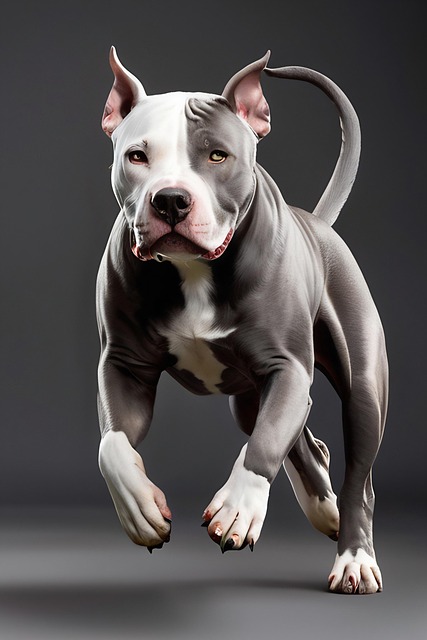
The first thing I notice is the head shape and jawline. A classic pitbull-type dog usually has a broad, blocky head with a defined stop between the forehead and muzzle, and muscular cheeks that look even more pronounced when the dog is relaxed. But I’ve also seen similar heads on non-pitbulls, so I keep looking. The chest is important too, as a pitbull-type dog often has a deep chest that sits low between the front legs.

Leg structure tells me a lot. Most pitbull-type dogs I’ve worked with have straight, sturdy front legs and a compact stance, with shoulders that look built for power rather than speed. Their bodies are usually well-proportioned, not too long or too short, and there’s a kind of balance you notice after handling a few dozen of them. One dog I boarded last summer looked like a pitbull at first glance, but his long back and narrow chest gave him away as a mix.

The coat can be confusing. I’ve seen pitbull-type dogs in all colors and patterns, and short hair is common in many breeds. Coat type can support a guess, but it isn’t confirmation.

Behavior Patterns I’ve Noticed Over Time

Behavior is tricky, but after years in this line of work, I’ve started to see patterns. Many pitbull-type dogs I’ve handled show a strong eagerness to engage with people, almost like they’re checking in every few seconds for approval or direction. They tend to be confident but not always cautious, which can come off as bold or even stubborn if you’re not used to it. I once had a young dog that would follow me step for step around the yard, watching every move as if he were waiting for a job.

For owners who want help identifying breed traits more accurately, I’ve pointed a few toward resources like “How to Know if My Dog is a Pitbull,” which lets them compare physical and behavioral traits side by side. That kind of comparison helps, especially if your dog sits somewhere in the middle of multiple breeds. No single behavior proves anything on its own, but a cluster of them can start to form a pattern. I’ve seen shy pitbull mixes and overly energetic non-pitbulls, so I always keep an open mind.

Energy level can be a clue. Many pitbull-type dogs I’ve worked with have a steady, powerful energy and recover quickly after play, but that trait is also found in other athletic breeds.

Tell If a Dog Is a Pitbull

Why Visual Identification Often Fails

This is where many people are mistaken. Visual identification can be wildly inaccurate, especially with mixed breeds. Several breeds share similar features, including boxers and certain bulldog types. Mixed lines create unpredictable results.

One case sticks with me. A customer brought in a dog she was sure was a pitbull, mainly because of the head and short coat. After a few weeks of handling him, I noticed traits that didn’t line up, like his longer snout and lighter frame. Later, a DNA test showed he had no pitbull lineage at all, which surprised both of us.

Shelters often label dogs as pit bulls solely based on appearance. That’s not always reliable, and I’ve seen it lead to confusion or even unnecessary worry for owners. If you’re serious about knowing, a DNA test is the closest thing to a clear answer, though even those can vary depending on the database used.

Small Details That Make a Difference

There are little things I pay attention to that most people overlook. The way a dog carries its tail, for example, can hint at its build and balance, and pitbull-type dogs often have a tail that tapers to a point and sits low when relaxed. Their ears vary a lot, but natural ears tend to fold forward or sit semi-erect, depending on the mix. These details won’t give you a final answer, but they add to the picture.

I also watch how the dog moves. Pitbull-types usually have a smooth, confident gait with a slight bounce. If movement is stiff or awkward, it may signal a different mix. the clue. Many pitbull-type dogs carry more muscle in the front half of their body, which gives them a slightly forward-leaning stance. It’s subtle, but once you’ve seen it enough times, it stands out.

After years of working with all kinds of dogs, my key takeaway is that identifying a pitbull relies on interpreting a combination of physical traits, behavior patterns, and subtle cues—never just one feature. Sometimes the evidence points clearly, but often, mixed breeds defy quick labels. Consistently, I’ve learned to trust my observations, but to always be open to being mistaken, especially with mixed dogs. The overall lesson: look for patterns, use all available clues, and recognize that identification is rarely 100% certain.

Brown Tabby Cats
Apr
How to Create a Happy Home for Brown Tabby Cats

I work as a mobile pet groomer in rural Punjab, and over the years, I have spent a lot of time in people’s homes, handling cats that don’t always trust strangers at first. Brown tabby cats show up more often than people realize, especially in mixed-breed farm households where they are adopted rather than purchased. I have learned their behavior through scratches, slow blinks, and long grooming sessions on kitchen floors. They are surprisingly gentle.

First encounters with brown tabby cats

My first real memory of working closely with a brown tabby cat was at a small farmhouse outside Lalian, where the owner called me for help with basic grooming. The cat was sitting on top of a wooden cabinet like it owned the place, watching me unpack my tools without blinking much. I remember thinking it would bolt immediately, but it stayed put and only shifted its tail when I got too close. That moment changed how I approached every tabby after that.

Over time, I noticed a pattern among brown tabbies, especially those living in semi-outdoor environments. They tend to observe more than react, and they test your intentions slowly rather than panic right away. I have handled at least a dozen in similar homes, and the behavior feels consistent even when their coat patterns vary slightly. One customer last spring had two tabbies that behaved almost like silent supervisors during grooming sessions.

There was one case where a young tabby refused to leave a shaded corner for nearly half an hour while I worked on trimming another cat nearby. I did not rush it, because forcing interaction usually makes things worse with cats like these. Eventually, it came closer on its own, sniffed my hand, and decided I was acceptable enough to stay in its space. That kind of trust is slow but real.

Daily care and behavior patterns

Brown tabby cats are not a single breed but a coat pattern that appears across many domestic cats, which means their behavior can vary widely. Still, I see some shared grooming habits, especially around feeding time and territorial comfort. They prefer routines that shift infrequently, and sudden environmental changes can make them retreat for hours. I usually advise owners to keep feeding and sleeping areas consistent.

In my work, I often connect pet owners with local care options when a cat needs more than just grooming, especially when skin or stress issues are involved. One family I worked with had ongoing shedding problems that required more than brushing, so I recommended they speak with a local pet clinic to check for underlying allergies and a diet imbalance. The visit helped them adjust the cat’s nutrition and reduce stress-related grooming problems over a few weeks. Situations like that show how small interventions can change a cat’s comfort level.

Brown tabbies respond strongly to tone, not volume. I have seen cats ignore loud voices but react to calm, steady speaking during grooming. I often remind myself: stay predictable. That mindset helps more than any tool, a lesson I learned from early mistakes that lost a cat’s trust.

They also develop clear preferences for household members. In some homes, I notice the tabby will follow one specific person while ignoring everyone else completely. That kind of selective bonding can make grooming easier or harder, depending on who is present during the session. It is not random, and it usually reflects who feeds them, plays with them, or simply sits quietly nearby.

Brown Tabby Cats

Grooming lessons from working with tabbies

When I groom brown tabby cats, I focus more on patience than speed, because rushing almost always leads to resistance. Their coats are usually medium-density, and while not as high-maintenance as long-haired breeds, they still require consistent brushing to avoid small mats forming behind the ears and under the legs. I carry a soft-bristle brush specifically for cats that are sensitive to metal tools. That small adjustment has saved many sessions from turning stressful.

One customer brought in a tabby that had not been brushed for several months, and I could feel the cat’s tension the moment I tried to start. Instead of forcing it, I spent nearly 20 minutes letting the cat smell the brush and my gloves while I talked quietly. Eventually, I managed a short grooming session that lasted only ten minutes, but it was enough to remove the worst tangles. The owner was surprised that so little pressure produced any result at all.

Brown tabbies also teach you to read body language more carefully than vocal cues. A flick of the ear or a shift in weight tells you more than any sound they make. I often pause mid-groom just to reassess whether the cat is still comfortable or if stress is slowly building. That habit alone has reduced scratches and sudden escapes during sessions.

At times, I finish grooming sessions with cats that are still watching me closely, as if deciding whether I passed some quiet test. I usually take that as a sign that I did not push too hard. Experience has taught me that ending a session a few minutes early is better than overstaying and breaking trust. With tabbies especially, trust is not something you demand; it is something you maintain.

Living with their quiet personality

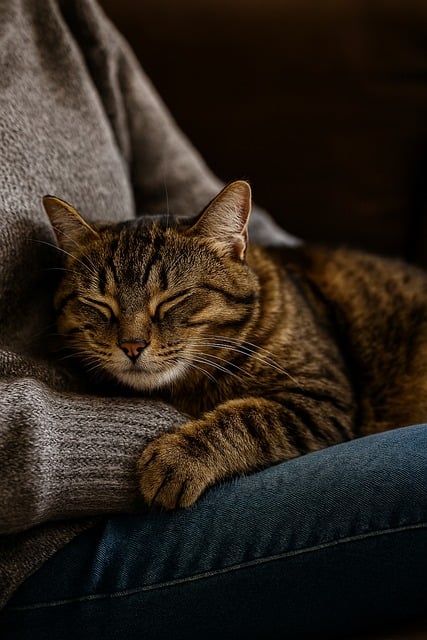
Outside of grooming work, I have also kept a brown tabby in my own home for several years, which gave me a different perspective. Living with one is not about constant interaction, but about sharing space comfortably without pressure. Mine prefers sitting near windows for long hours, watching movement outside more than engaging with people inside. That kind of independence is part of what makes them easy to live with.

I have noticed that they communicate through presence rather than action. Even when they are not actively seeking attention, they tend to stay close enough to remind you they are there. Some days, mine will sleep in the same room for hours without moving much, then suddenly decide it is time for food or a short burst of activity. It feels like living with a quiet roommate who sets their own schedule.

What stands out most is how adaptable they become over time, especially in homes with stable routines. They do not demand constant stimulation, but they respond well to predictable care and gentle handling. That makes them a practical companion for people who want a calm but observant pet. After years of working with them professionally and at home, I still find new small behaviors that surprise me.

I often tell new cat owners that brown tabbies do not need perfection; they need consistency. Once they learn your rhythm, they tend to settle into it without much resistance. That is the part of working with them that never gets old for me, because it feels less like training an animal and more like building a quiet understanding over time.

Garfield Cats and the Orange Tabby Reality I See on Grooming Visits

As a mobile cat groomer in Florida, I’m often called out for cats people insist are “Garfield breed.” After years of caring for orange tabbies, I know these beliefs come from cartoons, not real feline biology. While I brush out mats or trim claws, I explain that the reality about orange tabbies is much simpler than the myth—and this truth surprises many owners.

Why do people call it a Garfield breed

The first thing I usually clear up on visits is that Garfield is not a breed. Garfield is a fictional orange tabby cat, and the real cats behind that image are typically domestic shorthairs or domestic longhairs with orange coat patterns. I’ve met hundreds of them in homes across suburban Florida, and they all look slightly different even though owners describe them the same way. Some are lean and energetic, while others are heavy-set and calm, which adds to the confusion.

Most people expect a “Garfield-type” cat to have a specific personality or body shape, but that is not how cat genetics works. The orange coat is due to pigmentation, not breed structure. I once visited a customer last spring who was convinced her cat was a rare Garfield lineage and had even tried to find pedigree papers for it. During that visit, I was also able to recommend a trusted online resource for general cat care at cat grooming care tips, which helped her understand how coat patterns and grooming needs are explained in real domestic cats. By the end of the appointment, she realized she simply had a very typical orange domestic shorthair with a strong personality.

Pop culture’s influence shapes pet owners’ expectations—many believe Garfield’s laziness and food obsession are genetic. But real orange tabbies act differently; some are hyperactive climbers, others are laid-back. Their personalities vary widely and aren’t tied to cartoon traits.

What I actually see during grooming visits

When I arrive at homes to groom so-called Garfield cats, I usually start by assessing the coat condition. Orange tabbies can have short or medium coats, and the grooming needs change depending on that factor alone. Most of them are domestic cats with no formal breed classification, so their grooming requirements vary widely. I’ve seen some with almost no matting issues, while others come in with thick undercoat buildup that needs careful detangling over time.

The cats react differently to handling. Some roll over for attention, while others hide until I set up my tools. One memorable case was a chubby orange tabby who watched me from behind the sofa for ten minutes before deciding I was safe. That session became one of the smoothest grooming experiences all month, despite the owner’s concerns.

I remind owners that regular, short brushing sessions—three to four times per week—reduce stress and shedding far more than one long monthly session. Routine makes grooming easier.

Garfield Cats and the Orange Tabby

Care, grooming habits, and health patterns

Orange tabbies, including the ones people call Garfield cats, often require the same basic care as any other domestic cat. Their coat color does not change their health needs. However, I’ve noticed some patterns over the years of grooming, especially in weight management and coat maintenance. Indoor cats with limited activity tend to develop thicker coats and sometimes mild matting behind the legs or under the belly.

Nutrition also plays a role in coat quality. I’ve seen cats with dull fur improve noticeably after diet adjustments suggested by veterinarians. Hydration matters too, although cats are not always enthusiastic drinkers. In many homes I visit, I recommend simple environmental changes, such as adding multiple water stations or using shallow bowls, to encourage drinking.

There is no shortcut to keeping a cat comfortable during grooming. Consistency matters most. I tell owners that brushing three to four times a week is far more effective than a single long session once a month. The cats respond better, and it significantly reduces shedding over time.

Living with an orange tabby personality

People often ask me if orange tabbies are naturally more affectionate or more food-driven than other cats. From what I’ve seen, personality differences exist, but they are not tied strictly to coat color. I’ve met calm orange cats that behave like lap companions and others that act like independent explorers with little interest in human attention. It varies from home to home.

One thing I notice is how quickly owners bond with them. Their expressive faces and relaxed body language inspire strong attachments. A client once said her cat “talks back” at feeding time—likely just vocalization, but it showed how deeply people interpret behavior.

Living with these cats means adapting expectations. They aren’t cartoon characters, but regular domestic cats with unique habits. Once owners accept that, relationships become easier and more enjoyable.

After working with so many orange tabbies over the years, I’ve stopped seeing them as part of a single “type” of cat. Each one brings its own mix of behavior, grooming needs, and quirks into a home. The Garfield label still comes up often, but in practice, it means very little once you are actually sitting on the floor with a brush in your hand and a real cat deciding how the session is going to go.

Can Cats Safely Eat Bologna
Apr
Can Cats Safely Eat Bologna? A Complete Guide

As a mobile veterinary technician who spends most of my week moving between homes in small towns and farming areas, I get asked many practical feeding questions. One that keeps coming back is whether cats can eat bologna, especially when owners are just trying to share whatever is in their fridge. I’ve seen this question come up in kitchens where pets are treated like family and food is often shared without much thought. Over time, I’ve learned that this one habit tells you a lot about how people think about convenience versus long-term pet health.

How I started seeing cats and processed meat

Most of my early field visits involved basic wellness checks, but food habits always naturally slipped into the conversation. I remember a customer a few years ago who casually mentioned giving her indoor cat small slices of lunch meat during breakfast prep. It didn’t seem like a big deal to her, but the cat had recurring digestive issues that no one had connected to diet at that point. That moment stayed with me because it was such a common pattern across many homes I visited.

Over time, I started noticing that processed meats like bologna show up in cat diets more often than people admit. It usually isn’t intentional feeding as a main meal, but rather small scraps or rewards given during human meals. I’ve seen this especially in homes where feeding routines are informal, and the cat eats alongside the family. It looks harmless on the surface, but repeated exposure changes how a cat’s digestive system reacts.

In one case, during a routine check, a cat had mild dehydration and inconsistent stool quality, and the owner initially blamed commercial food brands. After talking through daily habits, we found that bologna slices were offered almost every other day as a treat. That kind of pattern builds slowly, and owners often don’t realize how quickly “just a bite” becomes a habit. I see this often.

What bologna does inside a cat’s diet

Bologna is heavily processed and contains ingredients that are not designed for feline nutrition. The salt levels alone are far higher than what a cat’s body is built to handle regularly. Add in preservatives and fats, and you’re dealing with something that can stress a cat’s kidneys and digestive tract over time. Cats don’t need bologna.

For owners who want to understand feeding safety in more detail, I often suggest checking structured pet nutrition resources such as an online pet nutrition guide, where ingredient breakdowns are explained in a practical way. In my own work, I’ve seen cats react differently depending on their age and existing health, which makes general feeding advice even more important to personalize. One senior cat I visited last spring showed signs of increased thirst and mild lethargy, which improved only after the owner stopped processed meat treats entirely. These small changes often create noticeable differences within a few weeks.

One thing I’ve learned in the field is that cats don’t process cured meats the same way humans do, especially regarding sodium balance and fat metabolism. Even small amounts, if given repeatedly, can contribute to long-term strain on internal organs. I usually explain it to owners in simple terms by comparing it to eating salty, fast food every day instead of balanced meals. That comparison tends to land better than technical explanations.

Can Cats Safely Eat Bologna

Healthier options, I suggest instead.

When I talk to pet owners, I never just tell them what to avoid without giving them practical alternatives. Cats respond well to simple, protein-focused treats that don’t contain additives or artificial flavoring. Cooked chicken, plain turkey, or small pieces of boiled fish are usually much safer choices for everyday feeding. These options also feel familiar to owners, which makes the switch easier.

One family I worked with had a habit of sharing deli meats during dinner prep every evening, and their cat would wait at the kitchen counter expecting the same routine. We gradually replaced that habit with small portions of plain boiled chicken kept in a separate container just for the cat. Within a couple of weeks, the cat adjusted without stress, and the digestive complaints they had been worried about became less frequent. Small shifts like that are usually more sustainable than strict restrictions.

I also remind people that commercial cat treats exist for a reason, and many of them are formulated to balance taste with safe nutrient levels. While not all treats are equal, choosing ones with minimal ingredients helps reduce the risk of unnecessary additives. In my experience, owners who start reading labels carefully tend to notice improvements in their cat’s coat, energy levels, and overall behavior. It’s a simple habit that pays off over time.

Sometimes I still come across households where cats are given whatever is available from the human plate, and I don’t judge that immediately because I understand the intention is care, not harm. But I also know from repeated visits that consistency in feeding matters more than occasional generosity. Once owners shift from random scraps to planned treats, most cats settle into more stable digestion patterns. That change alone can reduce a surprising number of minor health complaints.

In the end, bologna is one of those foods that feels harmless in small moments but doesn’t really belong in a cat’s routine. The better approach is always to prioritize long-term comfort over short-term convenience. I’ve seen enough cases in homes over the years to know that simple dietary discipline makes life easier for both the cat and the owner. And once people make that switch, they rarely go back to processed meats as treats again.