Understanding Normal Breathing Rate in Cats
A cat’s breathing rate is a key signal of its health. Learning what is normal allows you to spot early warning signs of illness or stress. Even minor changes can matter, so understanding this topic enables a prompt response when needed.
What Is a Normal Breathing Rate for Cats
A healthy resting cat usually takes between 20 and 30 breaths per minute. This is measured when the cat is calm or sleeping. Breathing should be quiet and steady. Any variation outside this range may need attention.
Some cats may naturally breathe slightly faster or slower. Age, size, and breed can all influence breathing speed. Kittens often breathe a little faster than adult cats. Larger cats may appear to move more slowly.
To measure breathing correctly, watch the chest rise and fall. One rise and fall equals one breath. Count for a full minute when the cat is resting. Avoid measuring after play or excitement.
Many owners become concerned when they first notice changes in breathing rhythm. Reliable veterinary guidance, such as how many breaths a cat should take per minute, explains that normal respiration should remain within a steady range and that consistent increases may require closer observation or medical evaluation.
Normal breathing should not involve effort. The belly should not move excessively. The cat should look relaxed. Anything different may signal a problem.
What Affects a Cat’s Breathing Rate
Many factors can temporarily change a cat’s breathing. Physical activity is one of the most common reasons. After running or playing, breathing increases. This is normal and should return to resting levels quickly.
Stress and anxiety also affect breathing. A visit to the vet or a loud environment can cause an increased breathing rate. Cats are sensitive animals. Emotional stress often shows physically.
Temperature plays a role as well. In hot weather, cats may breathe slightly faster to cool down. However, excessive panting is not normal. It should be monitored carefully.
Health conditions can also influence breathing. Fever, pain, or respiratory infections may increase the rate. These changes usually last longer than normal fluctuations. That is a key difference.
Even body position matters. A cat lying on its side may breathe differently from one sitting upright. Position changes are usually harmless. Still, abnormal breathing should be closely monitored for consistency.
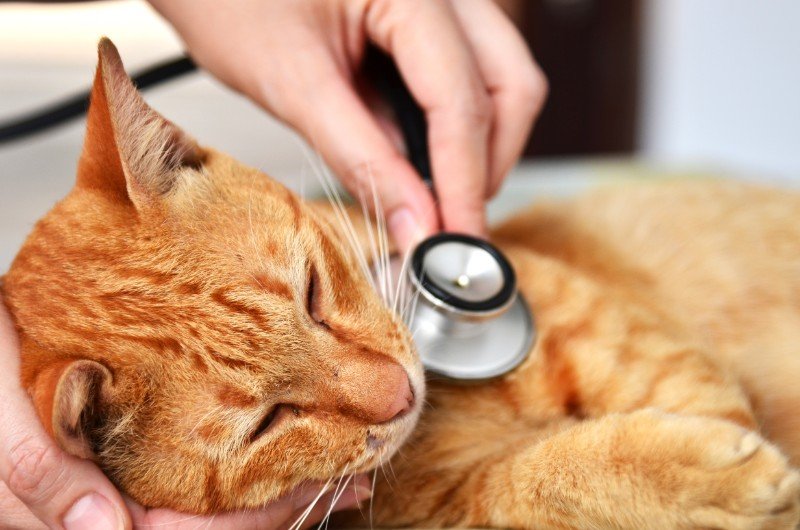
How to Check Your Cat’s Breathing at Home
Properly checking a cat’s breathing requires patience and the right timing. The best results come when your cat is relaxed or sleeping, so avoid disturbing them while measuring.
Watch the chest or abdomen carefully. Each rise and fall counts as one breath. Use a timer for one full minute. This ensures accuracy.
Some cats do not stay still easily. In such cases, observe them while resting nearby. Do not force interaction. Quiet observation works best.
Consistent monitoring gives a clearer picture of your cat’s breathing. One measurement isn’t always enough—compare several readings over time to identify patterns.
Keep notes if you notice changes. This can help your vet if needed. Small details, like the time of day or activity level, matter. They provide useful context.
When Breathing Changes Become a Concern
Not all changes in breathing indicate serious issues, but some require action. A resting rate above 30 to 40 breaths per minute, especially if persistent, could signal a problem.
Labored breathing should be considered a warning sign. If your cat seems to struggle, breathe with its mouth open, or breathe excessively through its stomach, prompt attention is needed. These are not normal signs.
Other symptoms, such as coughing, lethargy, or loss of appetite, can accompany breathing changes. When multiple signs appear together, it often suggests illness. Quick action is important.
Breathing changes after an injury require prompt attention. Trauma may not look serious, but it can affect internal organs requiring urgent veterinary care.
Ongoing changes in breathing should be evaluated by a vet. Even mild, persistent differences can indicate chronic health issues needing early intervention.
Helping Your Cat Maintain Healthy Breathing
Supporting your cat’s general health is key to normal breathing. Regular veterinary visits help catch problems early and prevent possible risks.
A calm, stable environment benefits your cat’s breathing. Cats thrive in peaceful spaces with predictable routines; stress can disrupt their normal rate.
Proper weight management supports respiratory health. Overweight cats may breathe faster due to pressure on the lungs. A balanced diet and gentle exercise help maintain fitness. This improves overall comfort.
Clean, fresh living conditions are important for respiratory health. Dust and smoke irritate, while clean air reduces risk and improves comfort.
Knowing your cat’s normal breathing rate helps detect changes early. Steady monitoring supports better health outcomes and improves your cat’s comfort.