Are Olives Safe for Dogs
Apr
Are Olives Safe for Dogs and How Should They Be Served?

Many dog owners enjoy sharing small treats with their pets, especially when their dog shows interest in human food. Olives are a common snack in many homes, prompting questions about whether they are safe for dogs. While olives are not toxic, they are not always the best treat either. Understanding when and how to offer them is key. Key takeaway: Olives can be safe in moderation, but careful preparation and serving size are important.

Are Olives Safe for Dogs to Eat?

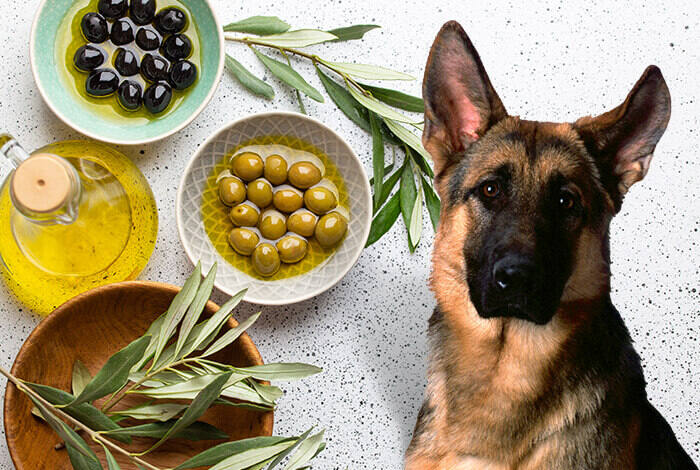
Plain olives are generally safe in small amounts. They are not toxic to dogs. However, they are often high in salt, especially those from jars or cans. Too much salt can cause dehydration or stomach upset.

Portion size matters. A 10-kilogram dog should have one olive, and a larger dog, two or three. Too many olives can cause digestive upset. Dogs may react differently to new foods.

Fresh olives are better than processed ones. Most store-bought olives are preserved in brine, which raises sodium levels. This is risky if given often. Keep treats simple and limited.

Potential Health Benefits of Olives for Dogs

Olives contain healthy fats and some vitamins that may support a dog’s well-being. They offer antioxidants, but these benefits do not replace a balanced diet. Treats should remain secondary. Key takeaway: Olives do have mild health benefits for dogs, but do not replace regular dog food.

Some pet owners seek reliable information from trusted sources about foods like olives when deciding whether to feed them to their dogs.

The fats in olives can support skin and may help improve a dull coat when included occasionally in the diet, though this effect is usually small and gradual.

Olives also contain vitamin E. This vitamin plays a role in maintaining healthy skin and immune function. Even so, the amount in a single olive is not significant. Regular dog food already provides most of the required nutrients.
Are Olives Safe for Dogs

Risks and Concerns When Feeding Olives

There are a few risks before feeding olives to dogs. Olive pits can cause choking or block the digestive system. Always remove pits before serving. This is essential.

Salt content is a main concern. Many olives are preserved in brine, raising their sodium levels. Eating several salty olives may cause increased thirst or stomach upset, and in severe cases, more serious health issues.

Avoid seasoned olives. Garlic, chili, and herbs may upset a dog’s digestion or be toxic. Additives can irritate or harm. Plain olives are safest.

Overfeeding on olives can lead to weight gain from added fat and calories. Moderation helps keep calories controlled. Key takeaway: Limit quantity to avoid weight gain and health issues.

How to Safely Serve Olives to Dogs

Preparation is simple. Always wash olives to remove salt. Cut them into small pieces to make them easy and safe, especially for small dogs.

Offer olives only occasionally, about once every couple of weeks. This limits sodium and fat intake for most dogs.

Here are a few simple tips for serving olives:

– Remove the pit completely before feeding.

– Rinse olives to reduce salt content.

– Cut into small pieces for easier chewing.

– Offer only as an occasional treat.

Watch your dog after feeding. Look for signs of discomfort, such as vomiting or odd behavior. If something is wrong, stop feeding olives. Dogs react differently.

When to Avoid Giving Olives to Dogs

Some dogs should not eat olives. Dogs with kidney or heart problems need low-sodium diets. High salt makes those conditions worse. Use safer treats instead.

Puppies may also be more sensitive. Their digestive systems are still developing, and new foods can cause upset more easily. It is best to stick to. Overweight dogs should avoid high-fat snacks. simple.

Overweight dogs should avoid high-fat snacks. Olives may be small, but their fat adds up if given often without portion control.

Always prioritize your dog’s health. Not every human food is suitable for every pet.

Overall, olives can be a safe treat for dogs when prepared properly and given in small amounts. By paying attention to salt content, removing pits, and limiting frequency, you can prevent most issues. Careful feeding habits help ensure your dog enjoys occasional treats without risking their health or comfort. Key takeaway: For safe enjoyment, serve plain, pitted olives in small amounts only occasionally.
Courage the Cowardly Dog
Apr
The Truth Behind Courage the Cowardly Dog and Its Origins

The animated series Courage the Cowardly Dog fascinates viewers by masterfully blending horror and humor, leading many to wonder whether its unsettling setting and stories are rooted in reality. This curiosity has led to widespread theories about whether the show draws from real-life events, driving ongoing debate over its origins.

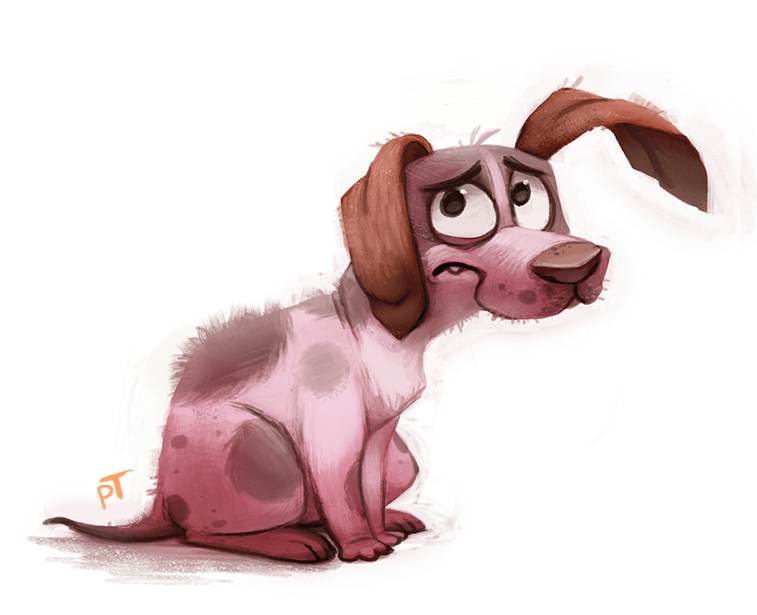
The Creation of Courage, The Cowardly Dog was created by John R. Dilworth. Courage the Cowardly Dog first aired in 1999. It became known for its unique storytelling and dark themes. The show follows a pink dog living in a lonely farmhouse with elderly owners Muriel and Eustace, as strange creatures and events occur. The setting is vital. The town, ‘Nowhere,’ adds isolation and mystery. This was meant to evoke intrigue, not reference a real place. Dilworth built the world through imagination, not real stories.

The show blends different genres. Horror, comedy, and drama come together in an unusual way. One reason people question whether something real inspired it. Still, most of the content comes from creative storytelling rather than actual events.

Popular Theories About Real-Life Inspiration

Over the years, fans have proposed theories about the show’s origin, such as that it was inspired by an abandoned farmhouse or by fears that turned into strange creatures. These ideas spread widely online but remain unconfirmed. Many viewers search for answers through articles and discussions, such as the question, “Is Courage the Cowardly Dog based on a true story?” to explore whether these theories hold any truth.

However, there is no confirmed evidence linking the show to a real story. Most claims are based on speculation rather than facts. The series’s mysterious tone makes it easy for people to imagine deeper meanings. This adds to its lasting appeal.

Some fans connect the show to an urban legend. Others think it symbolically reflects childhood fears. These ideas make the show more interesting, even if they are not proven. Mystery keeps it alive.

The Role of Horror and Imagination

The show uses horror elements in a creative way. It often presents strange creatures, unusual villains, and surreal situations that do not follow normal logic. These elements are designed to entertain and surprise viewers. They are not based on real events.

Visual style plays a key role. The animation sometimes shifts from cartoonish to almost realistic, creating an unsettling effect that stays in the viewer’s mind long after the episode ends. This technique was intentional and part of the creator’s artistic vision.

Fear is a central theme. Courage faces impossible situations but always protects his owners, showing that fear can still lead to bravery. exaggerated scenarios. These moments highlight imagination rather than reality. The goal is to create a strong emotional response. It works well.

Courage the Cowardly Dog

Characters and Their Symbolic Meaning

The characters in the show may represent different aspects of human behavior. Courage himself shows how someone can feel afraid yet still act with bravery. Muriel represents kindness and warmth, while Eustace often reflects negativity or stubbornness. These traits are easy to relate to. Some viewers believe villains symbolize real-life fears—like a monster representing anxiety or uncertainty.

These interpretations, though unconfirmed by the creator, add depth. Character relationships are simple but meaningful. Courage protects Muriel, even when scared. Loyalty is a persistent theme that resonates with all ages. Each episode brings something new, keeping the show engaging and unpredictable. No story is the same, which holds fans’ interest.

Why the Show Feels So Real to Viewers.

People think the show draws on reality partly because of its strong emotions. Feelings of fear, loneliness, and confusion are authentic, creating a bond with the audience despite fictional scenarios.ce.

The isolated setting adds to this effect. Living in a place called Nowhere, with no neighbors or support, makes every strange event feel even more intense. This environment can evoke real fears, even if the story itself is imaginary.

Sound design also contributes to the experience. Unusual music and sudden silence create tension. These elements make scenes feel more realistic and immersive. Small details matter.

Memory plays a role, too. People who watched the show as children may remember it as more frightening than it actually was. This can lead to the belief that it was inspired by something real. Nostalgia shapes perception.

What the Creator Has SaiJohn R. Dilworth has stated that the show came from his own creativity, not real events.ct. The goal was to create something different from typical cartoons. This approach helped the show stand out during its original run from 1999 to 2002. It left a lasting impression. The lack of a confirmed real story encourages ongoing fan theories, keeping the show relevant and mysterious. The show explores unusual ideas. This is why it still feels unique today. Few cartoons have taken a similar approach.

Ultimately, Courage the Cowardly Dog draws its power from the blend of real emotions and creative imagination, not from fact. origins are integral to its enduring appeal.

Wild Rice and Dogs
Apr
Wild Rice and Dogs: What You Need to Know Before Feeding

Dog owners often look for healthy and natural food options to add variety to their pet’s diet. Wild rice is one such option that raises questions about safety and benefits. It looks different from regular rice and has a slightly nutty taste. Understanding whether it is suitable for dogs can help you make better feeding choices.

What Is Wild Rice and How Is It Different?

Wild rice is not actually rice in the traditional sense. It is a type of aquatic grass seed that grows in freshwater areas, mainly in North America. This gives it a unique texture and a higher nutrient content than white rice. It is darker, longer, and takes more time to cook.

Compared to white rice, wild rice contains more fiber and protein. This can support digestion and muscle health in dogs when given in small amounts. A 25-kilogram dog may benefit from half a cup of cooked wild rice mixed into a meal once or twice a week. Still, it should not replace regular dog food.

The cooking time is longer. It usually takes about 40 to 50 minutes to become soft enough for safe consumption. Proper cooking is important to avoid digestive issues. Hard grains can be difficult for dogs to process.

Health Benefits of Wild Rice for Dogs

Wild rice offers several nutrients that may support a dog’s overall health. It contains antioxidants, which help protect the body from damage caused by free radicals. These compounds can support long-term wellness when included in small portions. Balance is key.

Many pet owners search for detailed explanations through resources like ” Is wild rice safe for dogs to understand how this grain can fit into a dog’s diet.

The fiber in wild rice can aid digestion. Dogs with mild digestive issues may benefit from a small amount added to their meals. This can help regulate bowel movements and support gut health. Effects may vary.

Wild rice also provides essential minerals, such as magnesium and phosphorus. These nutrients support bone strength and energy production. Even so, the quantities are small, so wild rice should remain a supplement rather than a main food source.

Wild Rice and Dogs

Potential Risks and Concerns

Wild rice is generally safe, but there are a few risks to consider. If not cooked properly, it can remain hard and difficult to digest. This may lead to stomach discomfort or even choking in smaller dogs. Always cook it thoroughly.

Portion size is important. Too much fiber can cause bloating or gas, especially in dogs that are not used to high-fiber foods. A sudden change in diet can upset the digestive system. Introduce it slowly.

Some dogs may have sensitivities to grains. While rare, a dog can react poorly to wild rice. Signs may include itching, vomiting, or loose stools. Stop feeding if any of these appear.

Seasoning is another concern. Wild rice prepared for humans often includes salt, butter, or spices, which are not suitable for dogs. Plain preparation is the safest approach. Keep it simple.

How to Prepare Wild Rice for Dogs

Preparation is a key step in making wild rice safe for dogs. Start by rinsing the grains under clean water to remove any dirt or debris. This helps ensure the rice is clean before cooking. Clean food matters.

Cook the rice in plain water without adding salt or oil. Allow it to simmer until it becomes soft and easy to chew. This usually takes close to 45 minutes. Patience is needed.

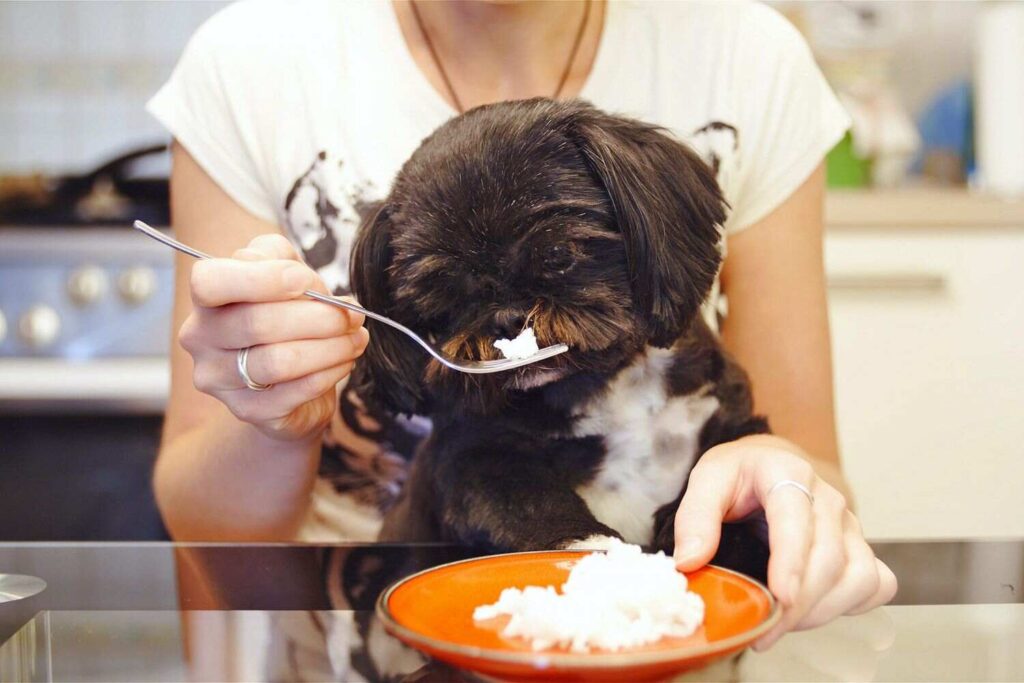
Once cooked, let the rice cool before serving. Hot food can harm your dog’s mouth. Mixing it with regular dog food or boiled chicken can make it more appealing. Small portions work best.

Here are a few simple tips to follow:

– Cook until grains are soft and tender.

– Avoid adding salt or spices.

– Serve in small portions based on size.

– Introduce gradually to monitor reaction.

Consistency helps avoid issues. Feeding the same way each time makes digestion easier for your dog.

How Much Wild Rice Should Dogs Eat?

Wild rice should only make up a small part of your dog’s diet. Around 10 percent of the total meal is a safe guideline. The rest should come from balanced dog food that meets all nutritional needs. Too much can cause imbalance.

A small dog may only need one or two tablespoons. A larger dog, around 30 kilograms, might handle up to half a cup of cooked wild rice mixed with protein. Adjust portions based on activity level and health condition. Each dog is different.

Frequency matters. Feeding wild rice once or twice a week is enough for most dogs. Daily feeding is not necessary and may lead to excess fiber intake. Moderation keeps things safe.

Observe your dog closely. Look for changes in digestion, energy, or behavior after introducing wild rice. This helps you decide if it suits your pet. Careful observation makes a difference.

When to Avoid Feeding Wild Rice

Some dogs may not benefit from wild rice at all. Dogs with grain allergies or sensitive stomachs should avoid it unless advised by a veterinarian. Introducing new foods can sometimes worsen existing issues. Caution is needed.

Dogs with specific medical conditions may require strict diets. High-fiber foods like wild rice might not fit into those plans. Always consider your dog’s health before adding anything new. Health comes first.

Puppies may also struggle with digesting complex grains. Their digestive systems are still developing, so simple and familiar foods are better. Keep meals basic during early growth stages. Simplicity helps.

If your dog shows any unusual symptoms after eating wild rice, stop feeding it immediately. Quick action can prevent bigger problems. Always choose safety over experimentation.

Wild rice can be a healthy addition to a dog’s diet when prepared properly and served in small amounts. Understanding its benefits and risks helps ensure safe feeding. With careful portion control and attention to your dog’s needs, it can be included occasionally without causing harm.

Beautiful Cat Breeds That Resemble Siamese Cats
Apr
Beautiful Cat Breeds That Resemble Siamese Cats

Siamese cats are known for their striking blue eyes, sleek bodies, and unique color points. Their look is so distinct that many people search for similar breeds with the same charm. Several cat breeds share these features, though each has its own personality and history. Learning about these cats helps you find one that matches your lifestyle and preferences.

What Makes Siamese Cats So Unique

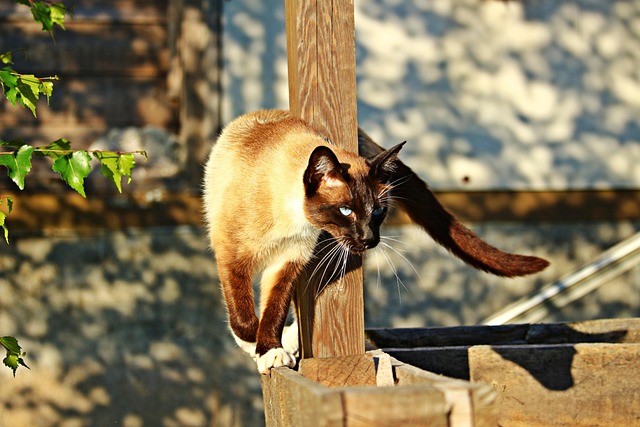
Siamese cats stand out because of their pointed coat pattern. This means their ears, face, paws, and tail are darker than the rest of their body. The contrast creates a bold and elegant appearance that is easy to recognize. Their almond-shaped blue eyes add even more beauty.

Another trait is their slim, muscular build. Most Siamese cats weigh between 6 and 10 pounds, yet they appear long and graceful. Their short coat lies close to the body, making grooming simple. This combination of features gives them a refined look.

Personality also plays a role. Siamese cats are vocal and social. They often follow their owners around the house. Some people describe them as dog-like because of their loyalty.

Popular Breeds That Share Siamese Features

Several cat breeds resemble Siamese cats in both appearance and behavior. Each one offers a slightly different version of the classic look. Some have thicker coats, while others have a softer temperament. Exploring these options can help you choose the right pet.

If you want to explore more detailed comparisons, resources like cats that look like Siamese can provide deeper insights into similar breeds and their traits.

One well-known breed is the Balinese cat. It looks almost identical to a Siamese but has a longer, silkier coat. Despite the extra fur, it does not shed heavily. This makes it a good choice for people who want elegance without too much maintenance.

The Oriental Shorthair is another option. It shares the same body type and personality but comes in over 300 color variations. This breed offers variety while keeping the slim structure and expressive eyes. Many owners enjoy its playful and curious nature.

Beautiful Cat Breeds That Resemble Siamese Cats

Other Look-Alike Cats Worth Knowing

Some breeds have a similar color pattern but different builds. The Himalayan cat, for example, has pointed coloring like a Siamese but a much fluffier coat. Its face is rounder, giving it a softer appearance. This breed often weighs between 7 and 12 pounds.

The Ragdoll cat is another popular choice. It has blue eyes and a pointed coat, yet its body is larger and heavier. Many Ragdolls can weigh up to 20 pounds. They are known for their calm and gentle behavior.

Tonkinese cats fall between the Siamese and Burmese breeds. They have a moderate body type and softer color contrast. Their eyes can appear aqua instead of deep blue. This subtle difference makes them unique.

Here are a few more examples to consider:

– Birman cats with silky coats and white paws.

– Snowshoe cats with distinct white markings.

– Javanese cats with long, flowing fur.

– Colorpoint Shorthairs with varied point colors.

Each breed brings something special. Some are more active, while others prefer quiet environments. Choosing the right one depends on your home and lifestyle.

Differences You Should Notice Before Choosing

Appearance is only one part of the decision. Behavior and care needs vary across breeds. Siamese cats are very vocal, while Ragdolls are quieter. This difference can affect daily life.

Grooming requirements also change. Long-haired breeds like Himalayans need to be brushed at least three times a week. Short-haired breeds require less effort. This can save busy owners time.

Energy levels matter too. Some cats enjoy climbing and exploring for hours. Others prefer lounging on the couch. Matching your energy levels to your routine helps you avoid stress.

Health concerns differ as well. Certain breeds may be prone to specific conditions. Regular vet visits and proper diet can reduce risks. Paying attention to these factors helps ensure a happy pet.

Why People Love Siamese-Looking Cats

Many people are drawn to the elegant look of Siamese-style cats. Their sharp features and bright eyes create a striking presence. Even in a quiet room, they stand out. This visual appeal is hard to ignore.

Their personalities add to their charm. These cats often form strong bonds with their owners. They enjoy attention and interaction. Some even learn simple tricks over time.

Owners often describe them as expressive. Their voices and body language make communication easy. This creates a deeper connection between pet and owner. That bond is one reason they remain so popular.

Having a cat that looks like a Siamese offers beauty and companionship. Each breed brings its own twist to the classic appearance. Understanding these differences helps you make a better choice.

Choosing a Siamese-like cat means balancing looks, personality, and care needs. Each breed offers a unique mix of traits that can fit different homes and lifestyles. With the right match, you gain a companion that is both visually striking and deeply engaging in everyday life.

Munchkin Scottish Fold Cat
Apr
A Complete Guide to the Adorable Munchkin Scottish Fold Cat

The Munchkin Scottish Fold is a unique cat breed combining the Munchkin’s short legs with the Scottish Fold’s distinctive folded ears. This mix creates a charming, compact appearance that many cat lovers find irresistible. Beyond looks, there’s much more to know about this hybrid.

Origin and Development of the Breed

The Munchkin Scottish Fold is not a naturally occurring breed. It is the result of careful breeding between two separate cat breeds. The Munchkin breed first appeared in the 1980s, known for its short legs, a genetic mutation. The Scottish Fold, on the other hand, became popular due to its folded ears, first discovered in Scotland in the 1960s.

Breeders began combining these two traits to create a cat with both features. The goal was to produce a small, round cat with a sweet expression. This hybrid quickly gained attention for its unusual look. In certain regions, some people call it the “Scottish Kilt.”

The development of this breed has raised some debate. Breeding cats with genetic mutations requires careful planning and ethical consideration. Many breeders follow strict guidelines to reduce health risks. Responsible breeding plays a key role in maintaining the cat’s quality of life.

Physical Appearance and Unique Features

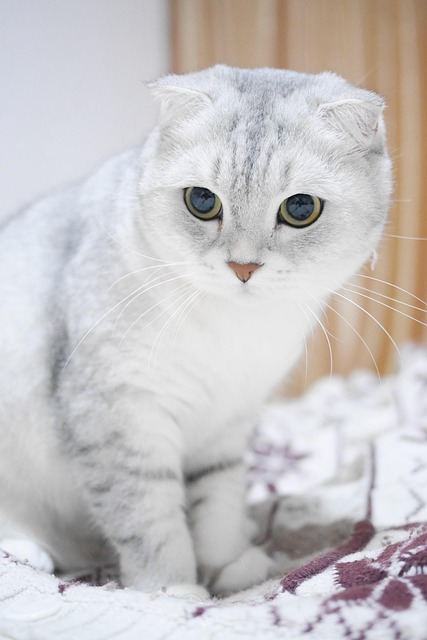
The Munchkin Scottish Fold has a very distinct look. Its legs are shorter than most cats, often measuring just a few inches shorter than those of standard breeds. This gives it a low-to-the-ground stance that appears almost playful. The folded ears curve forward, creating a rounded head shape.

For those who want to explore detailed descriptions and care advice, guides like Munchkin Scottish Fold provide useful insights into this rare hybrid.

This cat’s body is medium-sized, typically weighing 5 to 9 pounds. The short legs don’t prevent agility, though jumping is limited compared to longer-legged breeds. Coat lengths and colors vary widely, including white, gray, black, and tabby.

Eyes are large and expressive. They often match the coat color, adding to the cat’s charm. This combination of features makes the breed stand out in any room.

Munchkin Scottish Fold Cat

Personality and Behavior Traits

This breed is known for its friendly and calm personality. Many owners describe these cats as affectionate and loyal companions. They enjoy sitting close to their owners and often follow them from room to room. Their behavior is gentle rather than demanding.

Playfulness is still part of their nature. Even with shorter legs, they enjoy toys and interactive games. They may not leap onto high shelves easily, but they find creative ways to explore. Watching them move can be amusing.

Social interaction matters. These cats usually get along well with children and other pets. They prefer company and may become bored if left alone for long hours. A home with regular activity suits them best.

Quiet temperament is another trait. Unlike very vocal breeds, they communicate in soft sounds. This makes them a good choice for people who prefer a peaceful environment.

Health Considerations and Care Needs

Health is an important topic for this breed. The combination of short legs and folded ears can lead to certain issues. Joint problems may be caused by the Munchkin gene. Ear cartilage issues can also develop from the Scottish Fold side.

Regular veterinary checkups help detect problems early. Owners should monitor mobility and watch for signs of stiffness. A balanced diet supports joint health and overall well-being. Keeping the cat at a healthy weight reduces strain on the body.

Grooming needs depend on coat length. Short-haired cats require brushing once a week, while long-haired cats may need it three times a week. Clean ears carefully, as folded ears can trap dirt. Hygiene plays a big role in preventing infections.

Exercise should be moderate. These cats enjoy play but should not be forced into activities that strain their joints. Providing soft surfaces and easy access to favorite spots can improve comfort. Small adjustments make a big difference.

Is This Breed Right for You

Choosing a Munchkin Scottish Fold requires careful thought. Their unique appearance attracts attention, but their needs go beyond looks. Potential owners should be ready for regular health monitoring. Commitment is key.

This breed suits people who spend a lot of time at home. They enjoy companionship and thrive in environments that provide attention. Families with gentle children often find them to be a good match. Calm homes work well, too.

Cost is another factor. These cats can be expensive, sometimes ranging from $ 800 to $2,000, depending on pedigree and breeder reputation. Vet care may also add to long-term expenses. Planning ahead helps avoid surprises.

Before bringing one home, consider lifestyle and expectations. A cat with special traits requires extra care and awareness. Making an informed decision ensures a better experience for both owner and pet.

The Munchkin Scottish Fold offers a mix of charm, affection, and unique features that few other breeds can match. With proper care, attention, and responsible ownership, this cat can become a loving companion that fits well into many homes while bringing a special presence to everyday life.