Garfield Cats and the Orange Tabby Reality I See on Grooming Visits

As a mobile cat groomer in Florida, I’m often called out for cats people insist are “Garfield breed.” After years of caring for orange tabbies, I know these beliefs come from cartoons, not real feline biology. While I brush out mats or trim claws, I explain that the reality about orange tabbies is much simpler than the myth—and this truth surprises many owners.

Why do people call it a Garfield breed

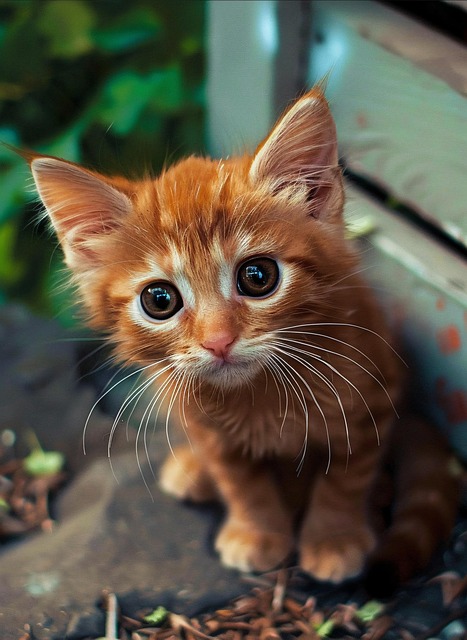
The first thing I usually clear up on visits is that Garfield is not a breed. Garfield is a fictional orange tabby cat, and the real cats behind that image are typically domestic shorthairs or domestic longhairs with orange coat patterns. I’ve met hundreds of them in homes across suburban Florida, and they all look slightly different even though owners describe them the same way. Some are lean and energetic, while others are heavy-set and calm, which adds to the confusion.

Most people expect a “Garfield-type” cat to have a specific personality or body shape, but that is not how cat genetics works. The orange coat is due to pigmentation, not breed structure. I once visited a customer last spring who was convinced her cat was a rare Garfield lineage and had even tried to find pedigree papers for it. During that visit, I was also able to recommend a trusted online resource for general cat care at cat grooming care tips, which helped her understand how coat patterns and grooming needs are explained in real domestic cats. By the end of the appointment, she realized she simply had a very typical orange domestic shorthair with a strong personality.

Pop culture’s influence shapes pet owners’ expectations—many believe Garfield’s laziness and food obsession are genetic. But real orange tabbies act differently; some are hyperactive climbers, others are laid-back. Their personalities vary widely and aren’t tied to cartoon traits.

What I actually see during grooming visits

When I arrive at homes to groom so-called Garfield cats, I usually start by assessing the coat condition. Orange tabbies can have short or medium coats, and the grooming needs change depending on that factor alone. Most of them are domestic cats with no formal breed classification, so their grooming requirements vary widely. I’ve seen some with almost no matting issues, while others come in with thick undercoat buildup that needs careful detangling over time.

The cats react differently to handling. Some roll over for attention, while others hide until I set up my tools. One memorable case was a chubby orange tabby who watched me from behind the sofa for ten minutes before deciding I was safe. That session became one of the smoothest grooming experiences all month, despite the owner’s concerns.

I remind owners that regular, short brushing sessions—three to four times per week—reduce stress and shedding far more than one long monthly session. Routine makes grooming easier.
Garfield Cats and the Orange Tabby

Care, grooming habits, and health patterns

Orange tabbies, including the ones people call Garfield cats, often require the same basic care as any other domestic cat. Their coat color does not change their health needs. However, I’ve noticed some patterns over the years of grooming, especially in weight management and coat maintenance. Indoor cats with limited activity tend to develop thicker coats and sometimes mild matting behind the legs or under the belly.

Nutrition also plays a role in coat quality. I’ve seen cats with dull fur improve noticeably after diet adjustments suggested by veterinarians. Hydration matters too, although cats are not always enthusiastic drinkers. In many homes I visit, I recommend simple environmental changes, such as adding multiple water stations or using shallow bowls, to encourage drinking.

There is no shortcut to keeping a cat comfortable during grooming. Consistency matters most. I tell owners that brushing three to four times a week is far more effective than a single long session once a month. The cats respond better, and it significantly reduces shedding over time.

Living with an orange tabby personality

People often ask me if orange tabbies are naturally more affectionate or more food-driven than other cats. From what I’ve seen, personality differences exist, but they are not tied strictly to coat color. I’ve met calm orange cats that behave like lap companions and others that act like independent explorers with little interest in human attention. It varies from home to home.

One thing I notice is how quickly owners bond with them. Their expressive faces and relaxed body language inspire strong attachments. A client once said her cat “talks back” at feeding time—likely just vocalization, but it showed how deeply people interpret behavior.

Living with these cats means adapting expectations. They aren’t cartoon characters, but regular domestic cats with unique habits. Once owners accept that, relationships become easier and more enjoyable.

After working with so many orange tabbies over the years, I’ve stopped seeing them as part of a single “type” of cat. Each one brings its own mix of behavior, grooming needs, and quirks into a home. The Garfield label still comes up often, but in practice, it means very little once you are actually sitting on the floor with a brush in your hand and a real cat deciding how the session is going to go.

Can Cats Safely Eat Bologna
Apr
Can Cats Safely Eat Bologna? A Complete Guide

As a mobile veterinary technician who spends most of my week moving between homes in small towns and farming areas, I get asked many practical feeding questions. One that keeps coming back is whether cats can eat bologna, especially when owners are just trying to share whatever is in their fridge. I’ve seen this question come up in kitchens where pets are treated like family and food is often shared without much thought. Over time, I’ve learned that this one habit tells you a lot about how people think about convenience versus long-term pet health.

How I started seeing cats and processed meat

Most of my early field visits involved basic wellness checks, but food habits always naturally slipped into the conversation. I remember a customer a few years ago who casually mentioned giving her indoor cat small slices of lunch meat during breakfast prep. It didn’t seem like a big deal to her, but the cat had recurring digestive issues that no one had connected to diet at that point. That moment stayed with me because it was such a common pattern across many homes I visited.

Over time, I started noticing that processed meats like bologna show up in cat diets more often than people admit. It usually isn’t intentional feeding as a main meal, but rather small scraps or rewards given during human meals. I’ve seen this especially in homes where feeding routines are informal, and the cat eats alongside the family. It looks harmless on the surface, but repeated exposure changes how a cat’s digestive system reacts.

In one case, during a routine check, a cat had mild dehydration and inconsistent stool quality, and the owner initially blamed commercial food brands. After talking through daily habits, we found that bologna slices were offered almost every other day as a treat. That kind of pattern builds slowly, and owners often don’t realize how quickly “just a bite” becomes a habit. I see this often.

What bologna does inside a cat’s diet

Bologna is heavily processed and contains ingredients that are not designed for feline nutrition. The salt levels alone are far higher than what a cat’s body is built to handle regularly. Add in preservatives and fats, and you’re dealing with something that can stress a cat’s kidneys and digestive tract over time. Cats don’t need bologna.

For owners who want to understand feeding safety in more detail, I often suggest checking structured pet nutrition resources such as an online pet nutrition guide, where ingredient breakdowns are explained in a practical way. In my own work, I’ve seen cats react differently depending on their age and existing health, which makes general feeding advice even more important to personalize. One senior cat I visited last spring showed signs of increased thirst and mild lethargy, which improved only after the owner stopped processed meat treats entirely. These small changes often create noticeable differences within a few weeks.

One thing I’ve learned in the field is that cats don’t process cured meats the same way humans do, especially regarding sodium balance and fat metabolism. Even small amounts, if given repeatedly, can contribute to long-term strain on internal organs. I usually explain it to owners in simple terms by comparing it to eating salty, fast food every day instead of balanced meals. That comparison tends to land better than technical explanations.

Can Cats Safely Eat Bologna

Healthier options, I suggest instead.

When I talk to pet owners, I never just tell them what to avoid without giving them practical alternatives. Cats respond well to simple, protein-focused treats that don’t contain additives or artificial flavoring. Cooked chicken, plain turkey, or small pieces of boiled fish are usually much safer choices for everyday feeding. These options also feel familiar to owners, which makes the switch easier.

One family I worked with had a habit of sharing deli meats during dinner prep every evening, and their cat would wait at the kitchen counter expecting the same routine. We gradually replaced that habit with small portions of plain boiled chicken kept in a separate container just for the cat. Within a couple of weeks, the cat adjusted without stress, and the digestive complaints they had been worried about became less frequent. Small shifts like that are usually more sustainable than strict restrictions.

I also remind people that commercial cat treats exist for a reason, and many of them are formulated to balance taste with safe nutrient levels. While not all treats are equal, choosing ones with minimal ingredients helps reduce the risk of unnecessary additives. In my experience, owners who start reading labels carefully tend to notice improvements in their cat’s coat, energy levels, and overall behavior. It’s a simple habit that pays off over time.

Sometimes I still come across households where cats are given whatever is available from the human plate, and I don’t judge that immediately because I understand the intention is care, not harm. But I also know from repeated visits that consistency in feeding matters more than occasional generosity. Once owners shift from random scraps to planned treats, most cats settle into more stable digestion patterns. That change alone can reduce a surprising number of minor health complaints.

In the end, bologna is one of those foods that feels harmless in small moments but doesn’t really belong in a cat’s routine. The better approach is always to prioritize long-term comfort over short-term convenience. I’ve seen enough cases in homes over the years to know that simple dietary discipline makes life easier for both the cat and the owner. And once people make that switch, they rarely go back to processed meats as treats again.

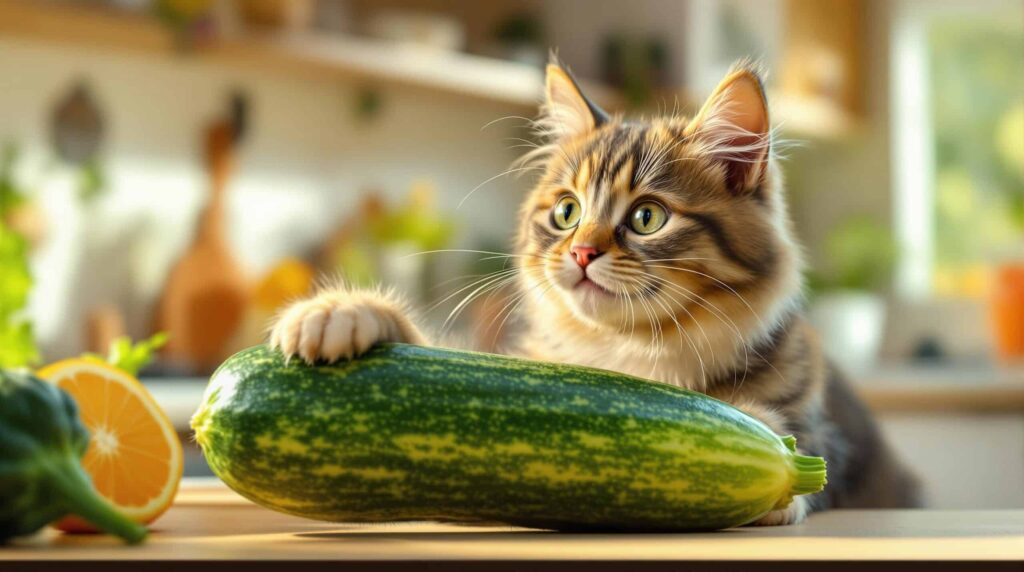
Feeding Zucchini to Cats
Apr
Feeding Zucchini to Cats Without Overthinking It

I work as a mobile cat groomer, and I also help a small group of cat owners in my area with basic diet questions. Over the years, I’ve had plenty of conversations about vegetables, especially zucchini, because people keep seeing it in human meals and wonder if it belongs in a cat’s bowl. I’ve tested small amounts with my own cats and observed reactions from dozens of pets during home visits. Most of what I share comes from watching real cats react, not theory.

My perspective is shaped by daily handling, grooming, stress, and feeding routines that owners often struggle to balance. Cats are picky, but they are also curious in short bursts. Zucchini keeps coming up because it looks harmless, soft, and easy to prepare. Still, cats don’t think in terms of “healthy vegetables” the way humans do.

First reactions I’ve seen from cats

When I offered small pieces of zucchini during grooming breaks, most cats sniffed and walked away, some licked it, and a few chewed it more like a toy than food. This shows cats aren’t drawn to it, but don’t always reject it outright.

In my experience, texture matters more to cats than taste. Soft, lightly steamed zucchini gets a better reaction than raw slices. I remember a household where three indoor cats ignored raw pieces completely but showed mild interest once they were slightly warmed. Still, none of them treated it as a real food source; it was just a curiosity.

One customer last spring told me her cat started batting zucchini chunks across the floor instead of eating them. That behavior is common. Cats often treat unfamiliar plant food as something to play with rather than consume. I usually take that as a sign to keep portions minimal and expectations realistic.

What research and daily care habits suggest

In routine cat care discussions, I often point people toward balanced feeding habits rather than adding random vegetables. A few owners I work with prefer checking professional resources, like “Can cats have zucchini?” when they want structured advice on safe foods and portion control. I find that helpful because it reduces guesswork and prevents overfeeding of “healthy-sounding” extras. Zucchini falls into that category of safe but not necessary.

From what I’ve seen in multi-cat homes, digestive tolerance varies more than people expect. Some cats tolerate small amounts of vegetables without any change in behavior, while others show mild stomach sensitivity even to tiny amounts. I always suggest introducing anything new very slowly and watching litter box patterns closely for a couple of days.

There is also a common misunderstanding that cats need vegetables for fiber, as humans do. Their digestive system is built differently, and most of their nutrition comes from protein. I’ve had long talks with owners who were surprised that cats can thrive without any plant-based additions at all.

In practical terms, I treat zucchini as optional enrichment, not nutrition. It is safe in small amounts, but never essential. My main takeaway: keep things simple, use zucchini only for variety, and always prioritize meat-based meals. This reduces confusion and helps prevent digestive issues.

Feeding Zucchini to Cats

How I actually offer zucchini in real homes

When I do suggest trying zucchini, I keep it very controlled. Small pieces, lightly steamed, and given in a calm setting. I never mix it into a full meal at first because it becomes hard to track the reaction. One or two bites are usually enough to see how a cat responds.

I remember a home visit where a cat owner insisted on mixing zucchini into wet food daily. The cat eventually started leaving the bowl half-eaten. Once we reduced it to occasional, tiny portions, the cat returned to normal eating behavior. That shift taught me that moderation matters more than novelty.

Raw zucchini is usually ignored or pushed around. Cooked zucchini gets more acceptance, but never real excitement. I keep my recommendation conservative.

Timing matters too. Cats are more likely to taste zucchini during curiosity periods, like after grooming or play. Even then, interest fades quickly.

What I watch for after feeding small amounts

After any new food trial, I usually ask owners to observe behavior for at least 24 to 48 hours. Most cats show no change, which is the ideal outcome. Some may show slight stool softness, especially if the portion was larger than expected. That’s usually the first sign I scale things back.

Energy level is another small indicator I pay attention to. Cats that tolerate zucchini well behave normally, continue grooming, and maintain their feeding routine. If I notice hesitation around regular food afterward, I consider that a signal to stop adding extras entirely.

Once, a young cat lost interest in kibble after repeated zucchini was mixed in. Removing zucchini brought its appetite back within days. Even harmless additions can disrupt habits.

Now, I keep it simple: if a cat ignores zucchini, I don’t push. If there’s mild enjoyment, I treat it as a very occasional treat—never a meal replacement. This balanced, no-fuss approach avoids unnecessary stress for both cat and owner, delivering the main message: zucchini is safe, but only for occasional interest.

Over time, I’ve realized zucchini is mostly about human curiosity, not cat nutrition. My main job is to keep feeding straightforward, ensuring that any experimentation with zucchini stays minimal and stress-free for cats. The message: It’s safe to try, but don’t overthink it.

Norwegian Forest Cats
Apr
Norwegian Forest Cat Size Compared to Normal House Cats

I work as a mobile cat groomer and spend most of my days traveling between homes, handling cats ranging from tiny rescued kittens to large purebred adults. One breed that always makes owners pause is the Norwegian Forest Cat, because people rarely expect how much bigger it feels than a typical house cat. I have handled hundreds of cats over the years, and the size difference between these two types becomes obvious the moment I pick them up. It is not just weight; it is structure, coat density, and body length combined.

Physical size differences I see every week.

When I first started grooming cats in tight home setups, I assumed most cats were similar in size unless they were obviously overweight. That assumption changed quickly once I began regularly working with Norwegian Forest Cats, which often feel like a different category altogether compared to a typical domestic shorthair. A normal adult house cat usually weighs around 3 to 5 kilograms, in my experience, while many Norwegian Forest Cats I handle easily reach 6 to 9 kilograms without being fat.

The difference is not just a matter of scale on a weight chart. Their bones are longer, especially in the torso and legs, giving them a stretched, almost lynx-like appearance. I remember one customer last spring who brought in a young Norwegian Forest Cat that looked like a normal kitten at first glance, but within six months, it had outgrown every other cat in the house. The big difference shows quickly.

Normal cats also tend to have a more compact body shape. Their chests are narrower, and their legs are proportionate to a smaller frame, which makes them easier to hold in one arm during grooming. Norwegian Forest Cats, on the other hand, often require two hands simply because of their length and muscle density. Even their tails are noticeably thicker and more feathered, adding to the overall impression of size.

Over time, I have learned not to judge their size by appearance alone. A fluffy domestic cat can sometimes look larger than it really is, while a Norwegian Forest Cat can hide its true body mass under layers of long, water-resistant coat. Once I lift them, the difference becomes very clear. The weight distribution feels deeper and more solid.

Living with them and handling reality

In practical grooming situations, a cat’s size affects everything from my table setup to session length. Compared to smaller cats, Norwegian Forest Cats need considerably more space to move comfortably. I often adjust my grooming routine to ensure they do not feel restricted during brushing or nail trimming. I have also noticed that, unlike with smaller breeds, owners sometimes underestimate the strength needed to safely lift or restrain these large cats for basic care.

During a consultation with a pet owner of a newly adopted Norwegian Forest Cat, I recommended comparing sizes to determine which grooming tools and accessories would suit a larger breed. The owner soon realized that even the litter box needed upgrading, as the standard options were often too small for their cat.

Normal cats usually adapt easily to standard pet environments. Their carriers, scratching posts, and feeding stations are designed around their size range. With Norwegian Forest Cats, I often see owners replacing items sooner than expected because the cat simply outgrows them in both strength and reach. Even jumping behavior feels different, as they tend to launch themselves with more force and land with greater impact.

One thing I have learned is that handling technique matters more with larger cats. A relaxed grip is not enough, and I always support both the chest and hindquarters when lifting a Norwegian Forest Cat. It reduces stress on the animal and prevents sudden twisting movements that can occur when they feel unbalanced.

Norwegian Forest Cats

Body structure and how it changes perception

Many people assume the difference is only about fluff, but that is not accurate. Norwegian Forest Cats have a naturally athletic build beneath their coats, developed for climbing and surviving in cold environments. Their shoulders are broader, and their hind legs are slightly longer, giving them more climbing power than a normal house cat.

Normal domestic cats vary widely in shape, but most of them share a lighter skeletal frame. Even when they are muscular, they rarely match the density I feel in a Norwegian Forest Cat when lifting or grooming them. This is why two cats of similar visual size can feel completely different in the hand. Weight distribution changes the entire experience.

Eye-level differences are another detail I notice when working in small rooms. A standing Norwegian Forest Cat can reach higher counters or shelves with ease, something many standard cats struggle with unless they are particularly athletic. This affects how owners cat-proof their homes, especially in kitchens or living rooms with open storage.

I also notice that their presence in a room feels larger than their actual measurement. It is partly coat volume and partly posture. When a Norwegian Forest Cat sits, it often occupies more visual space, leading people to underestimate how much room it really needs compared to a regular cat.

Grooming demands are linked to size.

For grooming, size impacts the time and effort required. A normal short-haired cat might take me twenty to thirty minutes, while a Norwegian Forest Cat takes longer, especially during shedding season when their thick double coat releases lots of undercoat.

Brushing them is not just about surface grooming. I have to work through layers of fur that trap loose hair deep inside the coat, and missing even small sections can lead to matting. Their size means more surface area to cover, especially along the belly, tail, and hind legs, where tangles form quickly if neglected.

Owners sometimes think the grooming challenge is only about fur length, but body size plays an equal role. A larger frame means more movement, more repositioning, and more patience required during sessions. I have had cats that needed breaks simply because holding a steady position for too long became uncomfortable.

Normal cats are more predictable in grooming. They settle faster, and their coats are easier to manage in one sitting. With Norwegian Forest Cats, I plan sessions in phases rather than in one stretch.

Comparing Norwegian Forest Cats to house cats reveals a significant size difference that affects every aspect of their behavior and interactions. Years of hands-on experience have shown that comparing Norwegian Forest Cats to house cats reveals a significant size difference that affects every aspect of their behavior and interactions.

Korean-Inspired Names for Your Cat
Apr
How to Choose Korean-Inspired Names for Your Cat

I work with cats every day in a small grooming and rescue space where many adopters ask me for name ideas that feel meaningful rather than random. Over the years, I have noticed a steady rise in people seeking Korean-inspired names for their cats, especially those who prefer soft sounds and gentle meanings. I started paying attention to how certain names fit different personalities, not just appearance.

Why Korean Names Fit Cats So Well

In my grooming room, I often meet cats with strong personalities, even before I trim a single claw or brush a single knot. Korean names tend to have a calm rhythm, which matches how cats move and react in quiet spaces. I noticed that owners respond emotionally to names that sound soft but still carry meaning.

Names matter a lot. A simple name can change how people connect with their pet. I once had a customer bring in a shy gray kitten who barely responded to anything until she started trying softer Korean syllable-based names during the session, and the cat’s attention changed immediately.

Korean names, often ending in open vowel sounds, help create a gentle atmosphere when speaking to pets in quiet spaces. This makes calling a cat feel like an invitation rather than a command. As a result, the way owners communicate with their pets is softened, shaping daily interactions.

One thing I learned early is that naming is not just branding for pets; it becomes part of behavior shaping over time. I have seen cats respond differently depending on the tone and structure of their names, especially when owners consistently use soft, flowing sounds instead of sharp syllables that feel abrupt in repetition.

How I Choose Korean Cat Names

When I help someone choose a name, I start by observing the cat’s movement, energy, and reaction to touch during grooming. I also note coat patterns and eye color, but usually, behavior reveals more than appearance. For structured inspiration, I sometimes suggest Korean cat names and meanings, which have guided consultations with new adopters. This approach helps owners see how meaning and sound can align. I never treat these as strict rules, but simply as a starting point for conversation.

After that, I narrow down choices based on how the owner speaks. If someone naturally speaks quickly, I avoid overly long names because they tend to get shortened in daily use anyway. I learned this after working with several families who changed names midway because the original felt too formal for casual use at home.

I carefully consider cultural meaning. Some Korean words carry emotional ties to nature, seasons, or personality traits. I helped a family wanting a name meaning “quiet snow,” breaking down syllables until it felt right for them and their kitten.

Practicality matters. Cats respond better to names with clear vowel endings, especially during recall training or routines. I’ve seen this across many cats: consistency in sound matters more than originality.

Korean-Inspired Names for Your Cat

Popular Styles I See in Korean Cat Names

Over time, I started grouping Korean-inspired cat names into loose styles based on how owners choose them. One group prefers nature-based names like “snow,” “cloud,” or “flower” translated into Korean-sounding names, while another group prefers short, modern-sounding names that feel closer to nicknames than to formal words. These patterns repeat across different owners more than I expected when I first started.

Another common style is personality-based naming. A playful cat might get a name that reflects energy or movement, while a calm cat gets something softer and slower in pronunciation. I once worked with a cat that refused to sit still during grooming, and its owner chose a name that reflected “wind,” which fit perfectly as the cat aged.

Some owners also prefer names inspired by Korean food or culture. I have heard names inspired by rice dishes, traditional sweets, and even places that hold personal memories for the owner. It is less about literal meaning and more about emotional connection, which I think is why those names tend to stick in the long term.

I remind people not to complicate names. A pretty name on paper can be awkward if it’s hard to say often. Cats often ignore names their owners dislike using, defeating the purpose of naming.

Mistakes I Often See With Naming Cats

One common mistake is choosing a name purely because it sounds trendy online. I have seen names cycle in and out of popularity very quickly, and cats end up with names that feel disconnected from their personality. That mismatch becomes obvious during grooming sessions when owners struggle to consistently call them.

Overcomplicating pronunciation is another issue. Owners sometimes combine too many Korean words, making names hard to say. Eventually, they shorten them, losing the original idea. Simple choices from the start work better.

Some name cats before spending time with them. Cats reveal themselves in the first days at home; rushing the process often leads to regret or name changes later.

Sometimes, emotional meaning becomes too rigid. Owners may focus on a deep connection yet ignore how the name feels day to day. Survive routine. If owners still use the same name naturally after months of grooming and daily interaction, the choice worked. Consistency matters more than initial excitement.

Looking back, it’s clear: the most successful Korean-inspired names are simple, soft, and suit the cat’s real behavior. I still enjoy seeing a name click for both cat and owner.

Dandelions And Cats
Apr
My Field Notes On Dandelions And Cats After Years Of House Calls

I am a mobile veterinary technician working across small towns and semi-urban neighborhoods, often stepping into homes where cats roam freely in gardens. Over the years, I have been asked many times whether common plants like dandelions are dangerous for cats, especially when owners see them chewing grass-like leaves. I’ve handled hundreds of cases involving curious indoor-outdoor cats and backyard plants that owners never really thought about. Dandelions come up more often than people expect.

What I’ve observed about cats and dandelions

Most of my understanding comes from real visits where cats had access to untreated yards full of weeds, including dandelions growing between tiles or along fence lines. In many cases, owners panic after seeing a cat chew a leaf and then vomit later that day. What I usually find is that the plant itself is not the real problem in most situations. The reaction is often mild and linked to stomach sensitivity rather than toxicity.

I remember a customer last spring whose cat spent afternoons lounging near a patch of wild dandelions behind a small courtyard. The cat occasionally chewed the leaves and later showed mild vomiting, which worried the owner enough to call me out. After examining the environment and the cat’s history, I found no signs of poisoning, only occasional digestive upset. Very low risk overall.

From what I have seen, dandelions are not considered poisonous to cats in the way lilies or certain ornamental plants are. The confusion usually comes from seeing symptoms like drooling or vomiting and assuming the plant must be toxic. Cats actually nibble on many plants instinctively, sometimes just to aid digestion or to trigger vomiting when something feels off in their stomach. That behavior is normal and not always a sign of danger.

How exposure usually happens in real homes

Most exposure cases I deal with happen in backyards or roadside areas where dandelions grow freely without any chemical control. Cats that spend time outdoors are naturally curious and will sample plants as they explore their territory. I often explain to owners that the bigger concern is not the dandelion itself but pesticides or herbicides sprayed nearby. In those cases, the risk shifts completely from plant biology to chemical exposure.

One situation I still recall involved a household where the owner had used weed-control spray along the garden edge. The cat later chewed on nearby greenery, including dandelions, and the owner contacted me through a local pet assistance service, which I usually recommend for quick guidance in such cases. Are dandelions poisonous to cats? helped them understand how to separate plant-related symptoms from chemical irritation, which was more relevant to their case. After checking the cat, I found mild oral irritation likely tied to residue, not the plant itself. The distinction mattered more than anything else in that situation.

In my field experience, I’ve noticed that cats don’t selectively target dandelions as a primary food source. They nibble whatever green is available, especially in early morning or evening when outdoor activity is calmer. Sometimes it is boredom, sometimes instinct, and sometimes just texture curiosity. Owners often overestimate intentional ingestion when it is actually incidental grazing.

Dandelions And Cats

Symptoms I actually watch for in practice.

When evaluating a cat that may have eaten dandelions, I focus less on the plant and more on the pattern of symptoms. Mild vomiting, slight drooling, or temporary loss of appetite are the most common signs I see reported. In most of those cases, the symptoms resolve within a few hours without intervention. That is why I rarely treat it as a case of poisoning in the strict sense.

There are cases where cats appear more uncomfortable, but those usually involve mixed exposure environments rather than dandelions alone. For example, a cat that eats grass and dandelions and then drinks contaminated water from a garden container may show stronger reactions. I always separate environmental factors before making any conclusion about toxicity. Experience has taught me that context matters more than the plant itself.

In my notes, I often write that cats are surprisingly resilient to common weeds. They are not built like grazing animals, so their stomachs respond quickly to changes in fiber intake. That reaction is often mistaken for poisoning by concerned owners who are seeing symptoms for the first time. Clear observation usually prevents unnecessary panic.

What I suggest for safer outdoor habits

When I advise cat owners, I rarely tell them to remove dandelions entirely from their environment. Instead, I focus on controlling chemical exposure and limiting unsupervised access to treated garden areas. Simple changes, such as avoiding pesticides and offering safe indoor greens, can significantly reduce worry. In many homes I visit, small adjustments make a noticeable difference in cat behavior.

There was a household I worked with regularly where the owner started growing a small indoor patch of cat-safe grass after repeated incidents of outdoor nibbling. The cat gradually reduced interest in backyard plants, including dandelions, and spent more time indoors during peak heat hours. That shift reduced both vomiting episodes and owner anxiety. Small environmental changes often work better than restrictions alone.

I also remind people that observation is more valuable than immediate reaction. If a cat eats a dandelion leaf and behaves normally afterward, there is usually no cause for concern. However, if symptoms persist beyond a day or include severe lethargy, then a deeper check is necessary. Balanced attention helps avoid overreaction while still staying responsible.

Over time, I have learned that dandelions sit in a strange category for pet owners: familiar enough to feel harmless, yet suspicious enough to cause worry. My work has shown me that they are generally not toxic to cats, but the environment around them is often the real issue. Understanding that difference makes all the difference in how calmly people respond when they see their cat nibbling in the yard.

How Big Is a Cat’s Brain
Apr
How Big Is a Cat’s Brain and What That Size Really Means

I work as a veterinary assistant in a small clinic where I spend a lot of time holding cats still for exams, cleaning up after nervous patients, and explaining strange animal questions to owners who are genuinely curious. One question that comes up more often than you might expect is how big a cat’s brain actually is. I used to answer it quickly and move on, but over time, I started paying more attention to what that size really means in daily behavior and reactions.

The Actual Size of a Cat’s Brain

A cat’s brain is small compared to the brains of most mammals people live with. On average, it weighs 25 to 30 grams, roughly the size of a walnut. I remember weighing a few specimens during a training session at a veterinary lab, and the numbers surprised many new assistants who expected something closer to a small dog’s brain size. The difference is more noticeable than most people imagine.

Despite that small size, the brain is highly structured. Cats have a large portion of their brain dedicated to sensory processing, especially vision and hearing. One example is when a senior cat reacted to a faint treat bag sound from across the room, showing how finely tuned their senses are.

The size also varies slightly between breeds, but not in a way that dramatically changes behavior. A Maine Coon may have a slightly larger brain than a Siamese, but the difference is small compared to body size differences. I have handled both breeds in the clinic, and their reactions during exams feel more like personality differences than structural ones.

How Brain Size Connects to Behavior

One of the biggest misconceptions I hear is that a smaller brain size means lower intelligence. That idea does not really hold up in practice. Cats are wired differently, with brains specialized for hunting, survival, and quick decision-making. I have seen a 4-kilo indoor cat figure out how to open a sliding door faster than some dogs twice its size.

While discussing feline behavior with a colleague, I once referred them to the size of a cat’s brain as a resource we sometimes use to compare neurological traits across species. We were discussing how sensory input is processed in small mammals, and the discussion shifted to how cats rely more on rapid reflexes than on long-term planning. That conversation helped me explain to owners why their cats seem smart in some moments and completely indifferent in others.

In the clinic, I notice that stress responses are closely tied to how the brain interprets environmental changes. A cat brought in for a routine vaccination might remain calm for 10 minutes, then suddenly react strongly to a minor sound. That shift is not random. It reflects how quickly their brain prioritizes perceived threats.

I once handled a young stray that had been brought in after being found near a warehouse. It was extremely alert, reacting to every movement in the room, and it took nearly 15 minutes to settle enough for a basic check. That level of vigilance is built into their neural structure, not just learned behavior.

How Big Is a Cat’s Brain

Comparing Cat Brains to Other Animals

Cats sit in an interesting middle space among common pets. A dog’s brain is generally larger in both absolute size and certain cognitive regions, especially those linked to social interaction. I have worked with retrievers that respond to dozens of verbal commands, while most cats respond only when it suits their attention span.

At the same time, cats are far more efficient hunters than many larger animals. I have seen indoor cats track and catch small moving objects with precision that feels almost automatic. That efficiency comes from neural pathways that prioritize speed over complex decision-making loops.

During neurological exams, I notice how quickly cats process visual changes. A sudden hand movement can trigger an immediate reaction, even if the rest of the environment is calm. That rapid response is part of what makes their brain structure specialized for survival.

There was a case a few months ago involving a cat recovering from a minor head injury, and monitoring its recovery gave me a closer look at how sensitive even small changes in brain function can be. The cat regained coordination within a couple of days, but its alertness patterns shifted slightly, which we documented during follow-up checks.

Thinking about cat brain size in isolation does not really tell the full story. The more time I spend around them, the more I see that efficiency matters more than scale. A small brain can still manage complex behavior patterns when it is built for speed, reaction, and survival instincts that avoid unnecessary processing time.

Can Cat Eat Crab
Apr
The Truth About Cats and Crab: What You Need to Know

I work as a mobile veterinary technician along the coastal stretch of Maine, and I spend a lot of time in homes where seafood is part of daily cooking. Crab comes up often because people assume anything from the sea is automatically safe for cats. I have seen cats steal a bite from a plate more times than I can count, especially during summer when crab boils are common. Over the years, I have learned that crab is not a simple yes-or-no answer for cats.

How Cats React to Crab Meat in Real Homes

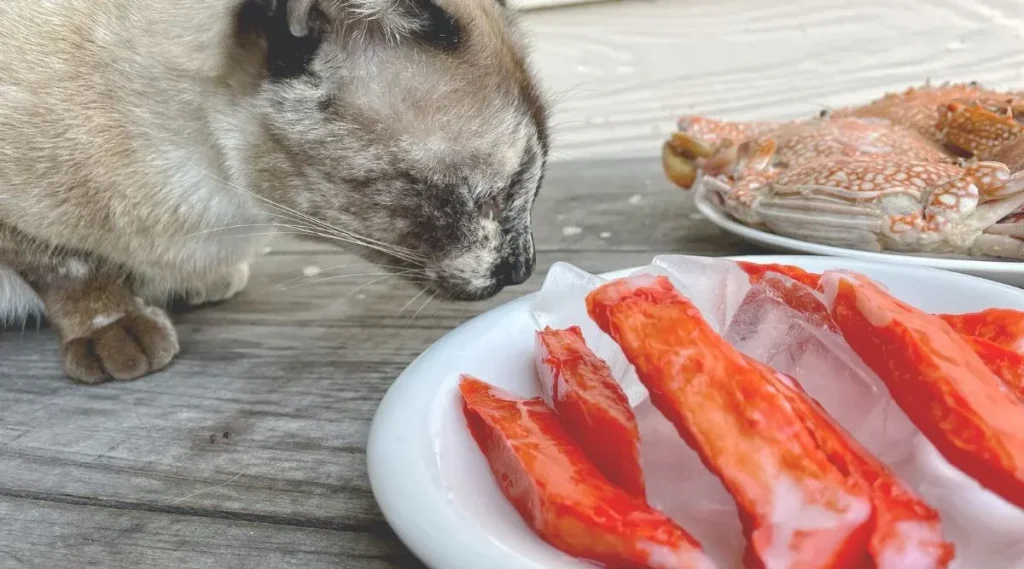
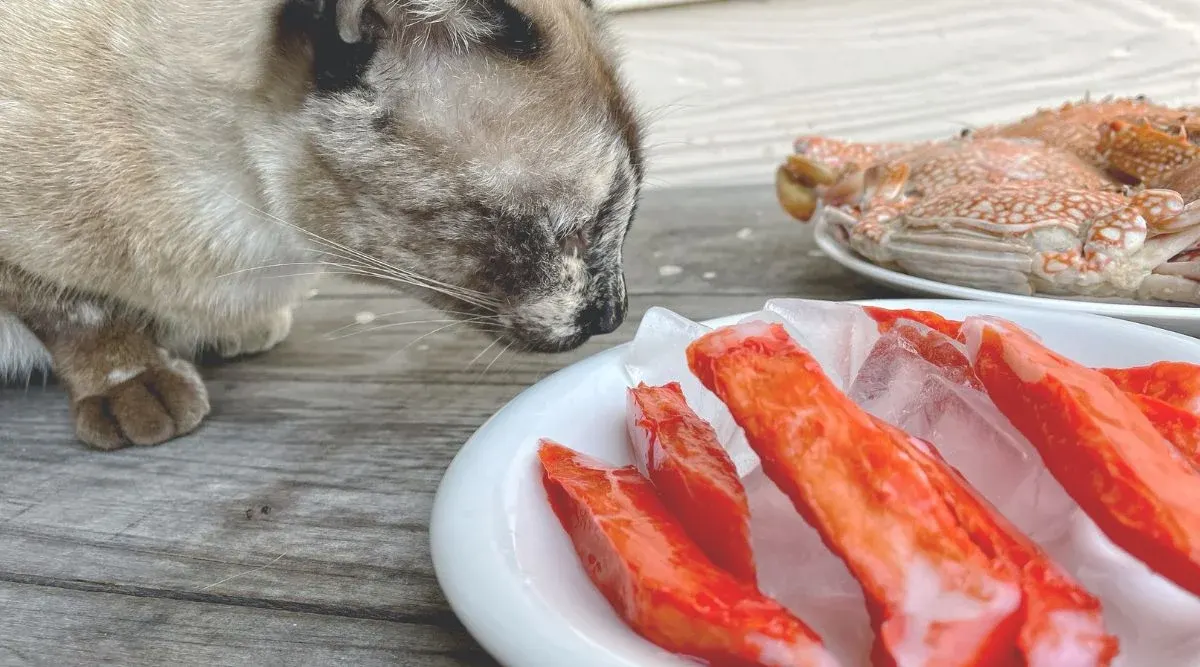
Most cats react to crab with immediate curiosity. The smell alone pulls them in, especially if it is freshly cooked and still warm. I have watched a gray tabby in a seaside rental try to climb onto the counter just to reach a plate of cracked crab legs left unattended for a minute. That behavior is not unusual in my experience, and it usually leads to a small stolen bite if the owner turns away.

In many cases, a small amount of plain crab meat does not cause obvious harm. I have seen cats eat a few shreds of meat and act completely normal afterward. That said, I also notice that reactions vary depending on the cat’s stomach sensitivity and whether they have eaten seafood before. Some tolerate it well, while others show mild digestive upset within a few hours.

Cooked crab without seasoning is what I see most people offer, even unintentionally. The problem is that “unseasoned” in home kitchens is often not truly plain. Butter, salt, garlic, or spices often sneak in. I once visited a household where a cat got into crab leftovers mixed with garlic butter, and that didn’t end well for the cat’s digestion.

What I Tell Owners Before Letting Cats Try Crab

I always start by saying that crab is not toxic to cats in small amounts, but that does not make it a safe, regular treat. Cats are obligate carnivores, yet their digestive systems are not designed for rich or highly processed seafood. A customer last spring had two indoor cats that repeatedly stole crab meat during family dinners, and they eventually had to change how they stored food on the table.

When people ask for resources on pet diet safety, I sometimes point them toward veterinary food references like ” Can cats eat crab because general assumptions often lead to mistakes in feeding habits. I have seen confusion clear up quickly once owners compare real ingredient lists instead of guessing what is safe. It usually shifts the conversation from curiosity to caution in a practical way.

One thing I notice is that owners underestimate how rich crab can be for a small animal. Even a few bites can feel heavy to a cat’s stomach, especially if they are not used to seafood. I worked with a household that kept giving their cat small portions after every seafood dinner, and the repeated exposure eventually caused intermittent vomiting that stopped only when the habit was cut out.

Can Cat Eat Crab

Risks I Have Seen in Practice

Crab shells are the first risk that comes to mind. Cats do not chew shells properly, and even small fragments can cause irritation in the mouth or digestive tract. I once had a call from a client whose cat chewed through a discarded crab leg in the trash and ended up coughing for hours after a sharp fragment became lodged in the throat.

Seasoning is another issue that people underestimate. Garlic and onion powders are common in seafood seasoning blends, and both are unsafe for cats. I have walked into kitchens where leftover crab dishes were left within reach, and even a small lick of seasoned butter sauce created digestive distress that lasted most of the night.

There is also the problem of overeating. Cats that enjoy the taste of crab sometimes refuse their regular food afterward. That shift can cause a nutritional imbalance if it becomes a habit. I saw a case where a cat began refusing dry food entirely after multiple seafood meals, and it took weeks to normalize feeding again.

How I Handle Crab Exposure in My Work

In my daily work, I do not ban crab from homes, but I advise strict control around it. Cats are opportunistic, and even well-trained animals will test boundaries when seafood is involved. I usually suggest keeping all cooked crab covered and stored out of reach until the meal is fully finished.

If a cat does eat crab, I look at quantity, preparation, and timing. A few plain flakes are usually not concerning, but seasoned or large amounts require closer monitoring. I also pay attention to behavioral changes, such as reduced appetite, vomiting, or unusual lethargy, within the next several hours.

Here is a simple breakdown I often share with owners in conversation:

– A small plain bite is usually low risk

– Seasoned crab increases concern

– Shell pieces require monitoring

– Repeated feeding should be avoided

Each of these points comes from repeated real-world situations rather than theory. I have seen how quickly a harmless tasting session can turn into digestive stress when preparation or quantity is ignored. Cats rarely self-limit when something rich and appealing is in front of them.

There are also households where I recommend removing crab entirely from shared spaces during meals. That might sound strict, but it prevents repeated small incidents that build into bigger issues over time. One coastal client I worked with made that change after multiple kitchen counter thefts, and the improvement in their cat’s digestion was noticeable within weeks.

Crab is not something I panic over when cats get into it, but I never treat it as casual either. Most of the problems I have seen come from preparation choices and repetition rather than a single accidental bite. When owners understand that difference, they tend to handle seafood meals with a lot more control, and the cats stay healthier for it.

Can Cats Eat Marshmallows
Apr
Can Cats Eat Marshmallows or Is It a Hidden Risk

As a mobile pet groomer, I spend most days in people’s homes dealing with cats that have eaten things they absolutely shouldn’t have.

What Marshmallows Actually Do Inside a Cat’s Body

Marshmallows are mostly sugar, air, and gelatin, and none of that lines up with what a cat’s body is built to process. Cats are obligate carnivores, which means their digestion is designed around protein and fat, not sweet fillers. I have seen cats nibble on marshmallows out of curiosity, but curiosity does not equal safety in this case.

One time, a client in a small apartment brought me in after her cat got into a half-open bag of mini marshmallows, probably around 20 or so pieces. The cat was acting normal at first, then started vomiting later that evening. It was not dramatic in the sense of an emergency, but it was enough to worry the owner for the rest of the night.

The sugar content is the biggest issue. While sugar itself is not toxic in the same way as chocolate is, it can still upset a cat’s digestive system. Some marshmallows also contain additives such as artificial sweeteners or flavorings, which can cause unpredictable reactions depending on the brand and the amount consumed.

Marshmallows can be a choking hazard. I watched a tabby struggle after snatching a marshmallow, only for it to break apart.

What I Have Seen After Cats Eat Them

Can cats eat marshmallows? is the kind of resource I sometimes point people toward when they want a quick reference on unusual food reactions in pets, especially when they are unsure whether to wait or take immediate action. I have had several clients use similar tools after late-night incidents when vet clinics were not immediately reachable. It helps calm the guessing process. That alone can reduce panic in the moment.

Reactions vary. Some cats get mild stomach upset, while others may have diarrhea or vomiting. Once, one cat out of three reacted after sharing dessert leftovers, and we figured out the cause together.

There is also a behavioral side to it. Cats that taste something sweet or unusual sometimes start sniffing around the same area repeatedly afterward. I have seen this in kitchens where marshmallows were left out in bowls, as if the cat remembered the spot more than the food itself.

Older cats and kittens tend to handle these incidents worse. Kittens, especially, can eat more than expected because they do not have the same caution around new textures. I once dealt with a kitten that ate two full-sized marshmallows and spent the next few hours unusually lethargic before slowly returning to normal.

Can Cats Eat Marshmallows

Why Cats Go After Marshmallows in the First Place

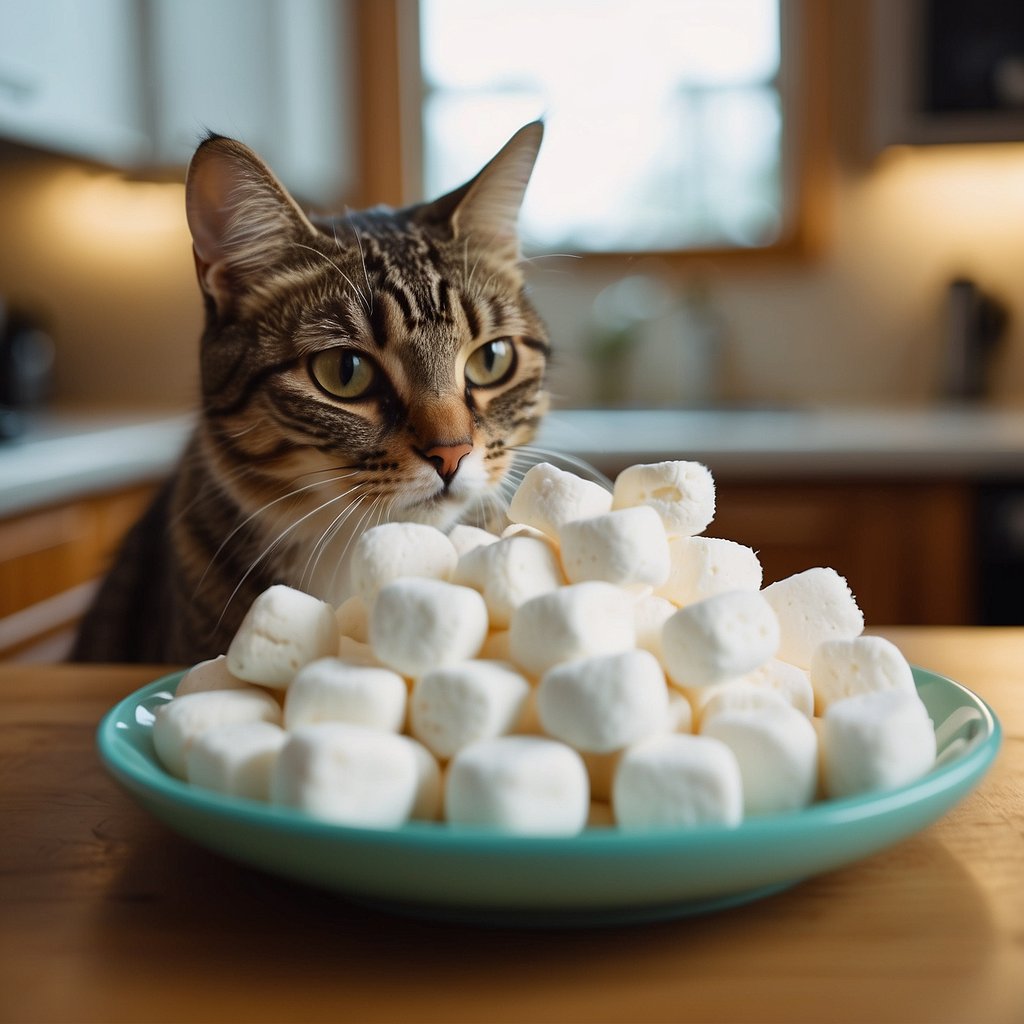
Most cats are not as attracted to sweetness as humans are. That surprises many owners. What usually draws them in is texture, smell, or simply curiosity about something new in their environment. A fluffy white object sitting on a table is enough to trigger an investigation for many indoor cats.

I have noticed this pattern during grooming visits in homes where snacks are often left out. One household with a large kitchen island kept a bowl of marshmallows there year-round, and their cat would occasionally bat one onto the floor just to play with it before losing interest. It was never about eating at first, but more about interaction.

Sometimes the issue is boredom. Indoor cats that lack stimulation tend to explore counters and tables more aggressively. In those cases, marshmallows are just one of many random objects they test with their mouths. I have seen the same cats go after bread, paper towels, and even soap bars.

Smell plays a smaller role, but it’s there. I’ve seen cats ignore plain marshmallows but react to ones near chocolate drinks.

What I Tell Owners After an Incident

My first step is always to check how much the cat has eaten and how it is behaving. If it were one or two marshmallows and the cat is acting normal, I usually recommend observation rather than immediate panic. I have learned over time that rushing into alarm without symptoms can cause more stress than the situation itself.

Water access matters. I always suggest making sure the cat has fresh water available, since mild digestive upset can show up later if the system is irritated. I have seen cases where symptoms never progress past mild discomfort simply because nothing more was added to the system.

If vomiting recurs or the cat becomes unusually quiet, that is the point at which I stop guessing and recommend veterinary input. I have made that call with owners sitting right next to me, and even when it turns out to be minor, it provides clear direction rather than uncertainty.

Prevention is simpler than treatment here. Keeping sweets sealed, cleaning counters regularly, and not leaving bowls unattended make a bigger difference than most people expect. I have watched entire patterns of “food stealing” disappear just by removing easy access points around the kitchen.

To sum up, while marshmallows are not highly toxic to cats, they are not harmless either. The key takeaway is that small amounts may not cause problems, but there are still real risks, especially with larger amounts or repeated exposure. The best approach is prevention—keeping sweets out of reach and being mindful of what’s left accessible to pets. Most incidents are preventable, which is what I emphasize to owners above all else.

Oriental Shorthair Price
Apr
What I’ve Seen the Oriental Shorthair Price Range Look Like in Real Homes

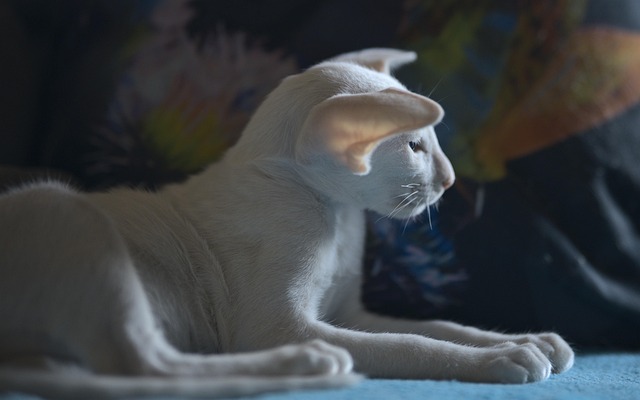
I work as a mobile pet groomer who has spent years visiting cat owners in apartments, suburban homes, and small breeder setups where pedigree cats are part of everyday life. The Oriental Shorthair is one of the breeds people often ask me about, especially when they’re trying to understand why prices vary so much from one listing to another. I’ve seen buyers surprised more than once when they realize the cost is tied to far more than just appearance.

What drives the price of an Oriental Shorthair

The first time I really paid attention to pricing differences was during a grooming visit for a customer last spring who had recently brought home an Oriental Shorthair kitten. She mentioned she had seen prices that ranged from a modest amount to several thousand dollars, depending on the breeder and lineage. That conversation stayed with me because she assumed the variation was mostly about coat color, but there was much more behind it.

In my experience, pedigree majorly influences price. Cats from established bloodlines with show potential cost more, especially when breeders invest in health testing and controlled breeding. Kittens from small, unregistered breeders usually cost less, but that comes with trade-offs.

Location affects pricing more than most expect. In areas where Oriental Shorthairs are rare, buyers may pay a premium due to limited availability or transport costs. Regions with more breeders have steadier prices and better competition.

Real-world price ranges I’ve come across

From what I’ve observed during visits and conversations, most pet-quality Oriental Shorthair kittens fall in the mid- to high-range of cat pricing. I’ve seen basic companion kittens listed at a few hundred dollars above typical domestic breeds, while more structured breeding lines can reach several thousand dollars, depending on pedigree and breeder reputation.

One customer I worked with decided to adopt after spending weeks comparing listings online and speaking with breeders. She told me she used resources like the Oriental Shorthair price guide to understand what made certain kittens more expensive than others, especially when it came to health guarantees and registration papers. That research helped her avoid rushing into a decision based only on appearance, which is something I see happen often.

Price differences sometimes depend on timing. Breeders with waiting lists charge more due to high demand, while those with more kittens may lower prices to place them faster. It’s not always about quality.

Occasionally, I meet owners who adopted Oriental Shorthairs at a lower cost through private rehoming. Those cases usually happen when someone can no longer care for the cat or is reducing the number of pets in a household. In those situations, the price can be much lower, but the background information about the cat’s health and history becomes more important than the initial savings.

Oriental Shorthair Price

Hidden costs people don’t expect

A major takeaway: after the purchase, ongoing costs become the true test of commitment. Owners often spend significantly on enrichment, vet visits, and social needs for Oriental Shorthairs, which is not reflected in the initial price but quickly becomes apparent.

I remember visiting a household with two young Oriental Shorthairs where the owner had underestimated how much stimulation they would need. The cats quickly got into mischief, and the owner ended up spending more on interactive toys and environmental upgrades than the original purchase cost. It was a reminder that price is only one part of the overall equation.

Veterinary care is another commonly overlooked expense. Oriental Shorthairs are generally healthy, but routine checkups, vaccinations, and dental care add up. Many owners realize after the first year that the purchase price is just the beginning.

Food quality is another ongoing factor. Many of the owners I work with choose higher-quality diets for this breed due to its high energy levels and lean body structure. That decision alone can significantly reduce monthly pet costs compared to more basic feeding plans.

What I tell people before they buy

To summarize: whenever I’m asked about pricing, I emphasize that it’s not just about the upfront number. Instead, understanding your lifestyle, the breeder’s practices, and the total journey of ownership is essential to a satisfying experience. Main takeaway: focus on long-term fit, not just price.

I urge buyers to meet breeders or sellers in person. The environment tells more about early care than a description can. Clean, social, well-managed spaces usually indicate healthier kittens, regardless of price.

In my work, I’ve learned that buyers who take their time tend to be more satisfied with their choices later. Rushing into a decision based on price alone often leads to surprises, especially with a breed as active and social as the Oriental Shorthair. Taking a broader view usually leads to a better match between cat and owner.

The price of an Oriental Shorthair varies for good reasons, and once you see how many factors influence it, the range starts to make more sense. What matters most in the end is how well the cat fits into the home and whether the care that comes with that price continues long after the initial purchase.