Is Pismo Beach Dog Friendly
Apr
Is Pismo Beach Dog Friendly for Real Travel Days

I run a small dog walking and boarding service on California’s Central Coast, and I have taken more than a few dogs on day trips to Pismo Beach over the years. Some trips were smooth. Others taught me what not to do. People ask me all the time if Pismo Beach is actually dog-friendly or if it just sounds that way online. My answer usually starts with yes, but it depends on how you plan your day.

What the Beach Is Like With Dogs

Pismo Beach has a wide stretch of sand, which alone makes it easier to manage dogs than in tighter coastal spots. I have walked up to two miles along the shoreline with a pair of medium-sized dogs without feeling crowded, even on a busy afternoon. That space matters when you are handling excited dogs that want to run, dig, and chase waves.

Dogs are allowed on the beach, but leash rules apply in most areas. I keep a six-foot leash on hand because it tends to match local expectations and gives me enough control without limiting movement too much. Some owners let their dogs off-leash, especially early in the morning, but I have seen this lead to awkward situations with less social dogs.

Sand, saltwater, and wind all play a role in how your dog handles the outing. I have had one dog that loved the water but refused to walk on wet sand after the first 20 minutes, so I had to carry it part of the way back. Not every dog reacts the same. Some love it instantly, others need time to adjust.

Where I Stay and What I Look For Nearby

Accommodation matters. Not every place that allows dogs makes it easy. Some inns and rentals have restrictions that make tasks, such as early-morning walks, more difficult. I always check this before booking.

A colleague once mentioned that she found a reliable list of options on Is Pismo Beach Dog Friendly while planning a longer stay, and she ended up booking a place with direct outdoor access rather than long indoor hallways. That detail made her trip smoother because her dog did not have to navigate elevators or tight spaces before reaching fresh air. Those small differences matter more than people think.

I look for three things every time. Easy outdoor access, nearby walking routes, and clear pet rules. If a place charges a fee, I do not mind, but I want to know upfront what is expected. I have paid anywhere from a small nightly fee to a flat rate for a full stay, and the experience varied more by layout than by cost.

Food spots vary. Some cafes allow dogs on patios, others do not. I bring a collapsible water bowl and a small mat so the dog can settle while I grab food.

Is Pismo Beach Dog Friendly

Best Times of Day to Bring a Dog

Early morning works best. That is not a guess. I arrived around 7 a.m. on a summer day and found long stretches of nearly empty beach, which gave the dogs space to explore without constant distractions. By late morning, the crowd builds, and things change quickly.

Afternoons get busy, especially on weekends. I have seen dozens of dogs in one area, which has changed the dynamic. Some dogs thrive; others get overwhelmed. I prefer quieter windows where I can control the pace.

Weather plays a role, too. Coastal wind picks up in the afternoon more often than people expect. I have cut a few outings short because the sand started blowing hard enough to bother both the dogs and me. Not fun.

Sun exposure is another factor. I once tracked a two-hour outing in which the sand temperature rose enough to make a smaller dog lift its paws repeatedly, which was my cue to head back. Timing is not just about crowds. It is about comfort.

Things That Can Catch You Off Guard

Pismo Beach feels relaxed, but details can trip you up. Parking is one; I have circled for 15 minutes during peak times, which isn’t ideal with a dog in the car. Planning your parking spot saves stress.

Wildlife matters. Birds can trigger a dog’s chase instinct—one dog ignored every recall cue for several seconds while zeroing in on seagulls. Leash control is essential.

Clean-up rules are strict. I always carry at least three waste bags, even for short walks. People often underestimate how many they need—especially with multiple dogs.

Water access can be limited. I always bring my own. One liter is often not enough for longer, more active, or warmer outings.

My Honest Take After Multiple Visits

Pismo Beach is dog-friendly, but it rewards preparation. I enjoy taking dogs there because the space and atmosphere give them room to move and explore in ways that smaller parks cannot match. Still, I do not treat it as a casual drop-in spot. A little planning goes a long way.

Each dog reacts differently. I have had calm, easy walks, and I have also had to adjust plans on the fly when dogs didn’t handle the environment. That unpredictability shapes every trip.

If you approach your visit with a clear plan and awareness, you and your dog can genuinely enjoy Pismo Beach. Preparation and attentiveness make all the difference for a safe, memorable outing.

After all these trips, I keep coming back because the experience is worth it. For any dog owner ready to put in a little thought, Pismo Beach can be a rewarding adventure.
Dog’s Eye Goopy
Apr
Why Is My Dog’s Eye Goopy, and Should I Worry

I run a small home-based dog boarding service, and one of the first things I check during intake is a dog’s eye condition. Goopy eyes are more common than people expect. Sometimes it is harmless and clears with a quick wipe. Other times, it signals something deeper that needs attention. I have learned to tell the difference by watching patterns over time.

The Common Reasons I See Every Week

The most common cause I see is simple tear buildup. Dogs produce tears just like we do, and those tears can dry into a sticky discharge near the corners of the eyes. I probably wipe away minor eye gunk from at least three dogs on any given busy weekend. It is usually soft, pale, and easy to clean.

Allergies come up a lot as well. Dust, pollen, or even a new cleaning product can trigger watery eyes that turn into goop over a few hours. I remember a spaniel that stayed with me for five days and developed mild discharge after playing outside every afternoon. Once the exposure stopped, the problem faded.

Hair irritation is another one that people miss. Dogs with long facial hair often have strands brushing against their eyes, which leads to constant watering. I have trimmed eye-area fur for more than 20 dogs over the past year just to reduce that irritation. It does not fix everything, but it helps.

When It Starts Looking Like More Than Just Dirt

Not all eye discharge is equal. Color and texture matter. Thick, yellow, or green discharge usually points toward an infection rather than simple tearing, and I treat that as a red flag every time I see it.

If I am unsure, I sometimes cross-check symptoms with reliable sources or even suggest that owners review something like “why is my dog’s eye goopy” to get a clearer idea of what might be going on before deciding on the next step. That extra bit of context helps people avoid guessing. It also prevents delays in getting proper care.

One case last winter stuck with me. A bulldog came in with heavy, sticky discharge in one eye, and within a day, the eye looked slightly swollen. That was not something I tried to manage on my own. The owner took him to a vet, and it turned out to be an infection that needed medication.

Sometimes it is not an infection but a blocked tear duct. I have seen this more often in smaller breeds, especially those with flat faces. The tears have nowhere to drain, so they collect, creating a constant wetness that builds. It can look messy, but it is different from an infection if there is no redness or pain.

Dog’s Eye Goopy

How I Handle It Day to Day

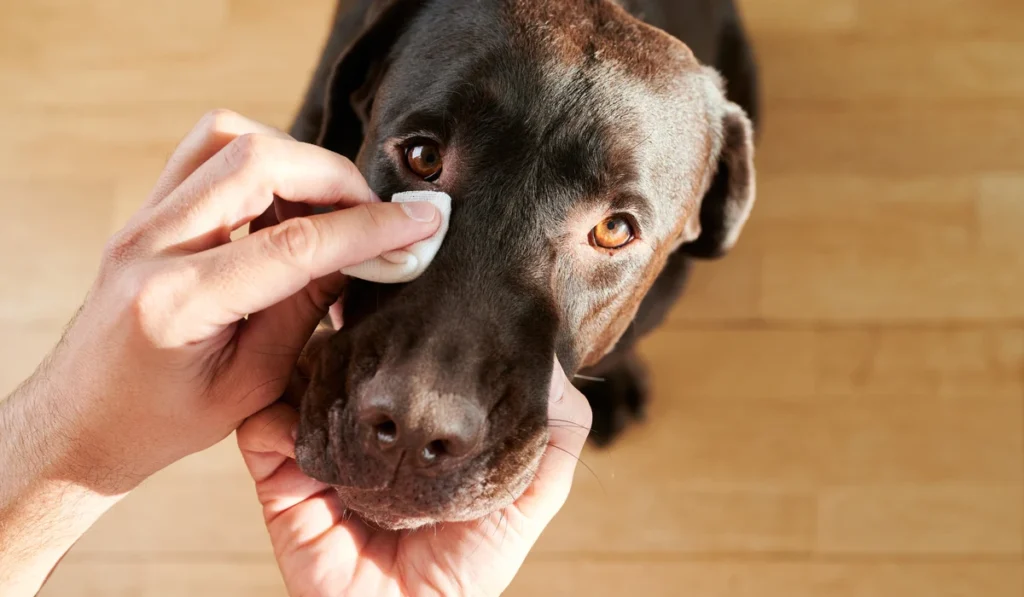
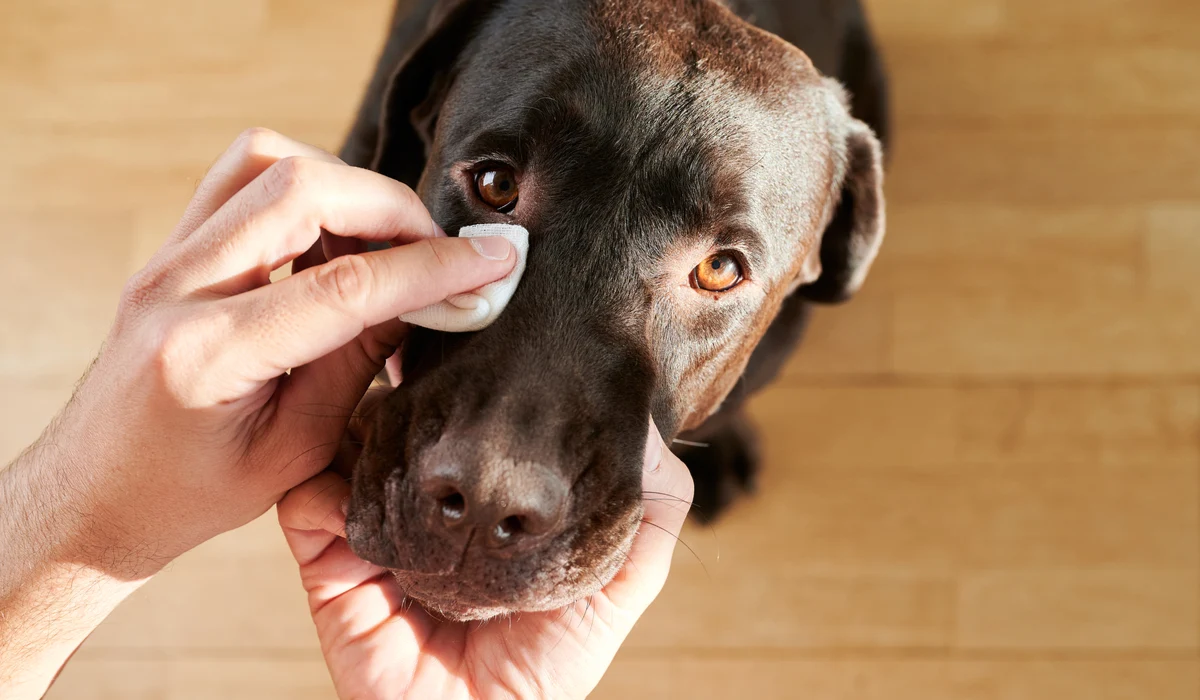
I keep things simple unless there is a clear sign of trouble. A clean, damp cloth is usually enough for mild discharge. I gently wipe from the inner corner outward, and I always use a fresh section of cloth for each eye. Cross-contamination is real.

Routine matters. Some dogs need their eyes cleaned morning and evening, which quickly adds up, but keeps things under control without going beyond simple cleaning.

I avoid using random solutions or drops unless a vet has recommended them. I have seen owners try home remedies that ended up irritating the eye even more. Plain cleaning is often safer than experimenting.

Here is the quick check I run in my head before deciding what to do:

– Is the discharge clear or colored

– Is the eye red or swollen

– Is the dog rubbing or pawing at it

– Has this been happening for more than two days

If two or more of those raise concern, I suggest a vet visit. It keeps things from getting worse.

Situations That Need Immediate Attention

Some signs are hard to ignore. If a dog is squinting, avoiding light, or keeping one eye closed, I do not wait. That usually points to pain or irritation that goes beyond surface-level issues.

I once had a young mixed breed who started pawing at his eye repeatedly within a few hours of arrival. By evening, the eye was red and heavily tearing. The owner picked him up early, and it turned out there was a small scratch on the eye surface. That kind of injury needs quick care.

Sudden changes worry me more than slow ones. A dog with mild tear stains for months is less concerning than one that develops thick discharge overnight. Speed matters here. Fast changes often mean something new is happening.

Odor is another clue. Normal tear buildup doesn’t smell much, but infected discharge can have a noticeable scent. It is subtle, but once you recognize it, you do not forget.

What Owners Can Do Without Overthinking It

Most cases do not require panic. Many dogs will have minor eye discharge at some point, especially after sleep or outdoor play. I tell owners to observe first, rather than react immediately.

Keep the area clean. Trim hair if needed. Watch for patterns. Those three habits cover more ground than people expect. I have seen small issues stay small simply because someone paid attention early.

Diet sometimes comes up in conversations, though the connection is not always clear. Some owners swear that switching to a different food reduced tear staining. I have seen mixed results, so I treat that as a possible factor rather than a guaranteed fix.

Consistency beats overreaction. That is the approach I stick with. A calm routine often tells you more than a rushed decision.

I used to overlook mild eye discharge early in my work. Now, I see it as a signal: most of the time it’s simple, but it’s important to act before it becomes serious.

How Big Is a Cat’s Brain
Apr
How Big Is a Cat’s Brain and What That Size Really Means

I work as a veterinary assistant in a small clinic where I spend a lot of time holding cats still for exams, cleaning up after nervous patients, and explaining strange animal questions to owners who are genuinely curious. One question that comes up more often than you might expect is how big a cat’s brain actually is. I used to answer it quickly and move on, but over time, I started paying more attention to what that size really means in daily behavior and reactions.

The Actual Size of a Cat’s Brain

A cat’s brain is small compared to the brains of most mammals people live with. On average, it weighs 25 to 30 grams, roughly the size of a walnut. I remember weighing a few specimens during a training session at a veterinary lab, and the numbers surprised many new assistants who expected something closer to a small dog’s brain size. The difference is more noticeable than most people imagine.

Despite that small size, the brain is highly structured. Cats have a large portion of their brain dedicated to sensory processing, especially vision and hearing. One example is when a senior cat reacted to a faint treat bag sound from across the room, showing how finely tuned their senses are.

The size also varies slightly between breeds, but not in a way that dramatically changes behavior. A Maine Coon may have a slightly larger brain than a Siamese, but the difference is small compared to body size differences. I have handled both breeds in the clinic, and their reactions during exams feel more like personality differences than structural ones.

How Brain Size Connects to Behavior

One of the biggest misconceptions I hear is that a smaller brain size means lower intelligence. That idea does not really hold up in practice. Cats are wired differently, with brains specialized for hunting, survival, and quick decision-making. I have seen a 4-kilo indoor cat figure out how to open a sliding door faster than some dogs twice its size.

While discussing feline behavior with a colleague, I once referred them to the size of a cat’s brain as a resource we sometimes use to compare neurological traits across species. We were discussing how sensory input is processed in small mammals, and the discussion shifted to how cats rely more on rapid reflexes than on long-term planning. That conversation helped me explain to owners why their cats seem smart in some moments and completely indifferent in others.

In the clinic, I notice that stress responses are closely tied to how the brain interprets environmental changes. A cat brought in for a routine vaccination might remain calm for 10 minutes, then suddenly react strongly to a minor sound. That shift is not random. It reflects how quickly their brain prioritizes perceived threats.

I once handled a young stray that had been brought in after being found near a warehouse. It was extremely alert, reacting to every movement in the room, and it took nearly 15 minutes to settle enough for a basic check. That level of vigilance is built into their neural structure, not just learned behavior.

How Big Is a Cat’s Brain

Comparing Cat Brains to Other Animals

Cats sit in an interesting middle space among common pets. A dog’s brain is generally larger in both absolute size and certain cognitive regions, especially those linked to social interaction. I have worked with retrievers that respond to dozens of verbal commands, while most cats respond only when it suits their attention span.

At the same time, cats are far more efficient hunters than many larger animals. I have seen indoor cats track and catch small moving objects with precision that feels almost automatic. That efficiency comes from neural pathways that prioritize speed over complex decision-making loops.

During neurological exams, I notice how quickly cats process visual changes. A sudden hand movement can trigger an immediate reaction, even if the rest of the environment is calm. That rapid response is part of what makes their brain structure specialized for survival.

There was a case a few months ago involving a cat recovering from a minor head injury, and monitoring its recovery gave me a closer look at how sensitive even small changes in brain function can be. The cat regained coordination within a couple of days, but its alertness patterns shifted slightly, which we documented during follow-up checks.

Thinking about cat brain size in isolation does not really tell the full story. The more time I spend around them, the more I see that efficiency matters more than scale. A small brain can still manage complex behavior patterns when it is built for speed, reaction, and survival instincts that avoid unnecessary processing time.

Can Cat Eat Crab
Apr
The Truth About Cats and Crab: What You Need to Know

I work as a mobile veterinary technician along the coastal stretch of Maine, and I spend a lot of time in homes where seafood is part of daily cooking. Crab comes up often because people assume anything from the sea is automatically safe for cats. I have seen cats steal a bite from a plate more times than I can count, especially during summer when crab boils are common. Over the years, I have learned that crab is not a simple yes-or-no answer for cats.

How Cats React to Crab Meat in Real Homes

Most cats react to crab with immediate curiosity. The smell alone pulls them in, especially if it is freshly cooked and still warm. I have watched a gray tabby in a seaside rental try to climb onto the counter just to reach a plate of cracked crab legs left unattended for a minute. That behavior is not unusual in my experience, and it usually leads to a small stolen bite if the owner turns away.

In many cases, a small amount of plain crab meat does not cause obvious harm. I have seen cats eat a few shreds of meat and act completely normal afterward. That said, I also notice that reactions vary depending on the cat’s stomach sensitivity and whether they have eaten seafood before. Some tolerate it well, while others show mild digestive upset within a few hours.

Cooked crab without seasoning is what I see most people offer, even unintentionally. The problem is that “unseasoned” in home kitchens is often not truly plain. Butter, salt, garlic, or spices often sneak in. I once visited a household where a cat got into crab leftovers mixed with garlic butter, and that didn’t end well for the cat’s digestion.

What I Tell Owners Before Letting Cats Try Crab

I always start by saying that crab is not toxic to cats in small amounts, but that does not make it a safe, regular treat. Cats are obligate carnivores, yet their digestive systems are not designed for rich or highly processed seafood. A customer last spring had two indoor cats that repeatedly stole crab meat during family dinners, and they eventually had to change how they stored food on the table.

When people ask for resources on pet diet safety, I sometimes point them toward veterinary food references like ” Can cats eat crab because general assumptions often lead to mistakes in feeding habits. I have seen confusion clear up quickly once owners compare real ingredient lists instead of guessing what is safe. It usually shifts the conversation from curiosity to caution in a practical way.

One thing I notice is that owners underestimate how rich crab can be for a small animal. Even a few bites can feel heavy to a cat’s stomach, especially if they are not used to seafood. I worked with a household that kept giving their cat small portions after every seafood dinner, and the repeated exposure eventually caused intermittent vomiting that stopped only when the habit was cut out.

Can Cat Eat Crab

Risks I Have Seen in Practice

Crab shells are the first risk that comes to mind. Cats do not chew shells properly, and even small fragments can cause irritation in the mouth or digestive tract. I once had a call from a client whose cat chewed through a discarded crab leg in the trash and ended up coughing for hours after a sharp fragment became lodged in the throat.

Seasoning is another issue that people underestimate. Garlic and onion powders are common in seafood seasoning blends, and both are unsafe for cats. I have walked into kitchens where leftover crab dishes were left within reach, and even a small lick of seasoned butter sauce created digestive distress that lasted most of the night.

There is also the problem of overeating. Cats that enjoy the taste of crab sometimes refuse their regular food afterward. That shift can cause a nutritional imbalance if it becomes a habit. I saw a case where a cat began refusing dry food entirely after multiple seafood meals, and it took weeks to normalize feeding again.

How I Handle Crab Exposure in My Work

In my daily work, I do not ban crab from homes, but I advise strict control around it. Cats are opportunistic, and even well-trained animals will test boundaries when seafood is involved. I usually suggest keeping all cooked crab covered and stored out of reach until the meal is fully finished.

If a cat does eat crab, I look at quantity, preparation, and timing. A few plain flakes are usually not concerning, but seasoned or large amounts require closer monitoring. I also pay attention to behavioral changes, such as reduced appetite, vomiting, or unusual lethargy, within the next several hours.

Here is a simple breakdown I often share with owners in conversation:

– A small plain bite is usually low risk

– Seasoned crab increases concern

– Shell pieces require monitoring

– Repeated feeding should be avoided

Each of these points comes from repeated real-world situations rather than theory. I have seen how quickly a harmless tasting session can turn into digestive stress when preparation or quantity is ignored. Cats rarely self-limit when something rich and appealing is in front of them.

There are also households where I recommend removing crab entirely from shared spaces during meals. That might sound strict, but it prevents repeated small incidents that build into bigger issues over time. One coastal client I worked with made that change after multiple kitchen counter thefts, and the improvement in their cat’s digestion was noticeable within weeks.

Crab is not something I panic over when cats get into it, but I never treat it as casual either. Most of the problems I have seen come from preparation choices and repetition rather than a single accidental bite. When owners understand that difference, they tend to handle seafood meals with a lot more control, and the cats stay healthier for it.

Can Cats Eat Marshmallows
Apr
Can Cats Eat Marshmallows or Is It a Hidden Risk

As a mobile pet groomer, I spend most days in people’s homes dealing with cats that have eaten things they absolutely shouldn’t have.

What Marshmallows Actually Do Inside a Cat’s Body

Marshmallows are mostly sugar, air, and gelatin, and none of that lines up with what a cat’s body is built to process. Cats are obligate carnivores, which means their digestion is designed around protein and fat, not sweet fillers. I have seen cats nibble on marshmallows out of curiosity, but curiosity does not equal safety in this case.

One time, a client in a small apartment brought me in after her cat got into a half-open bag of mini marshmallows, probably around 20 or so pieces. The cat was acting normal at first, then started vomiting later that evening. It was not dramatic in the sense of an emergency, but it was enough to worry the owner for the rest of the night.

The sugar content is the biggest issue. While sugar itself is not toxic in the same way as chocolate is, it can still upset a cat’s digestive system. Some marshmallows also contain additives such as artificial sweeteners or flavorings, which can cause unpredictable reactions depending on the brand and the amount consumed.

Marshmallows can be a choking hazard. I watched a tabby struggle after snatching a marshmallow, only for it to break apart.

What I Have Seen After Cats Eat Them

Can cats eat marshmallows? is the kind of resource I sometimes point people toward when they want a quick reference on unusual food reactions in pets, especially when they are unsure whether to wait or take immediate action. I have had several clients use similar tools after late-night incidents when vet clinics were not immediately reachable. It helps calm the guessing process. That alone can reduce panic in the moment.

Reactions vary. Some cats get mild stomach upset, while others may have diarrhea or vomiting. Once, one cat out of three reacted after sharing dessert leftovers, and we figured out the cause together.

There is also a behavioral side to it. Cats that taste something sweet or unusual sometimes start sniffing around the same area repeatedly afterward. I have seen this in kitchens where marshmallows were left out in bowls, as if the cat remembered the spot more than the food itself.

Older cats and kittens tend to handle these incidents worse. Kittens, especially, can eat more than expected because they do not have the same caution around new textures. I once dealt with a kitten that ate two full-sized marshmallows and spent the next few hours unusually lethargic before slowly returning to normal.

Can Cats Eat Marshmallows

Why Cats Go After Marshmallows in the First Place

Most cats are not as attracted to sweetness as humans are. That surprises many owners. What usually draws them in is texture, smell, or simply curiosity about something new in their environment. A fluffy white object sitting on a table is enough to trigger an investigation for many indoor cats.

I have noticed this pattern during grooming visits in homes where snacks are often left out. One household with a large kitchen island kept a bowl of marshmallows there year-round, and their cat would occasionally bat one onto the floor just to play with it before losing interest. It was never about eating at first, but more about interaction.

Sometimes the issue is boredom. Indoor cats that lack stimulation tend to explore counters and tables more aggressively. In those cases, marshmallows are just one of many random objects they test with their mouths. I have seen the same cats go after bread, paper towels, and even soap bars.

Smell plays a smaller role, but it’s there. I’ve seen cats ignore plain marshmallows but react to ones near chocolate drinks.

What I Tell Owners After an Incident

My first step is always to check how much the cat has eaten and how it is behaving. If it were one or two marshmallows and the cat is acting normal, I usually recommend observation rather than immediate panic. I have learned over time that rushing into alarm without symptoms can cause more stress than the situation itself.

Water access matters. I always suggest making sure the cat has fresh water available, since mild digestive upset can show up later if the system is irritated. I have seen cases where symptoms never progress past mild discomfort simply because nothing more was added to the system.

If vomiting recurs or the cat becomes unusually quiet, that is the point at which I stop guessing and recommend veterinary input. I have made that call with owners sitting right next to me, and even when it turns out to be minor, it provides clear direction rather than uncertainty.

Prevention is simpler than treatment here. Keeping sweets sealed, cleaning counters regularly, and not leaving bowls unattended make a bigger difference than most people expect. I have watched entire patterns of “food stealing” disappear just by removing easy access points around the kitchen.

To sum up, while marshmallows are not highly toxic to cats, they are not harmless either. The key takeaway is that small amounts may not cause problems, but there are still real risks, especially with larger amounts or repeated exposure. The best approach is prevention—keeping sweets out of reach and being mindful of what’s left accessible to pets. Most incidents are preventable, which is what I emphasize to owners above all else.