How to Care for Your Orange Scottish Fold Cat
What I’ve Learned as a Veterinarian
I’ve been practicing as a small-animal veterinarian for more than a decade, and certain cats always seem to attract more curiosity from owners than others. The orange Scottish Fold is one of them. I still remember the first time a client walked into my clinic carrying a bright orange cat with tiny folded ears tucked close to his head. The contrast between the vivid coat and the distinctive ears made him look almost like a plush toy rather than a real animal.
Over the years, I’ve examined many Scottish Folds, including quite a few orange ones. Their charm is undeniable, but living with one requires understanding a few realities that many first-time owners overlook.
The Personality Behind Those Folded Ears
Most orange Scottish Folds I meet have a surprisingly gentle temperament. They tend to be calm, observant cats who prefer staying close to their owners rather than constantly exploring every corner of the house.
A client brought in a young orange male last winter because she was worried he wasn’t “active enough.” She had previously owned a high-energy Bengal and expected similar behavior. Her Scottish Fold, by contrast, spent most of the day perched on a window seat watching birds.
After examining him, I reassured her that he was perfectly healthy. In my experience, Scottish Folds often have a more relaxed personality. Many are affectionate but not overly demanding. They like companionship and will quietly follow their owner from room to room without making much noise.
That said, every cat has its own temperament. The orange coat doesn’t define personality, but I’ve noticed that orange cats in general often display a friendly, people-oriented demeanor. Combine that with the naturally mellow nature of the Scottish Fold breed, and you frequently get a cat that adapts well to apartments and quieter households.
The Genetics Most Owners Don’t Hear About
The folded ears that make this breed famous are the result of a genetic mutation affecting cartilage. As a veterinarian, this is the part of the conversation I take seriously.
Early in my career, a couple adopted an orange Scottish Fold kitten from an online seller. He was adorable and playful, but by about eight months old, the owners noticed he wasn’t jumping onto furniture as easily. When I examined him, I could feel stiffness developing in his tail and hind legs.
This condition is related to osteochondrodysplasia, a disorder that affects bone and cartilage development. It’s directly linked to the same gene that causes the folded ears.
Not every Scottish Fold develops severe symptoms, but the risk exists. Responsible breeders usually avoid pairing two folded-ear cats together because doing so dramatically increases the chance of serious skeletal problems.
When I meet potential owners considering the breed, I encourage them to ask breeders very direct questions about the parents’ health history. A healthy Scottish Fold should come from a breeding pair where only one parent has folded ears.
Coat Color: Why Orange Folds Stand Out
Scottish Folds come in many colors, but orange varieties—often called red or ginger—tend to attract attention.
The color itself isn’t rare in the cat world, yet the combination with the folded ears creates a striking appearance. Some have deep copper coats with faint tabby markings, while others show bold swirling stripes across their body.
One orange Scottish Fold I treated several years ago had the most vivid coat I’ve seen. Under clinic lighting, he almost looked golden. His owner told me strangers frequently stopped her on the street to ask about him.
From a medical perspective, the coat color doesn’t change the cat’s health risks. It simply makes them more noticeable.
Everyday Care That Makes a Difference
Caring for an orange Scottish Fold isn’t complicated, but there are small details that matter.
Because of the ear structure, wax buildup can sometimes occur more easily in ear-eared cats than in upright-eared cats. During routine exams, I often find that owners forget to check their cat’s ears simply because they appear small and tidy from the outside.
I usually advise owners to gently inspect the ears every couple of weeks. If you see dark debris or detect an odor, it’s worth having a veterinarian take a look.
Joint health is another area I pay attention to. Many Scottish Folds live comfortable lives, but maintaining a healthy body weight is essential. Extra weight puts additional strain on joints that may already be vulnerable due to genetics.
A balanced diet and regular playtime go a long way here. Even the laziest Fold can usually be coaxed into chasing a feather wand for a few minutes each day.
A Moment That Stuck With Me
One experience early in my career changed how I talk to owners about this breed.
A family brought in an older orange Scottish Fold who had been their companion for years. The cat had developed significant joint stiffness, and they were worried about his quality of life.
Despite his physical limitations, he remained deeply attached to the family. During the exam, he stayed calmly in the daughter’s arms, purring the entire time. It was obvious how strong the bond was.
We adjusted his treatment plan with pain management and small environmental changes at home—lower litter boxes, softer bedding, and steps near furniture. Those adjustments gave him a much more comfortable final stretch of life.
Moments like that remind me that responsible care matters just as much as breed choice.
Who Should Consider an Orange Scottish Fold
From my perspective as a veterinarian, these cats are best suited to owners who appreciate a calm companion and are willing to remain attentive to potential health concerns.
They usually do well in quieter households, with singles, couples, or families who want an affectionate but not overly hyper pet. Their gentle personality often makes them tolerant of children, provided the kids are taught how to handle cats respectfully.
I sometimes discourage impulsive purchases, though. The breed’s unique appearance leads some people to choose it purely for aesthetics, without understanding the genetic realities behind those folded ears.
Final Thoughts From the Exam Room
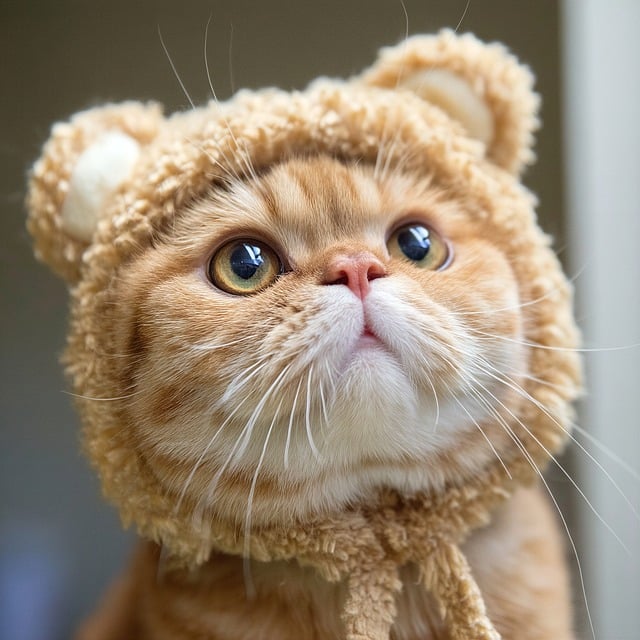
Orange Scottish Folds are undeniably charming cats. Their round faces, soft coats, and folded ears give them an almost storybook appearance. Many are affectionate companions that settle comfortably into family life.
But behind that adorable look is a breed that requires thoughtful breeding and attentive care. In my years working with cats, I’ve seen Scottish Folds thrive in loving homes—and I’ve also seen the challenges that arise when health considerations are ignored.
For owners who go in with clear expectations and choose their breeder carefully, an orange Scottish Fold can become an incredibly loyal companion for many years.