Check a Dog’s Temperature
May
How I Check a Dog’s Temperature Through the Armpit Without Stressing Them Out

I run a small mobile dog-grooming setup in central Texas, and over the years, I have helped nervous owners figure out whether their dog might be running a fever before they rush to an emergency clinic. Most people know about rectal thermometers for dogs, but many dogs hate them, and some owners are understandably uncomfortable using them at home. I have checked armpit temperatures many times during grooming appointments, especially with older dogs, anxious rescues, and dogs recovering from surgery.

Why I Sometimes Use the Armpit Method

The armpit method is not as exact as a rectal reading, but it can still tell me whether something looks off. I usually use it as a first step when a dog feels unusually warm, sluggish, shaky, or tired during a grooming session. A healthy dog’s temperature normally sits around 101 to 102.5 degrees Fahrenheit, so even a rough reading can help me decide if the owner should call their vet.

Some dogs panic the second they see a thermometer. I remember one older shepherd mix that would stiffen up and growl whenever someone tried to handle his back end, but he stayed calm if I checked under his front leg while feeding him small treats. That kind of situation matters because stress alone can raise a dog’s temperature slightly, making a rough reading even harder to judge.

I use a digital thermometer with a flexible tip whenever possible. Human thermometers can work fine for this if they read quickly and accurately. Cheap thermometers often lag for 20 or 30 seconds, and an impatient dog rarely stays still that long.

How I Actually Take the Temperature

I usually start by letting the dog relax for several minutes indoors before checking anything. If the dog just came in from a hot yard or a long walk, the reading may be misleading. Calm dogs give better readings. Nervous dogs do not.

Once the dog settles down, I place the thermometer high inside the armpit where the front leg meets the chest. I gently hold the leg against the thermometer so it stays in contact with the skin rather than floating against the fur. Thick-coated breeds can make this tricky because dense hair traps heat unevenly, especially around the chest.

A local rescue coordinator I know once pointed new adopters toward American Kennel Club health resources after several foster dogs came down with kennel cough during one winter stretch. I understood why because newer owners often struggle to tell the difference between a mild illness and something more urgent. Temperature checks help narrow things down, even if the armpit method stays slightly less precise than rectal readings.

I usually mentally add about 1 degree Fahrenheit to an armpit reading. That is not a perfect rule, though. If I see a reading around 103 degrees under the arm and the dog is acting lethargic or refusing water, I tell the owner to contact a veterinarian instead of waiting around to recheck it later.
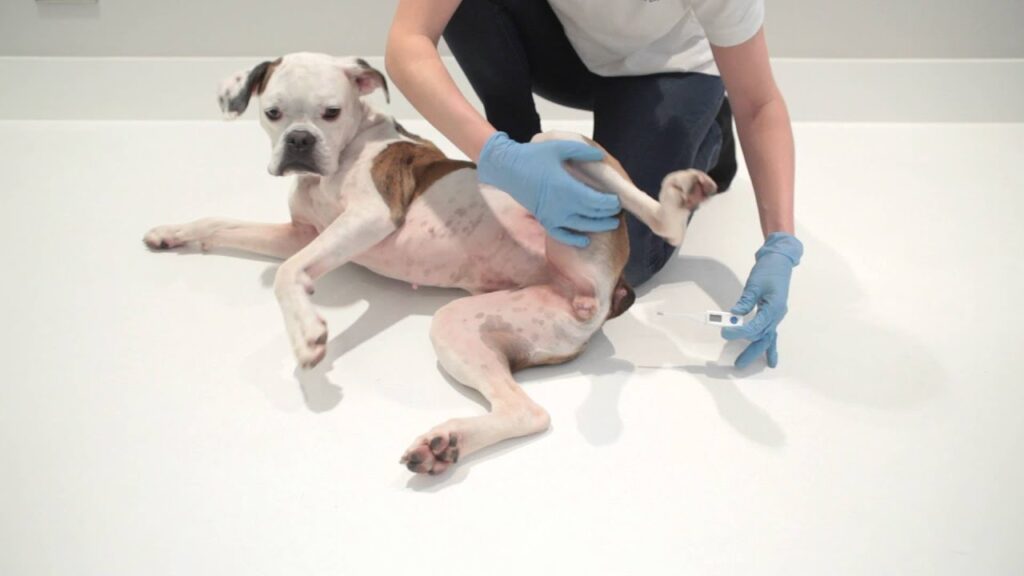
Check a Dog’s Temperature

What Can Throw Off the Reading

Fur thickness changes everything. A short-haired boxer gives me a much cleaner armpit reading than a fluffy malamute after a bath. Wet fur, recent exercise, anxiety, and even lying in direct sunlight for fifteen minutes can all push the number around.

I learned this the hard way with a bulldog client during a brutal summer afternoon. His owner panicked because the thermometer showed almost 104 degrees under the arm, but the dog had just come in from a heated truck bed after sitting in traffic. We cooled him indoors with water and fans for a while before checking again, and the reading dropped significantly.

Position matters too. If the thermometer tip sits mostly against fur rather than skin, the reading may be lower than the dog’s actual body temperature. I sometimes trim a tiny patch inside the armpit for heavily coated dogs that need regular monitoring after illness.

Dogs also move constantly. That alone creates problems. I have had puppies wriggle loose three separate times before I could get a stable reading, especially energetic doodles around six months old that think every object is a toy.

Signs I Watch Alongside Temperature

I never rely on the thermometer alone. A dog can have a normal temperature and still feel terrible, especially during the early stages of infection or stomach problems. Behavior tells me just as much as numbers do.

These are the signs that usually make me more concerned:

Low energy, pale gums, refusal to eat, heavy panting indoors, vomiting, and shaking are the big ones I pay attention to first. Some dogs hide discomfort quietly, while others become clingy or restless. A healthy dog usually acts like itself even after a stressful grooming appointment.

I once worked with a spaniel that technically had only a mild fever, but he would not stop pacing and pressing his head against his owner’s legs. The owner later found out he had an intestinal blockage from swallowing part of a rubber toy. Small details matter.

When I Stop Monitoring and Tell Owners to Call a Vet

I am comfortable helping owners do basic checks, but I stay in my lane. If a dog’s armpit temperature keeps reading high after resting indoors for half an hour, I usually recommend seeking professional medical advice that day. Puppies, senior dogs, and flat-faced breeds can go downhill fast once dehydration starts.

Anything around 104 degrees Fahrenheit worries me, especially if the dog also seems weak or confused. Temperatures near 106 degrees can become life-threatening. Heatstroke cases are especially scary because damage can happen quickly, even before the dog fully collapses.

I have seen owners wait too long because the dog still wagged its tail or drank a little water. Dogs often try to stay social even when they feel awful. One retriever I knew still carried around his tennis ball while running a serious fever from an infection that later required several days of treatment.

The armpit method works best as a screening tool at home. It gives me enough information to decide whether I should keep watching the dog, encourage rest, or push the owner toward veterinary care. That is really its value.

Most dogs tolerate the armpit method better than rectal checks, especially if the owner remains calm and patient throughout. I still keep a proper pet thermometer in my grooming van because situations come up more often than people think. A quick temperature check has saved several clients from brushing off symptoms that turned out to be much more serious than simple tiredness.
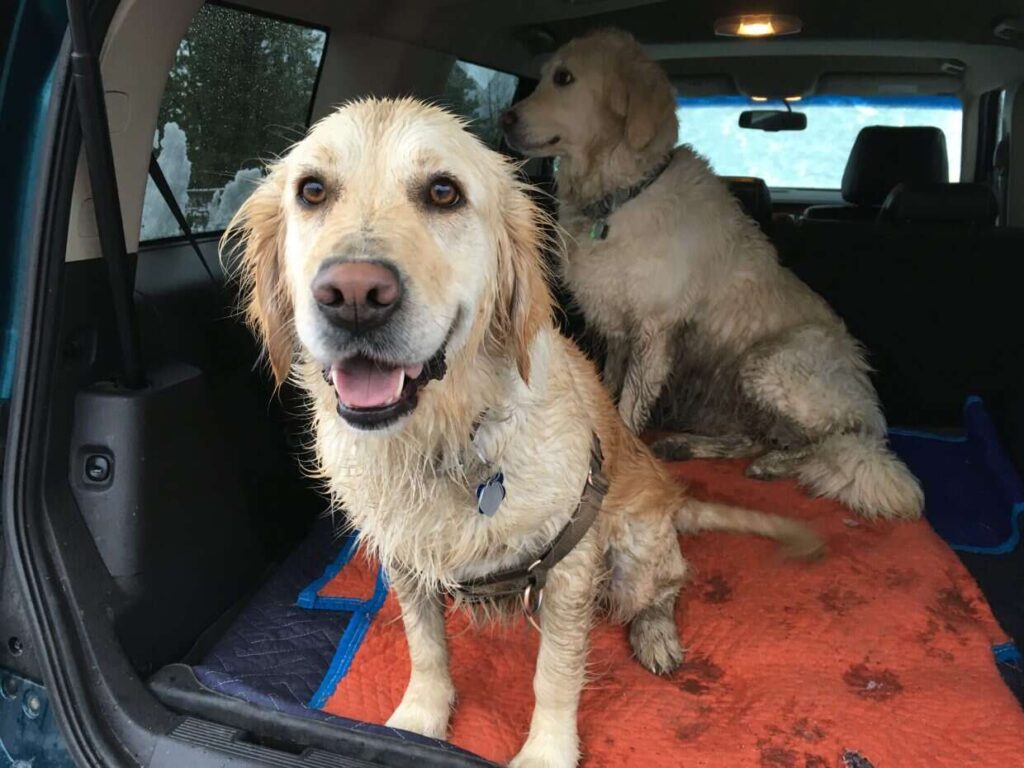
What Dogs Pick Up From Edibles
May
What Dogs Really Pick Up From Edibles on Cruise Ships

I work as a canine handler who has spent years around detection dogs at ports, cruise boarding points, and private security checkpoints in coastal travel operations. Most of my work involves observing how dogs react to food items, luggage, and confined environments, such as ship terminals, where thousands of passengers move through tight spaces.

The question of whether dogs can smell edibles on cruise ships comes up more often than people expect, especially from travelers trying to understand what actually gets detected during screening. I have seen enough real-world screenings to know the answer is not simple, but it is consistent in one way: dogs are far more capable than most people assume.

How scent detection actually works in a moving cruise environment

Dogs do not detect “labels” like edible or non-edible. They detect volatile organic compounds that come off substances, and edibles made with cannabis or similar ingredients often carry those compounds in subtle but traceable amounts. On cruise ships, the environment adds complexity because salt air, food smells, and crowded luggage areas mix together, yet trained dogs still isolate specific scents surprisingly well. I have watched dogs work through packed cruise terminal queues where hundreds of bags pass in an hour, and they rarely get confused by background noise or smell.

At a busy boarding terminal I worked at last spring, I saw a detection dog pause briefly near a passenger’s backpack even though nothing visible seemed unusual. That moment came during routine screening before boarding a mid-sized cruise vessel carrying a few thousand passengers. The handler followed protocol, and it turned out to be a food product containing concentrated plant-based compounds used in an edible form. The dog did not react to the packaging or the food itself but to the scent signature embedded in it. This is why training environments matter so much, especially when dealing with cruise traffic, where passengers often carry snacks and sealed goods.

For readers who want to understand training environments or canine detection setups more deeply, I have referred them to resources on canine detection training that explain the principles of scent imprinting and real-world practice in detail. These resources help break down why dogs can distinguish between thousands of overlapping smells in environments like cruise terminals. In practice, I have seen handlers rely heavily on repetition and controlled exposure to sharpen a dog’s focus under real boarding conditions. Cruise environments are among the most challenging environments due to constant movement and scent contamination from food service.

Edibles, packaging, and why cruise security dogs still pick them up

Most passengers assume that sealing edibles in airtight packaging makes them invisible to detection dogs, but that assumption does not hold up in real operational settings. Even when packaging is tight, microscopic scent particles can still escape, especially if the item was handled directly before packing. Dogs trained for detection work on cruises are not reacting to the container but to the trace odor that leaks into the surrounding air. I have seen dogs indicate interest in sealed lunch boxes, cosmetic bags, and sealed snack containers due to residual scent transfer.

The cruise environment adds another layer because luggage often stays in shared storage areas where heat and humidity can intensify scent release. I remember a case in which several bags were lined up for screening before boarding a large vessel, and a dog alerted to a suitcase containing nothing more than snacks and other personal items. The passenger was surprised because nothing was open or obvious, but the heat from the terminal area had likely increased odor diffusion. Situations like that are not rare in cruise operations, where timing and storage conditions matter as much as the items themselves.

Dogs working these environments are trained for consistency, not judgment. They do not differentiate between intent and quantity; they only detect the presence of a trained odor profile. This is why cruise security teams value canine units: they reduce the risk of human error when quickly visually scanning thousands of items. The dogs are not guessing, and they are not distracted by the social chaos of boarding crowds. Their focus remains locked on scent patterns even as people move, talk, and handle luggage.

What Dogs Pick Up From Edibles

Real behavior patterns I have seen during cruise boarding checks

Working around cruise terminals for years, I have noticed that dogs often behave differently depending on how crowded and active the environment is. In calm settings, their alerts are quick and direct, but in busy cruise boarding situations, they sometimes slow down their search pattern and double-check areas before signaling. This is not confusion but concentration. I have seen handlers wait patiently while a dog circles a luggage cluster twice before making a final indication.

One situation I still remember involved a group of passengers boarding a mid-range cruise where luggage was stacked in rolling containers. The dog moved along steadily until it paused near a cluster of bags that had been freshly loaded from a food supply area. The smell was a mix of baked goods and packaged items, yet the dog was isolated in a single bag. Later inspection revealed a small container with edible products mixed among other travel snacks. The interesting part was how subtle the reaction was, not aggressive or rushed, just a calm point and sit response that handlers are trained to recognize immediately.

Cruise environments also introduce noise, movement, and temperature shifts that can affect both humans and animals, but trained detection dogs adapt surprisingly well. I have seen them work through early morning boarding sessions when passengers are tired and less organized with their belongings. Even then, their focus remains steady, and they rarely lose accuracy unless the environment is heavily contaminated with overlapping, strong scents, such as food-preparation zones right next to baggage lines.

What passengers usually misunderstand about scent detection on cruises

Many people believe that cruise security is only about scanners and manual checks, but canine units play a much bigger role than most passengers realize. I have had conversations with travelers who assumed dogs were only looking for large or obvious items, but that is not how training works. Dogs are conditioned to recognize specific odor profiles regardless of quantity, visibility, or packaging style. This means even small trace amounts can trigger a response if they match the trained scent.

Another common misunderstanding is that movement on a cruise ship reduces detection accuracy. From my experience, it does not significantly reduce when dogs are properly trained. They adjust to motion, crowd density, and changing airflow without losing focus on scent trails. I have seen them work through windy dock conditions where luggage carts are moving constantly, yet their performance remains stable. The only real limitation is extreme contamination, where too many strong overlapping odors make isolation harder for any animal or human handler.

People also underestimate how quickly scent transfers between hands, bags, and surfaces. I have seen passengers unknowingly contaminate multiple items just by handling food products and then packing clothing in the same suitcase. On a cruise, where bags are stacked and moved repeatedly, this transfer effect becomes even more pronounced. Dogs are essentially picking up a trail that humans cannot perceive, which is why their role in screening remains so important in maritime travel environments.

Working with detection dogs has taught me that scent is a language we barely understand, yet these animals read it with precision in places like cruise terminals where everything feels chaotic. Whether it is an edible or another scent-based item, the detection process depends less on the object itself and more on how its odor interacts with its surroundings. That is what makes cruise security such a unique testing ground for canine ability.

Rare Cat Eye Colors
May
Rare Cat Eye Colors I Keep Seeing in Clinic Cases and Breeding Consults

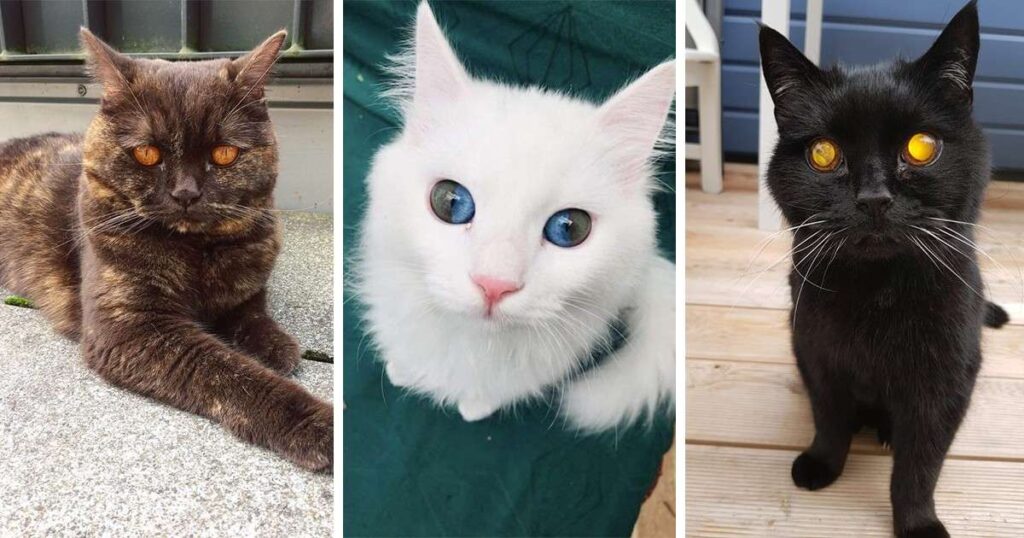
I work as a feline grooming specialist and part-time consultant with a small cat genetics rescue program. Over the years, I’ve handled thousands of cats coming through grooming sessions, shelter assessments, and breeder evaluations. One thing that still catches my attention is how varied and unusual cat eye colors can be. Some of them look almost unreal when you see them in natural light. I’ve learned to read those colors not just as aesthetics but as clues about genetics, health, and breed history.

How rare eye colors actually form

Most people assume cat eye color is just about breed, but I’ve found it is more about pigment concentration and genetics working together in layers. Melanin distribution in the iris decides whether a cat ends up with copper, green, blue, or something more unusual, like odd-eyes. In several clinic cases I’ve reviewed, kittens from the same litter can show completely different eye tones even when coat color looks nearly identical. That variation always reminds me how unpredictable feline genetics can be.

In one rescue intake last spring, I handled a young domestic cat with one blue eye and one amber eye. The caretaker thought it was a sign of illness, but after a full checkup and history review, it turned out to be a harmless genetic condition called heterochromia. Cases like that are rare but not dangerous. I’ve seen that before. It’s fascinating how often people mistake uniqueness for disease.

For anyone trying to understand these unusual traits more deeply, I once referred a breeder client to a feline ophthalmology resource that helped them separate cosmetic variation from medical concerns during early kitten evaluations. That kind of guidance matters when you are trying to avoid misreading natural genetic traits as health problems. I still recommend structured references like that during consultations because visual traits alone can be misleading without context.

Blue eyes beyond common breeds

Blue eyes are often associated with Siamese-type cats, but I’ve seen them in several unexpected breeds. White-coated cats, especially those with dominant white genes, sometimes carry bright blue eyes that look almost glass-like under indoor lighting. In my grooming work, I’ve noticed that clients often assume that blue eyes always indicate partial deafness, which isn’t always true. The reality is more complex and depends on multiple genetic factors interacting simultaneously.

During one shelter evaluation, I worked with a white domestic shorthair with deep sapphire-blue eyes and no hearing issues. The staff initially flagged the cat for further testing, but behavioral observation confirmed normal auditory response. That case stayed with me because it challenged many assumptions I had also heard repeated for years. Blue eyes alone do not define a cat’s sensory health, even if the correlation exists in certain lines.

In breeding circles I’ve visited, blue-eyed cats are often selectively bred for appearance, but responsible breeders still carefully monitor health lines. The balance between aesthetic traits and genetic stability is always delicate. I’ve seen some breeders prioritize eye color so heavily that it created unintended coat or immune system issues down the line. That tradeoff is rarely discussed outside professional circles.

Rare Cat Eye Colors

Odd-eye cats and the genetics behind them

Odd-eye cats are among the most striking animals I’ve handled in my career. One eye appears blue while the other ranges from green to amber to copper. This condition is most commonly seen in white cats because pigment cells migrate during early development. I’ve worked with several cats like this in grooming sessions, and they always draw attention the moment they walk into a room.

The most memorable case I had involved a rescue cat that lived in a foster home with three other animals. The foster caregiver initially thought the difference in eye color was due to injury or infection, but veterinary checks confirmed it was genetic heterochromia. That cat had one brilliant turquoise eye and one warm golden eye, which created a striking contrast in sunlight. I still remember how calm the cat was during grooming, despite constant attention from visitors curious about its appearance.

Odd-eye traits are not always purely cosmetic from a breeder’s perspective, since they can be linked to pigmentation pathways that also affect hearing in some white-coated lines. That is why careful evaluation matters before assuming it is just a visual trait. In my experience, most odd-eye cats live completely normal lives without complications, but early screening still helps rule out hidden issues that may not be obvious during casual observation.

Amber, copper, and shifting tones

Amber and copper eyes are more common than people think, but true deep copper tones with high clarity are less frequently seen outside certain breeds, such as British Shorthairs. I’ve handled many cats whose eye color seemed to shift slightly with lighting, making identification tricky even for experienced handlers. In natural daylight, those eyes often appear richer and more saturated than under artificial indoor light.

One boarding client last year brought in a cat with what they called “golden flame eyes,” and while that sounded dramatic, the description was not far off. The eyes had a layered copper tone that almost reflected orange highlights when the cat moved. That cat also had a calm temperament, which made handling during grooming sessions very smooth. I’ve noticed that owners often become very emotionally attached to this eye color category more than others.

Genetically, these warmer tones are tied to pigment density in the iris, but the exact shade variation still surprises me in real-world cases. I’ve seen siblings from the same litter develop slightly different copper shades that only become noticeable after a few months of growth. That slow change is something many first-time cat owners do not expect.

Rare eye colors always remind me that cats are not uniform in how they express their traits. Even within predictable genetics, there is always a layer of variation that emerges only over time, in different environments, and through subtle biological shifts.

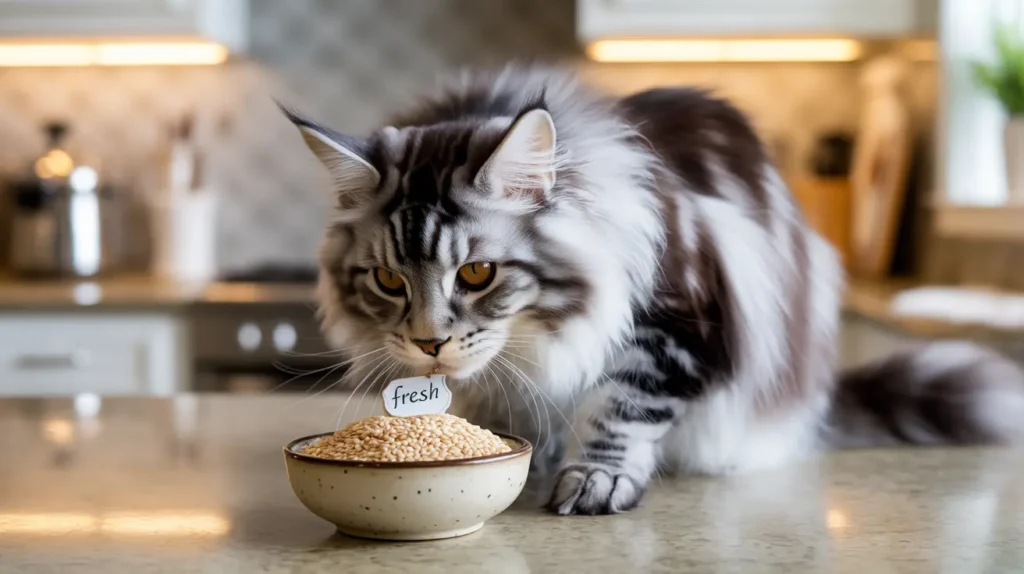
Cats Snack on Sesame Seeds
May
Why I Never Recommend Letting Cats Snack on Sesame Seeds

I work as a small-animal nutrition advisor in a busy veterinary clinic where I spend most of my days reviewing pet diets and correcting feeding mistakes people make at home. One question that comes up more often than you would expect is whether cats can have sesame seeds. I usually hear it from owners who are sharing human food or baking ingredients with their pets without thinking twice. Over time, I’ve seen enough mild stomach upsets to take this question seriously. So I always break it down based on what I’ve observed in real cases rather than assumptions.

What Sesame Seeds Actually Do in a Cat’s Body

From what I’ve seen in clinic cases, sesame seeds don’t offer any meaningful nutritional benefit to cats. Cats are obligate carnivores, which means their bodies are designed to process animal protein, not plant oils or seeds. A few scattered seeds usually pass through without much issue, but that does not mean they are helpful or necessary. I’ve had several cases where cats developed mild digestive discomfort after eating foods coated with sesame seeds, especially when those foods also contained oils or spices.

Most owners don’t realize how small ingredients can still irritate a sensitive digestive system. One cat I remember from a routine consultation had persistent soft stools after repeatedly licking leftover burger buns from the kitchen counter. The seeds themselves weren’t toxic, but they were part of a mixture that didn’t agree with the cat’s gut. This is where I usually remind people that the absence of toxicity does not mean suitability.

In some discussions with pet owners, I’ve pointed them toward reliable veterinary guidance, and during a consultation, I once referenced a general informational source available through a local vet clinic to help them understand basic dietary safety for cats. What stood out in that conversation was how surprised they were that something as small as seeds could contribute to digestive imbalance when combined with other ingredients. That moment usually shifts how people view “harmless” human foods.

When Cats Accidentally Eat Sesame Seeds

In most real-world situations, cats don’t intentionally seek out sesame seeds. It usually happens indirectly, like when they lick bread crusts, snack on spilled food, or nibble on table scraps. I’ve handled cases where cats ate food containing sesame coatings or sauces, and the reaction varied depending on the cat’s sensitivity and how much they consumed. Small amounts rarely cause dramatic symptoms, but I still watch for changes in appetite or stool consistency.

One customer last spring brought in a young tabby that had been sneaking bites from sandwich leftovers left on a low coffee table. The cat wasn’t seriously ill, but it showed mild bloating and reduced interest in its regular food for a day or two. These cases help reinforce that it’s not just about toxicity, but also about how unfamiliar ingredients affect digestion. Even small dietary disruptions can throw a cat off balance for a short time.

Most sesame exposure I’ve seen is accidental and tied to human eating habits around pets. Cats are curious, and they often investigate anything new on a plate. I always advise owners to keep shared food habits consistent and controlled because once a cat associates certain smells with snacks, it becomes harder to discourage the behavior later.

Cats Snack on Sesame Seeds

Why Sesame Seeds Are Not a Useful Treat for Cats

People sometimes assume that because seeds contain oils and nutrients, they might benefit cats in small amounts. In practice, I’ve never seen a case where sesame seeds provided any nutritional benefit for a cat. Their bodies simply don’t metabolize plant-based fats in a way that improves health or energy levels. Instead, protein from animal sources remains the only meaningful dietary requirement.

The texture of sesame seeds can also be a minor concern. They are small but not digestible in the same way as meat-based nutrients are, which means they mostly pass through the system unchanged. I’ve seen this in stool observations during routine checkups, where seeds were visible without any breakdown. It doesn’t usually indicate danger, but it does show inefficiency from a nutritional standpoint.

There’s also the issue of habit formation. Once cats get used to tasting human food, even tiny amounts, they start showing more interest in kitchen surfaces and dining areas. I’ve had to help several households manage this behavior shift, and it often starts with something as simple as sharing bread or baked goods containing seeds. Prevention is much easier than correction in these cases.

Safer Ways to Handle Food Curiosity in Cats

In my daily work, I focus more on prevention than on correction because cats’ dietary habits are shaped early and reinforced quickly. If a cat shows curiosity about human food, I usually suggest redirecting that interest toward approved treats rather than trying to fight the behavior once it develops. Consistency is far more effective than occasional discipline.

I’ve noticed that many owners underestimate how quickly cats associate smells with rewards. Even a few experiences of getting sesame-coated food can make a cat more persistent at begging or stealing bites. That’s why I always recommend keeping human food out of reach and avoiding casual sharing, especially in kitchens where cats roam freely during meal preparation.

One practical approach I often suggest is setting a feeding routine that satisfies the cat’s curiosity through proper meals and approved snacks. When cats feel consistently fed and engaged, they are less likely to investigate random foods on counters. It may sound simple, but I’ve seen it reduce unwanted food-seeking behavior in multiple households over a few weeks.

Another thing I remind owners is that small dietary mistakes add up over time. A single sesame seed snack might not cause harm, but repeated exposure to mixed human foods can slowly introduce digestive inconsistencies. Keeping food boundaries clear helps maintain long-term stability in a cat’s health and behavior.

After years of observing these patterns, I’ve learned that the safest approach is always to keep cats on diets designed specifically for them. Sesame seeds don’t belong in that category, even if they seem harmless at first glance. The less guesswork involved in feeding, the better the outcomes tend to be for both the cat and the owner.

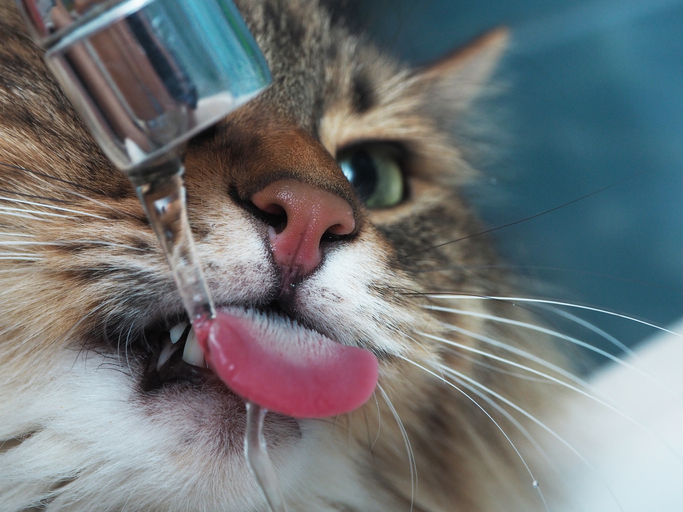
Cat Drinking a Lot of Water and Meowing
May
Cat Drinking a Lot of Water and Meowing at Night

I work as a mobile veterinary technician and have been handling household cat health cases across residential areas for a few years. One pattern I keep seeing is owners getting worried when their cat suddenly starts drinking a lot of water and meowing more than usual. I usually get calls in the evening when the behavior becomes hard to ignore, especially when it disrupts sleep. It often feels sudden to the owner, but there is usually a buildup of small signs that were easy to miss earlier.

When water bowl behavior starts changing

The first thing I notice in these cases is how quickly the water consumption changes from normal sipping to repeated trips throughout the day. A cat that used to drink a small amount after meals may suddenly finish an entire bowl in a few hours, and that alone raises concern for most households I visit. One customer last spring mentioned refilling the bowl four times a day for a cat that previously ignored water unless it was fresh.

From my experience, increased thirst in cats can come from several underlying issues, and I never assume it is harmless even if the cat still seems active. I have seen cases where early kidney strain or diabetes was first noticed through water bowl patterns before any other obvious symptoms appeared. There was one older cat I checked that started drinking excessively over a week, and the owner initially thought it was just warmer weather causing it.

Alongside drinking more, meowing tends to increase because cats often become more vocal when something in their body feels off or uncomfortable. The combination of thirst and vocal changes is usually a signal I take seriously, even before lab tests confirm anything. I always ask owners to track timing, because patterns often reveal more than a single observation.

Possible medical reasons behind the behavior

When I assess a cat that is drinking a lot of water and meowing more than usual, I usually start by considering kidney issues, thyroid imbalance, and blood sugar changes, since these are common in middle-aged and older cats. I also look at diet changes and environmental stress, but physical health causes tend to be more consistent with these symptoms. During a household visit, I suggested early screening after noticing both thirst and restless vocal behavior in a six-year-old cat, which helped catch an early metabolic issue before it became severe.

In some cases, owners seek quick advice online and end up overwhelmed, so I often recommend a reliable local veterinary clinic where basic blood work and urine tests can be performed without delay. I have seen situations where a simple test cleared up anxiety because the issue turned out to be mild dehydration rather than a chronic disease. Other times, it confirmed something that needed immediate dietary and medical management, and that early step made a big difference in recovery outcomes.

Not every case turns out serious, but ignoring the combination of excessive drinking and increased vocalization can delay treatment if there is an underlying condition. I always tell owners that cats rarely exaggerate symptoms for attention alone, especially when both hydration and behavior change together. A cat I handled last winter showed these signs for nearly 2 weeks before any weight loss was visible, indicating how early the behavior can appear.

Cat Drinking a Lot of Water and Meowing

Why does meowing often increase with thirst changes

From my fieldwork, I have learned that meowing in these situations is rarely random. Cats often vocalize more when their internal balance feels off, and thirst-driven discomfort can make them restless, especially at night. I remember one case where the cat paced between rooms and kept returning to the water bowl while meowing, which made the owner think it was behavioral rather than medical at first.

Stress can also play a role, especially if the cat senses something different in its routine or environment. Even small changes like moving furniture or shifting feeding times can increase vocal behavior, but when combined with increased water intake, I treat it differently. I usually spend extra time observing whether the meowing is demand-based, pain-related, or simply anxiety-driven, since each pattern points in a different direction.

One thing I always explain is that cats use vocalization as a communication tool when other signals are not enough, and excessive thirst can push them into that state. I have worked with several households where nighttime meowing was the first noticeable symptom that prompted further investigation. In most of those cases, the behavior settled only after addressing the underlying health issue rather than trying to train it away.

What I check first during a home visit

When I arrive at a home for this type of complaint, I start by asking how quickly the change happened and whether appetite or litter box habits also shifted. These details help narrow down whether the issue is likely metabolic, dietary, or environmental. I also check the water source, because sometimes bowl cleanliness or placement can influence drinking behavior more than people expect.

I then observe the cat’s behavior directly, especially how it moves between resting, drinking, and vocalizing. If the cat drinks large amounts in short bursts and meows immediately after, I become more alert to possible internal discomfort. I have seen cases where the owner thought the cat was simply “being loud,” but subtle signs, like reduced grooming, pointed to something deeper.

Finally, I usually recommend basic diagnostic tests if the pattern continues for more than a couple of days. Waiting too long can make treatment more complicated if a medical condition is present. Early observation and simple testing often give the clearest direction forward without guesswork.

Whenever I leave a home after seeing this combination of symptoms, I remind owners that small behavioral shifts in cats are often early warnings rather than random changes. Paying attention to both water intake and vocal patterns together usually gives a clearer picture than focusing on either alone, and that awareness often leads to faster help when needed.