Cat Drinking a Lot of Water and Meowing at Night
I work as a mobile veterinary technician and have been handling household cat health cases across residential areas for a few years. One pattern I keep seeing is owners getting worried when their cat suddenly starts drinking a lot of water and meowing more than usual. I usually get calls in the evening when the behavior becomes hard to ignore, especially when it disrupts sleep. It often feels sudden to the owner, but there is usually a buildup of small signs that were easy to miss earlier.
When water bowl behavior starts changing
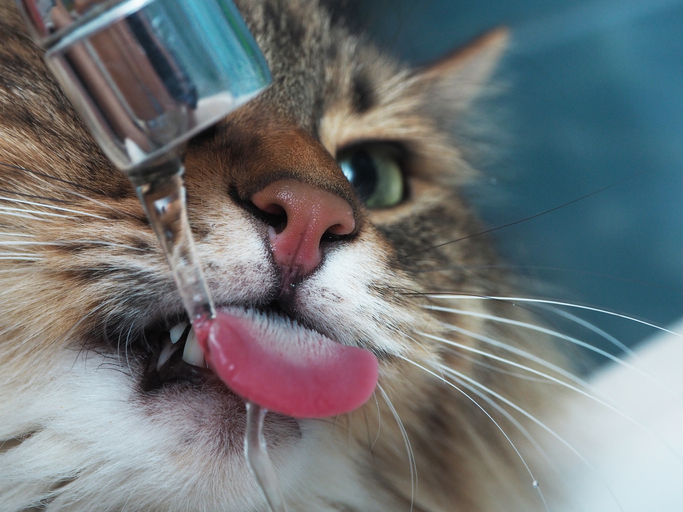
The first thing I notice in these cases is how quickly the water consumption changes from normal sipping to repeated trips throughout the day. A cat that used to drink a small amount after meals may suddenly finish an entire bowl in a few hours, and that alone raises concern for most households I visit. One customer last spring mentioned refilling the bowl four times a day for a cat that previously ignored water unless it was fresh.
From my experience, increased thirst in cats can come from several underlying issues, and I never assume it is harmless even if the cat still seems active. I have seen cases where early kidney strain or diabetes was first noticed through water bowl patterns before any other obvious symptoms appeared. There was one older cat I checked that started drinking excessively over a week, and the owner initially thought it was just warmer weather causing it.
Alongside drinking more, meowing tends to increase because cats often become more vocal when something in their body feels off or uncomfortable. The combination of thirst and vocal changes is usually a signal I take seriously, even before lab tests confirm anything. I always ask owners to track timing, because patterns often reveal more than a single observation.
Possible medical reasons behind the behavior
When I assess a cat that is drinking a lot of water and meowing more than usual, I usually start by considering kidney issues, thyroid imbalance, and blood sugar changes, since these are common in middle-aged and older cats. I also look at diet changes and environmental stress, but physical health causes tend to be more consistent with these symptoms. During a household visit, I suggested early screening after noticing both thirst and restless vocal behavior in a six-year-old cat, which helped catch an early metabolic issue before it became severe.
In some cases, owners seek quick advice online and end up overwhelmed, so I often recommend a reliable local veterinary clinic where basic blood work and urine tests can be performed without delay. I have seen situations where a simple test cleared up anxiety because the issue turned out to be mild dehydration rather than a chronic disease. Other times, it confirmed something that needed immediate dietary and medical management, and that early step made a big difference in recovery outcomes.
Not every case turns out serious, but ignoring the combination of excessive drinking and increased vocalization can delay treatment if there is an underlying condition. I always tell owners that cats rarely exaggerate symptoms for attention alone, especially when both hydration and behavior change together. A cat I handled last winter showed these signs for nearly 2 weeks before any weight loss was visible, indicating how early the behavior can appear.
Why does meowing often increase with thirst changes
From my fieldwork, I have learned that meowing in these situations is rarely random. Cats often vocalize more when their internal balance feels off, and thirst-driven discomfort can make them restless, especially at night. I remember one case where the cat paced between rooms and kept returning to the water bowl while meowing, which made the owner think it was behavioral rather than medical at first.
Stress can also play a role, especially if the cat senses something different in its routine or environment. Even small changes like moving furniture or shifting feeding times can increase vocal behavior, but when combined with increased water intake, I treat it differently. I usually spend extra time observing whether the meowing is demand-based, pain-related, or simply anxiety-driven, since each pattern points in a different direction.
One thing I always explain is that cats use vocalization as a communication tool when other signals are not enough, and excessive thirst can push them into that state. I have worked with several households where nighttime meowing was the first noticeable symptom that prompted further investigation. In most of those cases, the behavior settled only after addressing the underlying health issue rather than trying to train it away.
What I check first during a home visit
When I arrive at a home for this type of complaint, I start by asking how quickly the change happened and whether appetite or litter box habits also shifted. These details help narrow down whether the issue is likely metabolic, dietary, or environmental. I also check the water source, because sometimes bowl cleanliness or placement can influence drinking behavior more than people expect.
I then observe the cat’s behavior directly, especially how it moves between resting, drinking, and vocalizing. If the cat drinks large amounts in short bursts and meows immediately after, I become more alert to possible internal discomfort. I have seen cases where the owner thought the cat was simply “being loud,” but subtle signs, like reduced grooming, pointed to something deeper.
Finally, I usually recommend basic diagnostic tests if the pattern continues for more than a couple of days. Waiting too long can make treatment more complicated if a medical condition is present. Early observation and simple testing often give the clearest direction forward without guesswork.
Whenever I leave a home after seeing this combination of symptoms, I remind owners that small behavioral shifts in cats are often early warnings rather than random changes. Paying attention to both water intake and vocal patterns together usually gives a clearer picture than focusing on either alone, and that awareness often leads to faster help when needed.