How I Check a Dog’s Temperature Through the Armpit Without Stressing Them Out
I run a small mobile dog-grooming setup in central Texas, and over the years, I have helped nervous owners figure out whether their dog might be running a fever before they rush to an emergency clinic. Most people know about rectal thermometers for dogs, but many dogs hate them, and some owners are understandably uncomfortable using them at home. I have checked armpit temperatures many times during grooming appointments, especially with older dogs, anxious rescues, and dogs recovering from surgery.
Why I Sometimes Use the Armpit Method
The armpit method is not as exact as a rectal reading, but it can still tell me whether something looks off. I usually use it as a first step when a dog feels unusually warm, sluggish, shaky, or tired during a grooming session. A healthy dog’s temperature normally sits around 101 to 102.5 degrees Fahrenheit, so even a rough reading can help me decide if the owner should call their vet.
Some dogs panic the second they see a thermometer. I remember one older shepherd mix that would stiffen up and growl whenever someone tried to handle his back end, but he stayed calm if I checked under his front leg while feeding him small treats. That kind of situation matters because stress alone can raise a dog’s temperature slightly, making a rough reading even harder to judge.
I use a digital thermometer with a flexible tip whenever possible. Human thermometers can work fine for this if they read quickly and accurately. Cheap thermometers often lag for 20 or 30 seconds, and an impatient dog rarely stays still that long.
How I Actually Take the Temperature
I usually start by letting the dog relax for several minutes indoors before checking anything. If the dog just came in from a hot yard or a long walk, the reading may be misleading. Calm dogs give better readings. Nervous dogs do not.
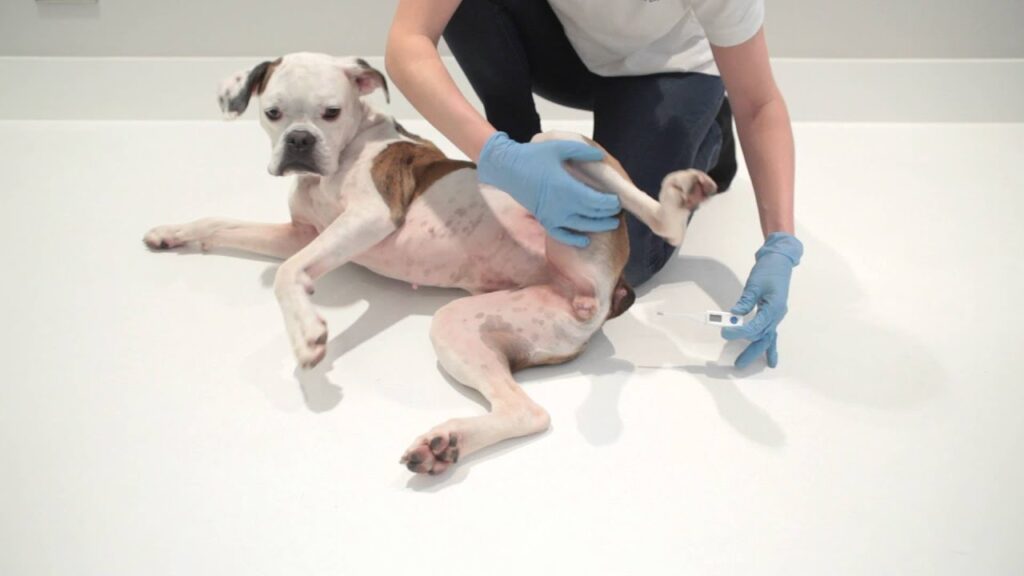
Once the dog settles down, I place the thermometer high inside the armpit where the front leg meets the chest. I gently hold the leg against the thermometer so it stays in contact with the skin rather than floating against the fur. Thick-coated breeds can make this tricky because dense hair traps heat unevenly, especially around the chest.
A local rescue coordinator I know once pointed new adopters toward American Kennel Club health resources after several foster dogs came down with kennel cough during one winter stretch. I understood why because newer owners often struggle to tell the difference between a mild illness and something more urgent. Temperature checks help narrow things down, even if the armpit method stays slightly less precise than rectal readings.
I usually mentally add about 1 degree Fahrenheit to an armpit reading. That is not a perfect rule, though. If I see a reading around 103 degrees under the arm and the dog is acting lethargic or refusing water, I tell the owner to contact a veterinarian instead of waiting around to recheck it later.
What Can Throw Off the Reading
Fur thickness changes everything. A short-haired boxer gives me a much cleaner armpit reading than a fluffy malamute after a bath. Wet fur, recent exercise, anxiety, and even lying in direct sunlight for fifteen minutes can all push the number around.
I learned this the hard way with a bulldog client during a brutal summer afternoon. His owner panicked because the thermometer showed almost 104 degrees under the arm, but the dog had just come in from a heated truck bed after sitting in traffic. We cooled him indoors with water and fans for a while before checking again, and the reading dropped significantly.
Position matters too. If the thermometer tip sits mostly against fur rather than skin, the reading may be lower than the dog’s actual body temperature. I sometimes trim a tiny patch inside the armpit for heavily coated dogs that need regular monitoring after illness.
Dogs also move constantly. That alone creates problems. I have had puppies wriggle loose three separate times before I could get a stable reading, especially energetic doodles around six months old that think every object is a toy.
Signs I Watch Alongside Temperature
I never rely on the thermometer alone. A dog can have a normal temperature and still feel terrible, especially during the early stages of infection or stomach problems. Behavior tells me just as much as numbers do.
These are the signs that usually make me more concerned:
Low energy, pale gums, refusal to eat, heavy panting indoors, vomiting, and shaking are the big ones I pay attention to first. Some dogs hide discomfort quietly, while others become clingy or restless. A healthy dog usually acts like itself even after a stressful grooming appointment.
I once worked with a spaniel that technically had only a mild fever, but he would not stop pacing and pressing his head against his owner’s legs. The owner later found out he had an intestinal blockage from swallowing part of a rubber toy. Small details matter.
When I Stop Monitoring and Tell Owners to Call a Vet
I am comfortable helping owners do basic checks, but I stay in my lane. If a dog’s armpit temperature keeps reading high after resting indoors for half an hour, I usually recommend seeking professional medical advice that day. Puppies, senior dogs, and flat-faced breeds can go downhill fast once dehydration starts.
Anything around 104 degrees Fahrenheit worries me, especially if the dog also seems weak or confused. Temperatures near 106 degrees can become life-threatening. Heatstroke cases are especially scary because damage can happen quickly, even before the dog fully collapses.
I have seen owners wait too long because the dog still wagged its tail or drank a little water. Dogs often try to stay social even when they feel awful. One retriever I knew still carried around his tennis ball while running a serious fever from an infection that later required several days of treatment.
The armpit method works best as a screening tool at home. It gives me enough information to decide whether I should keep watching the dog, encourage rest, or push the owner toward veterinary care. That is really its value.
Most dogs tolerate the armpit method better than rectal checks, especially if the owner remains calm and patient throughout. I still keep a proper pet thermometer in my grooming van because situations come up more often than people think. A quick temperature check has saved several clients from brushing off symptoms that turned out to be much more serious than simple tiredness.