How to Safely Feed Popcorn to Your Dog
What I Tell Clients in My Exam Room
I’ve had this question come up more times than you’d expect—usually right after a movie night gone wrong. As a practicing small-animal veterinarian, I’ve seen everything from mildly gassy dogs to one particularly memorable case of a painful dental fracture, all tied back to popcorn.
The short answer? Plain popcorn can be okay for dogs in small amounts. But the way most people serve it makes it a bad idea.
Let me explain how I look at it in real life, not just in theory.
The First Time Popcorn Became a Problem
A few winters ago, a client brought in her Labrador after a family movie night. The dog had been happily catching popcorn in the air—until he wasn’t. By morning, he was drooling, pawing at his mouth, and refusing breakfast.
We found a partially cracked molar. The culprit wasn’t the fluffy popcorn—it was an unpopped kernel. Those little hard bits are tough enough to damage teeth, especially in enthusiastic eaters.
Since then, I’ve been very clear with clients: popcorn itself isn’t the main issue. It’s the details.
Plain Popcorn vs. “Human” Popcorn
If you strip popcorn down to its basics—air-popped, unsalted, unbuttered—it’s not toxic to dogs. In fact, it contains small amounts of fiber and minerals.
But that’s not how most people eat popcorn.
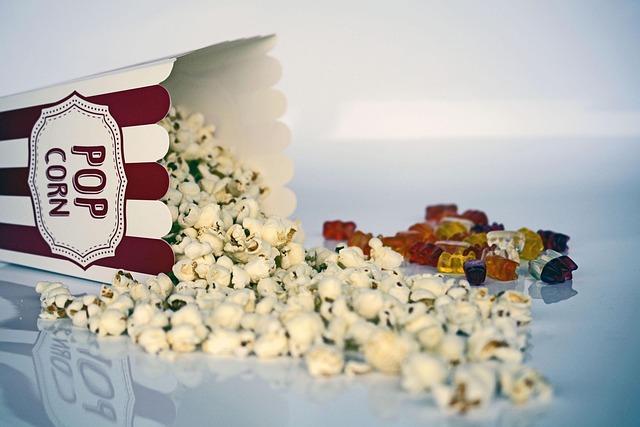
In my experience, dogs don’t get into plain popcorn. They get into:
- Buttered popcorn dripping with fat
- Heavily salted movie-style popcorn
- Caramel or flavored varieties
And that’s where problems start.
I once treated a small mixed-breed dog who had eaten a bowl of buttery popcorn left on a coffee table. He came in with vomiting and diarrhea that lasted a couple of days. Nothing life-threatening, but definitely uncomfortable—and avoidable.
The Real Risks I See in Practice
Over the years, a few patterns have become clear.
- Unpopped kernels are trouble
These are my biggest concerns. They can crack teeth or get stuck between them. I’ve removed more than a few from gum lines during exams.
- Butter and oil can upset the stomach
Rich, fatty foods don’t sit well with many dogs. Some develop diarrhea quickly; others get more serious inflammation like pancreatitis, especially if they’re prone to it.
- Salt adds up fast
A few pieces won’t hurt, but regular exposure to salty snacks can contribute to dehydration and long-term health issues.
- Portion size is often the hidden problem
People think, “It’s just popcorn,” and end up sharing half a bowl. Even safe foods become a problem in excess.
A Case That Changed How I Advise Owners
One case that stuck with me involved an older spaniel with dental disease. The owner had been giving him popcorn regularly as a “light snack.”
Over time, the combination of weak teeth and hard kernels led to multiple fractures. We had to extract several teeth to relieve his pain.
That was the moment I stopped saying popcorn is “fine in moderation” without explaining exactly what moderation looks like.
So, Can Dogs Eat Popcorn?
Yes—but only under specific conditions.
If a client asks me directly, I usually say:
- Air-popped only
- No butter, no salt, no flavorings
- No unpopped kernels
- Very small amounts
And even then, I add that it’s not something I actively recommend. There are simply better treatment options that don’t carry these risks.
What I Personally Do With My Own Dog
I have a dog at home, and yes—he’s tried popcorn. The first time, he loved it. But after seeing what I see in the clinic, I don’t make it a habit.
If I ever share it, I pick out a few fully popped, plain pieces and hand them over one at a time. No bowl on the floor. No free access.
That level of control matters more than people realize.
Common Mistakes I See Owners Make
The biggest issue isn’t popcorn itself—it’s how casually it’s given.
I’ve seen owners:
- Toss handfuls without checking for kernels.
- Share flavored popcorn without thinking about ingredients.
- Leave bowls unattended where dogs can overeat
These are small moments, but they add up to real problems in a clinic setting.
My Bottom-Line Advice
If you’re careful, plain popcorn can be an occasional treat. But it’s not a great one.
From where I sit—exam room after exam room—it’s simply not worth the risk when safer options are available. Most dogs don’t need popcorn, and they certainly won’t miss it.
I’ve learned to judge treats not by whether they’re technically “safe,” but by how often they lead to avoidable issues. Popcorn lands in that gray area.
And in my line of work, gray areas are where I see the most trouble.