Are Vinca Plants Toxic to Dogs
Mar
Are Vinca Plants Toxic to Dogs? What You Need to Know

From Professional Vet Perspective

The glossy green leaves and purple blooms of vinca—often called periwinkle—are a staple in many of the landscapes I see while driving to my clinic in North Texas. It’s a hardy, reliable groundcover, but as a licensed veterinarian who has spent over a decade treating curious pets, I’ve learned that its beauty comes with a significant pharmacological punch.

When clients ask me if Vinca is toxic to their dogs, the short answer is yes. However, the nuance lies in how the plant actually affects the body. Vinca contains vinca alkaloids, specifically vincristine and vinblastine. If those names sound familiar, it’s because they are actually used in concentrated, purified forms as chemotherapy agents in my oncology cases. While they are life-saving in a controlled medical setting, they are decidedly unwelcome in a puppy’s digestive tract.

The Reality of Consumption

In my experience, most dogs aren’t particularly interested in grazing on vinca. It isn’t sweet or particularly palatable like a fallen apricot or a stray grape. Usually, the “toxic” encounters I see involve bored puppies or dogs that have a habit of “shredding” plants during play.

A few years ago, a client brought in a young Labrador who had decided to dig up and chew through a large patch of established Vinca major while his owners were at work. By the time I saw him, he wasn’t just vomiting; he was showing signs of low blood pressure and significant lethargy. Because these alkaloids interfere with cell division, the symptoms go beyond a simple upset stomach.

What Actually Happens After Ingestion

If a dog consumes enough of the plant, the clinical signs usually follow a predictable, albeit scary, progression. It typically starts with:

  • Gastrointestinal Distress: Profuse vomiting and diarrhea are the most common initial signs.
  • Neurological Symptoms: I have seen cases where a dog appears “drunk” or uncoordinated, a condition we call ataxia.
  • Systemic Issues: In severe cases, the toxins can lead to tremors, seizures, or even a dangerous drop in heart rate.

I once treated a smaller terrier mix that had chewed on vinca stems during a weekend gardening session. The owners didn’t think much of it until the dog stopped eating and developed a very specific type of tremors. We had to provide aggressive fluid therapy and monitoring to get him through the night. It’s these systemic reactions that make me advise against planting vinca in areas where a dog is left unsupervised.

Are Vinca Plants Toxic to Dogs

Management and Practical Advice

If you suspect your dog has made a meal out of your flower beds, don’t wait for the tremors to start. I always tell my clients that it is much easier to treat a “potential” poisoning than a full-blown crisis. If caught early, we can often induce vomiting to clear the stomach before the alkaloids are fully absorbed.

I generally recommend that pet owners opt for truly dog-safe alternatives if they want that lush, trailing look. Creeping thyme or even certain types of moss can provide that green carpet without the chemical risk.

If you already have vinca and don’t want to rip it out, my professional opinion is to fence it off or use it only in hanging planters and elevated beds. I’ve seen too many “accidental” chew sessions happen because a dog was chasing a ball into a thicket of periwinkle.

While a single leaf likely won’t be fatal for a large dog, the cumulative effect or the reaction in a smaller breed is enough to warrant caution. If you see your dog chewing on these vines, a quick call to your vet or a pet poison helpline is the smartest move you can make. It’s always better to be sent home with a bored, healthy dog than to spend the night in the emergency clinic because of a common landscaping choice.

Find a Lost Dog
Mar
What to Do If You Find a Lost Dog: Step-by-Step Guide

The Reality Behind “Stray” Dogs

The moment you see a stray dog trotting down a busy Texas roadside, your adrenaline spikes. As a veterinarian who has spent over a decade in emergency clinics and general practice, I’ve seen this scenario play out from both sides: the panicked owner looking for their best friend and the well-meaning Good Samaritan who just wants to help but isn’t sure of the legal or medical protocol.

When I first started practicing, a woman brought in a jittery Australian Shepherd she’d found near a construction site. She had already bought a collar, a bed, and premium food, convinced she was “rescuing” an abandoned animal. Ten minutes later, we scanned a microchip and found the dog belonged to a family three streets over who had been searching for him since a thunderstorm the night before. It was a stark reminder that most “strays” are actually beloved pets having a very bad day.

Immediate Safety and Assessment

Your first priority isn’t the dog’s hunger; it’s safety—both yours and the animal’s. I always advise people to approach slowly and avoid direct eye contact, which many dogs perceive as a challenge. If the dog is showing teeth, cowering excessively, or keeping its tail tucked tightly, do not try to grab it.

I once had a client come in for stitches after they tried to haul a frightened Labrador into the back seat by the scruff. Even the sweetest dog can bite when its fight-or-flight response is triggered. If you can’t safely secure the dog with a slip lead or a piece of rope, it is much better to call local animal control and keep the dog in your sight from a distance than to end up in the ER yourself.

The Microchip Myth

Once the dog is secured, the most effective next step is a professional scan. You can walk into almost any veterinary clinic or fire station and ask for a microchip check. We do this for free, and it only takes a few seconds.

However, a common mistake I see is people assuming a “no chip” result means the dog is yours to keep. Microchips can migrate from the shoulder blades down to the chest or side, making them easy to miss if the scanner isn’t used thoroughly. I’ve found chips near a dog’s elbow before. Furthermore, some older chips operate at frequencies that certain scanners can’t detect. If a scan comes back negative, I still recommend treating the dog as a lost pet for at least several days while you do the legwork.

Find a Lost Dog

Local Laws and Holding Periods

In many jurisdictions, dogs are legally considered property. In several Texas counties where I’ve practiced, there are specific “stray hold” laws. If you keep a dog in your home without reporting it to the local shelter, you could technically be accused of theft, regardless of your intentions.

I generally suggest taking a clear photo and posting it to neighborhood apps and social media groups immediately. But here is a tip from years of seeing “found dog” disputes: never post a photo that shows every identifying mark. Leave out a specific detail—like a unique spot on the belly or the color of the harness they were wearing.

When someone calls claiming to be the owner, ask them to describe those missing details. I once helped a family navigate a situation where a stranger tried to claim a purebred Bulldog they’d found, likely to resell it. Having a “secret” identifying feature saved that dog from a very grim outcome.

Health Precautions at Home

If you decide to keep the dog at your house while looking for the owner, and you already have pets, keep them strictly separated. This is the professional advice people most often ignore, usually to their own detriment.

Last summer, a well-intentioned neighbor took in a stray beagle for the weekend and let it play with her own Golden Retriever. The stray had a severe case of sarcoptic mange and kennel cough. Within a week, the owner’s dog began losing hair and coughing uncontrollably, resulting in several hundred dollars in preventable vet bills.

Use a garage, a laundry room, or a crate. Until that dog has been examined for parasites and contagious respiratory issues, it shouldn’t be sharing water bowls or sleeping quarters with your residents.

Finding the Right Home

If a week passes and no owner is found, and the local shelters are at capacity—a common occurrence in many urban areas—you have to decide whether you are a “foster” or a “forever home.” If you choose to rehome the dog yourself, please avoid “free to a good home” ads. Unfortunately, these can attract individuals seeking dogs for unethical reasons. Instead, ask for a small rehoming fee to be donated to a local rescue, or require a vet reference.

Being the person who stands between a lost dog and a dangerous highway is noble. Just remember that the goal is a reunion. Most of the time, there is a family on the other side of town staring at an empty backyard, hoping someone like you is the one to find their dog.

Cat's Vision of Fire
Mar
How to Understand Your Cat’s Vision of Fire

What I’ve Learned as a Practicing Veterinarian

I’ve been a small-animal veterinarian for over a decade, and if there’s one thing I’ve learned about cats, it’s this: they notice things long before we do. Subtle movements, faint sounds, even changes in light—nothing escapes them. So when pet owners ask me whether cats can see fire, the answer isn’t just a simple yes or no. It’s more interesting than that.

Yes, Cats Can See Fire—But That’s Not the Full Story

Cats absolutely can see fire. Their eyes detect light and the movement of flames just as ours do. In fact, because of how feline vision works, they may notice the flickering motion of a flame even more intensely than we do.

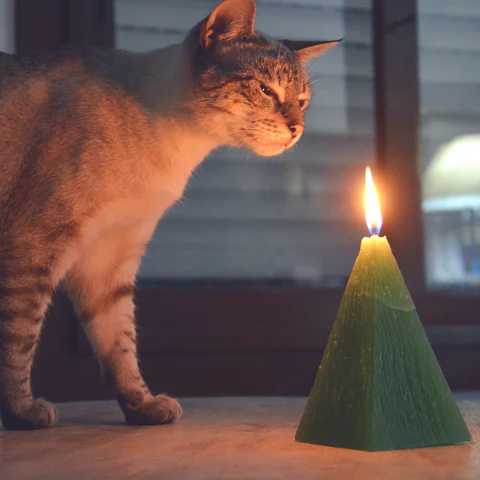
Cats have a higher number of rod cells in their retinas, which makes them especially sensitive to motion and low light. Fire, with its constant shifting and dancing glow, is almost tailor-made to grab a cat’s attention. I’ve watched countless cats become fixated on candle flames or fireplaces, tracking every flicker like it’s prey.

But here’s where things get misunderstood: seeing fire doesn’t mean understanding it.

They Don’t Recognize Fire as Dangerous

One of the biggest mistakes I see pet owners make is assuming their cat “knows better.” They don’t.

A few winters ago, a client brought in her young cat after a minor burn incident. She had a small open flame heater in her living room, and the cat had been sitting nearby for days without issue. Then one evening, something about the movement of the flame triggered curiosity, and the cat reached out with its paw.

The result was a superficial burn—not severe, thankfully—but it could have been much worse. The owner was genuinely surprised. She told me, “He’s been around it all week. I thought he understood.”

Cats don’t understand fire the way we do. They don’t associate it with danger unless they’ve had a direct negative experience—and even then, the lesson doesn’t always stick the way you’d expect.

Fire Looks Like Prey to Some Cats

In my experience, certain cats—especially younger or more playful ones—treat fire like a moving target.

I remember my own cat during my early years in practice. I had lit a candle during a power outage, and within minutes, she was crouched nearby, eyes locked, tail twitching. That hunting posture was unmistakable. Before I could react, she swatted at the flame.

She wasn’t being reckless—she was being a cat.

That moment changed how I approach open flames at home and what I recommend to clients. The flicker of fire mimics the unpredictable motion of insects or small prey, and for a cat, that’s an invitation to investigate.

Cat's Vision of Fire

What Cats Actually Perceive

Cats don’t see fire as a concept. They perceive:

  • Bright, shifting light
  • Rapid, irregular motion
  • Heat (if they get close enough)

That combination is stimulating, not alarming. It doesn’t trigger avoidance unless heat becomes uncomfortable or painful.

Interestingly, some cats will sit near fireplaces quite calmly, enjoying the warmth. Others become overstimulated by the movement and can’t resist interacting with it. Personality plays a big role here, which I often emphasize in my practice.

The Situations That Worry Me Most

Over the years, I’ve seen a pattern in fire-related injuries involving cats. It’s rarely dramatic house fires—it’s everyday situations that people underestimate.

Candles are a big one. I’ve treated singed whiskers more times than I can count. Whiskers are highly sensitive, and when they get too close to a flame, the damage is immediate.

Another common scenario is stovetops. A client once told me her cat jumped onto the counter right after she turned off a gas burner. There was still a small flame lingering, and the cat walked straight through it. The burns on the paw pads required ongoing care.

Fireplaces, space heaters, and even incense sticks can all pose risks. The problem isn’t that cats can’t see these things—it’s that they don’t interpret them as threats.

How I Advise Cat Owners

I don’t tell people to eliminate every flame from their home, but I do encourage a shift in mindset.

Think of fire the way you’d think of a fragile object around a toddler. Visibility doesn’t equal safety.

In homes with cats, I personally avoid leaving candles unattended, even for a minute. I also recommend stable, enclosed fireplaces rather than open ones. If a cat shows even mild curiosity toward flames, that’s enough reason to be cautious.

One thing I’ve found helpful is redirecting that curiosity. Interactive toys that mimic movement can satisfy that hunting instinct without the risk. It’s not a perfect solution, but it reduces the likelihood that your cat will go looking for stimulation in unsafe places.

A Final Thought From the Exam Room

Cats are incredibly perceptive animals, but their instincts are built around survival in a very different environment than our homes. Fire, as common as it is for us, doesn’t naturally fit into their understanding of the world.

So yes, cats can see fire clearly. In many cases, they’re drawn to it.

And that’s exactly why it can be dangerous.

Are Pansies Safe for Cats
Mar
Are Pansies Safe for Cats? What You Need to Know

A Veterinarian’s Real-World Take

As a practicing small-animal veterinarian, I get a surprising number of questions about garden plants. Most come from cat owners who noticed their pet nibbling on something they probably shouldn’t have. One plant that comes up often in spring is the pansies—those bright, cheerful flowers people plant along walkways and patios.

The short answer is this: pansies are generally considered non-toxic to cats. But as with most things in veterinary medicine, the real answer is a bit more nuanced than a simple yes or no.

What I’ve Seen in Practice

I remember a case from last spring—a young indoor-outdoor cat that had a habit of chewing anything leafy. The owner brought her in after noticing mild drooling and a bit of vomiting. They were worried because she’d been nibbling on newly planted pansies in their yard.

After examining the cat and ruling out more serious causes, I was fairly confident the pansies themselves weren’t toxic. The symptoms were mild and resolved within a day. In situations like this, what I often find is that the issue isn’t the plant’s toxicity—it’s the cat’s digestive system reacting to plant material.

Cats aren’t built to process plants well. Even non-toxic flowers can irritate the stomach.

Why Pansies Are Considered Safe

Pansies belong to the Viola genus, which is widely recognized as non-toxic to cats, dogs, and even humans. In fact, some varieties are used as edible garnishes.

In my experience, I’ve never treated a case of true poisoning caused by pansies alone. That’s not something I can say for many other common garden plants.

However, “non-toxic” doesn’t mean “harmless.”

The Real Risks I Warn Clients About

The bigger concern I share with pet owners isn’t the pansy itself—it’s everything around it.

  1. Pesticides and fertilizers

A few years ago, I treated a cat that had clear signs of toxicity—lethargy, drooling, and tremors. The owner initially blamed their flower bed, which included pansies. It turned out the real culprit was a recently applied pesticide.

This is far more common than people realize. Even “pet-safe” products can cause issues if ingested directly.

  1. Gastrointestinal upset

I’ve seen plenty of cats vomit after chewing on harmless plants. It’s not poisoning—it’s irritation. Some cats are just more sensitive.

  1. Habitual plant chewing

There’s also a behavioral side. Cats that develop a habit of chewing plants don’t discriminate well. Today it’s pansies. Tomorrow, it might be something genuinely dangerous, like lilies.

Are Pansies Safe for Cats

A Mistake I See Again and Again

One of the most common mistakes I see is owners assuming that if one plant in the garden is safe, the whole area is safe.

I had a client who proudly told me all their flowers were “cat-friendly.” That was mostly true—but tucked between the pansies were a few tulips. Their cat developed mild toxicity after chewing the bulbs.

It’s rarely just one plant in isolation. Gardens are mixed environments.

My Practical Advice as a Vet

If you’re keeping pansies and have cats, I don’t usually recommend removing them. But I do suggest a few precautions based on what I’ve seen over the years:

  • Keep an eye on new planting areas—cats are curious about fresh soil and greenery.
  • Avoid chemical treatments or use them very carefully.
  • If your cat is a known plant-chewer, consider offering safer alternatives, such as cat grass.
  • Watch for symptoms like repeated vomiting, drooling, or lethargy after outdoor access.

In most cases, a cat nibbling on pansies will be completely fine. But if symptoms go beyond mild stomach upset or last more than a day, that’s when I tell owners to bring their pet in.

Where I Draw the Line

If a client asks me directly, “Are pansies safe for my cat?” I tell them yes—with context.

I’m comfortable seeing pansies in a cat-friendly garden. I’m not comfortable seeing a cat that has free rein over a yard full of mixed, unidentified plants and recently treated soil.

That distinction matters more than the plant itself.

Final Thoughts From the Exam Room

In all my years of practice, pansies have never been the main problem—but they’ve been part of the story more than once. Usually, it is a red herring that leads us to something else.

So if your cat takes a bite out of your pansies, don’t panic. Just pay attention. Cats have a way of telling you when something isn’t right—you just have to know what to look for.

Full-Grown Black Maine Coon
Mar
The Reality of Living with a Full-Grown Black Maine Coon

From a Breeder’s Perspective

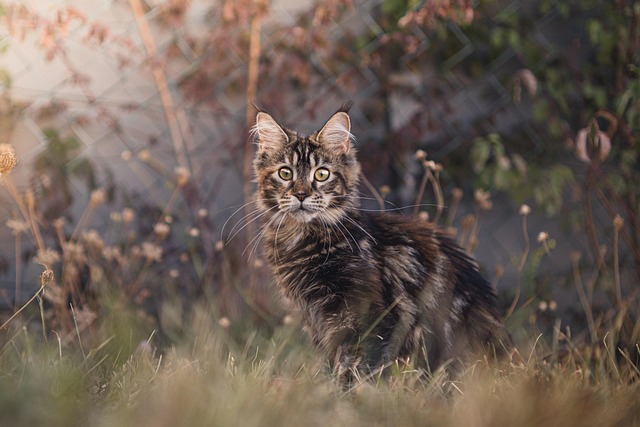
I’ve been breeding and raising Maine Coon cats for over a decade, and I can tell you this: a full-grown black Maine Coon is not just a bigger version of a typical house cat. It’s an entirely different experience—physically, emotionally, and practically.

People are often drawn to the striking look of a solid black coat paired with that wild, almost lynx-like face. But what keeps them around is the personality—and what sometimes overwhelms them is the reality of caring for a cat this size.

What “Full-Grown” Actually Means

Most people underestimate just how large these cats get. A mature male can easily stretch past what you’d expect from a typical domestic cat, both in length and weight. I’ve had clients message me a year after adopting one of my kittens, convinced something was wrong—“He just keeps growing.”

That’s normal. Maine Coons mature slowly. Some don’t fully fill out until three or even four years of age. A black Maine Coon, in particular, tends to look even larger because the solid coat hides body definition and exaggerates its silhouette.

One male I raised grew so large that his owner had to upgrade to a bigger litter box twice before finding one big enough.

The Coat: Beautiful, but Demanding

A black coat on a Maine Coon is stunning, but it’s also unforgiving. Every bit of dust, loose hair, or dandruff shows up clearly.

Earlier, I told a first-time owner, “Just brush him a couple of times a week.” Months later, matting appeared, especially near the hind legs and collar.

Since then, I’ve been much more direct: if you’re bringing home a full-grown Maine Coon—especially a black one—you need a grooming routine, not just occasional brushing.

In my experience, the problem areas are predictable:

  • Behind the ears
  • Under the front legs
  • Around the tail base

Miss those for a week or two, and you’ll feel the difference immediately.

Personality: Not Your Typical Cat

This is where people either fall in love or get caught off guard.

Maine Coons are often described as “dog-like,” and while I don’t love that comparison, I understand why it’s used. They follow you. They watch what you’re doing. Some even learn routines faster than smaller breeds.

One client, a remote worker, noticed her black Maine Coon sat beside her each morning during video calls, quickly learning her routine.

But here’s the part people don’t always expect: they demand interaction. Not constant attention, but consistent engagement.

I’ve seen owners who thought they were getting a laid-back, decorative pet. What they got instead was a highly intelligent animal that needed stimulation. Without it, behaviors like excessive vocalizing or knocking things over start appearing.

Full-Grown Black Maine Coon

Feeding a Large Cat Isn’t Just “More Food”

A mistake I see often is overfeeding.

Because Maine Coons are big, owners assume they should eat significantly more. In reality, their dietary needs are about quality and balance, not just quantity.

I helped a family with an overweight cat by guiding them toward smaller portions and a structured feeding schedule. The cat’s energy quickly improved.

A full-grown Maine Coon should feel solid, not soft. You should be able to feel the muscle under the coat, even if you can’t see it clearly.

Space and Environment Matter More Than People Think

You don’t need a mansion, but you do need to think vertically.

These cats like height. A standard cat tree often isn’t enough. I’ve had to recommend reinforced or custom-built structures to several owners because their Maine Coons literally outgrew store-bought options.

A black male I raised climbed door frames until his owner provided a sturdy, taller perch, which quickly resolved the behavior.

Health and Longevity Observations

In my experience, black Maine Coons are just as robust as any other color variation, but their size can mask early signs of health issues.

Weight gain, for example, is harder to spot visually. You have to rely on touch and behavior changes.

I also encourage owners to pay attention to mobility. Because these cats are heavy, even minor joint discomfort can show up as subtle reluctance to jump rather than obvious limping.

The Reality Check Most People Need

A full-grown black Maine Coon is not a low-maintenance pet.

They require:

  • Regular grooming
  • Structured feeding habits
  • Environmental enrichment
  • Time and attention

But in return, you get something that feels less like a typical pet and more like a companion with a strong presence in your daily life.

If you’re considering bringing a full-grown black Maine Coon into your home, take time to prepare for the commitment. Reach out to experienced breeders or current owners to gain insight, ask questions, and fully understand what living with one is really like. Make sure you’re ready for the responsibility and rewards this remarkable cat brings to your life.

Dog Benadryl for Itching
Mar
A Guide to Giving Your Dog Benadryl for Itching

A Veterinarian’s Real-World Perspective

I’ve been practicing as a small-animal veterinarian for over a decade, and I can’t count how many times a worried dog owner has asked me some version of this question. Usually, it comes after a long night of scratching, licking, and restless pacing.

The short answer is yes—you can give your dog Benadryl for itching. But whether you should and how you do it safely depend on the situation. And that’s where things often go wrong.

When Benadryl Actually Helps

Benadryl works by blocking histamine, a chemical released during allergic reactions. In my experience, it’s most helpful for mild, sudden itching—especially from insect bites or environmental triggers.

I remember a case from last spring. A client brought in her Labrador after a day at a local park. The dog had developed facial swelling and was scratching nonstop. It turned out to be a mild allergic reaction, likely from grass or a bug bite. We administered Benadryl in the clinic, and within an hour, the swelling started to go down, and the itching eased.

That’s the kind of situation where Benadryl shines: acute, mild allergic reactions.

Where Owners Often Misjudge It

Where I see trouble is when owners use Benadryl for chronic itching. Dogs with ongoing skin issues—like allergies, infections, or parasites—usually don’t respond well to it.

One case that sticks with me involved a German Shepherd who had been itching for months. The owner had been giving Benadryl daily, hoping it would solve the problem. By the time I saw the dog, the skin was inflamed, patchy, and infected. The underlying issue wasn’t just allergies—it was a combination of flea allergy dermatitis and a secondary bacterial infection.

Benadryl didn’t hurt the dog, but it delayed proper treatment.

The Right Dose Matters More Than You Think

This is where I get especially cautious. I’ve seen dosing mistakes more often than I’d like.

A general guideline I often give in the clinic is:

  • About 1 mg per pound of body weight
  • Given 2–3 times daily

But I always emphasize that this is a starting point, not a one-size-fits-all rule. Dogs with certain health conditions—or those taking other medications—can react differently.

I once treated a small terrier who became extremely lethargic after being given what the owner thought was a “safe” dose. It wasn’t toxic, but it was enough to make the dog uncomfortable and disoriented for hours.

Dog Benadryl for Itching

Not All Benadryl Products Are Safe

This is a mistake I see surprisingly often. Owners assume all over-the-counter allergy medications are the same.

They’re not.

Plain diphenhydramine is generally safe for dogs when used at proper doses. But combination products—especially those labeled for cold or sinus relief—can contain decongestants or other ingredients that are dangerous for dogs.

I’ve had to handle emergency cases where dogs were given the wrong formulation. The symptoms ranged from rapid heart rate to severe agitation.

Side Effects I’ve Personally Observed

Most dogs tolerate Benadryl fairly well, but side effects do happen.

The most common one I see is drowsiness. Some dogs get sleepy within an hour. Others, interestingly, have the opposite reaction—they become restless or slightly hyperactive.

Dry mouth and mild digestive upset can also occur, though less frequently in my experience.

When I Recommend It—and When I Don’t

In my day-to-day practice, I’m comfortable recommending Benadryl for:

  • Mild, short-term itching
  • Insect bites or stings
  • Temporary allergic flare-ups

But I hesitate—or avoid it entirely—when:

  • The itching has been going on for weeks.
  • There are open wounds, hair loss, or signs of infection.
  • The dog has underlying health conditions like glaucoma or heart disease.
  • The dog is very young, elderly, or on multiple medications.

In those cases, I’d rather identify and treat the root cause than mask symptoms.

My Practical Advice After Years in Practice

If your dog suddenly starts itching and seems otherwise normal, Benadryl can be a reasonable short-term option. I’ve used it myself in controlled situations and seen it work well.

But if the scratching keeps coming back, gets worse, or is paired with other symptoms, that’s your cue to stop guessing and get a proper diagnosis.

The biggest mistake I see isn’t giving Benadryl—it’s relying on it for too long.

Dogs are good at hiding discomfort, but their skin tells the truth. And persistent itching is almost always trying to tell you something more.

Purina Pro Plan Dog Food
Mar
How to Evaluate Purina Pro Plan Dog Food Quality

A Veterinarian’s Honest Take

I’ve been practicing as a small-animal veterinarian for over a decade, and I’ve had more conversations about dog food than I can count. One brand that keeps coming up is Purina Pro Plan. Clients either swear by it or hesitate because it’s not a boutique, “grain-free” label. My answer is rarely black and white—but I’ll be honest about where it stands.

My First Impressions Changed Over Time

Early in my career, I leaned toward recommending smaller, premium-looking brands. They had appealing ingredient lists and clever marketing. But over the years, I began to see patterns in my clinic.

One case stands out: a Labrador retriever whose owner switched to a trendy grain-free diet after reading online reviews. Months later, the dog had digestive issues and low energy. Once we transitioned him to a Purina Pro Plan sensitive stomach formula, his stools normalized and his energy returned within weeks. That case wasn’t unique. I’ve seen enough similar turnarounds to reconsider my earlier views.

What I Like About It

From a veterinary standpoint, consistency and research matter more than marketing buzzwords. Purina Pro Plan stands out because it’s backed by feeding trials and a team of veterinary nutritionists.

In practice, I’ve found it works well for:

  • Dogs with sensitive stomachs
  • Pets prone to allergies
  • Active or working dogs need higher protein

Similarly, last spring, a client brought in a German Shepherd with recurring skin issues—itching, hot spots, and a dull coat. After ruling out parasites and infections, we suspected diet. Switching to a Pro Plan formula for skin and coat health led to gradual, clear improvement over a couple of months. I value that kind of response.

Purina Pro Plan Dog Food

Where Owners Get Confused

One of the biggest mistakes I see is people focusing too much on the ingredient list without understanding how pet nutrition actually works.

For example, some owners get concerned when they see “by-products” listed. In reality, these can be nutrient-dense organ meats that dogs benefit from. I’ve had to explain this more times than I can count during consultations.

Another issue is the assumption that grain-free automatically means better. In fact, concerns around Dilated Cardiomyopathy have been linked to certain grain-free diets. That’s led me to be more cautious with those recommendations unless there’s a specific medical reason.

It’s Not Perfect—and That Matters

I don’t consider any commercial dog food perfect, and Purina Pro Plan is no exception.

Some dogs simply don’t do well on it. I’ve had a few cases where dogs developed mild digestive upset or just refused to eat it. Palatability can vary depending on the formula and the individual dog.

There’s also the price factor. While it’s not the most expensive option, it’s still a step up from basic grocery-store brands, and that can matter for multi-dog households.

How I Personally Recommend. In practice, I often recommend Purina Pro Plan as a starting point—especially for specific needs. I trust it because I’ve seen consistent results, not just marketing claims. That said, I don’t push it as the only option. If a dog thrives on another well-balanced diet, I don’t recommend changing. But with issues—digestive problems, skin conditions, or inconsistent energy levels—it’s often the first diet I consider.nsider.

So, Is It a Good Dog Food?

Purina Pro Plan is a solid, reliable choice for many dogs based on my clinical experience. Its strengths are consistent nutrition, science-based formulation, and reliable outcomes in the real world.

What Purina Pro Plan offers is nutritional consistency, scientific research, and proven effectiveness in clinic settings. For owners who value reliable results over marketing trends, it’s a strong option.

I’ve learned to judge dog food the same way I judge treatments: by outcomes. And over the years, this brand has delivered more positive outcomes than most.

Introduce Cats to Dating
Mar
How to Safely Introduce Cats to Dating

Understanding Cats and Sweet Fruits

As a licensed veterinarian practicing in Texas, I often get asked whether cats can safely eat human foods. One surprising question I hear frequently is about dates. Dates are naturally sweet, fibrous fruits packed with sugars, vitamins, and minerals. While they can be a nutritious snack for humans, cats have a very different digestive system.

Cats are obligate carnivores, meaning their bodies are designed primarily to process animal protein. In my experience treating feline patients, I’ve seen a variety of owners offer fruits like bananas, strawberries, and occasionally dates, thinking of them as “healthy treats.” The reality is that cats don’t metabolize sugars efficiently. While a tiny nibble won’t usually harm a cat, feeding dates regularly can lead to gastrointestinal upset, including diarrhea and vomiting, and over time may contribute to obesity or even diabetes.

I remember a case last spring with a domestic shorthair I saw in my clinic. The owner had a small habit of giving him a piece of date from her morning snack. Initially, she noticed no reaction. But over a few weeks, the cat began showing soft stools and mild lethargy. Once she stopped feeding him dates, his symptoms resolved. That scenario reinforced that even small amounts, if repeated frequently, can affect feline health.

Sugar and Digestive Concerns

The main concern with dates is their high sugar content. Unlike humans, cats don’t require sugar in their diet. Their bodies extract energy from protein and fat, not carbohydrates. Introducing sugary foods can disrupt their natural metabolism. I’ve seen cases in multi-cat households where one cat sneaks a piece of date off a countertop and develops temporary diarrhea while the others remain unaffected simply because they didn’t eat any.

Another point to consider is the risk of choking. Dates have a sticky texture and a hard pit inside. Cats tend to swallow food whole, which makes the pit a potential hazard. On one occasion, a client brought in a young Maine Coon who had bitten into a date pit, which had become lodged in his esophagus. He required sedation to safely remove it, a stressful and preventable situation. This is a cautionary example that even when the fruit itself isn’t toxic, the form it comes in can be risky.

Occasional vs. Regular Treats

I’ve often advised owners that if they are curious about letting their cats taste unusual fruits like dates, it should only ever be a tiny nibble, once in a blue moon. One or two small pieces, as a novelty, are unlikely to cause long-term harm, especially if the cat is otherwise healthy. However, the key is moderation and awareness.

A practical alternative I recommend is offering cat-safe treats tailored to their digestive needs. During consultations, I’ve suggested options like freeze-dried meat or small amounts of pumpkin puree for owners who want to give their cats something new. These alternatives provide sensory variety without the sugar spike or choking risk associated with dates.

Introduce Cats to Dating

Personal Experiences

Over the years, I’ve personally seen how cats react differently to human foods. One client tried giving her Siamese cat a chopped date during a holiday celebration. The cat sniffed it, licked it once, and walked away uninterested. Contrast that with a curious tabby who eagerly nibbled a piece of date at a family gathering and developed mild diarrhea within hours. These experiences highlight that even within the same household, cats’ reactions can vary widely.

In my own home, I keep all fruits, including dates, on high shelves. I’ve learned that even the most cautious cats can be surprisingly inventive when food smells sweet or sticky. It’s a small step, but it prevents accidental ingestion and potential health issues.

Conclusion

So, can cats have dates? Technically, a tiny taste won’t poison them, but I don’t recommend it as a regular treat. The sugar content, risk of gastrointestinal upset, and choking hazards outweigh any minor nutritional benefits.

From my experience, the safest approach is to stick to feline-formulated treats and reserve dates for human enjoyment. That way, your cat stays healthy, and you can enjoy your fruit without worry.

Keep Cats Safe from Philodendron
Mar
How to Keep Cats Safe from Philodendron Toxicity

Insights from a Veterinarian

As a licensed veterinarian practicing in Texas for over 12 years, I’ve seen my share of curious cats and their unfortunate encounters with houseplants. Among the most common questions I get from pet owners is about philodendrons—those lush, trailing green plants that brighten homes.

The short answer is yes: philodendrons are toxic to cats, but the situation is usually manageable if handled quickly. Let me share what I’ve observed in practice and offer some guidance based on real-world experiences.

Understanding the Risk

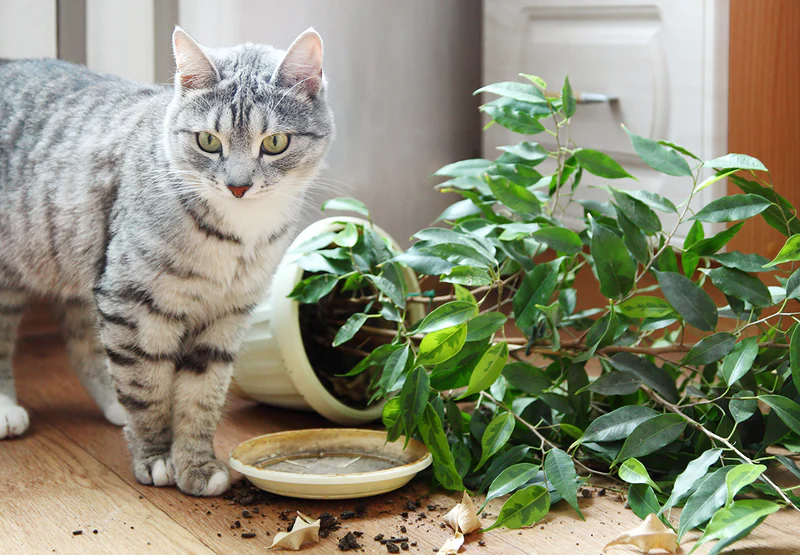
Philodendrons contain insoluble calcium oxalate crystals. When a cat chews on leaves or stems, microscopic crystals can embed in the mouth, tongue, and throat, causing immediate irritation. I remember a customer last spring who brought in her Siamese, clearly distressed after nibbling on her new philodendron. The cat had excessive drooling, pawing at its mouth, and mild lip swelling. This is a textbook response to oxalate exposure, and thankfully, with prompt care, the cat recovered fully within a few hours.

The severity of symptoms can vary depending on how much of the plant the cat ingests. Small nibbles often result in temporary discomfort—drooling, pawing at the mouth, and mild oral irritation—while larger ingestions can lead to vomiting, difficulty swallowing, and, in rare cases, more significant throat swelling that requires veterinary intervention. I’ve personally treated a Maine Coon who had chewed on an entire stem; it took a few days of supportive care, including hydration and soft food, for the cat to fully bounce back.

Common Mistakes Cat Owners Make

One frequent error I see is assuming that just because a plant looks harmless, it is safe for cats. Philodendrons are a prime example. Their glossy leaves are visually appealing, and many owners place them on low shelves or coffee tables, thinking their cats won’t reach them. In reality, even a single leaf tip can trigger the oxalate reaction.

Another mistake is waiting too long to act. I once had a client who noticed drooling but thought the cat would “just be fine.” By the time they brought the cat in, the irritation had worsened, causing vomiting and distress. Quick response—rinsing the cat’s mouth gently with water and calling a vet—can significantly reduce discomfort.

Keep Cats Safe from Philodendron

Handling Exposure

If your cat chews on a philodendron, immediate steps can minimize harm. Gently rinse your cat’s mouth with water to remove residual plant material. Avoid forcing anything into the throat, as that can cause more trauma. Monitor your cat for drooling, pawing at the mouth, or signs of discomfort. If you see vomiting, difficulty swallowing, or persistent irritation, bring your cat to the clinic promptly.

I recall a young domestic shorthair who had gotten into a hanging philodendron in her owner’s living room. The owner acted fast, rinsed her mouth, and brought her in for a brief checkup. Aside from minor oral irritation, she was fine within a few hours. Situations like these underscore that while philodendrons are toxic, most cats recover quickly if treated appropriately.

Preventive Measures

From my experience, the best approach is prevention. I advise pet owners to place philodendrons well out of reach, ideally in hanging baskets or rooms the cat doesn’t access. Some owners use deterrents, such as double-sided tape on plant shelves, because cats dislike the stickiness. Another strategy I’ve seen work is to offer safe alternatives, such as cat grass or catnip plants. These provide enrichment and reduce the likelihood that your feline will seek out harmful plants.

It’s also worth keeping emergency numbers handy. The ASPCA Animal Poison Control Center is a valuable resource, and your veterinarian can guide you on at-home care if exposure occurs.

Personal Reflection

Over the years, I’ve noticed a pattern: cats are naturally curious, and even the most cautious owners can face accidental ingestion. One case that stands out is a senior cat who had been with her owner for over a decade without incident. She managed to nibble on a philodendron while the owner was distracted for a few minutes. The reaction was immediate but mild, and with a calm approach, the situation resolved without stress for the cat or the owner. This reinforces that awareness and preparedness are far more effective than worry.

In my practice, I often encourage owners to treat their homes as shared spaces. Beautiful plants can coexist with cats, but understanding the risks and taking preventive steps is key. Philodendrons are indeed toxic to cats, but informed owners can ensure their pets remain safe without giving up the greenery they love.

Feeding Cats Oat Milk
Mar
A Guide to Feeding Cats Oat Milk: Tips and Tricks

Understanding Oat Milk and Cats

As a licensed veterinarian practicing in Texas for over a decade, I’ve seen all sorts of pet owners experiment with alternative diets and beverages for their cats. One trend that’s popped up frequently in the last few years is oat milk. With plant-based milks becoming popular in human diets, many cat owners have wondered whether their furry companions can enjoy the same.

Oat milk, made from oats and water, is naturally free from lactose, which is a major reason some think it could be suitable for cats. Unlike cow’s milk, which many adult cats cannot properly digest, oat milk doesn’t pose the same risk of lactose intolerance. However, while lactose-free may sound safe, it doesn’t automatically mean oat milk is a healthy option for your cat.

I remember a client last spring who wanted to share her oat milk latte with her two cats. Both cats were curious and lapped a small amount, and thankfully they didn’t experience any immediate digestive upset. Still, I had to caution her that oat milk isn’t a substitute for water or a balanced feline diet.

Nutritional Considerations

Cats are obligate carnivores, which means their bodies are designed to get nutrients primarily from meat. While oat milk contains some vitamins and minerals, it lacks essential nutrients that cats need, such as taurine and certain amino acids. Relying on oat milk for nutrition could cause deficiencies over time.

In my practice, I’ve seen several cases where pet owners introduced plant-based milks or other “health-conscious” alternatives thinking it would be good for their cats. One memorable case involved a young Maine Coon who had been getting small amounts of oat milk daily. Over a few months, she developed mild gastrointestinal issues and slight weight loss, which resolved when we removed the oat milk entirely.

Additionally, store-bought oat milk often contains added sugars, flavorings, or thickeners. Even small amounts of these additives can upset a cat’s stomach or contribute to obesity if given frequently. In my experience, even “unsweetened” versions should be offered very sparingly, if at all.

Feeding Cats Oat Milk

Occasional Treat vs. Regular Drink

I often tell cat owners that a tiny sip of oat milk as a rare treat is unlikely to harm most healthy adult cats. Think of it like offering a cat a nibble of plain cooked chicken or a small piece of cheese — an occasional indulgence rather than a dietary staple.

I recall a situation where a client had a senior cat who loved oat milk. I recommended she limit it to a teaspoon a few times a month. She followed the advice, and her cat remained healthy with no digestive upset. This aligns with what I see in practice: moderation is key.

Cats with sensitive stomachs, pre-existing gastrointestinal conditions, or diabetes should avoid oat milk entirely. Even a small amount could trigger diarrhea or spikes in blood sugar, particularly if the product contains added sweeteners.

Practical Advice for Cat Owners

If you do decide to offer oat milk to your cat, here’s what I usually suggest based on years of observing real-life results:

  • Check labels carefully: Avoid added sugars, flavorings, and gums.
  • Serve tiny amounts: A teaspoon or two at most, and only occasionally.
  • Observe reactions: Watch for vomiting, diarrhea, or changes in appetite.
  • Prioritize water: Cats should always have access to fresh water, as it’s essential for hydration.

I remember a customer who was convinced oat milk would improve her cat’s hydration. After switching back to water while giving occasional milk sips, her cat’s coat became shinier, and she no longer had subtle digestive issues. This emphasizes that while oat milk is generally safe in tiny amounts, it should never replace water or food.

My Professional Take

From my perspective as a veterinarian, oat milk is not inherently dangerous, but it offers very limited nutritional value and can create digestive issues if given too often. I’ve seen a few curious cats tolerate it well, and others react poorly even to a small taste. Ultimately, it can be offered as an occasional treat for interest or novelty, but water and a balanced diet remain the pillars of a cat’s health.

I’ve had cat owners tell me they were nervous about trying it but noticed their cats were intrigued by the texture and taste. In these cases, the key was moderation and careful observation — the cats enjoyed the treat without any long-term harm.

In my experience, oat milk is more about fun and curiosity than health benefits. Keep servings tiny, avoid additives, and always prioritize proper feline nutrition. That approach keeps your cat safe, happy, and healthy.