Living with a Rex Cat
Mar
Living with a Rex Cat: Essential Care Tips

I’ve been practicing as a small-animal veterinarian for more than a decade, and certain cat breeds tend to stand out in the exam room. One of those is the Rex cat. The first time I handled a curly-coated cat as a young veterinarian, I remember pausing mid-exam because the coat’s texture felt so unusual. It wasn’t the sleek fur most people expect from a cat. It felt almost like velvet.

Over the years, I’ve worked with many Rex cats, particularly the Cornish, Devon, and Selkirk Rex. While each breed has its own quirks, they all share a distinctive curly coat due to a genetic mutation.

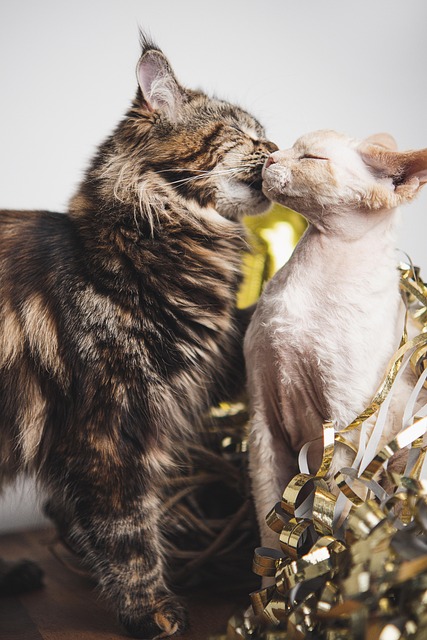
Owners are often drawn to their unusual looks, but living with a Rex cat is a distinct experience that goes beyond appearance.
Rex Cat

The Coat That Gets All the Attention

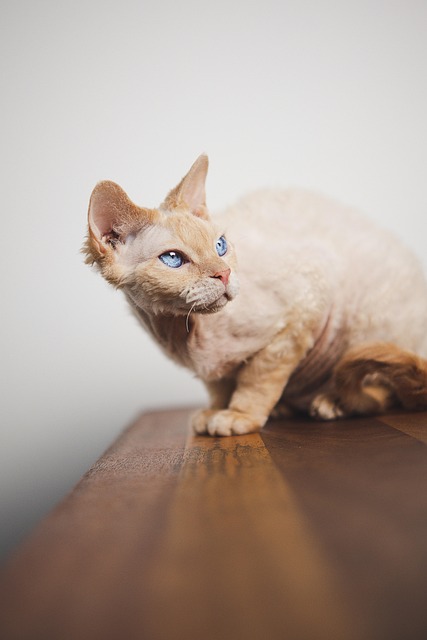
Most people notice the coat first. Rex cats have wavy or curly fur because of mutations that affect the hair shaft and hair growth cycle. In breeds like the Cornish Rex, the guard hairs are almost completely absent, leaving mostly the soft undercoat.

In practical terms, this means their fur feels incredibly soft but also behaves differently. It can be thinner, sometimes patchy, and occasionally prone to oil buildup.

I remember a client bringing in a young Devon Rex kitten that looked slightly greasy around the neck and belly. The owner assumed the kitten was ill or not grooming properly. In reality, the coat simply held natural oils differently than other breeds. After we talked through gentle bathing and skin care, the issue was resolved quickly.

That’s something I often mention to new Rex owners: the coat is low-shedding, but it isn’t completely maintenance-free.

Personality: These Cats Rarely Sit Still

If someone tells me they want a quiet, independent cat, I usually hesitate before recommending a Rex breed.

In my experience, Rex cats are among the most people-oriented cats you’ll encounter. Many behave almost like small dogs when it comes to social attachment.

A few years ago, a long-time client adopted a Cornish Rex from a breeder. At the next visit, she laughed as she told me the cat followed her everywhere, including the shower. She said she had never owned a cat that insisted on being part of every activity.

That behavior isn’t unusual. Rex cats often:

  • Seek constant interaction
  • Perch on shoulders
  • Sleep under blankets
  • Greet owners at the door.

Rex cats are highly social and curious. Owners desiring an interactive companion are rewarded, while those expecting low-key pets may be surprised.

Temperature Sensitivity Is Real

The thin coat that makes Rex cats so soft also makes them feel the cold more easily.

This is something I see regularly during winter exams. Rex cats often arrive wrapped in blankets or wearing sweaters, and honestly, that’s not a bad idea in colder temperatures. Temperature sensitivity also drives quirky behaviors. One winter, a client brought in a Devon Rex that had started sleeping directly on top of the radiator. The owner thought the cat had developed strange behavior. In reality, the cat was simply seeking warmth.rmth.

Homes that run cooler may need to provide warm sleeping spots—such as heated beds, fleece blankets, or sunny windows.

Without that, Rex cats can become uncomfortable surprisingly quickly.

Skin and Ear Care: A Common Oversight

Because their coat structure is unusual, Rex cats can sometimes develop oily skin or earwax buildup.

I’ve treated several cases where owners thought their cat had an ear infection, only to discover the issue was excess earwax.

This isn’t dangerous, but it does mean Rex cats benefit from occasional ear cleaning and monitoring. It’s a small task that prevents bigger problems later.

Some owners think curly-coated cats need frequent brushing, but this can damage their delicate fur.

I usually advise gentle handling and minimal brushing unless mats form, which is rare.

Health Considerations I Watch Closely

Most Rex cats are generally healthy, but I keep a few breed-specific concerns in mind during exams.

Depending on the breed, these can include:

  • Hereditary muscle conditions
  • Skin sensitivity
  • Dental crowding in some lines

The Devon Rex, for example, has occasionally been associated with a hereditary muscle condition called myopathy, which can affect muscle strength. I have only seen a few cases, but responsible breeders screen for this issue.

Good breeders and early veterinary care make a huge difference here.

A Situation That Sticks With Me

One of the most memorable Rex cats I treated was a young couple’s Selkirk Rex, adopted from a rescue group.

The cat had clearly been surrendered by a previous owner who wasn’t prepared for its energy level. During the first visit, the cat explored every inch of the exam room, jumped onto the scale without prompting, and tried to climb my shoulder while I listened to its heart.

The couple loved it.

They told me later the cat played fetch with hair ties and insisted on sitting on their laptop keyboard during work hours. For the right household, that level of engagement is exactly what makes Rex cats so appealing.

This highlights that Rex cats truly thrive where people seek an energetic, engaged companion.

Who Should (and Shouldn’t) Choose a Rex Cat

After seeing many Rex cats in practice, I tend to recommend them selectively.

They’re a great fit for people who want a playful, affectionate, involved cat. Families with time to interact often enjoy them immensely.

They may be less ideal for someone looking for a quiet, independent pet that can entertain itself all day.

The coat also requires a bit of understanding. It’s unique, beautiful, and soft, but it behaves differently from most cats.
Living with a Rex Cat

Why Rex Cats Leave Such a Strong Impression

Some breeds blend into the background of veterinary practice simply because they behave like most other cats.

Rex cats never seem to do that.

Their unusual appearance, bold personalities, and intense bonds with owners make a strong impression. Many people who adopt one later prefer not to own another breed.

As a veterinarian, I notice how often these breeds form special bonds and leave lasting impressions on their owners—a testament to the distinct connection possible with Rex cats.
Rarest Cat Eye Color
Mar
The Rarest Cat Eye Color: What I’ve Seen in 12 Years as a Veterinarian

As a small-animal veterinarian for over a decade, I’m often asked: What is the rarest cat eye color? From thousands of exams, I can confidently say true copper is the rarest naturally occurring eye shade in cats.

Owners notice it immediately. A cat’s eyes are striking, expressive, and sometimes unusual enough to spark curiosity.

Among all the eye colors I see in my clinic, one question comes up again and again: What’s the rarest cat eye color?

From both my clinical experience and what we know from feline genetics, the rarest naturally occurring eye color in cats is true copper. Close behind it is heterochromia, where a cat has two different eye colors.

But rarity in eye color isn’t just trivia. Sometimes it hints at genetics, breed traits, or health considerations that owners should understand.

Why Most Cats Don’t Have Rare Eye Colors

When kittens are born, they all start with blue eyes. I explain this to new cat owners almost every spring when “kitten season” hits and people bring in young litters for their first exams.

The blue color at birth happens because the iris hasn’t developed melanin yet. As the kitten grows—usually between six and twelve weeks—the pigment builds up, and the eyes change.

Most adult cats settle into common shades like:

  • Yellow
  • Gold
  • Green
  • Hazel

These colors dominate because they’re controlled by typical melanin distribution in the iris.

Rare eye colors arise when genetic shifts alter pigment in unusual ways.

The Rarest Eye Color I See: True Copper

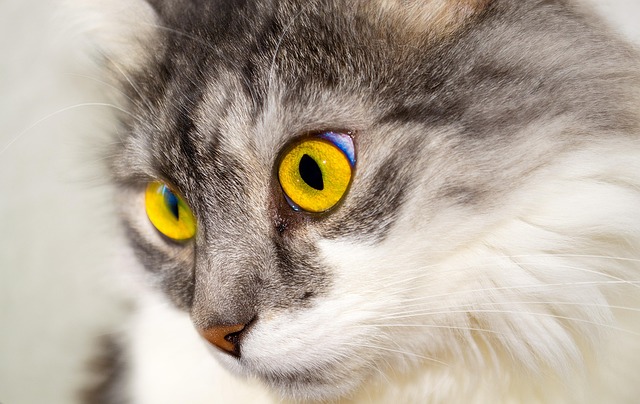
True copper eyes are stunning. They’re deeper and richer than the golden eyes many cats have. The iris looks almost metallic—like a polished penny under sunlight.

In my clinic, I probably see this color in only a handful of cats each year.

One case that sticks in my memory was a large male British Shorthair brought in by a breeder a few winters ago. The moment I shone my exam light into his eyes, the color jumped out. Instead of the warm yellow I expected, his eyes were a deep reddish copper.

The breeder was proud of it—and rightly so. That shade is extremely difficult to produce consistently, even in breeds where copper eyes are desired.

Breeds most likely to have true copper eyes include:

  • British Shorthair
  • Bombay
  • Persian
  • Some American Shorthairs

Even in those breeds, the color doesn’t appear in every cat.

Genetically speaking, copper eyes occur when the iris has a very high melanin concentration, but without shifting toward brown.

Rarest Cat Eye Color

The Rare Case of Odd-Eyed Cats

Another eye pattern people find fascinating is heterochromia, often called “odd eyes.”

This means one eye is blue while the other is green, yellow, or copper.

The first odd-eyed cat I treated belonged to a rescue volunteer who brought him in for a routine neuter. One eye was icy blue, and the other a bright gold. I remember double-checking the chart because I assumed someone had made a note about it earlier—turns out the volunteer hadn’t noticed it until after adopting him.

Odd eyes are rare because they result from uneven pigment development during early growth.

It’s most commonly seen in:

  • White cats
  • Turkish Angoras
  • Turkish Vans

White cats are genetically predisposed because the gene responsible for their coat color can interfere with pigment migration during development.

A Common Mistake I See From Owners

One misconception I encounter surprisingly often is that blue eyes are considered rare in all cats, but in reality, blue is a common eye color in certain breeds. They’re actually quite common in certain breeds.

For example, every Siamese cat I’ve ever examined has blue eyes. It’s part of the breed’s genetic profile. The same goes for Ragdolls and Balinese cats.

The real rarity is finding blue eyes in cats whose breed or coat genetics don’t typically produce this color. Blue is rare only when it appears unexpectedly, outside the breeds known for it. Whenever I see that combination, I take a closer look because it sometimes connects to unusual genetics.

When Eye Color Might Signal a Health Issue

Most of the time, unusual eye color is simply genetic.

But in practice, I always check carefully when an owner tells me their cat’s eyes have suddenly changed color.

A client brought in a domestic shorthair whose green eyes had turned cloudy amber, which turned out to be inflammation.

Eye color shifts in adult cats can indicate:

  • Uveitis
  • Injury
  • Glaucoma
  • Rare pigment disorders

That’s why I tell owners to treat sudden color changes differently from natural color variations.

Why Breeders Care So Much About Eye Color

Breeders often ask me to examine cats intended for shows, and eye color is one of the first things judges look at.

A Bombay cat with anything other than copper eyes, for instance, won’t meet breed standards.

I remember evaluating a young Bombay that had slightly golden eyes instead of copper. The breeder was disappointed because the difference was subtle to most people, but in show competitions, it mattered.

Genetics can be unpredictable. Even carefully planned breeding programs sometimes produce unexpected eye shades.

What Cat Owners Should Actually Pay Attention To

From a veterinary perspective, eye color itself rarely matters.

What matters is clarity, symmetry, and stability.

Healthy cat eyes should be:

  • Clear, not cloudy
  • Consistent in color over time
  • Free of redness or discharge

If those factors look normal, the specific color—whether green, copper, or blue—is mostly a matter of genetics and aesthetics.

The Moment I Realized How Rare Copper Eyes Really Are

One experience cemented it for me.

A few years ago, I volunteered at a large spay-and-neuter clinic that processed hundreds of stray cats over a weekend. We examined cat after cat—tabbies, tortoiseshells, black cats, calicos.

Out of the entire group, I remember seeing only one cat with unmistakable copper eyes.

That memory stands out, even after thousands of exams.

It’s a reminder that while rare eye colors get attention online, they’re genuinely uncommon in everyday veterinary practice.

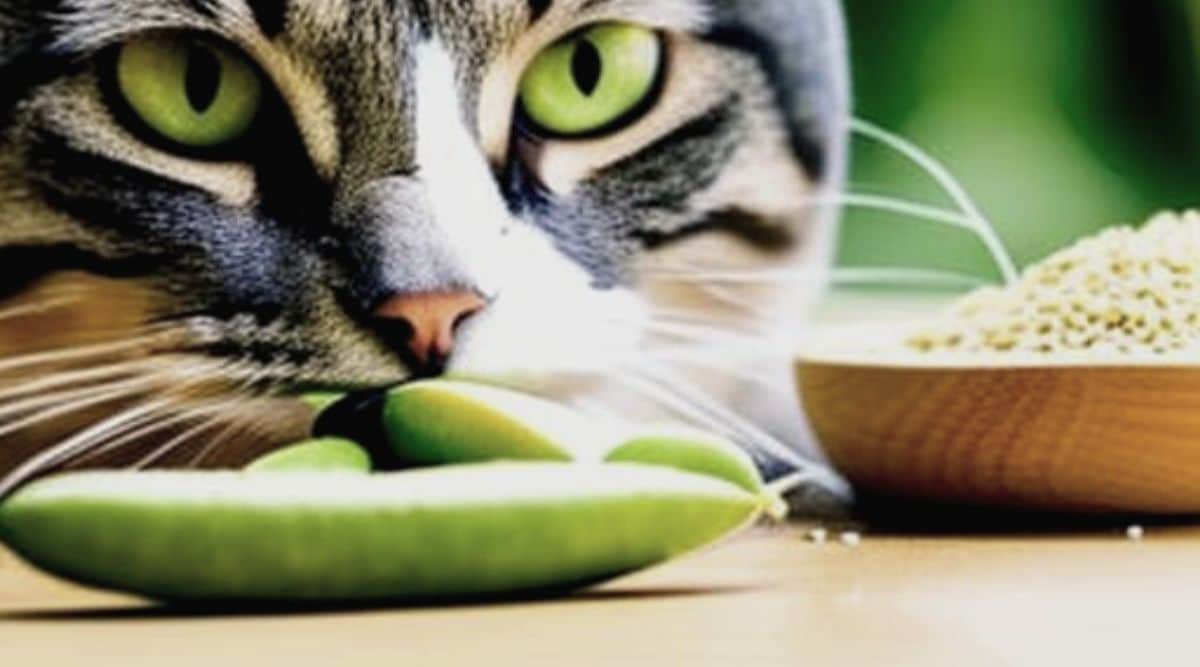
Can Cats Have Edamame
Mar
Can Cats Have Edamame? A Veterinarian’s Practical Take

As a practicing small-animal veterinarian, I get a surprising number of questions about human foods and cats. Most of them come up during routine visits when a pet owner casually says something like, “She keeps stealing food from my plate—should I be worried?”

One food that comes up more often than you might expect is Edamame. Someone opens a bowl of steamed soybeans during dinner, the cat gets curious, and suddenly the owner wonders whether it’s safe.

After years in the clinic and countless diet discussions with cat owners, my short answer is this: cats can have a small amount of edamame occasionally, but it’s not something I encourage as a regular treat. The reasons are less dramatic than people expect, but they matter.

What Edamame Actually Is

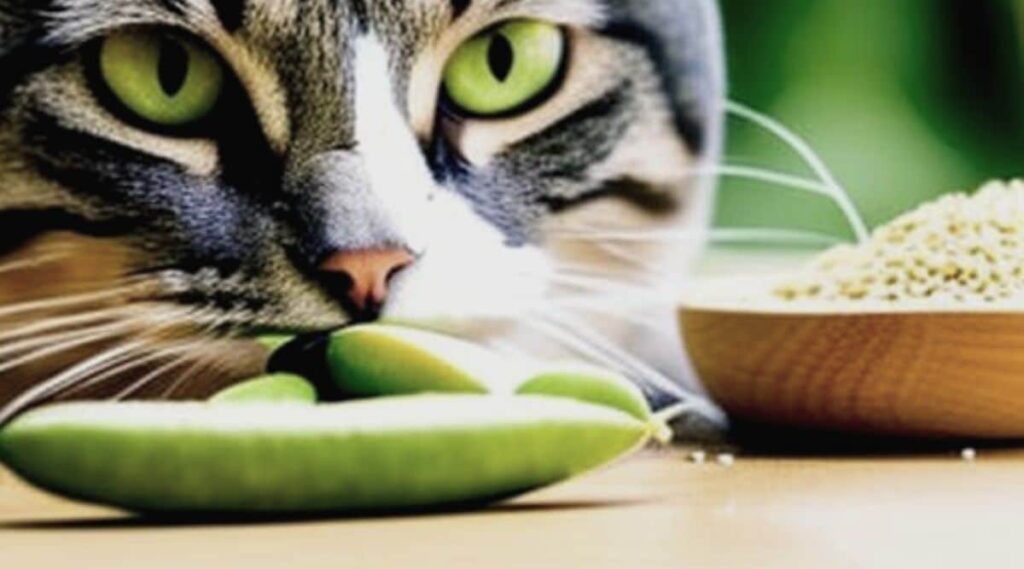
Edamame are immature soybeans, typically served steamed and sometimes salted. Nutritionally, they’re known for plant protein, fiber, and various vitamins.

That sounds healthy for humans. For cats, the picture is a bit different.

Cats are obligate carnivores. Their digestive systems evolved to process animal proteins and fats. Plant foods aren’t automatically toxic, but they also don’t offer much benefit compared to meat-based nutrition.

So while edamame isn’t poisonous to cats, it also isn’t particularly useful for them nutritionally.

The First Time I Saw a Cat Eat Edamame

I remember a client bringing in a young indoor cat with mild vomiting and loose stools. Nothing severe, but enough to concern the owner.

After asking the usual questions about diet changes, medications, and treats, the owner paused and said, “Well… she did eat a few of those green soybeans from my sushi order.”

That turned out to be edamame—and heavily salted edamame at that.

The cat had likely eaten several pods’ worth of beans along with some salt residue. In that case, the stomach upset was temporary and resolved quickly with supportive care. But it reminded me how easily these situations happen.

Cats are curious, and soft foods on a plate are an easy target.

Why I Don’t Recommend Edamame as a Cat Treat

Over the years, I’ve seen several similar cases. None were emergencies, but they illustrate why I advise moderation or avoidance.

The main issues aren’t toxicity. They’re digestive tolerance and preparation.

Salt Is the Real Problem

Most edamame served to people is salted. Sometimes heavily.

Cats require far less sodium than humans. A few salty beans probably won’t cause poisoning, but repeated exposure can contribute to dehydration or digestive upset.

In clinic conversations, I usually tell owners: if it came from a restaurant bowl, it’s probably too salty for a cat.

Fiber Can Upset Some Cats

Edamame contains a fair amount of plant fiber.

For people, that’s beneficial. For cats, especially those that rarely eat plant foods, it can cause gas or loose stool.

I once had a patient—a chunky indoor tabby whose owner loved sharing snacks—who developed intermittent bloating. After some discussion, we realized the cat had been getting a few edamame beans several nights a week.

When the owner stopped the habit, the digestive complaints disappeared.

The Pods Can Be a Choking Risk

The pods themselves are fibrous and tough.

Most cats will chew the bean and leave the pod alone, but curious cats sometimes try to chew or swallow parts of it. I’ve removed enough odd objects from feline mouths to know how unpredictable that curiosity can be.

Because of that, pods should never be offered to cats.

Can Cats Have Edamame

If a Cat Eats Edamame, What Happens?

In most cases, nothing serious.

If a cat steals one or two plain beans, the typical outcome is no symptoms. Occasionally, a cat might experience mild digestive upset.

Things become more concerning if:

  • The edamame is heavily salted
  • The cat eats a large amount
  • seasonings like garlic or onion are involved

Garlic and onion are far more problematic for cats than soybeans themselves.

When owners call my clinic after their cat eats something questionable, the first questions I ask are simple: how much, how it was prepared, and whether the cat is showing symptoms.

Most edamame incidents end with reassurance and home monitoring.

A Situation I See Every Spring

Interestingly, this question pops up more in warmer months.

A few years ago, a client mentioned hosting outdoor dinners on their patio, with bowls of edamame on the spread. Their cat had learned to jump onto the table and fish out the beans.

That cat ended up eating quite a few over several evenings before the owner realized what was happening.

The result wasn’t dramatic—just recurring diarrhea that puzzled the owner until we carefully reviewed the diet history. Removing access to the snack solved the problem quickly.

Those kinds of small, repeated exposures are what I see most often.

If You Want to Share a Bean

If someone insists on letting their cat try edamame, I usually suggest a few precautions.

Offer only one plain bean, with:

  • no salt
  • no seasoning
  • no oil or sauce

And remove the pod entirely.

Think of it the same way you’d think of a curious lick of something on your plate. Not a snack routine.

Even then, watch how the cat responds afterward. Some cats tolerate it fine. Others develop mild stomach upset.

Better Treats for Cats

After years in veterinary practice, I’ve learned that many owners simply enjoy sharing food with their pets. It’s part of the bonding ritual.

But cats do better with treats that match their biology.

Small bits of plain, cooked chicken, turkey, or fish are far more appropriate. They align with the animal protein cats are designed to digest.

Compared with those choices, edamame is just filler.

The Bottom Line From a Veterinary Perspective

Edamame isn’t toxic to cats. A plain bean or two usually won’t cause harm.

But that doesn’t mean it belongs in a cat’s regular treat rotation.

Most of the time, the concerns I see involve salt, seasoning, or digestive upset rather than the soybean itself. Those issues are easy to avoid by simply not offering it.

In practice, my advice to clients tends to be straightforward: if your cat sneaks a bean, don’t panic—but don’t make it a habit either.

Cats thrive on diets built around animal protein. Everything else is mostly a curiosity to them—and sometimes a digestive gamble.

Giving Cats Prosciutto
Mar
Guide to Giving Cats Prosciutto: What You Need to Know

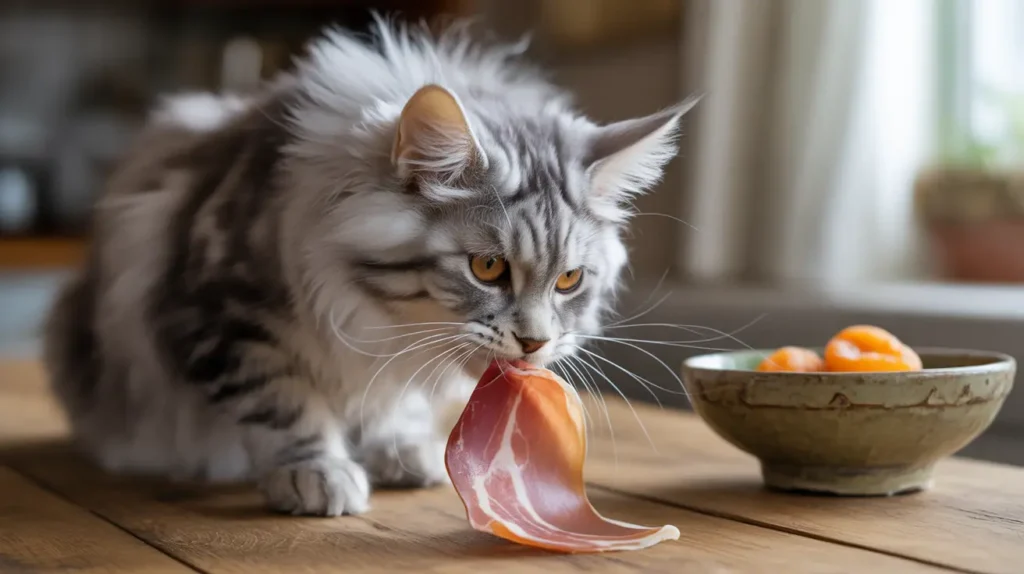
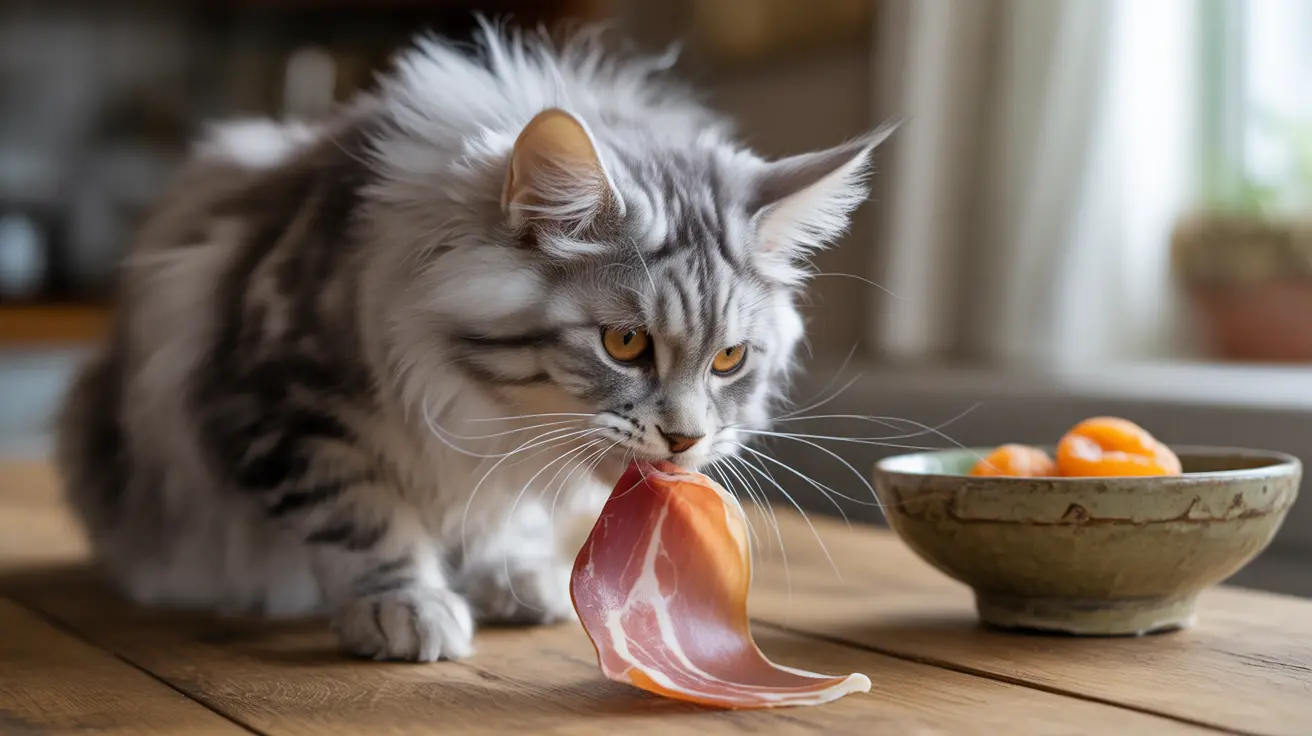
I’ve been a practicing small-animal veterinarian for more than a decade, and I can’t count how many times a client has casually asked whether they can share human food with their cat. It usually comes up during routine visits. Someone pulls out their phone, shows me a picture of their cat staring intently at a charcuterie board, and asks, “Is it okay if she eats a little prosciutto?”

Prosciutto smells incredible to cats. It’s salty, fatty, and intensely meaty—basically everything that attracts a carnivore. So the question makes sense. But the answer isn’t quite as simple as yes or no.

From a veterinary perspective, prosciutto falls into that gray zone of foods that aren’t immediately toxic but aren’t something I recommend feeding regularly.

Why Prosciutto Attracts Cats So Easily

Cats are obligate carnivores. Their bodies are designed to run on animal protein and fat. Because of that, cured meats like prosciutto can smell irresistible to them.

I remember a client bringing in a young orange tabby that had jumped onto the kitchen counter during a dinner party. The cat grabbed a slice of prosciutto from a platter and ran under the table with it like a trophy. By the time anyone noticed, the slice was gone.

The owner was worried they’d poisoned their cat.

They hadn’t. The cat was completely fine.

But experiences like that highlight the real issue with prosciutto: not toxicity, but salt and processing.

The Real Problem With Prosciutto: Sodium

Prosciutto is a dry-cured ham. The curing process uses a large amount of salt to preserve the meat and intensify flavor.

Cats simply don’t handle sodium the same way humans do.

Even a small portion of prosciutto can contain far more salt than a cat should consume in a day. If it happens once, most healthy cats will be fine. But repeated exposure can start causing problems.

Over the years, I’ve treated several cats with early kidney concerns, and many of those owners loved sharing table scraps. Deli meats, bacon, and prosciutto were more common in the diet than people realized.

Cats are already predisposed to kidney disease as they age. Diets high in sodium can add unnecessary strain.

A Situation I See More Often Than You’d Think

A few winters ago, a client came in with a middle-aged cat who had been vomiting occasionally and drinking more water than usual. Nothing dramatic, just subtle changes.

While we were discussing diet, the owner mentioned giving the cat “tiny bits” of prosciutto most evenings while preparing dinner. It had become a routine reward because the cat would sit politely on the counter stool and wait.

Those small pieces added up to several slices a week.

Was the prosciutto the sole cause of the problem? Probably not. But reducing salty treats made a noticeable difference once the owner switched to safer alternatives.

Cats are small animals. Foods that seem harmless to us can accumulate in ways we don’t expect.

Giving Cats Prosciutto

The Occasional Bite Isn’t Usually Dangerous

I don’t panic if a cat sneaks a piece of prosciutto. Most healthy cats can tolerate a tiny amount without any immediate issues.

If a client calls my clinic after their cat stole a slice from a plate, my first question is simple: how much did the cat eat?

A small shred or corner of a slice rarely causes problems. A whole serving, especially for a small cat, is a different story.

Too much salt can lead to symptoms like:

  • Vomiting
  • Excessive thirst
  • Lethargy
  • Diarrhea

In severe cases, high sodium intake can trigger more serious complications, though that usually involves much larger amounts than a single slice.

Another Issue: Fat Content

Prosciutto is also fairly fatty. Fat itself isn’t bad for cats—they actually rely on it for energy—but processed fatty meats can upset their digestive systems.

I’ve seen cats develop mild pancreatitis after their owners repeatedly shared rich table foods. It often starts innocently: a little bacon one morning, some deli turkey the next day, a bite of ham during dinner prep.

Over time, the digestive system pushes back.

Cats thrive on consistency, and highly processed foods introduce variables their bodies weren’t designed to handle regularly.

What I Usually Recommend Instead

When clients want to give their cat something special, I suggest sticking to simple, unseasoned animal protein.

Plain cooked chicken or turkey works well. No salt, no oils, no spices.

I’ve had many clients switch to tiny pieces of boiled chicken breast as a treat, and cats usually love it just as much as deli meat. It smells strong enough to satisfy their curiosity without adding unnecessary sodium.

Some people also use freeze-dried cat treats. Those can mimic the texture and flavor cats enjoy without the additives found in human food.

A Mistake I See Frequently

One pattern I’ve noticed over the years is owners treating prosciutto like a high-value training treat.

Cats can absolutely be trained, and food rewards help. But deli meats often become the default because they’re already in the refrigerator.

The problem is portion control.

I once worked with a client whose cat had learned to sit, spin, and high-five. The training was impressive. The treat being used was chopped prosciutto.

By the time we talked about it, the cat was eating several pieces per day during training sessions. That’s a lot of sodium for a ten-pound animal.

Switching the reward to freeze-dried chicken solved the issue without affecting the cat’s enthusiasm for training.

The Bottom Line From a Veterinary Perspective

Cats can technically eat a tiny piece of prosciutto without immediate harm. But that doesn’t mean it belongs in their regular diet.

From my experience in practice, the concerns aren’t dramatic poisoning events. They’re the slow accumulation of salty, processed foods that place unnecessary strain on a cat’s body over time.

A rare nibble from a charcuterie board probably won’t cause problems in a healthy cat. Making it a habit is where things start to go wrong.

Most cats are just as happy with a small piece of plain meat, and their kidneys will thank you for the swap.

Dog Looks Sad
Mar
How to Identify Why Your Dog Looks Sad

When Owners Worry About “Sad Eyes”

As a licensed veterinarian practicing in Texas for over twelve years, I’ve seen more dogs with “sad eyes” than I can count. Owners often come into my clinic worried, saying, “Doc, my dog always looks depressed. Should I be concerned?” In my experience, that soulful, downturned expression doesn’t always mean your dog is unhappy—it’s often more complicated than it appears.

Sometimes It’s Just Your Dog’s Natural Expression

One case that sticks with me involved a golden retriever named Max. His owner was convinced he was depressed because he stared out the window for hours and had a perpetually droopy expression. On examination, Max was perfectly healthy, active, and engaged during play sessions.

What I noticed, though, was that his breed naturally carries a softer brow and drooping eyelids, giving the illusion of sadness. In other words, Max’s “sad look” was just his face.

When a Sad Appearance Signals a Health Issue

But there are times when a dog’s sad appearance does point to a real issue. I once treated a lab mix named Daisy who appeared listless and avoided interaction with her family. Her owner thought she was simply moody, but after a thorough checkup, we discovered a mild thyroid imbalance affecting her energy levels and mood.

After treatment, Daisy became noticeably more alert, and her expression brightened. Cases like this are why I always stress the importance of paying attention to behavioral cues beyond facial expressions—changes in appetite, playfulness, or sleep patterns are far more telling than the occasional sad look.

Emotional Changes and Environmental Factors

Emotional factors can also play a role. Dogs are sensitive creatures, and shifts in their environment can affect their demeanor. I recall a customer last spring whose border collie, Lucy, began looking forlorn after the family added a new puppy. Lucy wasn’t sick; she simply needed reassurance and attention. With a few structured play sessions and dedicated bonding time, her “sad eyes” gradually gave way to her usual bright, alert expression.

Dog Looks Sad

Lack of Stimulation and Exercise

Sometimes, the cause is behavioral rather than medical. Dogs that spend long hours alone, lack stimulation, or don’t get regular exercise can develop a more withdrawn demeanor. I’ve found that in homes where dogs are under-stimulated, owners often interpret a neutral or relaxed face as a sign of sadness. In reality, providing mental enrichment—puzzle toys, short training sessions, or walks in new environments—can make a huge difference in both energy and expression.

Avoiding Human Emotion Projection

I also like to caution against projecting human emotions onto dogs. A downturned mouth or droopy eyelids might look sad to us, but dogs communicate through body language differently. Tail wagging, ear position, and responsiveness to interaction often provide a more accurate window into their mood than their facial expression alone.

Looking at the Whole Picture

In my practice, I encourage dog owners to observe the whole picture. Is your dog eating well? Engaging with you or other pets? Resting comfortably? If these elements are normal, a “sad face” is likely just part of your dog’s natural expression. If other behavioral changes accompany the droopy look, a vet visit is warranted to rule out health concerns.

Conclusion: A Sad Face Doesn’t Always Mean an Unhappy Dog

Ultimately, I’ve found that most dogs with perpetually sad-looking eyes are completely fine. Their faces just don’t always match the lively, mischievous spirit within. Paying attention to behavior, providing stimulation, and ensuring regular health checkups are the best ways to ensure your dog is genuinely happy, even if their face doesn’t seem to reflect it.