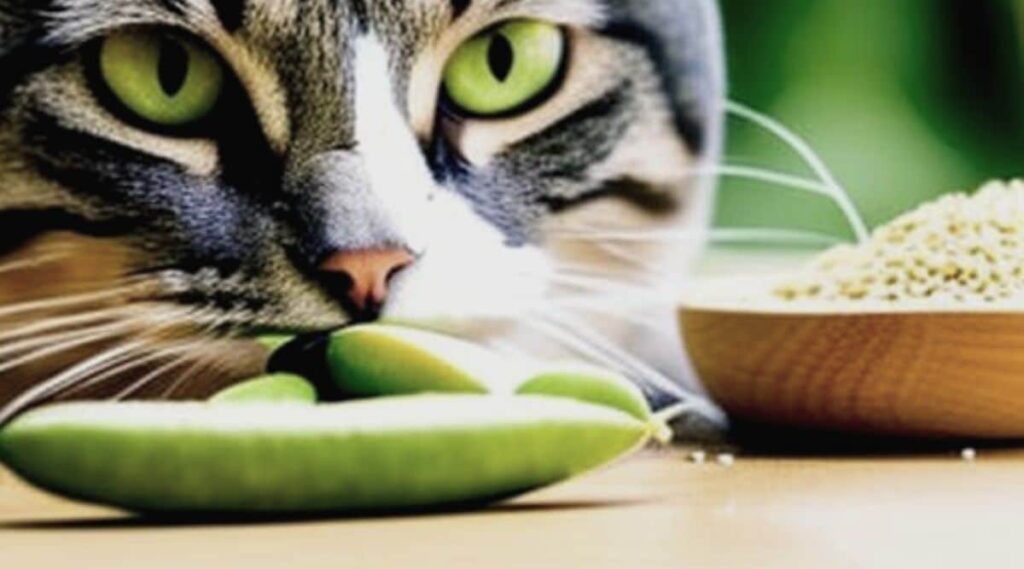
Can Cats Have Edamame? A Veterinarian’s Practical Take
As a practicing small-animal veterinarian, I get a surprising number of questions about human foods and cats. Most of them come up during routine visits when a pet owner casually says something like, “She keeps stealing food from my plate—should I be worried?”
One food that comes up more often than you might expect is Edamame. Someone opens a bowl of steamed soybeans during dinner, the cat gets curious, and suddenly the owner wonders whether it’s safe.
After years in the clinic and countless diet discussions with cat owners, my short answer is this: cats can have a small amount of edamame occasionally, but it’s not something I encourage as a regular treat. The reasons are less dramatic than people expect, but they matter.
What Edamame Actually Is
Edamame are immature soybeans, typically served steamed and sometimes salted. Nutritionally, they’re known for plant protein, fiber, and various vitamins.
That sounds healthy for humans. For cats, the picture is a bit different.
Cats are obligate carnivores. Their digestive systems evolved to process animal proteins and fats. Plant foods aren’t automatically toxic, but they also don’t offer much benefit compared to meat-based nutrition.
So while edamame isn’t poisonous to cats, it also isn’t particularly useful for them nutritionally.
The First Time I Saw a Cat Eat Edamame
I remember a client bringing in a young indoor cat with mild vomiting and loose stools. Nothing severe, but enough to concern the owner.
After asking the usual questions about diet changes, medications, and treats, the owner paused and said, “Well… she did eat a few of those green soybeans from my sushi order.”
That turned out to be edamame—and heavily salted edamame at that.
The cat had likely eaten several pods’ worth of beans along with some salt residue. In that case, the stomach upset was temporary and resolved quickly with supportive care. But it reminded me how easily these situations happen.
Cats are curious, and soft foods on a plate are an easy target.
Why I Don’t Recommend Edamame as a Cat Treat
Over the years, I’ve seen several similar cases. None were emergencies, but they illustrate why I advise moderation or avoidance.
The main issues aren’t toxicity. They’re digestive tolerance and preparation.
Salt Is the Real Problem
Most edamame served to people is salted. Sometimes heavily.
Cats require far less sodium than humans. A few salty beans probably won’t cause poisoning, but repeated exposure can contribute to dehydration or digestive upset.
In clinic conversations, I usually tell owners: if it came from a restaurant bowl, it’s probably too salty for a cat.
Fiber Can Upset Some Cats
Edamame contains a fair amount of plant fiber.
For people, that’s beneficial. For cats, especially those that rarely eat plant foods, it can cause gas or loose stool.
I once had a patient—a chunky indoor tabby whose owner loved sharing snacks—who developed intermittent bloating. After some discussion, we realized the cat had been getting a few edamame beans several nights a week.
When the owner stopped the habit, the digestive complaints disappeared.
The Pods Can Be a Choking Risk
The pods themselves are fibrous and tough.
Most cats will chew the bean and leave the pod alone, but curious cats sometimes try to chew or swallow parts of it. I’ve removed enough odd objects from feline mouths to know how unpredictable that curiosity can be.
Because of that, pods should never be offered to cats.
If a Cat Eats Edamame, What Happens?
In most cases, nothing serious.
If a cat steals one or two plain beans, the typical outcome is no symptoms. Occasionally, a cat might experience mild digestive upset.
Things become more concerning if:
- The edamame is heavily salted
- The cat eats a large amount
- seasonings like garlic or onion are involved
Garlic and onion are far more problematic for cats than soybeans themselves.
When owners call my clinic after their cat eats something questionable, the first questions I ask are simple: how much, how it was prepared, and whether the cat is showing symptoms.
Most edamame incidents end with reassurance and home monitoring.
A Situation I See Every Spring
Interestingly, this question pops up more in warmer months.
A few years ago, a client mentioned hosting outdoor dinners on their patio, with bowls of edamame on the spread. Their cat had learned to jump onto the table and fish out the beans.
That cat ended up eating quite a few over several evenings before the owner realized what was happening.
The result wasn’t dramatic—just recurring diarrhea that puzzled the owner until we carefully reviewed the diet history. Removing access to the snack solved the problem quickly.
Those kinds of small, repeated exposures are what I see most often.
If You Want to Share a Bean
If someone insists on letting their cat try edamame, I usually suggest a few precautions.
Offer only one plain bean, with:
- no salt
- no seasoning
- no oil or sauce
And remove the pod entirely.
Think of it the same way you’d think of a curious lick of something on your plate. Not a snack routine.
Even then, watch how the cat responds afterward. Some cats tolerate it fine. Others develop mild stomach upset.
Better Treats for Cats
After years in veterinary practice, I’ve learned that many owners simply enjoy sharing food with their pets. It’s part of the bonding ritual.
But cats do better with treats that match their biology.
Small bits of plain, cooked chicken, turkey, or fish are far more appropriate. They align with the animal protein cats are designed to digest.
Compared with those choices, edamame is just filler.
The Bottom Line From a Veterinary Perspective
Edamame isn’t toxic to cats. A plain bean or two usually won’t cause harm.
But that doesn’t mean it belongs in a cat’s regular treat rotation.
Most of the time, the concerns I see involve salt, seasoning, or digestive upset rather than the soybean itself. Those issues are easy to avoid by simply not offering it.
In practice, my advice to clients tends to be straightforward: if your cat sneaks a bean, don’t panic—but don’t make it a habit either.
Cats thrive on diets built around animal protein. Everything else is mostly a curiosity to them—and sometimes a digestive gamble.