How to Identify Why Your Dog Looks Sad
When Owners Worry About “Sad Eyes”
As a licensed veterinarian practicing in Texas for over twelve years, I’ve seen more dogs with “sad eyes” than I can count. Owners often come into my clinic worried, saying, “Doc, my dog always looks depressed. Should I be concerned?” In my experience, that soulful, downturned expression doesn’t always mean your dog is unhappy—it’s often more complicated than it appears.
Sometimes It’s Just Your Dog’s Natural Expression
One case that sticks with me involved a golden retriever named Max. His owner was convinced he was depressed because he stared out the window for hours and had a perpetually droopy expression. On examination, Max was perfectly healthy, active, and engaged during play sessions.
What I noticed, though, was that his breed naturally carries a softer brow and drooping eyelids, giving the illusion of sadness. In other words, Max’s “sad look” was just his face.
When a Sad Appearance Signals a Health Issue
But there are times when a dog’s sad appearance does point to a real issue. I once treated a lab mix named Daisy who appeared listless and avoided interaction with her family. Her owner thought she was simply moody, but after a thorough checkup, we discovered a mild thyroid imbalance affecting her energy levels and mood.
After treatment, Daisy became noticeably more alert, and her expression brightened. Cases like this are why I always stress the importance of paying attention to behavioral cues beyond facial expressions—changes in appetite, playfulness, or sleep patterns are far more telling than the occasional sad look.
Emotional Changes and Environmental Factors
Emotional factors can also play a role. Dogs are sensitive creatures, and shifts in their environment can affect their demeanor. I recall a customer last spring whose border collie, Lucy, began looking forlorn after the family added a new puppy. Lucy wasn’t sick; she simply needed reassurance and attention. With a few structured play sessions and dedicated bonding time, her “sad eyes” gradually gave way to her usual bright, alert expression.
Lack of Stimulation and Exercise
Sometimes, the cause is behavioral rather than medical. Dogs that spend long hours alone, lack stimulation, or don’t get regular exercise can develop a more withdrawn demeanor. I’ve found that in homes where dogs are under-stimulated, owners often interpret a neutral or relaxed face as a sign of sadness. In reality, providing mental enrichment—puzzle toys, short training sessions, or walks in new environments—can make a huge difference in both energy and expression.
Avoiding Human Emotion Projection
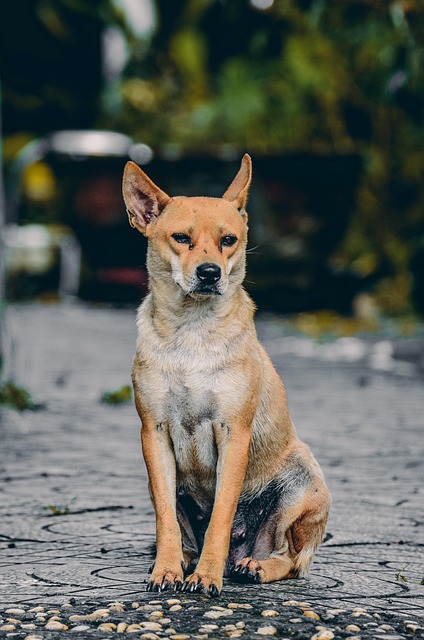
I also like to caution against projecting human emotions onto dogs. A downturned mouth or droopy eyelids might look sad to us, but dogs communicate through body language differently. Tail wagging, ear position, and responsiveness to interaction often provide a more accurate window into their mood than their facial expression alone.
Looking at the Whole Picture
In my practice, I encourage dog owners to observe the whole picture. Is your dog eating well? Engaging with you or other pets? Resting comfortably? If these elements are normal, a “sad face” is likely just part of your dog’s natural expression. If other behavioral changes accompany the droopy look, a vet visit is warranted to rule out health concerns.
Conclusion: A Sad Face Doesn’t Always Mean an Unhappy Dog
Ultimately, I’ve found that most dogs with perpetually sad-looking eyes are completely fine. Their faces just don’t always match the lively, mischievous spirit within. Paying attention to behavior, providing stimulation, and ensuring regular health checkups are the best ways to ensure your dog is genuinely happy, even if their face doesn’t seem to reflect it.