Why Dogs Eat Grass More Often Than Most Owners Realize
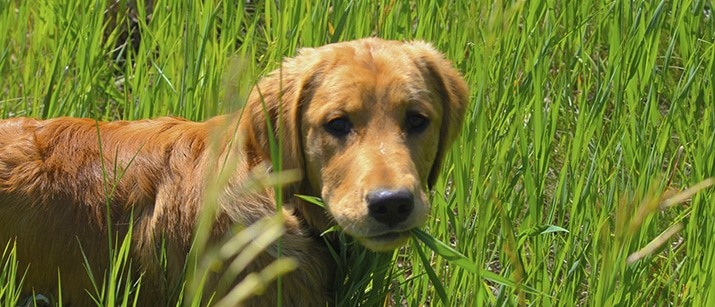
I run a small boarding and daycare setup outside a farming town in eastern Kentucky, and over the years, I have watched hundreds of dogs wander into the yard and start chewing grass as if they were grazing animals. Some dogs nibble a few blades and move on. Others go after thick patches right after breakfast and then act completely normal the rest of the day. After cleaning kennels and walking dogs for more than a decade, I stopped treating grass eating like some mysterious warning sign every single time.
Most Dogs Are Not Doing It Because They Are Sick
A lot of owners panic the first time they see their dog tearing through wet grass at full speed, especially if vomiting follows afterward. I understand why. The scene looks dramatic, and dogs usually move with a kind of urgency that makes people think something serious is happening. Still, most of the dogs I have cared for were perfectly healthy, even though they ate grass several times a week.
One older lab I boarded every summer would walk the fence line every morning and stop at the exact same corner to chew grass for maybe thirty seconds. That dog had regular vet checks, solid energy, and an appetite strong enough to steal towels if you looked away for too long. He simply seemed to enjoy it. I have seen similar habits in shepherds, bulldogs, mixed breeds, and tiny terriers that weighed barely 10 pounds.
Some dogs probably like the texture. Others may enjoy the smell after rain or early morning watering. Fresh grass has moisture, scent, and rough fiber, which can be surprisingly appealing to animals that investigate the world mainly through their mouths.
There is still debate around the exact reason. A few veterinarians I know think boredom plays a role in some cases, especially with high-energy dogs that spend long afternoons alone in fenced yards. That theory lines up with what I have personally seen during boarding weeks. Dogs with packed schedules and regular exercise usually graze less.
There Are Times Grass Eating Can Point to a Problem
I do not tell owners to ignore the behavior completely because context matters. A dog casually nibbling grass during a walk is very different from a dog frantically eating huge mouthfuls and drooling before vomiting. I pay close attention to whether the behavior suddenly changes or is accompanied by diarrhea, pacing, bloating, or loss of appetite over a couple of days.
A customer last spring brought in a young husky that had started eating grass whenever he went outside. The dog also skipped breakfast twice in one week, which immediately stood out because huskies at my kennel usually inhale food in under two minutes. The owner later found out the dog had stomach irritation connected to table scraps from a family cookout.
I usually tell people to think in terms of patterns rather than isolated moments. One odd afternoon means very little. Three or four consecutive days that are strange deserve attention, especially if the dog seems uncomfortable indoors afterward.
Owners who want to compare feeding routines and digestion advice sometimes browse American Kennel Club articles because they break down common canine habits in fairly plain language. I have sent a few first-time owners there after boarding evaluations, when they wanted a starting point before calling their vet. Reading general information does not replace professional care, but it can calm people down enough to observe their dog more carefully.
Chemicals are another concern. That part matters. I worry far more about treated lawns than the grass itself. Weed killers, fertilizer pellets, and bug sprays can create real problems if a dog keeps licking or chewing the area right after application.
Diet and Routine Often Affect the Habit
One thing I started noticing around year five at the kennel was how feeding schedules influenced strange outdoor behavior. Dogs that skipped meals or ate inconsistently were often the same dogs chewing grass during yard time. It was not universal, though the pattern showed up enough that I began asking owners more questions during intake.
A lean border collie I watched for nearly two weeks kept eating grass every afternoon around four o’clock. After talking with the owner, I learned the dog usually ate breakfast at dawn because the owner worked early shifts. By late afternoon, the dog was simply hungry again. We split dinner into two smaller meals, and the grass chewing dropped almost immediately.
Fiber may play a role, too. Some commercial foods are high in calories but low in ingredients that support smooth digestion. I have had decent results adding plain canned pumpkin or green beans to certain dogs’ diets, though I never treat it like a cure-all. Every dog reacts differently.
Stress changes behavior fast. Boarding dogs prove that point constantly. A nervous dog in a new environment may lick the floor, chew blankets, or eat grass during the first 24 hours because they are overstimulated and unsure of their surroundings.
Routine helps more than people think. Dogs notice timing. They notice the same walking route, the same feeding bowl, and even the same truck pulling into the driveway every evening.
What I Actually Watch For During Boarding
After years of supervising group play and overnight stays, I have developed a short mental checklist whenever I see repeated grass eating. I look at stool quality first because digestive trouble usually shows up there before anything else. Then I watch water intake, energy levels, and how excited the dog seems during meals.
If a dog still wants to play fetch, wrestle with the other dogs, and inhale dinner in under sixty seconds, I worry less. Low energy changes the picture. Quiet behavior from an active dog catches my attention much faster than grass chewing alone.
I also watch how the dog eats the grass. Slow nibbling is common. Frenzied gulping is different. Dogs that swallow long strands too quickly sometimes end up gagging later because the blades irritate the throat on the way back up.
One shepherd mix at my place learned how to pull clumps straight from the roots after rainstorms softened the ground. That dog vomited twice in one weekend because the mouthfuls were enormous. We solved the issue by shortening outdoor sessions after storms and giving him puzzle toys indoors to burn off nervous energy.
Owners sometimes assume dogs instinctively know which plants are safe. I would not count on that. I have pulled mushrooms, mulch, cigarette butts, and small pieces of plastic from dogs that looked extremely confident while eating them.
Most grass eating falls into the harmless category, from what I have personally witnessed over the years. Dogs are odd creatures with habits that do not always make perfect sense to humans. A calm owner who watches for patterns usually gets a much clearer picture than someone who panics after a single patch of chewed grass in the backyard.