Blue Tortoiseshell Cat Patterns I’ve Learned to Recognize Over the Years
I work as a mobile feline coat consultant and breeder advisor in Punjab, and I spend most of my days handling cats with unusual coat genetics. The blue tortoiseshell cat has always been one of those patterns that makes even experienced handlers pause for a second look. I first started noticing them during visits to small breeding setups where color genetics were not fully understood. Over time, I began documenting their coats, behavior patterns, and how owners interpret their appearance.
What a blue tortoiseshell cat actually looks like in real life
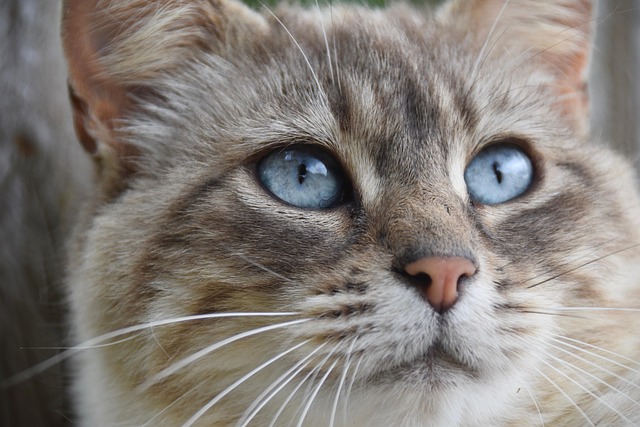
When I first explain the blue tortoiseshell pattern to cat owners, I usually have to correct expectations shaped by online photos. These cats are not a single solid shade but a mix of diluted black, gray-blue, and soft cream or reddish tones blended across the fur. In a client visit last spring, I handled a young female cat whose coat looked almost smoky from a distance, but up close it revealed soft patches of blue and muted orange. That contrast is what makes people curious, even when they cannot immediately name what they are seeing.
I’ve seen this pattern most clearly in indoor cats that have stable grooming routines and minimal sun fading. The dilution gene plays a major role in how the colors soften, and it often surprises owners who expect sharper contrasts like those in classic tortoiseshell cats. One thing I always explain is that lighting completely changes perception, especially under warm indoor bulbs versus natural daylight. I’ve had clients insist their cat changed color overnight, when in reality the coat only reacted to lighting differences.
Some breeders still debate how consistent the “blue” dilution appears across generations, especially when mixed breeding lines are involved. I usually advise people not to rely solely on photos when identifying these cats, since digital filters can exaggerate both gray and cream tones. A calm observation over a few days gives a much clearer picture of the coat structure. I’ve learned that patience reveals more than quick assumptions ever do.
Genetics and why this coat pattern appears
The genetics behind a blue tortoiseshell cat come up in almost every consultation I do, especially with new breeders trying to understand unexpected litter outcomes. I’ve worked with small breeding programs where the parents looked completely ordinary, yet one or two kittens displayed this diluted patchwork coat. In one case, a breeder contacted me after noticing a single kitten with a bluish-gray and cream blend that did not match either parent’s visible coloring. I helped trace the likely inheritance pattern through pedigree records and prior litters.
Most of the time, the combination comes from the interaction between the dilution gene and sex-linked coat coloration. Female cats are far more likely to express tortoiseshell patterns because of how X chromosome pairing influences pigment distribution. I’ve explained this to many owners who assumed diet or environment caused the coloration changes. Genetics, not external conditions, determine the base pattern, even though coat shine and texture can still be affected by care.
During field visits, I often recommend owners use structured grooming sessions to observe how color transitions appear under different lighting conditions. In one practical case, I directed a client to a local grooming center, and they followed up with a blue tortoiseshell cat care resource that helped them better understand coat-maintenance techniques specific to diluted fur patterns. That small adjustment to the care routine made it easier to track color variation over time, especially during seasonal shedding cycles. It also helped the owner stop worrying about perceived “fading” that was actually normal coat progression.
Behavior traits I’ve observed in these cats
People often ask me whether coat color influences personality, and I always answer carefully because there is no strong scientific proof linking the two. Still, after handling dozens of blue tortoiseshell cats in home and clinic environments, I have noticed some recurring behavioral patterns worth mentioning. Many of them tend to be alert and slightly independent, especially in unfamiliar settings, where they prefer to observe before engaging. I’ve seen this more consistently in females with strong tortoiseshell expression than in other coat types.
One memorable case involved a rescue cat that took nearly three weeks to fully trust human handling. The owner described her as “quiet but always aware,” which matched my own observation during visits. Over time, she became more interactive, but only on her own terms, which is something I see frequently with this coat group. That does not mean the coat causes the behavior, but patterns in handling history and temperament often overlap with what owners perceive as personality traits.
In multi-cat households, I’ve also noticed these cats sometimes position themselves in higher resting areas, possibly to maintain visual control over their surroundings. I have seen this behavior in about seven different homes I regularly visit, though I avoid drawing hard conclusions from that. What I do know is that consistent handling, predictable routines, and quiet spaces help them settle faster than chaotic environments.
Living with a blue tortoiseshell cat day to day
Owning a blue tortoiseshell cat comes with a small learning curve, especially for people who expect uniform coat coloring that stays the same year-round. I often tell new owners to focus less on perfection and more on variation, because these cats naturally shift in tone depending on age, lighting, and grooming habits. I’ve seen coats look almost silver-blue in winter sunlight, then soften into warmer tones in indoor seasons. That variability is part of what makes them visually interesting over time.
Feeding, grooming, and general care do not differ significantly from those of other domestic cats, but I usually recommend consistent brushing to keep the diluted fur from appearing dull. During my routine visits, I’ve noticed that even simple weekly grooming noticeably improves coat definition. Owners sometimes underestimate how much texture affects perceived color. A well-brushed coat always looks more layered and balanced, even without any dietary changes.
There is also an emotional aspect to living with these cats that people do not expect. I’ve had owners tell me they feel like their cat “changes mood with the light,” which is obviously a perception shaped by coat reflection and timing of behavior. Over months of observation, that bond usually strengthens as owners become more familiar with subtle shifts in expression and posture. I think the adjustment period is where most real understanding happens, not in the initial excitement of adoption.
Whenever I leave a home after advising on a blue tortoiseshell cat, I usually remind owners that what they are seeing is a combination of genetics, care, and environment. The coat tells a story, but it is not fixed. It continues to evolve slowly, and that gradual change is what keeps many owners attentive long after the first impression fades.