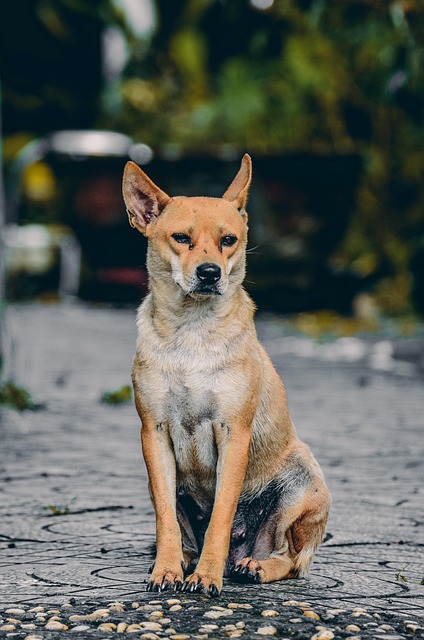
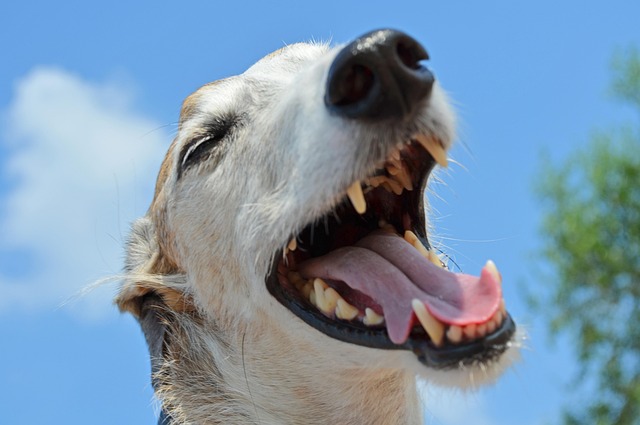
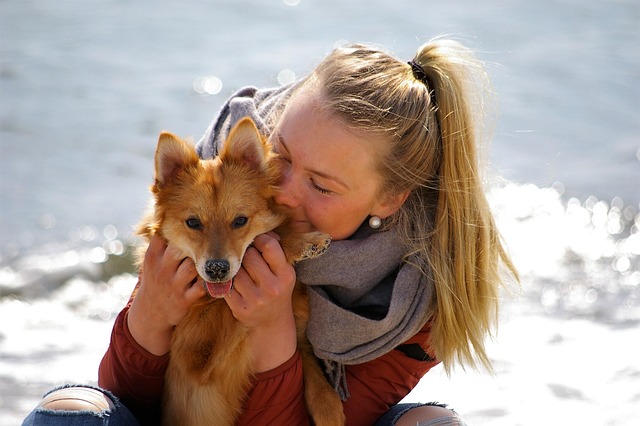
Dog’s Poop Is White
Mar
What It Means When Your Dog’s Poop Is White

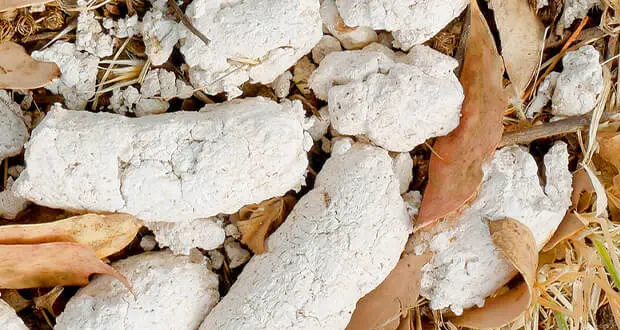
As a licensed veterinarian practicing in Texas for over a decade, I’ve seen more unusual dog stools than I can count. One pattern that always raises questions is white or chalky poop. In my experience, it’s a signal that shouldn’t be ignored, though the underlying reasons can range from harmless to serious.

I first noticed this in a Labrador mix I treated several years ago. The owner brought him in, concerned because his normally chocolate-brown stool had turned a pale, almost chalky white. At first glance, many assume it’s just a dietary quirk. But after running blood work and reviewing his diet, it became clear that the discoloration was linked to a liver issue that required attention. Early intervention made all the difference.

Common Causes

White or very pale stool in dogs often points to one of two main issues: bile deficiency or excessive calcium.

  • Bile deficiency: Normally, bile gives stool its brown color. A lack of bile can indicate problems with the liver or gallbladder. I’ve encountered several cases where elderly dogs with suddenly pale stools were actually developing early liver disease. Prompt testing and monitoring are key.
  • Excess calcium or dietary changes: Puppies or dogs fed a lot of bone-heavy treats sometimes produce chalky stools. I remember a small terrier whose owners fed it raw chicken necks daily. The stools were almost white, yet the dog was otherwise healthy. Gradually adjusting the diet returned the stool to a normal brown.
  • Medication or supplements: Certain medications, such as antacids containing aluminum hydroxide, can temporarily lighten stool color. I’ve seen a client start a new digestive supplement, and within days, the dog’s stool shifted color—but it returned to normal after discontinuing the supplement.

Red Flags That Warrant Immediate Attention

While dietary causes are usually benign, I’ve learned never to dismiss sudden or persistent white stools. Look for accompanying signs such as vomiting, lethargy, yellowing of gums or eyes, or loss of appetite.

In one memorable case, a middle-aged Beagle showed white stools for a week before also developing vomiting and jaundice. Testing revealed pancreatitis and liver involvement, conditions that required hospitalization. Early recognition can save lives.

Dog’s Poop Is White

Practical Steps for Dog Owners

When I advise owners, I recommend the following approach:

  1. Observe the frequency and consistency – A single pale stool might be harmless, but repeated instances warrant investigation.
  2. Review diet and treats – High calcium diets or large amounts of bones can temporarily lighten stool.
  3. Schedule a vet visit if it persists – Blood tests, ultrasound, or stool analysis can identify liver, gallbladder, or pancreatic issues early.

I’ve found that many dog owners initially panic when they see white stool, only to realize it’s a dietary effect. Yet, in other situations, taking early action has prevented serious illness. My advice is to treat white or chalky stool as a clue rather than a diagnosis. Watch, assess, and when in doubt, bring your dog in for a professional evaluation.

Over the years, this approach has saved many dogs from prolonged discomfort or severe disease. In my experience, paying attention to stool color is one of the simplest ways to catch health issues before they escalate.

Can Dogs Really Die from Depression
Mar
Can Dogs Really Die from Depression? Insights Explained

As a licensed veterinarian practicing in Texas for over 12 years, I’ve encountered many situations in which pet owners worry that their dog’s sadness could be deadly. In my experience, while depression itself doesn’t directly kill dogs, its consequences can be severe enough to threaten their health if left unaddressed.

A Real Case: When Sadness Affects a Dog’s Health

I recall a case last spring with a seven-year-old Labrador named Buddy. His owner had recently gone through a family relocation, and Buddy began refusing to eat and seemed withdrawn, spending hours staring out the window. At first glance, it appeared to be simple sadness, but over several weeks, his weight dropped noticeably, and his energy waned.

This wasn’t just emotional distress; the physical decline caused by his depression put him at risk for more serious health problems. In Buddy’s case, timely intervention with a combination of behavioral enrichment, more frequent walks, and careful monitoring of his diet helped him recover.

Why Dogs Experience Depression

Dogs are social animals, and their mental health is closely tied to their routines, relationships, and environment. I’ve found that dogs who lose a companion—whether another dog, a family member, or even a primary caregiver—can exhibit symptoms very similar to human depression: lethargy, loss of appetite, excessive sleeping, or withdrawal from play. One memorable example involved a Golden Retriever named Daisy.

Her canine companion passed away unexpectedly, and for several weeks, she barely moved from her bed. Her owners thought she was “just sad,” but her dehydration and muscle weakness were significant. We intervened with gradual reintroduction to social interaction, puzzle feeders, and short play sessions. Within a few weeks, Daisy regained her appetite and energy. Without that intervention, her body’s decline could have become life-threatening.

When Depression Is Linked to Other Health Issues

It’s worth noting that some owners mistakenly assume that all signs of low energy or reduced appetite are purely behavioral. In my experience, depression in dogs often coexists with other health conditions. I’ve seen dogs with untreated hypothyroidism or chronic pain become withdrawn and appear depressed.

In these cases, treating the underlying medical issue often alleviates the depressive symptoms as well. Ignoring the physical component can inadvertently turn a manageable emotional problem into a dangerous situation.

Can Dogs Really Die from Depression

Can Depression Become Life-Threatening?

So, can dogs die from depression? Technically, depression alone isn’t fatal, but its ripple effects on behavior, appetite, and overall health can lead to conditions that are life-threatening. Malnutrition, severe weight loss, or inactivity can strain the heart, kidneys, or immune system. From my experience, early recognition, consistent routine, and environmental enrichment are key.

Even simple changes—like adding short walks, interactive toys, or social interaction—can make a significant difference. In more severe cases, I’ve recommended temporary medical interventions alongside behavioral therapy to help dogs recover safely.

How Attention and Routine Help Dogs Recover

One thing I always emphasize to owners is not to underestimate the power of attention. A dog left isolated after a major life change may develop depression quickly, but with consistent engagement, they often bounce back. I remember a senior Beagle whose owner traveled frequently for work.

The dog became withdrawn, hardly eating, and losing weight. We introduced a dog walker and scheduled short, interactive play sessions several times a day. Within a month, the Beagle was back to her cheerful self. That case illustrated clearly that while depression can compromise health, timely action often prevents a fatal outcome.

Final Thoughts

In short, dogs don’t “succumb” to depression in the way humans might fear, but the physical and behavioral effects of untreated depression can create serious risks. From my perspective as a veterinarian, the key is vigilance, early intervention, and understanding that a dog’s emotional health is inseparable from their physical well-being. When owners recognize the signs and take proactive steps, even deeply sad dogs can regain vitality and enjoy a full, happy life again.

Dog Looks Sad
Mar
How to Identify Why Your Dog Looks Sad

When Owners Worry About “Sad Eyes”

As a licensed veterinarian practicing in Texas for over twelve years, I’ve seen more dogs with “sad eyes” than I can count. Owners often come into my clinic worried, saying, “Doc, my dog always looks depressed. Should I be concerned?” In my experience, that soulful, downturned expression doesn’t always mean your dog is unhappy—it’s often more complicated than it appears.

Sometimes It’s Just Your Dog’s Natural Expression

One case that sticks with me involved a golden retriever named Max. His owner was convinced he was depressed because he stared out the window for hours and had a perpetually droopy expression. On examination, Max was perfectly healthy, active, and engaged during play sessions.

What I noticed, though, was that his breed naturally carries a softer brow and drooping eyelids, giving the illusion of sadness. In other words, Max’s “sad look” was just his face.

When a Sad Appearance Signals a Health Issue

But there are times when a dog’s sad appearance does point to a real issue. I once treated a lab mix named Daisy who appeared listless and avoided interaction with her family. Her owner thought she was simply moody, but after a thorough checkup, we discovered a mild thyroid imbalance affecting her energy levels and mood.

After treatment, Daisy became noticeably more alert, and her expression brightened. Cases like this are why I always stress the importance of paying attention to behavioral cues beyond facial expressions—changes in appetite, playfulness, or sleep patterns are far more telling than the occasional sad look.

Emotional Changes and Environmental Factors

Emotional factors can also play a role. Dogs are sensitive creatures, and shifts in their environment can affect their demeanor. I recall a customer last spring whose border collie, Lucy, began looking forlorn after the family added a new puppy. Lucy wasn’t sick; she simply needed reassurance and attention. With a few structured play sessions and dedicated bonding time, her “sad eyes” gradually gave way to her usual bright, alert expression.

Dog Looks Sad

Lack of Stimulation and Exercise

Sometimes, the cause is behavioral rather than medical. Dogs that spend long hours alone, lack stimulation, or don’t get regular exercise can develop a more withdrawn demeanor. I’ve found that in homes where dogs are under-stimulated, owners often interpret a neutral or relaxed face as a sign of sadness. In reality, providing mental enrichment—puzzle toys, short training sessions, or walks in new environments—can make a huge difference in both energy and expression.

Avoiding Human Emotion Projection

I also like to caution against projecting human emotions onto dogs. A downturned mouth or droopy eyelids might look sad to us, but dogs communicate through body language differently. Tail wagging, ear position, and responsiveness to interaction often provide a more accurate window into their mood than their facial expression alone.

Looking at the Whole Picture

In my practice, I encourage dog owners to observe the whole picture. Is your dog eating well? Engaging with you or other pets? Resting comfortably? If these elements are normal, a “sad face” is likely just part of your dog’s natural expression. If other behavioral changes accompany the droopy look, a vet visit is warranted to rule out health concerns.

Conclusion: A Sad Face Doesn’t Always Mean an Unhappy Dog

Ultimately, I’ve found that most dogs with perpetually sad-looking eyes are completely fine. Their faces just don’t always match the lively, mischievous spirit within. Paying attention to behavior, providing stimulation, and ensuring regular health checkups are the best ways to ensure your dog is genuinely happy, even if their face doesn’t seem to reflect it.

Dog’s Broken Tooth
Mar
Home Remedies for a Dog’s Broken Tooth: Stories from a Veterinarian

I’ve been a veterinarian in Texas for over ten years, and broken teeth in dogs are more common than most owners realize. I still remember the first time a client brought in their Golden Retriever, Daisy. She had been happily chewing on a rawhide bone when suddenly, she started pawing at her mouth and drooling.

Her owner panicked, unsure whether it was an emergency. Experiences like Daisy’s taught me that a dog’s broken tooth can be painful and dangerous, but there are steps you can take at home to keep your pet comfortable until professional care is possible.

Easing Pain at Home

One mistake I’ve seen many dog owners make is giving human painkillers. Years ago, a family tried giving their Labrador mix ibuprofen, thinking it would help. Within hours, the dog became lethargic and nauseated—what they thought was simple pain relief had put him at serious risk for liver and kidney problems.

Instead, I recommend veterinarian-approved medications, such as carprofen or meloxicam, dosed carefully for your dog’s weight. For temporary relief, cold compresses against the jaw can be surprisingly effective. I once advised the owner of a Border Collie named Luna to wrap an ice pack in a thin towel and gently hold it against her cheek. Luna calmed down almost immediately and reduced the swelling until we could get her in for an exam.

Preventing Infection

A broken tooth exposes the pulp, leaving it vulnerable to bacteria. I’ve had several cases where a minor fracture developed into an abscess because owners didn’t act quickly. Gentle oral rinsing with a veterinarian-approved antiseptic, like a diluted chlorhexidine solution, can help prevent infection. One spring, a client with a small Beagle faithfully followed this step. By the time we could extract the fractured incisor, the mouth was clean, and the dog was comfortable—a far better outcome than most people expect from a home remedy.

Feeding soft foods is equally important. Dogs in pain often avoid hard kibble. I usually recommend soaked kibble, canned food, or boiled chicken for a few days. I remember Max, a young Labrador, who refused to eat anything but soft foods after breaking a molar on a particularly tough bone. Switching his diet kept him nourished and calm until we treated the tooth.

Recognizing Warning Signs

Not all broken teeth are prominent. I’ve treated a German Shepherd whose fracture went unnoticed for days. Subtle signs like excessive drooling, mild bleeding, or pawing at the mouth often indicate dental trauma. In his case, the infection had started, making the treatment more complicated. That experience taught me always to encourage owners to seek veterinary attention as soon as they notice any unusual behavior around the mouth.

Dog’s Broken Tooth

Practical Temporary Remedies

Based on my years of experience, the following at-home measures can help manage discomfort:

  • Offer a soft diet to reduce pressure on the damaged tooth.
  • Use cold compresses on the jaw to control swelling.
  • Administer veterinarian-approved pain medications cautiously.
  • Gently rinse the mouth with a vet-approved antiseptic to prevent infection.

These steps aren’t a replacement for professional care, but they can make the dog more comfortable and prevent minor issues from becoming major problems. I’ve guided countless owners through situations like these, and taking action quickly often leads to smoother recovery and fewer complications.

Closing Thoughts

Broken teeth in dogs can be painful and stressful for both the pet and the owner. Home remedies like soft foods, cold compresses, and careful oral hygiene help bridge the gap until a veterinarian can intervene. In my experience, owners who act quickly and thoughtfully prevent unnecessary suffering and complications.

Your dog may not tell you exactly what hurts, but with attentive care and vigilance, you can keep them comfortable—and ensure their dental health doesn’t spiral into something more serious.

Sneezing Dog with Home Remedies
Mar
How to Treat Your Sneezing Dog with Home Remedies

From a Small-Animal Veterinarian’s Perspective

I’m a small-animal veterinarian who has spent years in a busy general practice, and I see sneezing dogs every single week. Sometimes it’s harmless, sometimes it’s allergies, and occasionally it’s something that really shouldn’t wait. Owners usually arrive worried, and many of them have already tried a handful of things at home — some helpful, some not so much.

Sneezing in dogs isn’t always an emergency. I’ve seen plenty of healthy, happy dogs sneeze because of dust, perfume, pollen, air fresheners, or even excitement. But I’ve also treated dogs whose “just sneezing” turned out to be a nasal foreign body, infection, or severe dental disease. The goal at home is to reduce obvious irritants and help the dog feel more comfortable, while knowing when it’s time to stop home care and call a clinic.

Below are remedies I genuinely recommend in my daily work, along with examples of situations where I’ve seen them help—and a few common mistakes I wish owners would avoid.
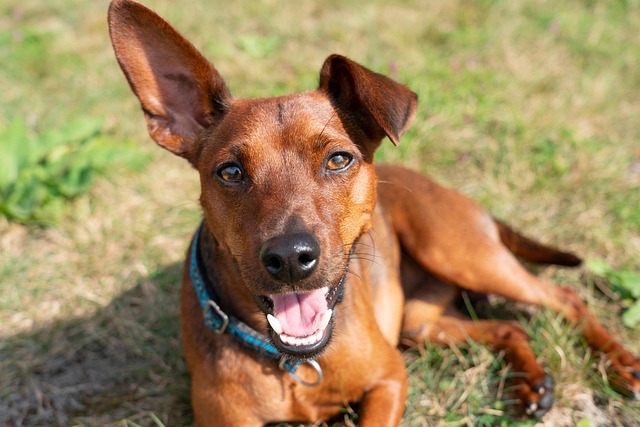
Sneezing Dog

Start with the most straightforward remedy: remove the irritant.

The most effective “treatment” I’ve seen for sneezing is sometimes nothing more than changing what’s in the air.

A family brought me a young spaniel last spring who had suddenly started sneezing repeatedly in the evenings. No fever, no discharge, lungs sounded great. After some talking, they casually mentioned a new plug-in air freshener they’d put right next to the dog’s bed. They unplugged it that night, and the sneezing stopped.

I’ve seen similar reactions with:

  • aerosol cleaners
  • heavily scented candles
  • incense
  • essential oil diffusers
  • cigarette smoke
  • Dusty carpets after vacuuming

My advice is straightforward: if a dog suddenly starts sneezing, think about anything new in the house and remove it for a while. Fresh air from an open window or a short break from the room often helps more than people expect.

Rinse away pollen and dust from the face and coat.

Dogs stick their noses into everything. Grass, soil, stored shoes, dusty corners — all of it ends up in the nostrils.

I’ve lost count of the number of dogs who stop sneezing after a gentle wipe-down after outdoor play. A damp, soft cloth over the muzzle, around the nostrils (not inside), and around the eyes can remove pollen grains that keep irritating them.

With very allergic dogs, I often recommend wiping paws and legs after walks as well. I’ve had owners tell me their dogs sneeze mainly at bedtime, right after jumping onto the bed with pollen on their fur. A quick wipe before settling in made a real difference for them.

Humid air can soothe dry or irritated nasal passages.

Dry indoor air, especially during the heating season, can worsen sneezing.

More than once, I’ve suggested something as simple as sitting with the dog in a steamy bathroom for 10–15 minutes. You just run a hot shower to fill the room with steam, letting the dog breathe that warm moisture. That isn’t a cure for infection, but it can ease irritation and soften thick nasal discharge.

I prefer this over essential oil vaporizers or menthol products marketed for humans. I’ve treated dogs who became nauseous or developed eye irritation from strong oils. Plain steam works without adding those risks.

Keep the environment clean, but avoid harsh cleaners.

People sometimes overcorrect and start heavily bleaching or spraying the house, thinking they’re helping. I’ve seen dogs sneeze more after deep cleaning than before it.

Light, regular cleaning and washing bedding with unscented detergent is usually more helpful than heavy disinfectants. If you vacuum, give the dust time to settle before letting a sensitive dog back into the room.

Saline can be helpful — medications often are not.

Owners often ask me about “drops” to put in the dog’s nose. I do not recommend human decongestant sprays or cold medicines for home use. I’ve treated dogs who became very ill after well-intentioned owners used human products that contained dangerous ingredients.

I suggest simple sterile saline (no medications added). A small drop at the nostril edge or moistening a cotton pad with saline to wipe crusting can be soothing. You don’t need to flush your nose forcefully; in fact, I strongly advise against it outside a clinic. Gentleness is the rule.

Supportive basics: rest, hydration, and low-stress time

Just as with people, a mildly sneezing dog often benefits from rest and good hydration. Dogs with runny noses lose a bit of fluid, and constant sneezing can tire them out.

At home, I tell owners:

  • make water easy to access in more than one room
  • Avoid heavy exercise for a day or two if sneezing is frequent
  • let them sleep a bit extra

I’ve seen older dogs especially bounce back faster when they’re allowed to slow down for a day.

A few home remedies I personally recommend against

Because I’ve seen the aftermath firsthand, I’m candid about what I don’t like owners trying at home.

I recommend avoiding:

  • essential oils applied to the nose or collar
  • human antihistamines without veterinary guidance
  • pouring liquids directly into the nostrils
  • internet “herbal cures” of unknown dose or source

One case that sticks with me is a small dog whose owner applied concentrated peppermint oil to “clear his sinuses.” The dog arrived with red, streaming eyes and vomiting. The sneezing problem became secondary to treating the irritation and nausea.

Simple, boring remedies are usually safest.

When home remedies are not enough

There are situations where I tell people to stop home care and schedule an exam.

I worry more if:

  • discharge is thick, yellow, green, or bloody
  • Sneezing is from only one side consistently
  • There is facial swelling or obvious pain
  • The dog is very lethargic or stops eating
  • There was a recent episode of running through tall weeds or foxtails

I’ve pulled grass awns, plant seeds, and even a fragment of a toy from dogs’ nasal passages. Those dogs didn’t get better at home — they needed sedation and careful removal.

I also see “reverse sneezing” mistaken for regular sneezing. That’s the loud, snorting inhale that looks dramatic but is often a harmless irritation of the soft palate. If an owner shows me a video on their phone, I can usually reassure them or tell them if further work-up is needed.

Sneezing Dog with Home Remedies

My overall take after years in practice

Most of the dogs I see sneezing are dealing with mild irritation, seasonal allergies, or dust exposure. Simple steps — cleaner air, wiping down fur, brief steam, plenty of water — go a long way. I’ve watched these small changes resolve countless cases.

At the same time, I’ve seen how easily well-meant home treatment can tip into something unsafe, especially with human cold medicines or concentrated oils. I’m always in favor of gentle, low-risk measures first, with a low threshold to call a clinic if anything seems off.

If your dog is otherwise bright, eating well, and just sneezing now and then, home care is reasonable. If you’re seeing blood, ongoing discharge, or real discomfort, that’s usually my line in the sand.

That balance — helping at home without missing something serious — is what I try to guide owners through every day in the exam room.

Spring Pet Health Tips
Mar
Spring Pet Health Tips Every Owner Should Know

After more than a decade working as a veterinarian, I’ve learned that spring is one of the busiest seasons in my clinic. The weather improves, pets spend more time outdoors, and owners assume their animals are simply enjoying the sunshine. But spring also brings a wave of seasonal problems—parasites, allergies, injuries, and digestive issues that tend to appear almost all at once.

Every year, I have similar conversations with pet owners who didn’t expect a small seasonal change to affect their animals so much. A few simple habits can prevent most of the issues I see in my exam room once winter ends.

Watch for the First Signs of Fleas and Ticks

The first warm weeks of spring often trigger the start of flea and tick season. Owners are frequently surprised by how early parasites appear. By the time someone notices their dog scratching constantly, the infestation is usually well underway.

Last spring, a client brought in a golden retriever with severe skin irritation. The owner thought it was allergies, but I found flea dirt—tiny black specks—along the coat. The fleas had already spread through the house.

Treating the dog was simple enough, but eliminating the infestation from carpets and furniture took weeks.

Start pets on preventive medication early in the season, before temperatures consistently warm up, to avoid frustration. Waiting until parasites appear is already too late.

Spring Allergies Affect Pets More Than Many Owners Realize

Allergy season doesn’t only affect people. Pets can develop reactions to pollen, grasses, and mold spores as environmental conditions change.

Dogs often show signs of allergies through their skin. Excessive scratching, paw chewing, and recurring ear infections are among the earliest signs. Cats often groom themselves so intensely that they create bald patches.

A few years ago, a family brought their terrier in because she was licking her paws nonstop. They assumed the behavior was anxiety-related. During the exam, I noticed mild redness between the toes and around the ears. After discussing seasonal patterns, it became clear that the symptoms appeared every spring.

Once we addressed the allergies with medication and regular paw rinsing after walks, the behavior stopped almost immediately.

Simple habits can help reduce seasonal irritation:

  • Wiping paws after outdoor walks
  • Regular bathing during heavy pollen weeks
  • Keeping bedding clean

Use these habits consistently to minimize indoor allergens for your pets.

Check Your Yard Before Letting Pets Roam

Spring yard cleanup often reveals hazards that went unnoticed during winter.

Broken branches, sharp debris, and post-winter chemicals can all cause problems. I treated a mixed-breed dog that cut its paw on hidden metal because the yard hadn’t been cleared after storms.

Another frequent issue involves lawn treatments. Fertilizers and weed control products are often applied early in the season. Even products labeled “pet safe” can cause stomach upset if animals lick their paws after walking across treated grass.

Wait until lawn treatments are completely dry before allowing pets outside. Ideally, restrict access to treated areas for a full day after application.

Spring Pet Health Tips

Be Careful with Spring Plants and Flowers

Many spring-blooming plants can be toxic to pets.

In veterinary practice, I regularly see cases involving lilies, tulips, and daffodils. Cats are particularly sensitive to lilies—ingesting even small amounts can cause severe kidney damage.

One spring afternoon, a worried owner rushed in with her cat after noticing pollen on its nose from a bouquet of lilies. The cat had groomed itself shortly afterward. We immediately began treatment and monitored kidney function closely for several days. Thankfully, the cat recovered, but the situation could have ended very differently.

Pet owners sometimes assume that toxicity occurs only when animals eat large quantities of plants. In reality, curiosity and grooming behavior make even small exposures risky.

Check plant toxicity before bringing flowers inside or planting in your yard to prevent pet emergencies.

Ease Pets Back Into Exercise

After a quieter winter, many pets suddenly return to high levels of activity once spring arrives. While the enthusiasm is great to see, it sometimes leads to injuries.

In my clinic, I see a noticeable increase in muscle strains and ligament injuries during early spring. Dogs that have spent months with limited activity suddenly run for miles in parks or chase balls for long periods.

A Labrador developed a limp after a weekend hike. The sudden activity strained a shoulder muscle after a sedentary winter.

Increase your pet’s exercise gradually over several weeks for a safer transition into spring activity.

Schedule a Seasonal Wellness Visit

Schedule routine veterinary checkups each spring to update care and screen for common seasonal health problems.

During these visits, I often detect issues owners hadn’t noticed—minor ear infections, dental problems, or weight gain from reduced winter activity.

One cat owner scheduled a routine spring exam simply because it had been about a year since the previous visit. During the checkup, I detected a subtle heart murmur that had not been present before. Further testing confirmed early heart disease, and the cat began treatment before symptoms became severe.

Don’t wait for urgent symptoms; regular exams can catch hidden issues before they become serious.

Pay Attention to Subtle Behavioral Changes

Animals often exhibit subtle behavioral changes before obvious illness appears. Changes in appetite, sleep patterns, grooming habits, or energy levels can signal underlying health issues.

Over the years, I’ve learned that owners who trust their instincts tend to catch problems early. If something feels different about your pet—even if the symptoms seem minor—it’s usually worth discussing with a veterinarian.

Take these preventive steps now and schedule a wellness check to give your pet its healthiest spring yet.