Can Cats Safely Eat Walnuts
Mar
Can Cats Safely Eat Walnuts? A Guide for Pet Owners

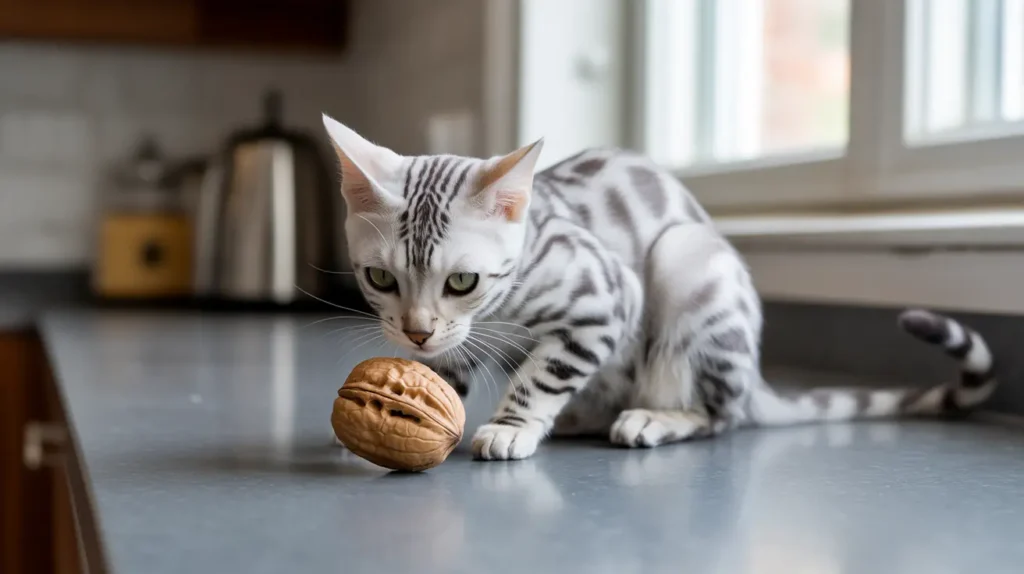
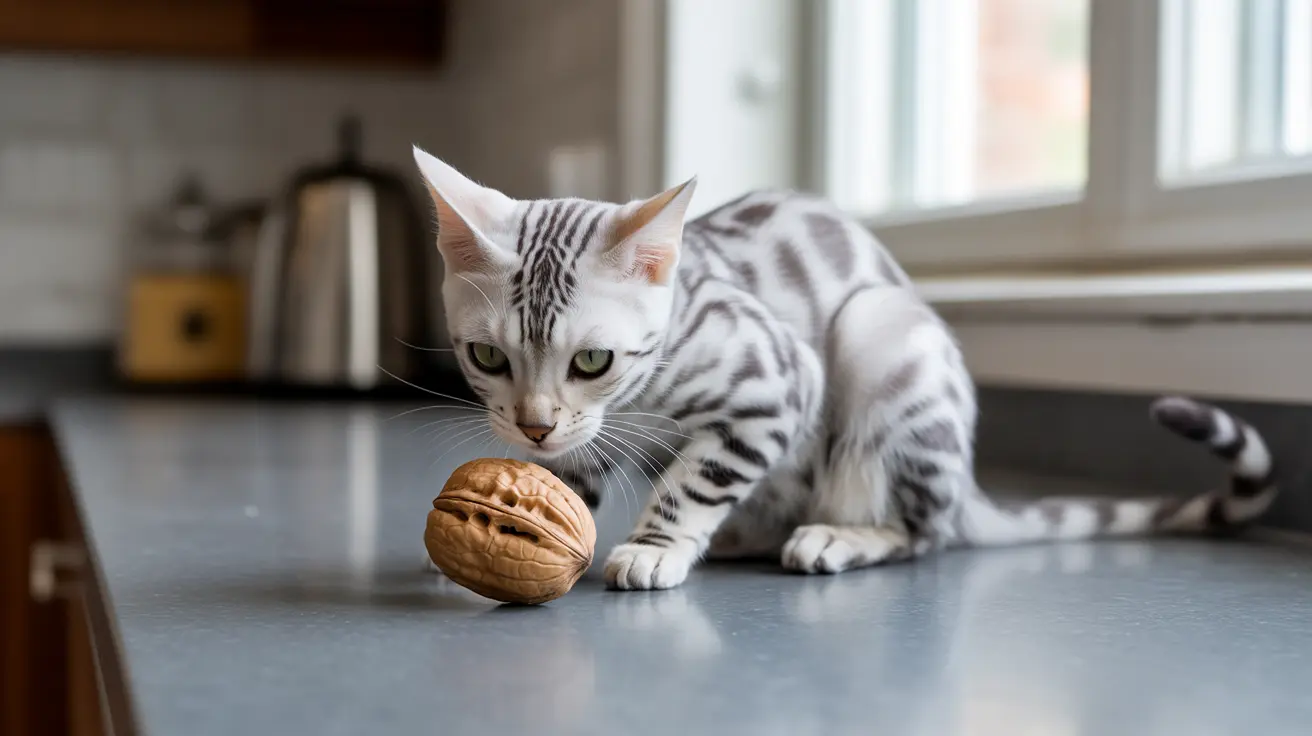
After more than a decade working as a small-animal veterinarian, I’ve learned that cats have a remarkable ability to show interest in the one food they absolutely shouldn’t eat. Walnuts are one of those foods owners often ask me about, usually after their cat has already stolen a piece from the kitchen counter.

The short answer is simple: cats shouldn’t eat walnuts. They’re not just unnecessary in a cat’s diet; in some situations, they can cause digestive upset or even more serious health issues.

But the real concern isn’t only the walnut itself. It’s the context in which cats usually encounter them.

Why Walnuts Aren’t a Good Food for Cats

Cats are obligate carnivores. Their bodies are built to process animal protein, not nuts, seeds, or plant fats. A walnut doesn’t offer any nutritional benefit to a cat, and in many cases, it introduces risks.

In my practice, the problems I’ve seen with walnuts usually fall into three categories: digestive irritation, mold toxicity, and choking hazards.

Fresh walnuts aren’t technically poisonous to cats, but they’re very high in fat. A cat’s digestive system isn’t designed to handle that kind of fat load. Even a small amount can lead to stomach upset.

More concerning is the possibility of mold. Walnuts—especially ones stored improperly—can grow certain molds that produce toxins. These toxins can cause neurological symptoms in pets, including tremors and weakness. Dogs are more commonly affected, but cats are not immune.

Then there’s the physical issue. A walnut chunk is firm and uneven, which makes it a potential choking risk, especially for curious cats that like to swallow pieces without chewing.

A Case I Remember From Last Fall

One situation that stuck with me involved a young indoor cat whose owner had been baking during the holidays. The kitchen counter had a bowl of mixed nuts, including walnuts, sitting out.

At some point during the evening, the cat managed to snag a piece.

The owner didn’t see it happen, but noticed the cat vomiting several hours later and acting uncomfortable. When she brought him in the next morning, he was drooling slightly and refusing food.

In that case, the issue was straightforward gastrointestinal irritation. The walnut had simply been too fatty and too difficult for the cat’s stomach to process. With fluids and anti-nausea medication, he recovered quickly.

But it was a good example of something I tell clients all the time: just because a food isn’t labeled “toxic” doesn’t mean it’s safe for cats.

The Mold Risk Most Owners Don’t Consider

The bigger risk with walnuts isn’t the nuts themselves but how they’re stored.

Several years ago, I saw a situation involving a barn cat on a rural property. The owners had stored bags of walnuts in a shed. Some had been sitting there for quite a while.

The cat had apparently gotten into a few of them.

When they brought her to the clinic, she was trembling and seemed disoriented. Those symptoms immediately raised a red flag for mold toxins. Certain molds that grow on nuts can produce compounds called mycotoxins.

The cat needed supportive care and monitoring for several hours before the symptoms settled down.

That experience changed the way I talk to pet owners about nuts in general. The danger isn’t always obvious until something goes wrong.
Can Cats Safely Eat Walnuts

Another Problem: Cats Don’t Always Chew Their Food

Many cat owners don’t realize that cats often swallow small pieces of food whole.

I remember a client who assumed her cat had only “played” with a walnut shell that had fallen on the floor. The cat later started gagging intermittently.

An X-ray showed a small fragment lodged in the esophagus. It wasn’t large, but it was sharp enough to cause irritation.

Situations like that are uncommon, but they happen often enough that I discourage giving nuts to cats entirely.

What Happens If a Cat Eats a Walnut?

If a cat manages to eat a small piece of a fresh walnut, most of the time the result is mild stomach upset—vomiting, diarrhea, or temporary loss of appetite.

However, there are a few symptoms that should prompt a call to your veterinarian:

  • Persistent vomiting
  • Tremors or muscle twitching
  • Lethargy or unusual weakness
  • Difficulty swallowing or gagging
  • Lack of appetite lasting more than a day

These signs could indicate digestive irritation, obstruction, or exposure to mold toxins.

The Bigger Issue: Human Foods in General

One thing I’ve noticed over the years is that walnuts rarely appear alone. They’re usually part of a larger pattern of cats being offered human snacks.

Owners sometimes assume that because a food is healthy for people, it must also be safe for pets.

That’s rarely true.

A cat’s nutritional needs are extremely specific. Their bodies rely heavily on nutrients like taurine, which they naturally obtain from meat. Plant-based foods—including nuts—simply don’t contribute anything meaningful to their diet.

From a veterinary standpoint, there’s really no upside to feeding them.

Safer Alternatives If Your Cat Wants a Snack

If a cat seems curious about what you’re eating, the safest option is to offer something that actually aligns with their nutritional needs.

In my clinic, I often suggest small pieces of plain cooked chicken or turkey as occasional treats. These foods match a cat’s natural diet far better than nuts ever could.

Commercial cat treats formulated for feline digestion are also a safer option.

The key is moderation. Even healthy treats should only make up a very small portion of a cat’s daily calories.

My Advice After Years in Practice

If a client asks whether their cat can eat walnuts, my answer is straightforward: it’s best to avoid them.

They don’t provide nutritional value, can upset a cat’s stomach, and, in certain situations, pose risks that simply aren’t worth taking.

After years of seeing pets brought in for preventable food mishaps, I’ve become a firm believer in keeping human snacks away from curious paws. Cats are remarkably good at finding trouble in the kitchen, and walnuts are just one more temptation that’s better left off their menu.

Mythical Cats
Mar
Mythical Cats Through the Eyes of a Veterinarian

I’ve spent more than a decade working as a small-animal veterinarian, and I can say with confidence that cats already feel a little mythical in everyday life. Anyone who has shared a home with one understands that strange mix of elegance, mystery, and unpredictability. Clients often joke that their cat must be magical — especially when it disappears for hours and then quietly reappears in the same room.

Those jokes aren’t far from how humans have historically seen cats. Long before modern veterinary medicine existed, cultures across the world connected cats with spirits, gods, and supernatural forces. Studying those stories has actually helped me understand how deeply people bond with these animals. Many myths didn’t appear out of nowhere. They came from observing real feline behavior — their nighttime activity, their silent movements, and their intense focus.

Over the years, I’ve noticed that the mythical reputation of cats still shapes how people interpret their pets today.

Why Cats Became Mythical Creatures

If you observe cats closely, it’s easy to see why ancient people believed they had supernatural qualities.

Cats move quietly enough to appear out of nowhere. Their eyes glow in dim light. They sleep most of the day and suddenly burst into activity late at night. Even modern cat owners occasionally say their pet “sees something we can’t.”

Early civilizations didn’t have scientific explanations for these behaviors. What they did have were stories.

Night vision, for example, looked supernatural to someone living thousands of years ago. In reality, a reflective structure inside the eye — the tapetum lucidum — helps cats see in low light. But if you imagine encountering a pair of glowing eyes in a dark alley centuries ago, it’s not hard to understand why legends formed.

I remember a client bringing in a black cat several years ago because she was convinced the animal was “haunted.” The cat had been staring intensely at a corner of the living room every night. After some conversation, we discovered the real cause: a small colony of insects inside the wall that the cat could hear moving.

The myth dissolved pretty quickly once we figured that out.

Still, those instincts that make cats excellent hunters also make them feel mysterious.

The Egyptian Cat Goddess Bastet

One of the most famous mythical cats comes from ancient Egypt: Bastet, the cat-headed goddess associated with protection, fertility, and domestic harmony.

Ancient Egyptians held cats in extraordinary regard. Killing one — even accidentally — could carry severe punishment. Archaeologists have uncovered entire cemeteries dedicated to mummified cats, which tells you how deeply they were woven into daily life.

From a veterinary perspective, their admiration makes sense. Cats played a crucial role in protecting grain stores from rodents, which helped preserve food supplies. In agricultural societies, that kind of pest control could literally prevent famine.

Years ago, while volunteering with a rescue group, I treated a farm cat that had essentially become the property’s unofficial pest control officer. The farmer swore the animal saved his grain storage every season. Watching that cat patrol the barn with absolute focus reminded me of why ancient Egyptians might have believed a divine force lived in animals like this.

Cats weren’t just pets to them. They were protectors.

Mythical Cats

The Japanese Bakeneko and Nekomata

Japanese folklore offers some of the strangest cat legends I’ve encountered.

Two mythical figures often appear in traditional stories: the Bakeneko and the Nekomata. Both were believed to be ordinary cats that developed supernatural powers as they aged. According to legend, these cats could transform into humans, control the dead, or bring curses upon households.

While the supernatural elements obviously belong to folklore, the underlying idea likely came from a real observation: cats change as they grow older.

In my clinic, senior cats sometimes develop behaviors that surprise their owners. Cognitive dysfunction, arthritis, and changes in hearing or vision can make an older cat behave in ways people don’t expect. A normally quiet cat might begin vocalizing loudly at night. Another may seem suddenly aggressive or confused.

I once had a client convinced her elderly cat had become “possessed.” The cat had started yowling at odd hours and pacing through the house. After a thorough exam, we found the issue was age-related cognitive decline.

It’s fascinating how easily unusual behavior can turn into folklore when medical explanations aren’t available.

The Norse Goddess Freyja and Her Cats

In Norse mythology, the goddess Freyja rode in a chariot pulled by two giant cats. These cats symbolized independence, fertility, and feminine power.

What’s interesting is that Scandinavian farmers historically valued cats for rodent control just as much as Egyptians did. Keeping cats around barns and food storage areas was practical.

Myths often grow out of respect.

In veterinary school, one of my professors used to say that cats represent “efficient design.” They waste very little energy, yet they remain capable hunters. That efficiency may be why so many cultures attributed divine or magical qualities to them.

Cats seem self-possessed in a way that dogs rarely do.

The Scottish Cat Sìth

Scottish folklore introduces another strange figure: the Cat Sìth, described as a large black cat with a white spot on its chest. Some stories claimed it could steal a person’s soul before burial.

That idea probably sounds extreme today, but it reflects how mysterious cats appeared in dim candlelit environments. A dark animal moving silently through a village at night could easily spark unsettling stories.

Interestingly, black cats still face superstition in some regions. As a veterinarian, I’ve seen the real-world consequences of that. Shelters sometimes struggle to place black cats because people associate them with bad luck.

Yet in other cultures, the exact same cats symbolize prosperity and protection.

From a practical standpoint, they’re simply cats — no more magical than the orange tabby sitting on your kitchen counter.

What Real Cats Teach Us About These Myths

Working with cats daily has convinced me that many myths started from genuine observations.

Cats appear mysterious because they operate on senses humans don’t fully share. Their hearing detects frequencies we can’t perceive. Their sense of smell is far more refined. Their hunting instincts make them hyper-aware of even the slightest movements.

I’ve seen cats notice things in exam rooms before any human does — a faint scratching noise inside a wall, or the movement of a small insect across the floor.

Experiences like that can feel uncanny if you don’t understand what’s happening.

But once you spend years observing feline behavior, the mystery turns into appreciation rather than superstition.

Cats are not magical creatures in the literal sense. Yet their intelligence, independence, and sensory abilities explain why humans throughout the centuries have built entire mythologies around them.

And honestly, after treating thousands of cats over the years, I still understand why those stories exist. Even with all our scientific knowledge, cats manage to keep a small piece of mystery intact.

Feeding Cats Homemade Food
Mar
Feeding Cats Homemade Food: A Veterinarian’s Real-World Perspective

After more than a decade working as a small-animal veterinarian, I’ve had countless conversations with cat owners about food. Some come in carrying a bag of premium kibble, others swear by raw diets, and every so often, someone arrives with a notebook full of homemade recipes they found online.

Homemade cat food can absolutely work, but I’ve also seen it go very wrong. The difference usually comes down to understanding what cats truly need nutritionally. Cats are not small dogs, and they certainly aren’t humans with whiskers. Their bodies require nutrients in very specific ratios, and small mistakes in a homemade diet can show up months later as serious health problems.

I’ve helped several clients transition their cats to balanced homemade diets. I’ve also treated cats that became ill because the recipes they were following lacked key nutrients. Both experiences shape how I advise people today.

Why Some Cat Owners Choose Homemade Food

Most owners who ask me about homemade diets have good intentions. They want more control over what their cat eats.

A few common reasons I hear in the exam room:

  • Their cat has food sensitivities.
  • They distrust commercial pet food.
  • They want fresher ingredients.
  • Their cat refuses typical cat food.

One case that stuck with me involved a middle-aged tabby whose owner believed commercial diets were causing chronic stomach upset. We worked together to create a simple homemade plan built around cooked chicken, organ meat, and a veterinary supplement. Within a few weeks, the vomiting episodes stopped.

Situations like that remind me that homemade food can be useful when carefully planned.

But it requires more thought than most people expect.

Cats Have Very Specific Nutritional Needs

Cats are obligate carnivores. That’s a biological fact I emphasize to almost every owner considering homemade food.

Unlike dogs, cats rely heavily on nutrients found only in animal tissue. These include taurine, arachidonic acid, and certain forms of vitamin A.

Years ago, a young couple brought in their cat for weakness and vision problems. They had been feeding a homemade diet based mostly on cooked chicken breast and rice because a website suggested it was “gentle on digestion.”

The diet looked clean and simple. The problem was taurine deficiency.

Chicken breast alone doesn’t provide enough taurine for a cat over time. After several months on that diet, their cat developed early heart issues and retinal damage. We were able to improve the situation, but it took a long time.

That case changed the way I talk about homemade diets. Simplicity can be dangerous if it ignores essential nutrients.

Feeding Cats Homemade Food

The Building Blocks of a Balanced Homemade Diet

In practice, a healthy homemade cat diet needs several components working together.

Most balanced plans include:

Muscle meat – usually chicken, turkey, rabbit, or beef

Organ meat – especially liver and sometimes heart

A calcium source – commonly bone meal or ground eggshell

Taurine supplementation

Essential fatty acids

Vitamin and mineral support

The biggest mistake I see is owners focusing only on meat.

Meat alone is not a complete diet. In the wild, cats consume organs, connective tissue, and even small bones. Those elements supply nutrients missing from plain muscle meat.

When I help clients build a homemade diet, we usually start with a veterinary nutrition supplement to cover vitamins and trace minerals. Trying to balance every micronutrient through food ingredients alone is extremely difficult.

Raw vs Cooked Homemade Cat Food

This question comes up constantly in my clinic.

Some people strongly prefer raw diets. Others worry about bacteria and food safety.

My professional stance is cautious but practical.

Raw diets can work if handled properly, but they carry risks—both for cats and for the people preparing the food. I’ve treated a few cats with bacterial infections linked to contaminated raw diets, though this isn’t particularly common.

Cooked homemade diets tend to be safer and easier for most households.

Cooking also improves digestibility for some cats with sensitive stomachs. The key is avoiding heavy seasoning or oils. Cats don’t need salt, garlic, onion, or spices in their food.

Simple preparation is usually best.

Portion Sizes and Feeding Routine

Many owners assume that homemade diets automatically prevent obesity. That’s not always true.

Calorie balance still matters.

One of my long-term clients prepares homemade meals for three rescue cats. Early on, she accidentally doubled the portion size because the food looked smaller in volume than kibble. Within a few months, two of the cats had gained noticeable weight.

We recalculated the calories and adjusted the serving size. The weight came back down without changing ingredients.

Homemade food often contains more moisture and protein than dry food, so the portion sizes can be surprisingly small.

Common Mistakes I See With Homemade Cat Food

After years of reviewing homemade diets for clients, a few patterns show up repeatedly.

One is relying on internet recipes without professional review. Many online recipes are incomplete.

Another is skipping supplements because the ingredient list already looks nutritious. Even high-quality meat lacks certain micronutrients cats require.

I also see problems with too much liver. Liver is nutritious but very rich in vitamin A. Excessive amounts can lead to toxicity over time.

And finally, people sometimes switch too quickly. Cats are creatures of habit. Sudden diet changes often cause vomiting or refusal to eat.

Slow transitions over a week or two usually work much better.

When Homemade Diets Make the Most Sense

In my experience, homemade diets are most useful in a few specific situations.

Cats with severe food allergies sometimes respond well to carefully selected homemade ingredients. Cats with digestive disorders can also benefit from simplified diets.

Some owners are deeply committed to preparing food themselves, and with proper guidance, that can work very well.

But I’m honest with clients about the time commitment. Preparing balanced meals every week takes effort. Grinding ingredients, measuring supplements, and freezing portions become part of the routine.

People who travel frequently or have unpredictable schedules sometimes struggle to maintain it.

My Professional Advice for Cat Owners Considering Homemade Food

If someone asks my opinion in the exam room, I don’t immediately discourage homemade diets. Instead, I encourage a structured approach.

Work with a veterinarian or veterinary nutritionist. Use tested recipes rather than random internet sources. Include proper supplements. Monitor your cat’s weight and health over time.

Most importantly, remember that the goal isn’t simply feeding fresh food.

The goal is to feed a balanced diet that supports long-term health.

I’ve seen homemade diets improve digestive problems and help picky cats thrive. I’ve also seen well-meaning owners unintentionally create serious deficiencies.

The difference almost always comes down to planning, balance, and patience.

Dog’s Broken Tooth
Mar
Home Remedies for a Dog’s Broken Tooth: Stories from a Veterinarian

I’ve been a veterinarian in Texas for over ten years, and broken teeth in dogs are more common than most owners realize. I still remember the first time a client brought in their Golden Retriever, Daisy. She had been happily chewing on a rawhide bone when suddenly, she started pawing at her mouth and drooling.

Her owner panicked, unsure whether it was an emergency. Experiences like Daisy’s taught me that a dog’s broken tooth can be painful and dangerous, but there are steps you can take at home to keep your pet comfortable until professional care is possible.

Easing Pain at Home

One mistake I’ve seen many dog owners make is giving human painkillers. Years ago, a family tried giving their Labrador mix ibuprofen, thinking it would help. Within hours, the dog became lethargic and nauseated—what they thought was simple pain relief had put him at serious risk for liver and kidney problems.

Instead, I recommend veterinarian-approved medications, such as carprofen or meloxicam, dosed carefully for your dog’s weight. For temporary relief, cold compresses against the jaw can be surprisingly effective. I once advised the owner of a Border Collie named Luna to wrap an ice pack in a thin towel and gently hold it against her cheek. Luna calmed down almost immediately and reduced the swelling until we could get her in for an exam.

Preventing Infection

A broken tooth exposes the pulp, leaving it vulnerable to bacteria. I’ve had several cases where a minor fracture developed into an abscess because owners didn’t act quickly. Gentle oral rinsing with a veterinarian-approved antiseptic, like a diluted chlorhexidine solution, can help prevent infection. One spring, a client with a small Beagle faithfully followed this step. By the time we could extract the fractured incisor, the mouth was clean, and the dog was comfortable—a far better outcome than most people expect from a home remedy.

Feeding soft foods is equally important. Dogs in pain often avoid hard kibble. I usually recommend soaked kibble, canned food, or boiled chicken for a few days. I remember Max, a young Labrador, who refused to eat anything but soft foods after breaking a molar on a particularly tough bone. Switching his diet kept him nourished and calm until we treated the tooth.

Recognizing Warning Signs

Not all broken teeth are prominent. I’ve treated a German Shepherd whose fracture went unnoticed for days. Subtle signs like excessive drooling, mild bleeding, or pawing at the mouth often indicate dental trauma. In his case, the infection had started, making the treatment more complicated. That experience taught me always to encourage owners to seek veterinary attention as soon as they notice any unusual behavior around the mouth.

Dog’s Broken Tooth

Practical Temporary Remedies

Based on my years of experience, the following at-home measures can help manage discomfort:

  • Offer a soft diet to reduce pressure on the damaged tooth.
  • Use cold compresses on the jaw to control swelling.
  • Administer veterinarian-approved pain medications cautiously.
  • Gently rinse the mouth with a vet-approved antiseptic to prevent infection.

These steps aren’t a replacement for professional care, but they can make the dog more comfortable and prevent minor issues from becoming major problems. I’ve guided countless owners through situations like these, and taking action quickly often leads to smoother recovery and fewer complications.

Closing Thoughts

Broken teeth in dogs can be painful and stressful for both the pet and the owner. Home remedies like soft foods, cold compresses, and careful oral hygiene help bridge the gap until a veterinarian can intervene. In my experience, owners who act quickly and thoughtfully prevent unnecessary suffering and complications.

Your dog may not tell you exactly what hurts, but with attentive care and vigilance, you can keep them comfortable—and ensure their dental health doesn’t spiral into something more serious.