Are Olives Safe for Dogs
Apr
Are Olives Safe for Dogs and How Should They Be Served?

Many dog owners enjoy sharing small treats with their pets, especially when their dog shows interest in human food. Olives are a common snack in many homes, prompting questions about whether they are safe for dogs. While olives are not toxic, they are not always the best treat either. Understanding when and how to offer them is key. Key takeaway: Olives can be safe in moderation, but careful preparation and serving size are important.

Are Olives Safe for Dogs to Eat?

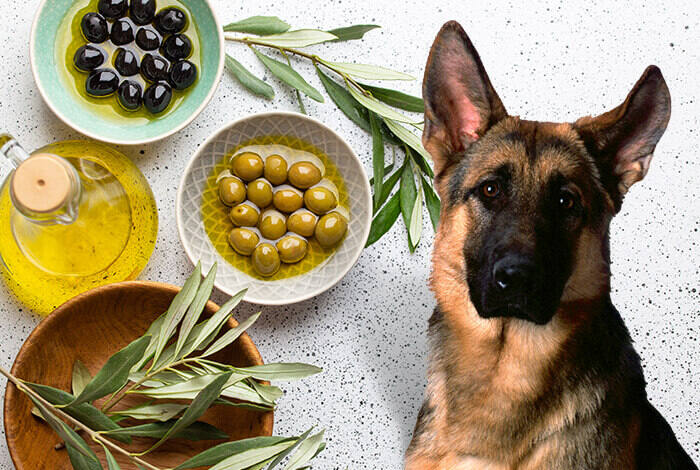
Plain olives are generally safe in small amounts. They are not toxic to dogs. However, they are often high in salt, especially those from jars or cans. Too much salt can cause dehydration or stomach upset.

Portion size matters. A 10-kilogram dog should have one olive, and a larger dog, two or three. Too many olives can cause digestive upset. Dogs may react differently to new foods.

Fresh olives are better than processed ones. Most store-bought olives are preserved in brine, which raises sodium levels. This is risky if given often. Keep treats simple and limited.

Potential Health Benefits of Olives for Dogs

Olives contain healthy fats and some vitamins that may support a dog’s well-being. They offer antioxidants, but these benefits do not replace a balanced diet. Treats should remain secondary. Key takeaway: Olives do have mild health benefits for dogs, but do not replace regular dog food.

Some pet owners seek reliable information from trusted sources about foods like olives when deciding whether to feed them to their dogs.

The fats in olives can support skin and may help improve a dull coat when included occasionally in the diet, though this effect is usually small and gradual.

Olives also contain vitamin E. This vitamin plays a role in maintaining healthy skin and immune function. Even so, the amount in a single olive is not significant. Regular dog food already provides most of the required nutrients.
Are Olives Safe for Dogs

Risks and Concerns When Feeding Olives

There are a few risks before feeding olives to dogs. Olive pits can cause choking or block the digestive system. Always remove pits before serving. This is essential.

Salt content is a main concern. Many olives are preserved in brine, raising their sodium levels. Eating several salty olives may cause increased thirst or stomach upset, and in severe cases, more serious health issues.

Avoid seasoned olives. Garlic, chili, and herbs may upset a dog’s digestion or be toxic. Additives can irritate or harm. Plain olives are safest.

Overfeeding on olives can lead to weight gain from added fat and calories. Moderation helps keep calories controlled. Key takeaway: Limit quantity to avoid weight gain and health issues.

How to Safely Serve Olives to Dogs

Preparation is simple. Always wash olives to remove salt. Cut them into small pieces to make them easy and safe, especially for small dogs.

Offer olives only occasionally, about once every couple of weeks. This limits sodium and fat intake for most dogs.

Here are a few simple tips for serving olives:

– Remove the pit completely before feeding.

– Rinse olives to reduce salt content.

– Cut into small pieces for easier chewing.

– Offer only as an occasional treat.

Watch your dog after feeding. Look for signs of discomfort, such as vomiting or odd behavior. If something is wrong, stop feeding olives. Dogs react differently.

When to Avoid Giving Olives to Dogs

Some dogs should not eat olives. Dogs with kidney or heart problems need low-sodium diets. High salt makes those conditions worse. Use safer treats instead.

Puppies may also be more sensitive. Their digestive systems are still developing, and new foods can cause upset more easily. It is best to stick to. Overweight dogs should avoid high-fat snacks. simple.

Overweight dogs should avoid high-fat snacks. Olives may be small, but their fat adds up if given often without portion control.

Always prioritize your dog’s health. Not every human food is suitable for every pet.

Overall, olives can be a safe treat for dogs when prepared properly and given in small amounts. By paying attention to salt content, removing pits, and limiting frequency, you can prevent most issues. Careful feeding habits help ensure your dog enjoys occasional treats without risking their health or comfort. Key takeaway: For safe enjoyment, serve plain, pitted olives in small amounts only occasionally.
Courage the Cowardly Dog
Apr
The Truth Behind Courage the Cowardly Dog and Its Origins

The animated series Courage the Cowardly Dog fascinates viewers by masterfully blending horror and humor, leading many to wonder whether its unsettling setting and stories are rooted in reality. This curiosity has led to widespread theories about whether the show draws from real-life events, driving ongoing debate over its origins.

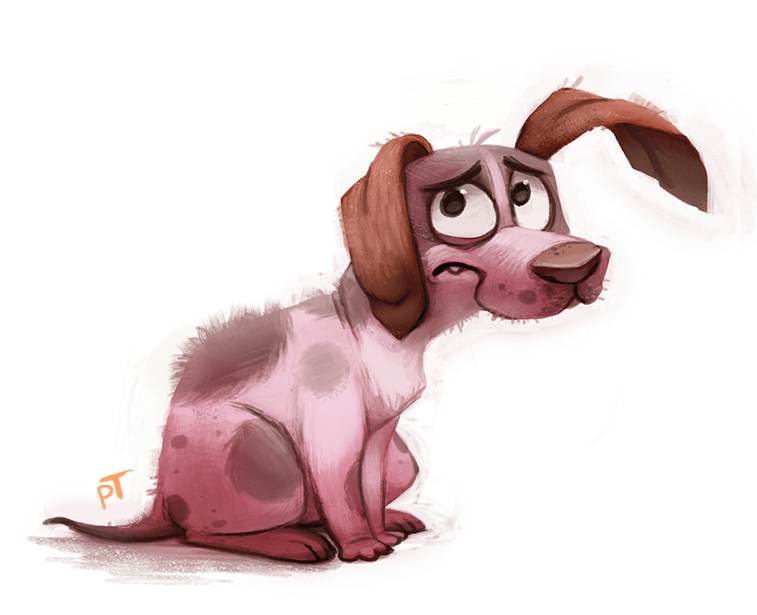
The Creation of Courage, The Cowardly Dog was created by John R. Dilworth. Courage the Cowardly Dog first aired in 1999. It became known for its unique storytelling and dark themes. The show follows a pink dog living in a lonely farmhouse with elderly owners Muriel and Eustace, as strange creatures and events occur. The setting is vital. The town, ‘Nowhere,’ adds isolation and mystery. This was meant to evoke intrigue, not reference a real place. Dilworth built the world through imagination, not real stories.

The show blends different genres. Horror, comedy, and drama come together in an unusual way. One reason people question whether something real inspired it. Still, most of the content comes from creative storytelling rather than actual events.

Popular Theories About Real-Life Inspiration

Over the years, fans have proposed theories about the show’s origin, such as that it was inspired by an abandoned farmhouse or by fears that turned into strange creatures. These ideas spread widely online but remain unconfirmed. Many viewers search for answers through articles and discussions, such as the question, “Is Courage the Cowardly Dog based on a true story?” to explore whether these theories hold any truth.

However, there is no confirmed evidence linking the show to a real story. Most claims are based on speculation rather than facts. The series’s mysterious tone makes it easy for people to imagine deeper meanings. This adds to its lasting appeal.

Some fans connect the show to an urban legend. Others think it symbolically reflects childhood fears. These ideas make the show more interesting, even if they are not proven. Mystery keeps it alive.

The Role of Horror and Imagination

The show uses horror elements in a creative way. It often presents strange creatures, unusual villains, and surreal situations that do not follow normal logic. These elements are designed to entertain and surprise viewers. They are not based on real events.

Visual style plays a key role. The animation sometimes shifts from cartoonish to almost realistic, creating an unsettling effect that stays in the viewer’s mind long after the episode ends. This technique was intentional and part of the creator’s artistic vision.

Fear is a central theme. Courage faces impossible situations but always protects his owners, showing that fear can still lead to bravery. exaggerated scenarios. These moments highlight imagination rather than reality. The goal is to create a strong emotional response. It works well.

Courage the Cowardly Dog

Characters and Their Symbolic Meaning

The characters in the show may represent different aspects of human behavior. Courage himself shows how someone can feel afraid yet still act with bravery. Muriel represents kindness and warmth, while Eustace often reflects negativity or stubbornness. These traits are easy to relate to. Some viewers believe villains symbolize real-life fears—like a monster representing anxiety or uncertainty.

These interpretations, though unconfirmed by the creator, add depth. Character relationships are simple but meaningful. Courage protects Muriel, even when scared. Loyalty is a persistent theme that resonates with all ages. Each episode brings something new, keeping the show engaging and unpredictable. No story is the same, which holds fans’ interest.

Why the Show Feels So Real to Viewers.

People think the show draws on reality partly because of its strong emotions. Feelings of fear, loneliness, and confusion are authentic, creating a bond with the audience despite fictional scenarios.ce.

The isolated setting adds to this effect. Living in a place called Nowhere, with no neighbors or support, makes every strange event feel even more intense. This environment can evoke real fears, even if the story itself is imaginary.

Sound design also contributes to the experience. Unusual music and sudden silence create tension. These elements make scenes feel more realistic and immersive. Small details matter.

Memory plays a role, too. People who watched the show as children may remember it as more frightening than it actually was. This can lead to the belief that it was inspired by something real. Nostalgia shapes perception.

What the Creator Has SaiJohn R. Dilworth has stated that the show came from his own creativity, not real events.ct. The goal was to create something different from typical cartoons. This approach helped the show stand out during its original run from 1999 to 2002. It left a lasting impression. The lack of a confirmed real story encourages ongoing fan theories, keeping the show relevant and mysterious. The show explores unusual ideas. This is why it still feels unique today. Few cartoons have taken a similar approach.

Ultimately, Courage the Cowardly Dog draws its power from the blend of real emotions and creative imagination, not from fact. origins are integral to its enduring appeal.

Wild Rice and Dogs
Apr
Wild Rice and Dogs: What You Need to Know Before Feeding

Dog owners often look for healthy and natural food options to add variety to their pet’s diet. Wild rice is one such option that raises questions about safety and benefits. It looks different from regular rice and has a slightly nutty taste. Understanding whether it is suitable for dogs can help you make better feeding choices.

What Is Wild Rice and How Is It Different?

Wild rice is not actually rice in the traditional sense. It is a type of aquatic grass seed that grows in freshwater areas, mainly in North America. This gives it a unique texture and a higher nutrient content than white rice. It is darker, longer, and takes more time to cook.

Compared to white rice, wild rice contains more fiber and protein. This can support digestion and muscle health in dogs when given in small amounts. A 25-kilogram dog may benefit from half a cup of cooked wild rice mixed into a meal once or twice a week. Still, it should not replace regular dog food.

The cooking time is longer. It usually takes about 40 to 50 minutes to become soft enough for safe consumption. Proper cooking is important to avoid digestive issues. Hard grains can be difficult for dogs to process.

Health Benefits of Wild Rice for Dogs

Wild rice offers several nutrients that may support a dog’s overall health. It contains antioxidants, which help protect the body from damage caused by free radicals. These compounds can support long-term wellness when included in small portions. Balance is key.

Many pet owners search for detailed explanations through resources like ” Is wild rice safe for dogs to understand how this grain can fit into a dog’s diet.

The fiber in wild rice can aid digestion. Dogs with mild digestive issues may benefit from a small amount added to their meals. This can help regulate bowel movements and support gut health. Effects may vary.

Wild rice also provides essential minerals, such as magnesium and phosphorus. These nutrients support bone strength and energy production. Even so, the quantities are small, so wild rice should remain a supplement rather than a main food source.

Wild Rice and Dogs

Potential Risks and Concerns

Wild rice is generally safe, but there are a few risks to consider. If not cooked properly, it can remain hard and difficult to digest. This may lead to stomach discomfort or even choking in smaller dogs. Always cook it thoroughly.

Portion size is important. Too much fiber can cause bloating or gas, especially in dogs that are not used to high-fiber foods. A sudden change in diet can upset the digestive system. Introduce it slowly.

Some dogs may have sensitivities to grains. While rare, a dog can react poorly to wild rice. Signs may include itching, vomiting, or loose stools. Stop feeding if any of these appear.

Seasoning is another concern. Wild rice prepared for humans often includes salt, butter, or spices, which are not suitable for dogs. Plain preparation is the safest approach. Keep it simple.

How to Prepare Wild Rice for Dogs

Preparation is a key step in making wild rice safe for dogs. Start by rinsing the grains under clean water to remove any dirt or debris. This helps ensure the rice is clean before cooking. Clean food matters.

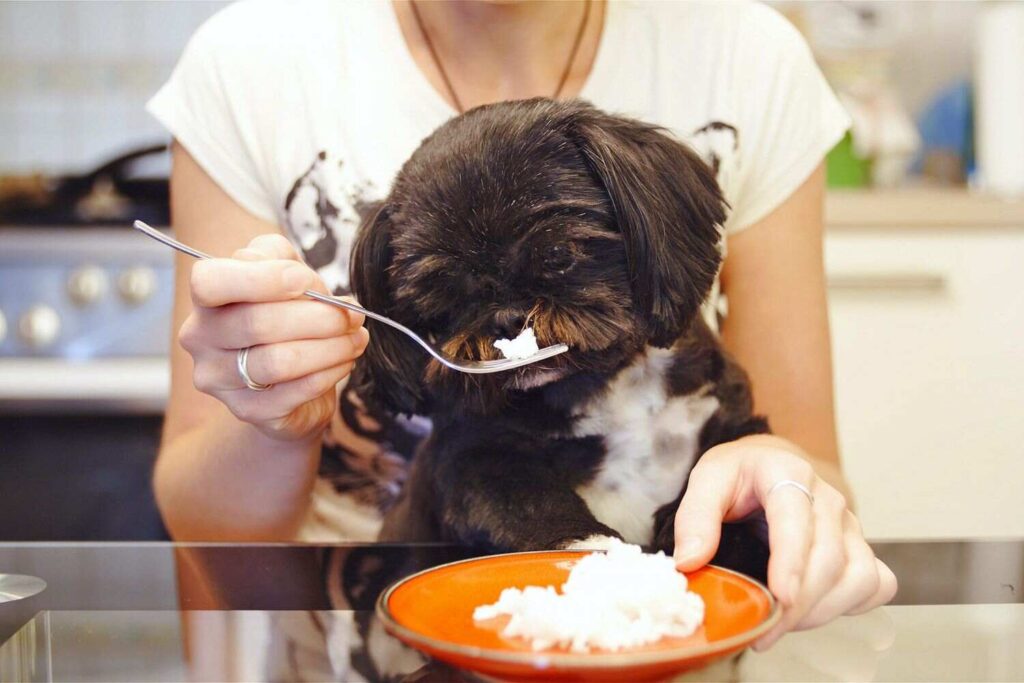
Cook the rice in plain water without adding salt or oil. Allow it to simmer until it becomes soft and easy to chew. This usually takes close to 45 minutes. Patience is needed.

Once cooked, let the rice cool before serving. Hot food can harm your dog’s mouth. Mixing it with regular dog food or boiled chicken can make it more appealing. Small portions work best.

Here are a few simple tips to follow:

– Cook until grains are soft and tender.

– Avoid adding salt or spices.

– Serve in small portions based on size.

– Introduce gradually to monitor reaction.

Consistency helps avoid issues. Feeding the same way each time makes digestion easier for your dog.

How Much Wild Rice Should Dogs Eat?

Wild rice should only make up a small part of your dog’s diet. Around 10 percent of the total meal is a safe guideline. The rest should come from balanced dog food that meets all nutritional needs. Too much can cause imbalance.

A small dog may only need one or two tablespoons. A larger dog, around 30 kilograms, might handle up to half a cup of cooked wild rice mixed with protein. Adjust portions based on activity level and health condition. Each dog is different.

Frequency matters. Feeding wild rice once or twice a week is enough for most dogs. Daily feeding is not necessary and may lead to excess fiber intake. Moderation keeps things safe.

Observe your dog closely. Look for changes in digestion, energy, or behavior after introducing wild rice. This helps you decide if it suits your pet. Careful observation makes a difference.

When to Avoid Feeding Wild Rice

Some dogs may not benefit from wild rice at all. Dogs with grain allergies or sensitive stomachs should avoid it unless advised by a veterinarian. Introducing new foods can sometimes worsen existing issues. Caution is needed.

Dogs with specific medical conditions may require strict diets. High-fiber foods like wild rice might not fit into those plans. Always consider your dog’s health before adding anything new. Health comes first.

Puppies may also struggle with digesting complex grains. Their digestive systems are still developing, so simple and familiar foods are better. Keep meals basic during early growth stages. Simplicity helps.

If your dog shows any unusual symptoms after eating wild rice, stop feeding it immediately. Quick action can prevent bigger problems. Always choose safety over experimentation.

Wild rice can be a healthy addition to a dog’s diet when prepared properly and served in small amounts. Understanding its benefits and risks helps ensure safe feeding. With careful portion control and attention to your dog’s needs, it can be included occasionally without causing harm.

Why Your Dog Snores So Loud at Night
Apr
Understanding Why Your Dog Snores So Loud at Night

Many dog owners are surprised when their quiet pet suddenly becomes a loud snorer. The sound can be soft at first, then grow stronger over time. While some snoring is normal, loud or frequent snoring may raise concern. Knowing the reasons behind it can help you decide what to do next.

Common Reasons Dogs Snore

Snoring usually happens when air cannot move freely through the nose or throat. This blockage causes the tissues to vibrate, producing the sound. Dogs with shorter noses often snore more because their airways are narrower. Breeds like pugs and bulldogs are well known for this.

Sleeping position also plays a role. A dog lying on its back may snore louder because the tongue falls backward. Changing position can sometimes reduce the noise. Small changes can make a big difference.

Weight can be another factor. Dogs that are overweight may have extra tissue around the throat. This can restrict airflow and increase snoring. Even a few extra kilograms can affect breathing.

When Snoring Could Signal a Problem

Not all snoring is harmless. Loud or sudden snoring may point to a health issue. Allergies, infections, or nasal blockages can make breathing harder. These conditions often need attention.

If you want to understand why my dog snores so loudly, many veterinary resources explain when snoring is normal and when it may need medical care. These guides often describe warning signs that should not be ignored. Knowing these signs can help you act quickly.

Watch for other symptoms. Coughing, sneezing, or nasal discharge can suggest an infection. Labored breathing during sleep is another warning sign. These changes should not be overlooked.

Sudden snoring in a dog that never snored before can be serious. It may mean something is blocking the airway. This could include a foreign object or swelling. Quick action may be needed.

Why Your Dog Snores So Loud at Night

Breeds More Likely to Snore

Some dogs are naturally louder sleepers. Brachycephalic breeds, which have short noses, are more prone to snoring. Their facial structure limits airflow. This makes snoring more common.

Examples include bulldogs, pugs, and boxers. These breeds often start snoring at a young age. Their breathing patterns may sound heavy even when awake. This is part of their physical design.

Large dogs can also snore, especially if they gain weight. A dog weighing over 30 kilograms may develop breathing issues if not kept fit. Size alone does not cause snoring, but it can increase airway pressure.

Mixed breeds are not exempt. Any dog can snore depending on its health and habits. Pay attention to changes over time. That is often the key.

Simple Ways to Reduce Snoring

There are a few easy steps you can try at home. Changing your dog’s sleeping position can help reduce snoring. Encourage side sleeping instead of lying on the back. This can open up the airway.

Keeping your dog at a healthy weight is important. Regular exercise and proper feeding can reduce extra fat around the neck. Even a daily 20-minute walk can help. Small efforts add up.

Clean sleeping areas also matter. Dust and allergens in bedding can irritate the nose. Washing your dog’s bed once a week can improve air quality. Fresh air helps too.

Using a humidifier may help in dry environments. Moist air can soothe irritated airways. Some owners notice less snoring after a few nights. Results can vary.

When to Visit the Vet

Some situations require professional help. If your dog struggles to breathe or wakes up gasping, do not ignore it. These signs can indicate serious problems. Immediate care may be needed.

Persistent snoring that gets worse over time should also be checked. A vet may perform tests like X-rays or throat exams. These tests help identify the cause. Early diagnosis improves treatment success.

Dogs with chronic allergies may need medication. This can reduce swelling and improve breathing. In rare cases, surgery might be recommended for severe airway issues. This usually applies to certain breeds.

Trust your judgment. If something feels unusual, seek help. A quick visit can prevent bigger problems later.

Loud snoring in dogs can have simple or serious causes, depending on the situation. Paying attention to changes in sound, behavior, and breathing can help you understand what your dog needs. With the right care and awareness, you can improve your dog’s comfort and enjoy quieter nights together.

Cleaning Your Dog’s Ears: A Safe How-To Guide

Keeping your dog clean goes beyond bathing and brushing. Ear care is just as important, but often overlooked by many owners. Dirty ears can lead to infections and discomfort if ignored. Learning the right way to clean them can help your dog stay healthy and happy.

Why Ear Cleaning Is Important for Dogs

Dogs’ ears can easily trap dirt, wax, and moisture. This is especially true for breeds with floppy ears, where airflow is limited. When debris builds up, it creates a warm space where bacteria can grow. This can lead to infections.

Regular cleaning helps prevent these problems. It also allows you to spot early signs of issues, such as redness or swelling. Catching problems early can save time and stress later. Prevention works better than treatment.

Some dogs need more frequent cleaning. Dogs that swim or spend time outdoors collect more dirt. Cleaning every 1 to 2 weeks works for many, but it depends on your dog.

Step-by-Step Process for Cleaning Dog Ears

Before you start, gather a vet-approved ear cleaner, cotton balls, and a towel. Do not use cotton swabs deep in the ear—they can cause injury.

If you want to learn how to wash a dog’s ears, many veterinary resources explain proper techniques that reduce the risk of damage and keep your dog calm during the process. These guides often suggest gentle handling and patience. Rushing can make your dog anxious.

Start by gently lifting your dog’s ear flap and pouring a few drops of cleaning solution into the ear canal. Avoid overfilling.

Massage the base of the ear for 20-30 seconds to loosen dirt and wax. A squishing sound is normal.

Let your dog shake its head. This helps remove loosened debris. Then use a cotton ball to wipe the outer ear. Never push anything deep inside.

Signs Your Dog’s Ears Need Cleaning

Sometimes, dogs show clear signs when their ears need attention. A strong smell coming from the ears is one of the most common signals. This odor often means bacteria or yeast are present. Do not ignore it.

Scratching is another clue. If your dog scratches or rubs its ears on furniture, it may be uncomfortable. This can cause more irritation. Watch for it.

Redness or swelling inside the ear is a warning. Healthy ears look light pink and clean. Dark discharge or buildup signals a problem needing more than cleaning.

Frequent head shaking signals ear irritation. If this happens often, examine their ears. Act early to avoid bigger issues.

Cleaning Your Dog’s Ears

Common Mistakes to Avoid

Many owners make simple mistakes, such as using human or alcohol-based products, which irritate dogs’ ears. Always choose a dog-specific cleaner.

Cleaning too often is harmful. Over-cleaning removes the natural oils that protect the ear, leading to dryness and irritation. Balance matters.

Here are a few mistakes to avoid:

– Using cotton swabs deep inside the ear canal

– Pouring too much liquid into the ear

– Skipping ear drying after cleaning

– Ignoring signs of infection before cleaning

– Forcing a nervous dog to stay still

Don’t ignore your dog’s behavior. If your dog seems in pain, stop. Forcing cleaning causes stress or injury. Always be gentle.

Tips to Make Ear Cleaning Easier

Choose a calm time, such as after a walk or play, when your dog is relaxed. A tired dog cooperates better, making the process smoother.

Use treats as rewards. Giving treats before and after can make ear care positive and build trust.

Work in a quiet area. Loud noises make dogs anxious. Calm spaces help your dog stay still and let you focus.

Be patient. Some dogs need time to adjust. Rushing causes stress, especially if your dog is nervous or sensitive around its ears.

Regular ear cleaning keeps your dog comfortable and prevents infections. With gentle handling and consistency, the process gets easier. Watching for signs and using safe methods keeps your dog’s ears clean and healthy.

Dog’s Nail Scratches Your Skin
Apr
What to Expect When a Dog’s Nail Scratches Your Skin

Dogs are friendly and playful, but their nails can sometimes cause scratches during normal interaction. These scratches may happen while playing, jumping, or even when a dog is excited to see you. Most of the time, they are minor, yet some cases may need attention. Understanding what happens after a scratch can help you respond quickly and safely.

Common Reactions After a Dog Nail Scratch

A dog nail scratch often leaves a thin red line on the skin. In mild cases, there may be slight bleeding that stops within a few minutes. The area can feel sore or sensitive for a short time. This is normal.

Some people may notice swelling or redness around the scratch. This can happen if the skin reacts to bacteria or dirt from the dog’s nails. A scratch that looks small at first can become irritated later. Keep an eye on it.

Itching is also common. As the skin begins to heal, you may feel an urge to scratch the area. Avoid doing this, as it can delay healing. Clean care helps recovery.

Risk of Infection and Possible Complications

Many health resources explain what happens if a dog’s nail scratches you and highlight the risk of infection if the wound is not treated properly. These sources often mention that bacteria from a dog’s nails can enter the skin. Even a small break in the skin can allow germs to spread.

Signs of infection include spreading redness, warmth around the area, and pus. Fever may develop in rare cases. These symptoms can appear within 24 to 72 hours after the scratch. Early care reduces the risk.

Some scratches may lead to deeper skin issues if left untreated. This is more likely if the scratch is deep or if your immune system is weak. Children and older adults may need extra care. Do not ignore warning signs.

Dog’s Nail Scratches Your Skin

How to Treat a Dog Nail Scratch at Home

First, wash the area with clean water and mild soap. This helps remove dirt and bacteria from the skin. Pat the area dry with a clean towel. Avoid rubbing.

Apply an antiseptic solution to prevent infection. You can use products like iodine or alcohol-based cleaners. A small amount is enough. Cover the scratch with a bandage if needed.

Keep the area clean over the next few days. Change the bandage daily if you are using one. Watch for changes in color or swelling. Healing usually takes 3 to 7 days.

Here are a few simple steps to follow:

  • Wash the scratch immediately with soap and water.
  • Use an antiseptic to properly clean the wound.
  • Cover with a clean bandage if necessary.
  • Check daily for signs of infection.

When to Seek Medical Attention

Some scratches require more than basic care. If the wound is deep or continues to bleed after 10 minutes, you should seek medical help. Deep scratches can damage tissue below the skin. Quick action matters.

If you notice signs of infection, visit a doctor as soon as possible. Red streaks, swelling, or worsening pain are warning signs that should not be ignored, especially if they appear suddenly and worsen rapidly. Medical treatment may include antibiotics.

Tetanus is another concern. If you have not had a tetanus shot in the last 5 to 10 years, a doctor may recommend one. This is a precaution to prevent serious infection. Stay updated on vaccinations.

How to Prevent Dog Nail Scratches

Regular nail trimming can reduce the risk of scratches. Dogs with shorter nails are less likely to cause injury during play. Trimming once every 3 to 4 weeks works for most dogs. Some may need it more often.

Training your dog also helps. Teaching them not to jump on people can prevent accidental scratches. Calm behavior reduces risk. Consistency is key.

You can also wear protective clothing when handling energetic dogs. Long sleeves or thicker fabrics provide a barrier against sharp nails. This is useful during training or grooming sessions. Small steps make a difference.

Dog nail scratches are usually minor, yet they still need proper care to avoid complications. Quick cleaning, regular monitoring, and simple precautions can help keep you safe. Paying attention to your dog’s grooming and behavior reduces the risk of future scratches and makes interactions more enjoyable.

Do Strawberries Help Keep Your Dog’s Teeth Healthy
Apr
Do Strawberries Help Keep Your Dog’s Teeth Healthy?

Many dog owners are curious about whether fruits can help keep their pets’ teeth clean. Strawberries are a delightful favorite—they’re sweet, soft, and simple to share with your furry friend.

You might have heard that these berries are good for cleaning teeth, but there’s a bit more to the story. Getting to know how strawberries actually affect your dog’s mouth can help you make thoughtful feeding choices.

Nutritional Value of Strawberries for Dogs

Strawberries offer plenty of goodness for dogs. They contain vitamin C, fiber, and natural antioxidants that support overall health. These nutrients can help boost your dog’s immune system and aid digestion when offered in small amounts. A medium-sized strawberry is light on calories, making it a cheerful treat compared to processed snacks. Most dogs enjoy the sweet taste, and their excitement is often contagious.

There’s something extra-special in strawberries: a compound called malic acid. Some people say it gives teeth a gentle whitening boost. While this effect isn’t as dramatic as professional pet dental products, including strawberries as part of a balanced diet may offer a small, sweet benefit.

Fresh fruit brings the most benefits. Frozen strawberries are also a fun option—especially when the weather is warm—just make sure they’re plain, with no sugar or syrup added. Steer clear of canned strawberries, as they are too sugary for dogs. And remember to give them a good rinse before sharing with your pet!

How Strawberries Affect Dental Health

Some pet owners look for natural ways to support their dog’s oral hygiene, and one helpful resource explains, with veterinary guidance, whether strawberries are good for dogs’ teeth. While strawberries contain malic acid that may help reduce surface stains, they do not replace brushing or professional dental care. The texture of strawberries is soft, so they do not scrub plaque as well as crunchy treats might. This means their cleaning ability is limited.

Dogs need more than soft foods for a healthy mouth. Chewing is important for cleaning teeth and keeping gums strong. Since strawberries are tender, they don’t give that satisfying crunch or plaque-removing action. Their helpfulness is gentle and adds a little variety to your dog’s routine.

Sugar is another factor to consider. Strawberries contain natural sugars that can still contribute to tooth decay if consumed in large amounts over time. Even healthy treats should be limited. Moderation is key.

Do Strawberries Help Keep Your Dog’s Teeth Healthy

Safe Ways to Feed Strawberries to Dogs

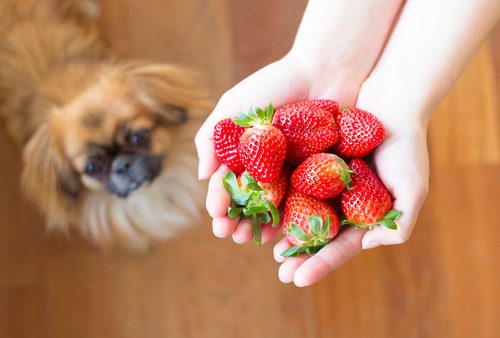
Feeding strawberries the right way is important for safety. Start with small portions, such as one or two berries for a medium-sized dog weighing around 15 kilograms. Cut them into smaller pieces to prevent choking, especially for smaller breeds. Always remove the stems and leaves before serving.

Introduce strawberries slowly. Some dogs may have sensitive stomachs and could react to new foods. Watch for signs like diarrhea or vomiting after the first feeding. If any issues appear, stop giving the fruit and consult a veterinarian.

It helps to use strawberries as an occasional treat rather than a daily habit. A few times per week is enough. Mixing them with regular meals is not necessary and may reduce the dog’s interest in balanced dog food. Keep things simple.

Comparing Strawberries with Other Dental-Friendly Foods

Not all fruits affect dental health in the same way. Apples, for example, have a firmer texture and may help scrape away plaque during chewing. Carrots are another option, offering a crunchy bite that supports gum health. Compared to these, strawberries are softer and less effective in cleaning teeth.

Dental chews designed for dogs are often more effective for oral hygiene than fruits. These products are shaped and textured to clean between teeth and along the gum line. They are also tested for safety and effectiveness. Fruits cannot match that level of targeted care.

Still, strawberries have their place. They provide variety and can be a healthier alternative to sugary biscuits. Just do not rely on them for dental care alone. Dogs need a balanced diet and proper oral hygiene practices.

When Strawberries Might Not Be a Good Choice

Some dogs should avoid strawberries altogether. Pets with diabetes need careful control of sugar intake, even from natural sources. The sugar in strawberries, though not high, can still affect blood glucose levels. Always check with a vet before offering new foods to dogs with health conditions.

Allergies are rare but possible. A dog might show itching, swelling, or digestive upset after eating strawberries. If you notice any unusual signs, stop feeding them immediately. Better safe than sorry.

Puppies also need special care. Their digestive systems are still developing, and introducing fruits too early may cause discomfort. Wait until they are older and already used to solid foods before offering small fruit treats. Keep portions very small at first.

Strawberries can be a fun and refreshing treat for dogs when given correctly, but they should never replace proper dental care or a balanced diet. Paying attention to portion size, your dog’s health, and regular oral hygiene routines will ensure your pet stays happy and healthy over time.

Is Blue Buffalo a Healthy Choice for Your Dog
Apr
Is Blue Buffalo a Healthy Choice for Your Dog?

Choosing the right dog food can feel confusing with so many brands on the market. Blue Buffalo is one of the most popular names that many pet owners consider. It claims to use natural ingredients and avoid fillers. Still, it is important to look closely at what it offers before deciding if it is right for your dog.

What Makes Blue Buffalo Different

Blue Buffalo promotes itself as a premium dog food brand. It focuses on real meat as the first ingredient in many of its recipes. This can include chicken, lamb, or fish, depending on the formula. Protein is a key part of a dog’s diet.

Another feature is the use of the brand’s “LifeSource Bits.” These are small pieces added to the food that contain vitamins, minerals, and antioxidants. They are designed to support immune health. This idea attracts many buyers.

The brand also avoids certain ingredients, such as corn, wheat, and soy, across many of its lines. Some dogs have sensitivities to these items. Removing them may help reduce digestive issues in certain cases. Not all dogs need this, though.

Blue Buffalo provides several product lines, including those for puppies, adults, and seniors. There are also options for weight management and sensitive stomachs. Product diversity is a notable strength.

Ingredients and Nutritional Value

Understanding ingredients helps you properly judge any dog food. Blue Buffalo often includes real meat, whole grains, and vegetables like peas or sweet potatoes. These provide energy and nutrients. Balanced nutrition matters.

If you want a detailed breakdown of ingredients and benefits, this Blue Buffalo Good for Dogs guide explains what goes into the food and how it supports different health needs.

Many Blue Buffalo recipes contain protein levels between 20% and 30%, promoting muscle development and vitality. Fat content is moderate at roughly 10% to 15%. These amounts are appropriate for most dogs.

Adequate fiber supports digestion. Ingredients such as brown rice and oats may support gut health. Dogs with sensitive stomachs could respond positively. Each dog reacts uniquely.

Some recipes include omega-3 and omega-6 fatty acids, which promote skin and coat health. Vibrant fur is often noticeable. Nutrition reflects outwardly.

Is Blue Buffalo a Healthy Choice for Your Dog

Pros and Benefits of Blue Buffalo

Many dog owners choose Blue Buffalo for its high-quality ingredients. Prioritizing real meat and natural elements appeals to those seeking minimal artificial additives. This may enhance digestion for some dogs. Individual results differ.

The wide range of formulas is another advantage. You can find options for specific needs, such as allergies or weight control. This makes it easier to match the food to your dog’s condition. Choice is helpful.

Some dogs experience visible improvements after changing to this brand, such as increased energy, healthier skin, and improved stool quality. These changes can appear within 2 to 4 weeks. Owners often observe results promptly.

Here are a few common benefits:

– Real meat is the main ingredient in many recipes.

– No artificial preservatives in most formulas.

– Options for different life stages and sizes.

– Added vitamins and antioxidants.

– Grain-free choices for sensitive dogs.

Ingredient quality is crucial. Formulation drives results.

Possible Concerns and Drawbacks

Despite its popularity, Blue Buffalo is not flawless. Some dogs do not tolerate specific recipes. Digestive upset, including loose stool, may occur in some cases. This varies for each dog.

The price is higher than that of many standard dog food brands. A 15-pound bag can cost significantly more than basic options. This may not fit every budget. Cost matters for long-term use.

There have been earlier issues regarding certain ingredients and product recalls. While the company has resolved many concerns, some pet owners remain wary. Research enables informed choices.

Grain-free diets have prompted scrutiny recently. Some studies indicate a potential connection between grain-free diets and canine heart issues. Research continues. Consult your vet if unsure.

No single food fits all dogs. Each dog has unique needs.

How to Decide if It Is Right for Your Dog

Your choice should reflect your dog’s age, breed, size, and health status. Puppies require different nutrients than senior dogs. Blue Buffalo supplies options for all stages. Proper formula selection is essential.

Monitor your dog’s response after transitioning to a new food. Track shifts in activity level, coat appearance, and digestion. Positive effects are often noticeable within weeks. Small cues are telling.

Consulting a veterinarian can help guide your decision. They can suggest the best diet based on your dog’s medical history and lifestyle. Professional advice is valuable.

Introduce new food gradually. Mix small amounts of the new food with the old over 7 to 10 days. This approach minimizes stomach upset. Gradual transitions are more successful.

Every dog is different. What works for one may not work for another.

Comparing Blue Buffalo with Other Brands Blue Buffalo sits among a pack of premium brands, some featuring more raw ingredients or higher protein blends. Each approaches canine nutrition differently, so comparing options is like shopping for your dog’s perfect fit.

In terms of ingredient quality, Blue Buffalo frequently scores well. It avoids many fillers prevalent in lower-cost foods. This can benefit dogs with sensitivities. Superior quality comes at a premium.

Some competitors offer comparable benefits at lower prices. Others provide higher protein for more active dogs. Selection depends on your dog’s lifestyle. Dietary needs differ.

Carefully review food labels. Examine protein sources, fat ratios, and added nutrients. These details reveal true product value. Do not rely solely on marketing. Testing different options may be necessary to find the right fit. Take time.

Blue Buffalo suits many dogs due to its natural ingredients and diverse formulas. However, it may not meet every dog’s needs. Careful evaluation is necessary after switching. Choosing the best food requires balancing quality, needs, and observation.

Finding Your Dog's Microchip
Apr
Step-by-Step Guide to Finding Your Dog’s Microchip

Many dog owners want their pets properly identified if they get lost. A microchip is one of the most reliable ways to do this because it stays with the dog for life. Knowing how to check for a chip provides peace of mind and improves recovery chances.

What a Microchip Is and How It Works

A microchip is a small electronic device, about the size of a grain of rice. It is placed under the dog’s skin, usually between the shoulder blades. The procedure is quick and similar to a routine injection. Most dogs feel little to no discomfort.

The chip has no battery and is activated by a scanner that reads its unique identification number, which is linked to the owner’s contact details in a database.

Microchips do not track location or act as GPS devices. Their purpose is identification when a lost dog is scanned—a common misunderstanding.

Once implanted, the chip can last for the dog’s entire life. It rarely moves far from the original position. Regular checks ensure it continues to work properly.

Ways to Check If a Dog Has a Microchip

The most reliable way to check for a microchip is by using a scanner. Vets and animal shelters have these devices. They can scan the dog’s neck and shoulder area in a few seconds. This process is safe and painless.

If you want more detailed steps and guidance, this resource on how to see if a dog is chipped explains different methods owners can use and what to expect during the scanning process.

Some pet stores and rescue centers offer free scanning services. This helps identify stray dogs and quickly reunite them with owners.

You can also check your dog’s medical records. If the dog was chipped by a breeder or previous owner, the details may be listed there. This is often the first place to look.

Look for signs that may indicate microchipping. Some dogs may have a small scar between the shoulder blades from the implantation, while others might have a slight, hard bump under the skin. However, these signs are not always visible.

Physical Signs That Might Indicate a Chip

It is not always possible to feel a microchip under the skin. The chip is very small and sits beneath the surface. In some cases, you might notice a slight bump. This depends on the dog’s size and coat.

Some dogs may have a small scar where the chip was inserted, usually between the shoulder blades. The scar often fades and is not a reliable indicator on its own.

Gently touching the area may reveal a tiny lump. However, this is not guaranteed. Many chips cannot be felt at all, especially in larger dogs. Scanning is still the best method.

Visual checks alone are not enough. A dog may be chipped even without visible signs. Always confirm with a scanner.

Do not rely on guessing.

Finding Your Dog's Microchip

What to Do If a Chip Is Found

If a microchip is detected, the next step is to read the identification number. This number is entered into a database to find the owner’s contact information. This process is usually quick. Results can appear within minutes.

Contact the registered owner as soon as possible. If the information is up to date, you can return the dog safely. This is the main benefit of microchipping. It works well when records are up to date.

If contact details are outdated, the database provider or vet may try other methods to locate the owner. This can take time and requires patience.

If you adopt a dog with a chip, update the information immediately. Ownership details must match the current owner. This ensures the chip works properly in the future.

Always keep your records updated.

What If the Dog Is Not Chipped

If no microchip is found, you may consider getting one for your dog. The process is simple and usually takes less than 10 minutes at a vet clinic. It is a one-time procedure. Costs can vary depending on locatUse collars with ID tags, in addition to microchips, for extra protection.dies show that chipped dogs are returned to their owners more often than unchipped dogs. This makes it a valuable step. Safety improves.

Use collars with ID tags alongside microchips for extra protection. Multiple forms of identification provide increased safety.

Register the chip right away after implantation. Without registration, the chip cannot link to your details. This step is essential.

Check the chip yearly.

Tips to Ensure the Microchip Works Properly

Even though microchips are reliable, they should be checked occasionally. A vet can scan the chip during routine visits to confirm it is working. This takes only a few seconds. It adds extra assurance.

Keep your contact information up to date in the database. If you move or change phone numbers, update the records immediately. Outdated details reduce the chip’s effectiveness. Accuracy matters.

Use a consistent database provider if possible. Some chips are registered in specific systems. Knowing where your dog’s chip is listed helps in emergencies. Stay organized.

Store the chip number in a safe place. Write it down or save it digitally. This makes it easier to access when needed. Small steps help a lot.

Regular checks are important.

By reviewing these steps and tips, responsible pet owners can ensure their dogs remain properly identified and protected. A working microchip can make all the difference in bringing a lost dog back home safely.

Bichon Frise Dog
Apr
How Much Is a Bichon Frise Dog? A Complete Guide

What I’ve Seen as a Small-Breed Breeder and Groomer

After more than a decade working with small companion breeds—breeding at times, grooming often, and guiding newcomers—I’ve learned the Bichon Frise captivates at first sight. With their cloud-like looks and soft nature, they charm everyone. But when it comes to their true cost—both upfront and ongoing—most people’s expectations clash with reality.

The Purchase Price: What You’ll Actually Pay

In my experience, most people expect a neat, fixed number. That’s not how it works.

A well-bred Bichon Frise puppy typically costs anywhere from the equivalent of several hundred to a few thousand US dollars, depending on where you’re buying and what you’re getting. Locally here in Pakistan, I’ve seen puppies go for much less—but there’s usually a reason.

I remember a client who bought a “cheap” Bichon from a roadside seller. The dog looked fine at first glance, fluffy and playful. Within a few weeks, though, the coat texture changed, and by six months, it was clear the dog wasn’t a purebred. That situation comes up more often than people realize.

Reputable breeders charge more because:

  • They test for genetic issues.
  • They raise puppies in controlled environments.
  • They invest in proper nutrition and early socialization.

That extra upfront cost often saves you from headaches later.

Imported vs Local Dogs: A Real Price Gap

One thing I’ve learned over the years is that price jumps significantly when people insist on imported bloodlines.

A customer brought in a Bichon from Eastern Europe last spring. By the time the dog arrived—after paperwork, shipping, and vaccinations—the cost had multiplied several times over what a local puppy would have been.

Was the dog beautiful? Absolutely. But I’ve seen equally healthy, well-tempered dogs from smaller, ethical breeders locally at a fraction of the cost.

If you’re not planning to show the dog, paying a premium for import status often doesn’t add much practical value.

Bichon Frise Dog

The Hidden Costs Most People Ignore

The purchase price is just the beginning. Honestly, this is where most first-time owners get caught off guard.

The Bichon Frise is a high-maintenance breed in ways people don’t expect.

Take grooming, for example. I’ve had regular clients who bring their Bichons every 4–6 weeks without fail. If you skip that schedule, the coat mats quickly, and removing those mats isn’t pleasant for the dog—or cheap for the owner.

One case I remember clearly: a family delayed grooming for a couple of months to save money. By the time they came in, the coat was so tangled we had no option but to shave it down completely. They were upset, but there really wasn’t another humane option.

Beyond grooming, you’re looking at:

  • Regular vet visits
  • Quality food (this breed can be sensitive)
  • Dental care (small breeds are prone to issues)

Over time, these costs easily outweigh the initial purchase price.

Are Cheaper Bichons Worth It?

I’ll be direct here: usually not.

Low-priced Bichon Frise puppies often come from backyard breeders or accidental litters. That doesn’t automatically mean the dog will have problems, but the risk is higher.

I’ve seen dogs with:

  • Chronic skin allergies
  • Poor coat quality
  • Behavioral issues from a lack of early socialization

Fixing those problems later can cost far more than buying a properly bred puppy in the first place.

What I Recommend to Most Buyers

If someone asks me how much they should budget, I don’t give them a single number. I tell them to think in terms of overall investment.

Spend more upfront on a healthy, well-raised puppy. Then be realistic about ongoing care—especially grooming.

If your budget is tight, I often suggest considering adoption instead. I’ve met a few rescued Bichons over the years that turned out to be fantastic companions. You may not get the “perfect” puppy experience, but you can end up with a wonderful dog.

Final Thoughts from Experience

The true cost of a Bichon Frise isn’t just upfront; it’s the long-term investment of care and commitment you make after the purchase.

From what I’ve seen, people who focus only on getting the cheapest puppy usually end up spending more—in money, time, and stress. The ones who take their time, ask questions, and invest wisely tend to enjoy the breed the way it’s meant to be enjoyed: cheerful, affectionate, and surprisingly full of personality.