The Truth Behind Courage the Cowardly Dog and Its Origins
The animated series Courage the Cowardly Dog fascinates viewers by masterfully blending horror and humor, leading many to wonder whether its unsettling setting and stories are rooted in reality. This curiosity has led to widespread theories about whether the show draws from real-life events, driving ongoing debate over its origins.
The Creation of Courage, The Cowardly Dog was created by John R. Dilworth. Courage the Cowardly Dog first aired in 1999. It became known for its unique storytelling and dark themes. The show follows a pink dog living in a lonely farmhouse with elderly owners Muriel and Eustace, as strange creatures and events occur. The setting is vital. The town, ‘Nowhere,’ adds isolation and mystery. This was meant to evoke intrigue, not reference a real place. Dilworth built the world through imagination, not real stories.
The show blends different genres. Horror, comedy, and drama come together in an unusual way. One reason people question whether something real inspired it. Still, most of the content comes from creative storytelling rather than actual events.
Popular Theories About Real-Life Inspiration
Over the years, fans have proposed theories about the show’s origin, such as that it was inspired by an abandoned farmhouse or by fears that turned into strange creatures. These ideas spread widely online but remain unconfirmed. Many viewers search for answers through articles and discussions, such as the question, “Is Courage the Cowardly Dog based on a true story?” to explore whether these theories hold any truth.
However, there is no confirmed evidence linking the show to a real story. Most claims are based on speculation rather than facts. The series’s mysterious tone makes it easy for people to imagine deeper meanings. This adds to its lasting appeal.
Some fans connect the show to an urban legend. Others think it symbolically reflects childhood fears. These ideas make the show more interesting, even if they are not proven. Mystery keeps it alive.
The Role of Horror and Imagination
The show uses horror elements in a creative way. It often presents strange creatures, unusual villains, and surreal situations that do not follow normal logic. These elements are designed to entertain and surprise viewers. They are not based on real events.
Visual style plays a key role. The animation sometimes shifts from cartoonish to almost realistic, creating an unsettling effect that stays in the viewer’s mind long after the episode ends. This technique was intentional and part of the creator’s artistic vision.
Fear is a central theme. Courage faces impossible situations but always protects his owners, showing that fear can still lead to bravery. exaggerated scenarios. These moments highlight imagination rather than reality. The goal is to create a strong emotional response. It works well.
Characters and Their Symbolic Meaning
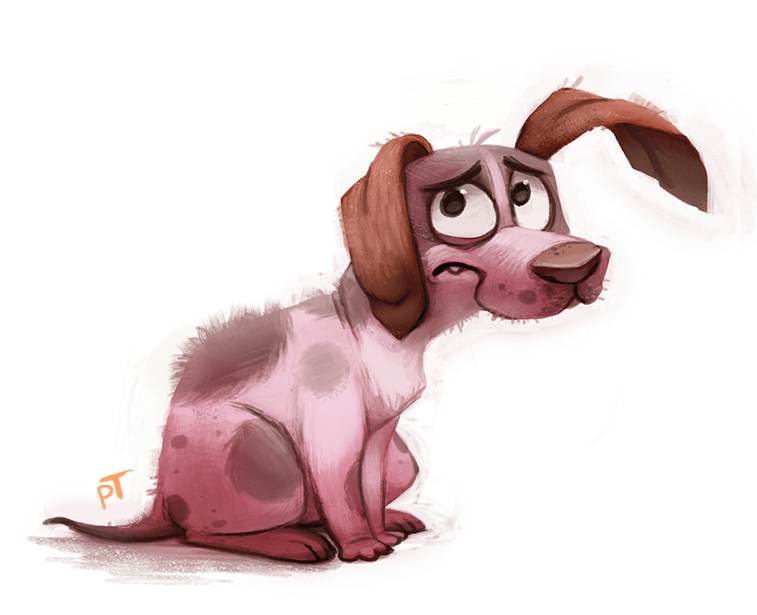
The characters in the show may represent different aspects of human behavior. Courage himself shows how someone can feel afraid yet still act with bravery. Muriel represents kindness and warmth, while Eustace often reflects negativity or stubbornness. These traits are easy to relate to. Some viewers believe villains symbolize real-life fears—like a monster representing anxiety or uncertainty.
These interpretations, though unconfirmed by the creator, add depth. Character relationships are simple but meaningful. Courage protects Muriel, even when scared. Loyalty is a persistent theme that resonates with all ages. Each episode brings something new, keeping the show engaging and unpredictable. No story is the same, which holds fans’ interest.
Why the Show Feels So Real to Viewers.
People think the show draws on reality partly because of its strong emotions. Feelings of fear, loneliness, and confusion are authentic, creating a bond with the audience despite fictional scenarios.ce.
The isolated setting adds to this effect. Living in a place called Nowhere, with no neighbors or support, makes every strange event feel even more intense. This environment can evoke real fears, even if the story itself is imaginary.
Sound design also contributes to the experience. Unusual music and sudden silence create tension. These elements make scenes feel more realistic and immersive. Small details matter.
Memory plays a role, too. People who watched the show as children may remember it as more frightening than it actually was. This can lead to the belief that it was inspired by something real. Nostalgia shapes perception.
What the Creator Has SaiJohn R. Dilworth has stated that the show came from his own creativity, not real events.ct. The goal was to create something different from typical cartoons. This approach helped the show stand out during its original run from 1999 to 2002. It left a lasting impression. The lack of a confirmed real story encourages ongoing fan theories, keeping the show relevant and mysterious. The show explores unusual ideas. This is why it still feels unique today. Few cartoons have taken a similar approach.
Ultimately, Courage the Cowardly Dog draws its power from the blend of real emotions and creative imagination, not from fact. origins are integral to its enduring appeal.