Can Cats Safely Eat Butter
Mar
Can Cats Safely Eat Butter? A Complete Guide

As a licensed veterinarian practicing in Texas, I’ve had countless cat owners ask me whether it’s safe to share their buttered toast or baked goods with their feline friends. In my experience, cats are curious creatures—they often find the smell of butter irresistible. However, just because they can sniff it out doesn’t mean it’s a safe or healthy treat.

Why Cats Are Drawn to Butter

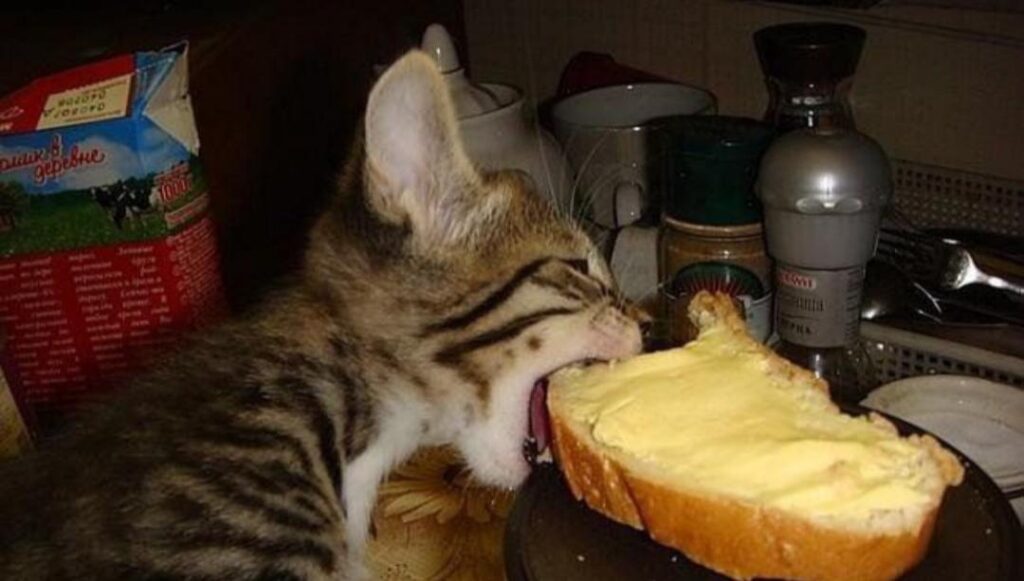
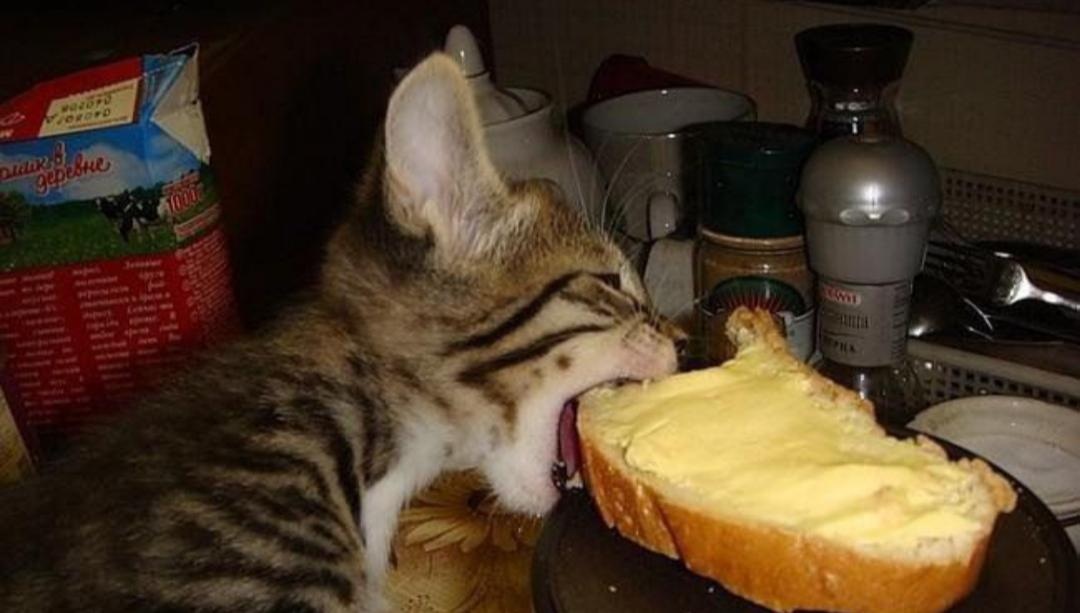
Cats are obligate carnivores, which means their diets are designed around animal protein, not dairy or fats from other sources. That said, many cats develop a fascination with butter. I remember one case last spring when a customer brought in her two-year-old Maine Coon, which had gotten into a half-stick of butter left on the kitchen counter. The cat was physically unscathed, but the owners were concerned about potential digestive issues. Butter’s aroma and creamy texture can trigger a strong response in cats, but the very same qualities that make it appealing can also make it risky.

In my clinic, I’ve noticed this pattern repeatedly: cats will paw at a container of butter, lick crumbs off the floor, or even attempt to nibble directly from a stick. While it may seem harmless, there are hidden concerns beneath the surface.

The Digestive Risks of Butter

Butter is high in fat and contains lactose—a sugar found in dairy products. Many adult cats are lactose intolerant to varying degrees. I once treated a domestic shorthair named Whiskers who, after sneaking a taste of butter from a breakfast plate, developed severe diarrhea and vomiting.

It was a stressful day for both the owners and the cat, and the episode required a visit to the clinic for rehydration and monitoring. Cases like Whiskers’ are not uncommon. Even a small lick can upset a sensitive digestive system, leading to discomfort, dehydration, and, in rare cases, pancreatitis if high-fat foods are consumed frequently.

From my professional perspective, the risk is not just in the lactose. Butter is calorie-dense and offers no nutritional benefit to cats. Repeated exposure to high-fat human foods can contribute to obesity, which I see all too often in indoor cats. Obesity leads to additional complications like diabetes, arthritis, and heart strain—problems that could have been prevented with simple dietary caution.
Can Cats Safely Eat Butter

Occasional Butter vs. Regular Exposure

I often get asked whether a tiny bit of butter now and then is acceptable. In controlled situations, a lick or a crumb generally doesn’t cause long-term harm. I recall a scenario last summer where a client offered their older Siamese a dab of butter on toast as a treat during a special breakfast. The cat licked it, showed no signs of digestive upset, and that was the end of it. It’s worth emphasizing, though, that this works only in moderation. Cats’ systems are delicate, and there is no health benefit to them from butter—its only value is sensory pleasure, which is fleeting.

As a rule, I advise cat owners to avoid making butter a regular treat. If a cat develops a taste for it, it becomes a slippery slope: they might start demanding it, which can lead to sneaky counter-surfing and stress for both the pet and owner.

Safer Alternatives to Butter

For pet owners who want to give their cats a treat, there are many safer options. Protein-rich snacks designed for cats, freeze-dried meat treats, or even a small dab of plain yogurt for cats that tolerate lactose can be enjoyable without the associated digestive risks. I once suggested to a client struggling with her cat’s butter obsession to switch to a small amount of cooked chicken as a special treat. The cat loved it, and the owner reported no digestive issues afterward.

Offering an alternative treat also helps reinforce healthy habits. Cats are intelligent, and positive reinforcement works remarkably well. In my practice, I’ve seen cats transition from begging for human food to eagerly awaiting a healthy cat treat, simply because it’s associated with attention and praise.

Bottom Line

Can cats eat butter? Technically, yes, a tiny amount is unlikely to cause serious harm. Practically speaking, I rarely recommend it. The risks—digestive upset, weight gain, and development of bad habits—far outweigh the occasional lick of butter. Cats thrive on a diet tailored to their nutritional needs, and human foods like butter are not part of that equation. In my experience, steering clear of butter and focusing on high-quality feline treats leads to happier, healthier cats and fewer emergency trips to the clinic.
Caring for Abyssinian Cat
Mar
Guide to Caring for Abyssinian Cat Color Variations

As a licensed veterinarian practicing in Texas for over a decade, I’ve had the pleasure of caring for countless Abyssinian cats, and one aspect of their coat colors that consistently fascinates me is the range of colors they exhibit.

Unlike some breeds where colors are straightforward, Abyssinians are celebrated for their vibrant, ticked coats, which can vary subtly but dramatically between individuals. Observing these variations up close deepens appreciation for the breed’s unique genetics and personality expression.

The Basics of Abyssinian Coat Patterns

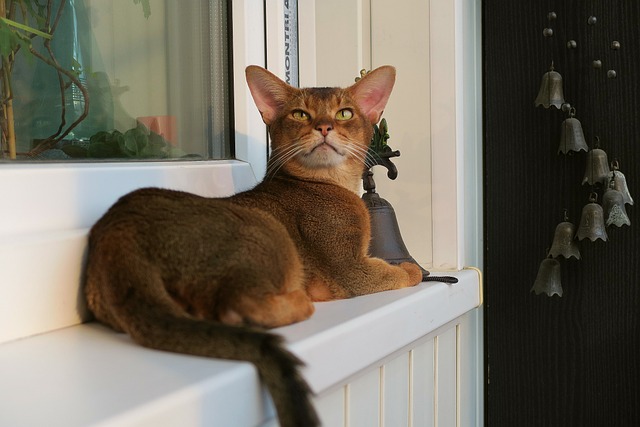
Abyssinians are known for their “ticked” tabby coat. Each hair strand has bands of color, giving the coat a shimmering, almost iridescent look. When I first examined a litter of Abyssinians several years ago, I noticed that the ticking was not just a pattern—it seemed to give the fur itself a sense of movement. Some cats appeared darker from a distance but revealed intricate golden or reddish bands under closer inspection.

The most commonly recognized Abyssinian colors are ruddy, sorrel, blue, and fawn. Ruddy, sometimes called “usual,” is a warm, coppery brown with black ticking. Sorrel, with its softer, reddish hue, has chocolatey undertones that warm the overall appearance. Blue Abyssinians are more muted, with silvery slate tones, while fawn cats display a delicate, creamy beige with subtle ticking. In my experience, customers often overlook fawn as an option, yet it can produce an almost ethereal, soft appearance that stands out in a litter.

Personal Observations and Color Variations

I recall a customer last spring who brought in a young Abyssinian showing an unusual combination of ruddy and fawn tones. The subtle gradient between the two colors made the kitten almost appear to change color in different lighting—a trait I’ve seen occasionally but never in such a striking way. Situations like this highlight how the same genetic background can express itself so differently across lineages and under different environmental conditions.

Owners often confuse shades, expecting each Abyssinian to fit a category. I once reassured a breeder who was worried that her sorrel kitten wasn’t “true” to standard. Minor variations in banding or hue are normal and don’t affect quality. This advice usually eases anxiety and fosters appreciation for subtle beauty.

Caring for Abyssinian Cat

Genetics Behind the Colors

Abyssinian coat colors are determined by multiple genes influencing pigment production and distribution. The ticked pattern itself is controlled by the agouti gene, which regulates the alternating dark and light bands along each hair. While I don’t recommend breeders experiment carelessly, understanding these genetic influences helps owners anticipate potential color outcomes in kittens.

For example, blue and fawn are often the result of dilution genes, which soften the overall coat appearance. In one memorable case, a customer was surprised when a kitten that appeared ruddy at birth gradually shifted to a more muted blue by six months—a transformation that genetic dilution can explain.

Common Mistakes and Misconceptions

A frequent misconception is that an Abyssinian’s color predicts temperament. Though ruddy cats may look fiery, and blue cats reserved, personality depends far more on upbringing. I’ve seen playful fawn cats and calm ruddies, proving color doesn’t determine behavior.

Another mistake I often see is neglecting proper grooming for certain shades. Darker coats may reveal fewer skin blemishes, while lighter fawns or blues can show dust and debris more readily. I advise owners to maintain consistent brushing routines, which not only keep the coat clean but also encourage bonding and help spot any health concerns early.

Practical Advice for Choosing by Color

When clients ask me about selecting an Abyssinian kitten based on color, I focus on overall health, temperament, and social behavior rather than just the coat. That said, if color is a priority, observing the kitten under natural light is essential, as artificial lighting can distort hues. I’ve also found that colors can deepen or lighten as kittens mature, so patience is key.

In summary, while Abyssinian coats showcase an impressive range of hues, the essence of owning one lies beyond color. My years in practice have shown that understanding and appreciating subtle color differences only enhances the experience if health and personality come first. Let a cat’s beauty spark interest, but let well-being and temperament guide your choice—that’s the heart of rewarding Abyssinian ownership.

Can Cats Safely Eat Prosciutto
Mar
Can Cats Safely Eat Prosciutto? A Complete Guide

As a licensed veterinarian practicing in Texas for over a decade, I’ve seen many pet owners experiment with human foods in their cats’ diet. One question that comes up surprisingly often is whether cats can safely eat prosciutto. Having treated countless cats with digestive and dietary issues, I feel it’s important to address this with real-world experience rather than theory alone.

Understanding Prosciutto and Cats’ Needs

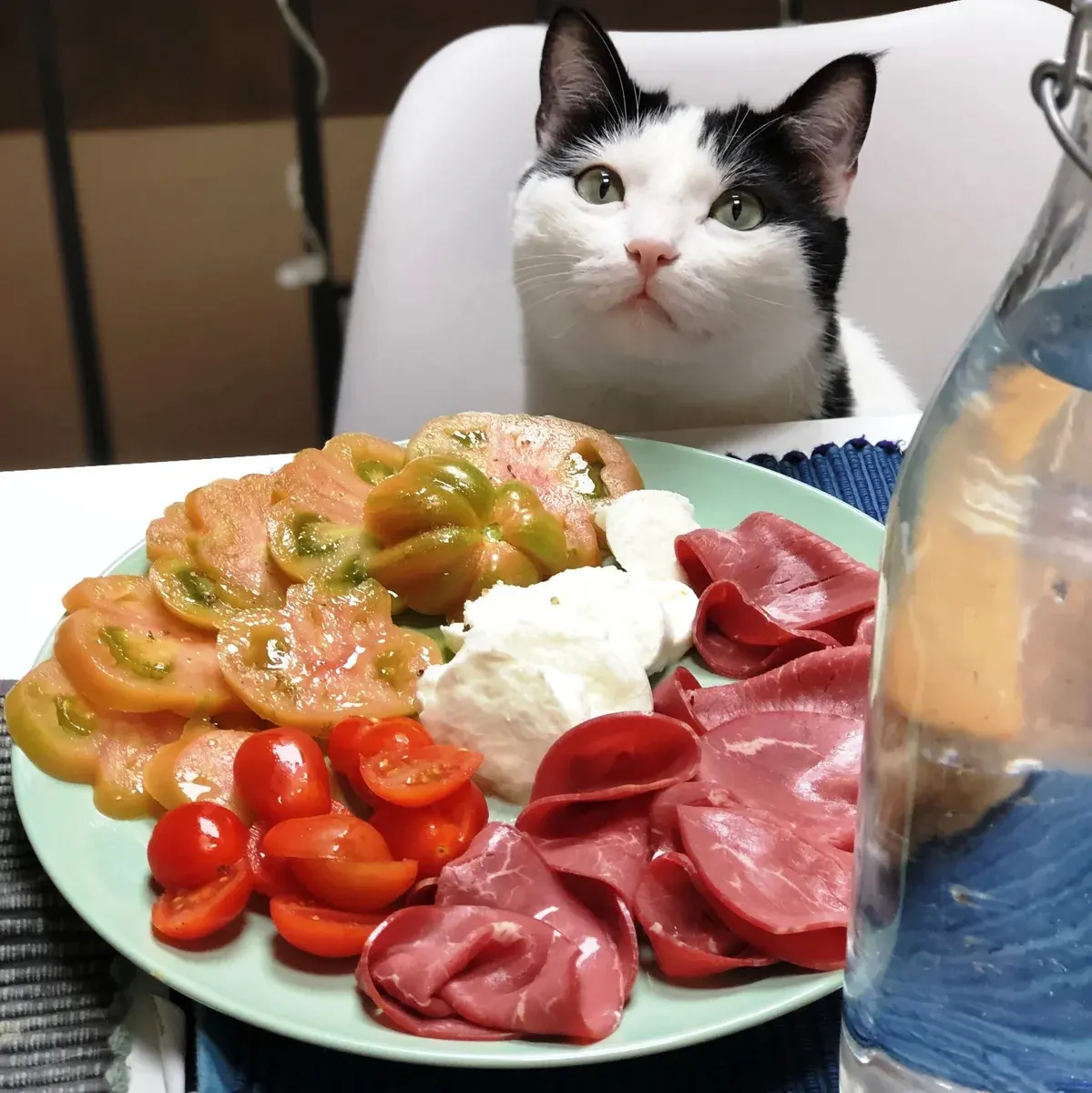
Prosciutto is a type of Italian dry-cured ham, thinly sliced and often enjoyed as a delicacy. On the surface, it might seem harmless—after all, it’s just meat. However, prosciutto is extremely high in sodium, and cats’ kidneys are not designed to handle such a concentrated salt load. In my experience, even a small treat can trigger gastrointestinal upset in sensitive cats.

Several years ago, a client brought in their six-year-old domestic shorthair who had ingested a few slices of prosciutto left on the counter. The cat was vomiting intermittently and appeared lethargic. Upon examination, I noted mild dehydration and elevated blood pressure—both signs that excessive salt intake can be dangerous for cats. While this case was resolved with fluids and monitoring, it was a wake-up call for the owner about hidden risks in seemingly benign foods.

Cats are obligate carnivores, meaning their diets must primarily consist of high-quality protein. While prosciutto is technically a protein, its processing adds fat, preservatives, and sodium, making it unsuitable for regular consumption. Unlike plain cooked chicken or turkey, which I often recommend for treat portions, prosciutto carries unnecessary risks that outweigh the potential enjoyment for the cat.

Occasional Tasting vs. Regular Feeding

In my clinic, I often get asked if a tiny taste is acceptable. From my experience, a very small sliver—about the size of a grain of rice—probably won’t harm a healthy adult cat. I recall a situation last spring when a family tried giving their two-year-old Maine Coon a small piece during dinner. The cat sneezed a little and seemed excited by the flavor, but experienced no negative effects. This occasional, minute taste is different from a real serving size, which could be harmful.

Problems arise when owners assume human-grade deli meats are safe for regular feeding. I’ve treated cats with mild to moderate kidney stress after repeated exposure to salty foods like ham, bacon, or prosciutto. In these cases, long-term kidney strain can develop silently, leading to chronic issues that become difficult to reverse. As a veterinarian, I always stress moderation and caution. One-off tastes are generally fine, but anything more frequent is a red flag.

Can Cats Safely Eat Prosciutto

Recognizing Symptoms of Overindulgence

It’s useful for cat owners to recognize signs that prosciutto or similar foods may have caused harm. Cats that have eaten too much salty meat may exhibit vomiting, diarrhea, lethargy, excessive thirst, or frequent urination. In one memorable incident, a young Siamese sneaked an entire slice while the family wasn’t watching.

The cat developed noticeable swelling around its paws and mild dehydration. Prompt veterinary attention facilitated recovery, but this case reinforced how quickly sodium can affect feline health.

Safer Alternatives for Treating Your Cat

If your goal is to give your cat something special, there are safer alternatives than prosciutto. I often recommend plain, cooked meats like chicken or turkey breast, or small portions of freeze-dried fish treats. These provide protein without the excessive sodium or preservatives found in processed meats. On rare occasions, I might allow a sliver of prosciutto as a novel experience, but it’s not part of a recommended feeding plan.

I also encourage owners to introduce any new human foods gradually. Observing your cat’s reaction is key, because cats vary widely in tolerance. Some cats might vomit even from small tastes, while others tolerate tiny amounts without issue. Personal observation combined with veterinary guidance ensures your cat’s health remains protected.

Final Words

In conclusion, cats can technically taste prosciutto, but it should never be a regular treat. The high sodium, fat content, and preservatives make it risky, especially for adult cats with pre-existing kidney or heart issues.

From my years of practice, I’ve seen that moderation, vigilance, and opting for safer protein alternatives are the best ways to keep cats happy and healthy. One small taste might be harmless, but it’s rarely worth the potential complications that could arise from repeated feeding.

Black Egyptian Sphynx Cat
Mar
The Allure of the Black Egyptian Sphynx Cat

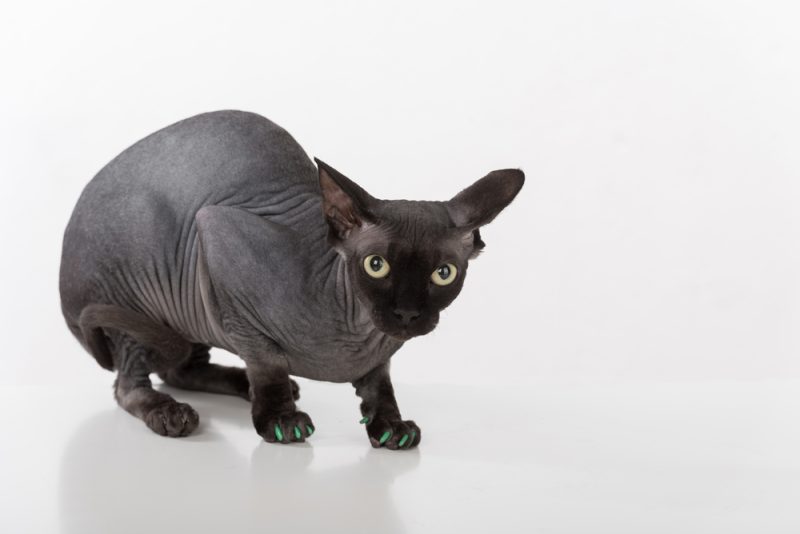
As a licensed veterinarian practicing in Texas for over a decade, I’ve had the opportunity to care for all kinds of cats, from tabbies and Persians to the rarest breeds you might see only in specialized catteries. Among them, the black Egyptian Sphinx always stands out. Their striking hairless appearance, combined with a sleek, dark skin tone, makes them seem almost otherworldly—but there’s much more to these cats than meets the eye.

Understanding the Black Egyptian Sphinx

My first black Egyptian Sphynx patient was a young, affectionate, and curious male. Unlike typical cats, he acted almost “human”—stretching across laps, seeking warmth from blankets, and gently pawing at objects for attention. This breed isn’t aloof; they crave interaction and bond closely with owners.

Black Sphynx cats are a variant of the more common pink-skinned Sphynx, but their darker pigmentation doesn’t change their needs. They still require a high level of care to maintain skin health. Owners often assume that the absence of fur reduces maintenance, but I’ve repeatedly seen clients struggle with the reality: their skin can become oily, prone to dirt accumulation, and occasionally develop mild rashes if not cleaned gently regularly. A simple weekly wipe-down with a soft, damp cloth, followed by a light moisturizer recommended by your vet, usually suffices.

Temperament and Personality

One aspect that surprises new owners is how energetic and playful black Sphynx cats can be. I remember a customer last spring who had adopted a pair of black Sphynx kittens. Despite their fragile appearance, they spent hours leaping onto shelves, playing fetch, and even “helping” with household chores in ways only cats can—like sitting on laptops or knocking pencils off desks. Unlike other cats that might retreat to quiet corners, Sphynx cats often demand interaction. If you’re considering this breed, be prepared for a cat that thrives on companionship, whether with humans or another feline companion.

From my perspective as a veterinarian, I also advise new owners to consider mental stimulation. Puzzle toys, climbing structures, and safe playtime routines are not optional—they’re essential. I’ve observed a black Sphynx at one of my clinics become stressed due to a lack of stimulation, leading to over-grooming and minor skin irritation. Once the owner introduced daily interactive sessions, the behavior disappeared entirely.

Black Egyptian Sphynx Cat

Health Considerations

Black Egyptian Sphynx cats are generally healthy, but their unique physiology requires special care. Their hairless skin makes them sensitive to temperature changes. I’ve treated cases where owners didn’t realize that a sunny window or drafty room could cause burns or chills. A balanced approach—using light clothing or blankets in winter and ensuring shaded areas during summer—is necessary.

Dental care is another area that often surprises first-time owners. Sphynx cats tend to develop tartar more quickly than other breeds. I’ve found that establishing a twice-weekly brushing routine and scheduling regular dental checkups can help prevent more serious oral health problems later.

Additionally, although these cats are not inherently prone to specific genetic disorders, responsible breeders screen for hypertrophic cardiomyopathy (HCM), a concern across many breeds. When advising clients, I always stress the importance of acquiring a Sphynx from a reputable breeder who can provide health records and screenings.

Grooming Beyond the Hairless Appearance

Despite being hairless, black Sphynx cats require care. Owners sometimes neglect nail trims or underestimate the importance of ear cleaning. Sphynx cats produce more oil, which leads to rapid wax buildup. I once saw a cat develop a mild ear infection from this. Weekly checks and gentle cleaning solved it.

Bathing is another area that requires careful attention. I generally recommend a bath every 2 to 3 weeks with a hypoallergenic, vet-approved cleanser. Over-bathing can dry out their skin, but skipping baths entirely leads to greasy patches and unpleasant odors.

Making the Decision

In my experience, Black Egyptian Sphynx cats aren’t for every home. They thrive when someone can interact with them, monitor their health, and properly groom them. But if you want an affectionate, intelligent, and engaging companion, a black Sphynx is rewarding.

I have seen countless clients grow deeply attached to these cats. One couple I know initially hesitated because of the breed’s appearance. Within weeks, they were captivated by their cat’s personality, often joking that their Sphynx was more like a small, attentive dog than a traditional cat. Stories like these underscore what I’ve learned over my career: with proper care, a black Egyptian Sphynx isn’t just a pet—they’re a vibrant presence in the home.

Can Cats Safely Eat Cauliflower
Mar
Can Cats Safely Eat Cauliflower? A Complete Guide

As a licensed veterinarian practicing in Texas, I get a surprising number of questions about vegetables and cats. Cauliflower comes up more often than you’d think—usually from well-meaning owners trying to share “healthy” foods with their pets. My answer isn’t a simple yes or no. It depends on how it’s offered, how much, and the individual cat sitting in front of me.

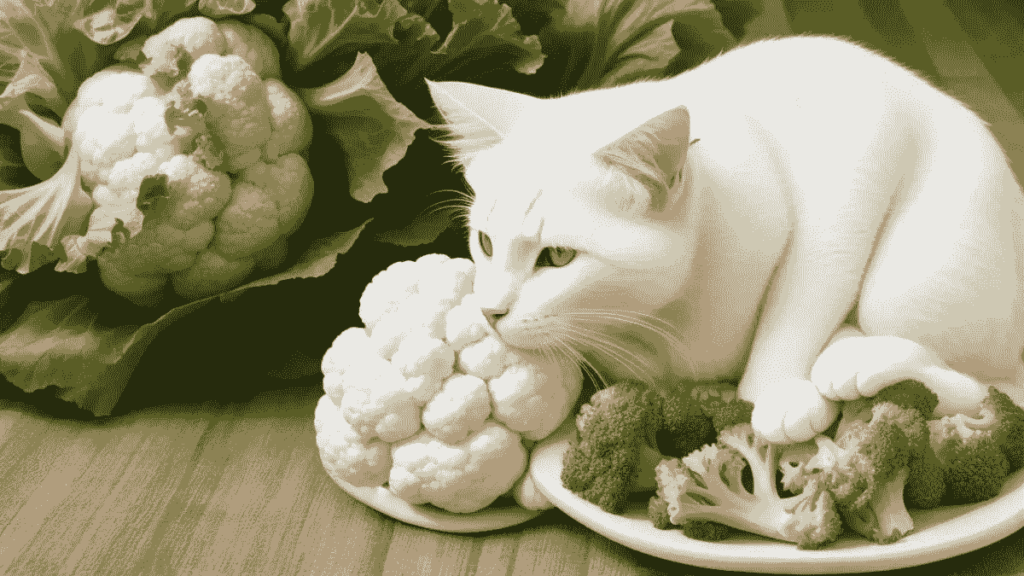
I’ve found that cauliflower itself isn’t toxic to cats. That’s the good news. But that doesn’t automatically make it a good choice either, and I’ve seen enough cases in my clinic to be cautious about recommending it freely.

When Cauliflower Is Harmless—and When It Isn’t

I remember a client who brought in her cat after a weekend of mild vomiting and loose stools. Nothing severe, but enough to worry her. After a bit of back-and-forth, she mentioned she had started sharing small pieces of steamed cauliflower during dinner. The cat seemed to like it at first, but over a couple of days, digestive upset set in.

Cauliflower is fibrous and can be hard for some cats to digest. Cats are obligate carnivores, and their systems are built for meat, not cruciferous vegetables. In small amounts, some cats tolerate it just fine. Others don’t, and I’ve learned not to assume which category a cat will fall into.

Another case that stuck with me involved a cat that got into a bowl of heavily seasoned cauliflower—garlic, butter, spices, the whole thing. The owner thought the issue was the vegetable itself, but the real problem was the seasoning. Garlic and onions are toxic to cats, and even small amounts can cause serious complications over time. That cat needed monitoring and supportive care, not because of the cauliflower, but because of how it was prepared.

How I Advise Feeding It (If You Do at All)

In my own practice, I don’t actively encourage feeding cauliflower to cats, but I don’t panic if an owner tells me their cat had a small, plain piece. The keyword there is plain.

If a client insists on offering it, I tell them to keep it very simple—unseasoned, cooked until soft, and given in tiny portions. I’m talking about a bite-sized piece, not something that replaces part of their regular diet. I’ve seen owners make the mistake of thinking vegetables can “balance” a cat’s nutrition, which isn’t how feline diets work.

One situation that comes to mind involved a particularly food-curious cat who would beg at the table for anything green. The owner started offering small bits of plain, steamed vegetables, including cauliflower, just to keep the cat satisfied. Interestingly, that cat tolerated it well, but the portions were minimal and infrequent. That’s the kind of scenario that usually doesn’t cause issues.

Can Cats Safely Eat Cauliflower

The Mistakes I See Most Often

Over the years, a few patterns have become clear. The problems rarely come from cauliflower itself—it’s how people use it.

Some owners give too much, thinking “it’s healthy, so more is fine.” That’s where I start seeing bloating, gas, or diarrhea. Others don’t consider preparation and offer leftovers from their own meals, which often include butter, salt, garlic, or sauces. That’s far more concerning than the vegetable.

I’ve also seen cases where owners use vegetables like cauliflower as a regular treat, replacing proper cat treats or even parts of meals. Cats have very specific nutritional needs, and vegetables don’t meet them. Even if a cat seems to enjoy it, that doesn’t mean it’s beneficial.

My Professional Take After Years in Practice

If a cat eats a small piece of plain cauliflower, I’m not worried. I’ve seen plenty of cats do just fine with that. But I don’t recommend it as a routine part of their diet, and I’m cautious with cats that already have sensitive stomachs.

Personally, if an owner asks me for treat ideas, I usually steer them toward options that align more closely with a cat’s natural diet—small bits of cooked chicken or commercially prepared cat treats designed for their needs. Those are far less likely to cause digestive issues or confusion about what a cat should be eating.

Living with cats has taught me that they’re curious, unpredictable, and often interested in whatever you’re eating. Cauliflower might catch their attention, but that doesn’t mean it deserves a regular place in their bowl.

Munchkin Cat Prices
Mar
How to Determine Munchkin Cat Prices Effectively

As a licensed veterinarian practicing in Texas, I’ve had the opportunity to work with a wide variety of cat breeds, including the ever-popular Munchkin. Their short legs and playful personalities often make them irresistible to prospective pet owners, but I’ve found that many people underestimate the financial considerations involved in bringing one into their home.

Over the years, I’ve guided several families through the process and seen firsthand how prices can vary based on factors such as lineage, breeder reputation, and health screenings.

Why Munchkin Cats Can Be Expensive

When I first encountered a Munchkin kitten in a client’s home, it was clear why they were so sought after. The client had paid several thousand dollars for a purebred kitten from a reputable breeder. She shared that she chose a breeder who performed genetic testing to reduce the risk of spinal issues, which are sometimes associated with the breed.

From my experience, investing in a responsible breeder upfront often saves both money and stress in the long term, as it reduces the likelihood of expensive veterinary bills later.

Risks of Buying Low-Cost Munchkin Cats

I’ve also encountered situations where people opted for Munchkins at a lower price from online listings or local sales. One customer last spring purchased a kitten that seemed healthy but had no documented health checks. Within months, the kitten developed mobility issues due to undetected skeletal abnormalities. The subsequent veterinary care ended up costing more than a well-screened kitten, so I advise considering not just price but health assurance.

Factors That Influence Munchkin Cat Prices

Prices for Munchkin cats in my region generally range from $800 to $3,000, reflecting both their popularity and the care that goes into breeding them responsibly. Factors influencing cost include:

Lineage and pedigree: Cats from show-quality lines or with documented ancestry often command higher prices, typically between $2,000 and $3,000.

Health testing: Breeders who conduct screenings for genetic conditions may charge an additional $200 to $400, but this reduces future veterinary risks.

Coat and pattern: Rare coat colors or patterns can push prices higher.

Age: Kittens are typically more expensive than older cats, particularly if they’re from a well-known breeder.

Munchkin Cat Prices

Ongoing Costs and Responsibilities

In my hands-on experience, one of the most common mistakes I see is underestimating the lifetime care costs of a Munchkin. Beyond the initial purchase price, owners need to account for regular veterinary visits, vaccinations, spaying or neutering, and potential orthopedic monitoring. I’ve followed a family whose Munchkin required physical therapy for mild spinal stiffness. While the cat was playful and overall healthy, the therapy was an unexpected expense for the owners.

Why Choosing a Reputable Breeder Matters

I also advise prospective owners to avoid buying purely based on price. A Munchkin from a cheap source may not have received proper vaccinations, socialization, or health screenings. From a professional perspective, spending more initially with a reputable breeder ensures kitten health and supports ethical breeding practices.

Final Thoughts on Munchkin Cat Pricing

Over the years, I’ve learned that Munchkins bring a lot of joy to families, but their charm comes with responsibilities—and costs. For those considering this breed, I encourage careful research into breeders, realistic budgeting for veterinary care, and understanding the potential health issues that may arise. Making informed decisions leads to years of rewarding companionship with a lively, affectionate Munchkin, free from unexpected setbacks.

Whether I’m advising a client about a new kitten or managing the care of a young adult Munchkin, my experience has shown that investing in a healthy, well-bred cat brings peace of mind and a thriving pet. Make the choice thoughtfully—your future with a contented, happy companion depends on it.

Flame Point Siamese
Mar
How to Train Your Flame Point Siamese: Expert Tips

As a licensed veterinarian practicing in Texas, I’ve had the pleasure of working with many Siamese cats, including the striking flame point variety. Their creamy coats contrasted with vibrant red-orange points make them instantly recognizable, but there’s much more to these cats than their looks. Over the years, I’ve encountered flame point Siamese in homes across the state, and each experience has taught me lessons about their care, personality, and health considerations.

Personality and Temperament of Flame Point Siamese

One of the first things I noticed when a customer brought in their flame point kitten last spring was how vocal and interactive the cat was. Flame points are known for their talkative nature, and this one certainly lived up to that reputation. In my experience, they are incredibly social cats, often forming strong bonds with their owners. I’ve observed flame points following family members from room to room, demanding attention, or even curling up on laptops during work-from-home hours.

While they are affectionate, they can also be sensitive. I once had a client whose flame point became stressed whenever there were changes in the household, like moving furniture or introducing a new pet. This sensitivity means that early socialization and a stable environment are essential. Ignoring these needs can lead to anxiety-driven behaviors such as over-grooming or hiding.

Health Considerations and Common Issues

During my years of practice, I’ve noticed that flame point Siamese share many health traits with traditional Siamese cats. For instance, they can be prone to dental issues and respiratory sensitivities. I remember treating a young flame point for chronic gingivitis; the owner had underestimated the importance of regular dental care. After a cleaning and a consistent home routine, the cat’s comfort improved dramatically.

Another concern I’ve observed is obesity. Flame points are active, but owners can overfeed if they provide too many treats. One patient, a middle-aged female, developed joint discomfort simply because her daily food intake wasn’t properly monitored. Adjusting her diet and encouraging playtime made a remarkable difference in her mobility and energy levels.

It’s also worth mentioning that while flame points are generally robust, they can inherit the same genetic issues seen in the Siamese breed, including heart conditions and some progressive eye disorders. I’ve advised clients to schedule regular veterinary check-ups to catch problems early.

Flame Point Siamese

Practical Care Tips from Experience

In my hands-on experience, flame-point Siamese thrive in environments that provide mental stimulation alongside physical activity. Puzzle feeders, interactive toys, and safe climbing spaces can keep them engaged. I recall a client who had an entire wall-mounted cat climbing system installed; her flame point became calmer and more playful, which reduced stress-related behaviors.

Nutrition is equally critical. I often recommend high-quality protein diets, keeping in mind that flame points have active metabolisms and need balanced meals to maintain optimal weight. One cat I treated had frequent digestive upsets until the owner switched to a high-protein, grain-free diet tailored to sensitive stomachs—something that made a noticeable difference within weeks.

Grooming is relatively straightforward. Their short coats generally require minimal brushing, but during shedding seasons, a light grooming session helps reduce hairballs. I’ve personally seen owners underestimate the importance of grooming until a cat developed matting near the tail, which caused skin irritation. Regular brushing, even briefly, prevents these issues.

Why Flame Point Siamese Are Special

From my professional perspective, flame point Siamese are more than just beautiful cats—they are intelligent, affectionate, and deeply connected to their human companions. They do best with owners who can provide interaction, structured care, and attention to their unique health needs. Over the years, I’ve seen these cats flourish when their owners understood their personalities, engaged them mentally and physically, and stayed attentive to their health.

For anyone considering a flame-point Siamese, my advice is to invest in a stable, stimulating environment and to be proactive about health monitoring. Their vibrant personalities and loyalty make them a joy to care for, and the experiences I’ve had with these cats in clinical and home settings have shown me that, with the right attention, flame points can thrive for many happy years.

Dilute Calico Cats
Mar
The Beauty of Dilute Calico Cats Explained

As a licensed veterinarian practicing in Texas for over a decade, I’ve had the pleasure of working with countless feline companions, and dilute calico cats always stand out to me. Their soft, muted coat colors—a gentle mix of cream, gray, and light orange—give them an almost ethereal appearance compared to the more vivid traditional calicos. But beyond their looks, there’s a lot about these cats that owners, and prospective owners, should understand.

First Encounter and Personality Traits

I first encountered a dilute calico while treating a rescue kitten brought in by a local animal shelter. She had the typical cream-and-gray patches that make these cats so distinctive. What struck me immediately was not just her beauty, but her playful, slightly mischievous personality.

In my experience, dilute calicos often display a strong sense of individuality, perhaps more than other coat variations. I’ve seen timid kittens blossom into confident, affectionate adults, while more assertive ones maintain a charming stubborn streak well into adulthood.

Common Misconceptions

One common misconception I notice among new cat owners is that the dilute coloring indicates a different breed or a weaker immune system. That’s simply not true. Dilute calico is a color pattern, not a breed, and it can appear in domestic shorthairs, longhairs, and several pedigree breeds. I remember a client last spring who insisted her dilute calico must be “special” or rare.

While her cat was indeed beautiful, I explained that dilute calicos are not uncommon—they’re just less vibrant, which makes them visually unique rather than genetically fragile.

Dilute Calico Cats

Health and Coat Care

Health-wise, dilute calicos follow the same care standards as any other cat, but I do emphasize attention to their skin and coat. The lighter pigmentation sometimes makes minor dermatological issues more noticeable. In one case, a dilute calico I treated developed a small patch of dermatitis from a flea allergy.

Because her coat was lighter, the redness and irritation were immediately visible, allowing us to intervene quickly. I advise routine grooming and careful observation for any changes in skin condition, particularly in these lighter-colored cats.

Temperament and Social Behavior

Temperament can vary widely, but I’ve found that dilute calicos often have a delightful balance of independence and affection. One of my patients, a mature female, would sit quietly beside her owner during my visits, occasionally nudging for attention before darting off to explore the examination room.

That kind of personality makes them ideal for homes where cats are companions but not necessarily clingy. For families with children or other pets, I suggest a slow introduction, as some dilute calicos can be more cautious in new social settings.

Importance of Early Socialization

Another point I stress with owners is the importance of early socialization. A dilute calico kitten that experiences varied environments and gentle handling tends to grow into a well-adjusted adult. I’ve personally seen timid kittens become outgoing after consistent, positive interactions with people and other animals. It’s a small investment of time that pays off in a cat that is confident and affectionate for life.

Feeding and General Care

In terms of feeding and general care, nothing about the dilute pattern requires special treatment. High-quality cat food, fresh water, routine vet checkups, and mental stimulation remain essential. I’ve occasionally had clients worry that the dilute coloring might signal dietary sensitivities, but in my experience, these cats thrive on the same nutrition standards as any other domestic cat.

Conclusion

In conclusion, dilute calico cats are a beautiful and often charming addition to any home. Their coat may be softer in tone, but their personalities are vibrant. From my hands-on experience treating and observing these cats over the years, I can confidently say that the key to a happy dilute calico lies in regular care, attentive observation, and plenty of love. They’re not rare in the genetic sense, but each one feels unique the moment you meet them.

Can Cats Have Pretzels
Mar
Can Cats Have Pretzels? What You Need to Know

As a licensed veterinarian in Texas for over a decade, I’ve often seen cats after they’ve eaten human snacks. A frequent question is, “Can my cat have pretzels?” I’ve witnessed how seemingly harmless foods can affect feline health, and I want to share what years of experience have taught me.

Why Pretzels Are Not Ideal for Cats

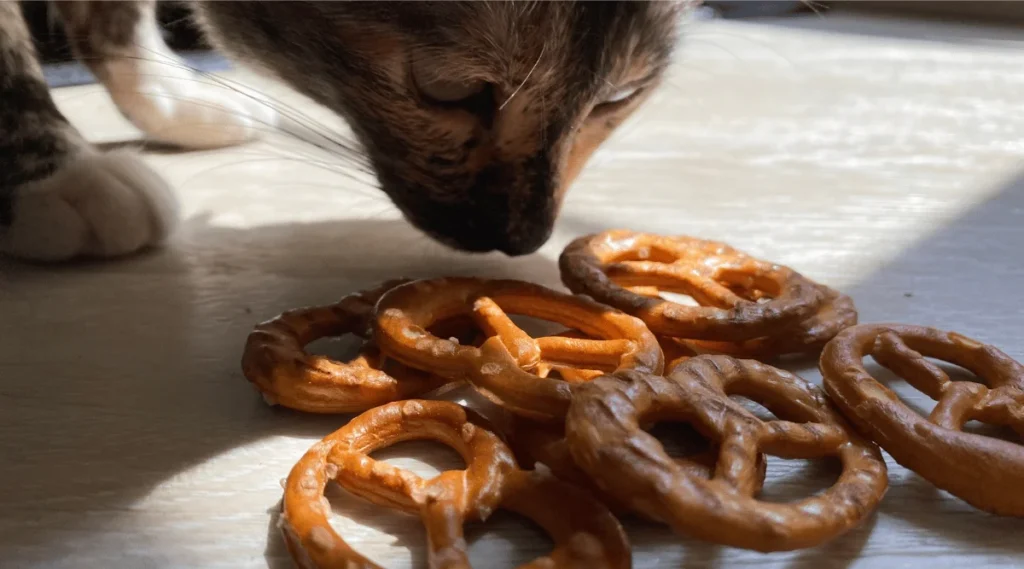
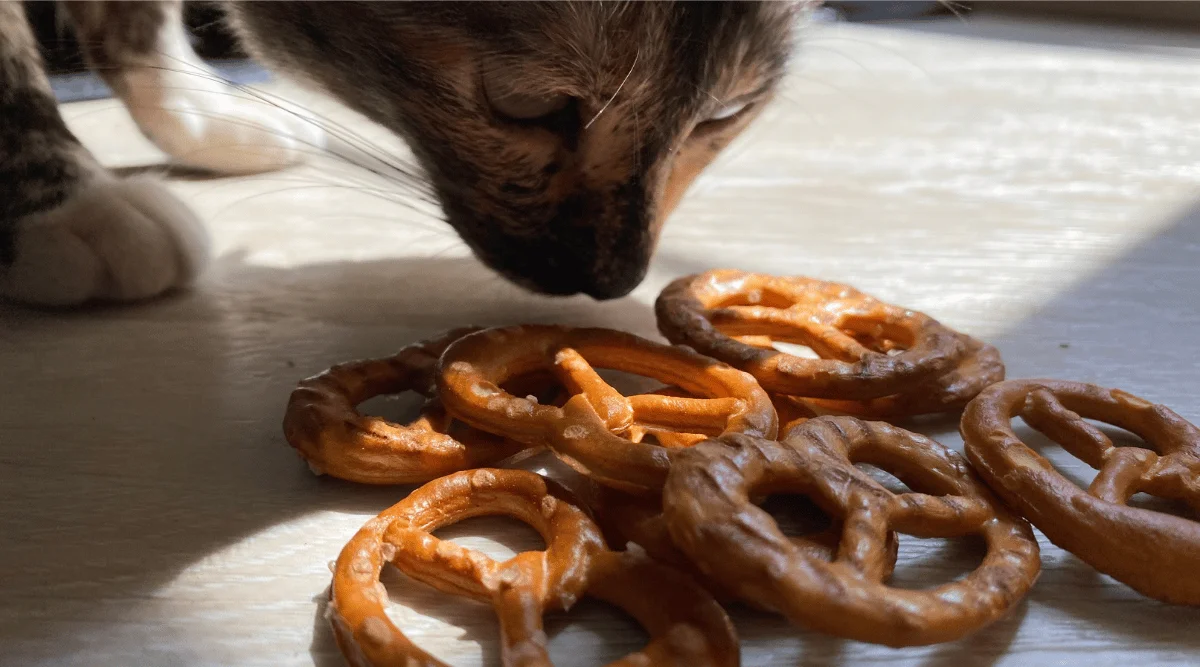
Cats are obligate carnivores; their bodies need meat, not carbs, salt, or additives common in pretzels. Even occasional pretzels can be risky, especially if salted or flavored with garlic or onion powder, which are toxic to cats.

A Real-Life Case Example

I remember a case last spring in which a customer’s cat nibbled on a small bowl of salted pretzel pieces while the owner was distracted in the kitchen. The cat didn’t show immediate signs of distress, but within a few hours, it became lethargic and refused to eat.

A quick examination revealed mild dehydration and elevated sodium levels, which we treated with fluids and careful monitoring. This situation reinforced for me how quickly something as innocent as a few pretzels can affect a cat’s health.

Are Plain Pretzels Safe?

Plain, unsalted pretzels are less risky but still not ideal. Some cats tolerate a tiny piece, but it offers no nutrition. Cats need protein and taurine, not grains or wheat. Even small, rare pieces can mean extra carbs leading to weight gain or digestive upset—something I see frequently.

Can Cats Have Pretzels

Another Case from Practice

Another real example comes from a family that thought giving their cat pretzels would be a fun way to include it during movie nights. They noticed their cat developed frequent vomiting and diarrhea after a week of occasional snacking.

Upon reviewing the diet, it became clear that the pretzels were the culprit. After removing them entirely and reverting to a balanced feline diet, the symptoms resolved. Experiences like this illustrate why I encourage owners to think twice before offering human snacks, even in small quantities.

Risks of Flavored Pretzels

In addition to digestive issues, pretzels with added flavors or coatings—such as cheese, chocolate, or caramel—pose a serious risk. Chocolate and certain seasonings are outright toxic, and even tiny amounts can lead to vomiting, rapid heart rate, or worse. I’ve treated cats who accidentally ingested flavored pretzels, and the emergency care needed could have been avoided entirely by simply keeping these treats out of reach.

Safer Alternatives for Cats

In my practice, I often recommend safer alternatives if owners want to treat their cats. For example, small, plain pieces of cooked chicken or turkey—fully cooked and unseasoned—are generally safe. You can also use commercially available treats specially formulated for cats, which are designed to meet their nutritional needs and are less likely to cause digestive issues. These options offer a way to give your cat an occasional snack without the risks associated with pretzels, while supporting the cat’s health.Conclusion

Overall, while pretzels are not inherently poisonous, they offer no nutritional benefit, can upset digestion, and may even be dangerous if salted or flavored. My professional advice, based on years of observing feline reactions and dietary outcomes, is to avoid giving cats pretzels. The few moments of novelty aren’t worth the potential health complications.

Toyger Cat Prices
Mar
Understanding Toyger Cat Prices: Insights from a Breeder’s Perspective

As a breeder with over a decade of experience working with exotic-looking domestic cats, I’ve been asked countless times about Toyger cats, specifically their price. These cats are striking, with their tiger-like stripes and muscular build, but that beauty comes at a price that varies widely depending on several factors.

I’ve helped several families over the years navigate these decisions, and I want to share my experience to give a realistic picture of what to expect.

Breeding and Appearance: What Drives the Price

I always explain to potential owners that a Toyger’s price reflects the careful breeding that goes into their look. Early on, I saw that kittens from champion lines with ideal striping and facial structure can cost thousands more than those from standard pairs. For instance, a customer last spring wanted a kitten with clear tiger-like markings; the breeder’s higher quote was justified by the kitten’s pattern and health record.

Age and Pedigree: Key Cost Factors

Age and pedigree matter, too. Newborn Toyger kittens are priced differently from adults, especially those shown or successfully bred. I worked with a couple wanting a young adult Toyger from Show Champions. The price reflected not just the cat’s present state, but also years of selective breeding and veterinary care. Many underestimate the cost of responsible breeding—vaccinations, early socialization, and screenings can cost several hundred dollars per kitten before sale.

Location and Availability

Location is another factor that affects Toyger prices. I’ve noticed that buyers in urban areas tend to see higher prices, often due to limited availability and the cost of transporting these cats safely. When a client from Texas wanted to bring a kitten from a breeder in the Northeast, the transportation and care involved added a noticeable chunk to the overall price.

From my perspective, it’s better to pay a bit more for a kitten from a reputable breeder than risk getting one from a source with an uncertain health history.

Toyger Cat Prices

Beyond the Purchase Price

In addition to the pure purchase price, I always remind owners to factor in long-term costs. Toygers are active, intelligent cats that thrive on interaction, so investing in toys, climbing structures, and regular veterinary care is essential.

I recall a family who purchased a kitten for a standard market price, but without anticipating the stimulation and space needs, the kitten became stressed. Helping them adjust to the environment was as important as the cat’s initial cost.

Health and Temperament Over Price

Another common mistake I’ve seen is focusing solely on price rather than health and temperament. One client was tempted by a slightly cheaper kitten with less-defined markings. After a health check, we discovered minor issues that would have cost more in the long run. In my experience, prioritizing health, temperament, and breeder reputation over the absolute cost ensures a happier outcome for both the cat and the family.

Final Thoughts

Toyger prices reflect genetics, lineage, age, and breeder quality. You’ll find a range from several thousand and higher, depending on these factors, but the investment is often worth it for a healthy, well-adjusted Toyger. Careful selection ensures a lasting bond with these cats.