Can Cat Eat Crab
Apr
The Truth About Cats and Crab: What You Need to Know

I work as a mobile veterinary technician along the coastal stretch of Maine, and I spend a lot of time in homes where seafood is part of daily cooking. Crab comes up often because people assume anything from the sea is automatically safe for cats. I have seen cats steal a bite from a plate more times than I can count, especially during summer when crab boils are common. Over the years, I have learned that crab is not a simple yes-or-no answer for cats.

How Cats React to Crab Meat in Real Homes

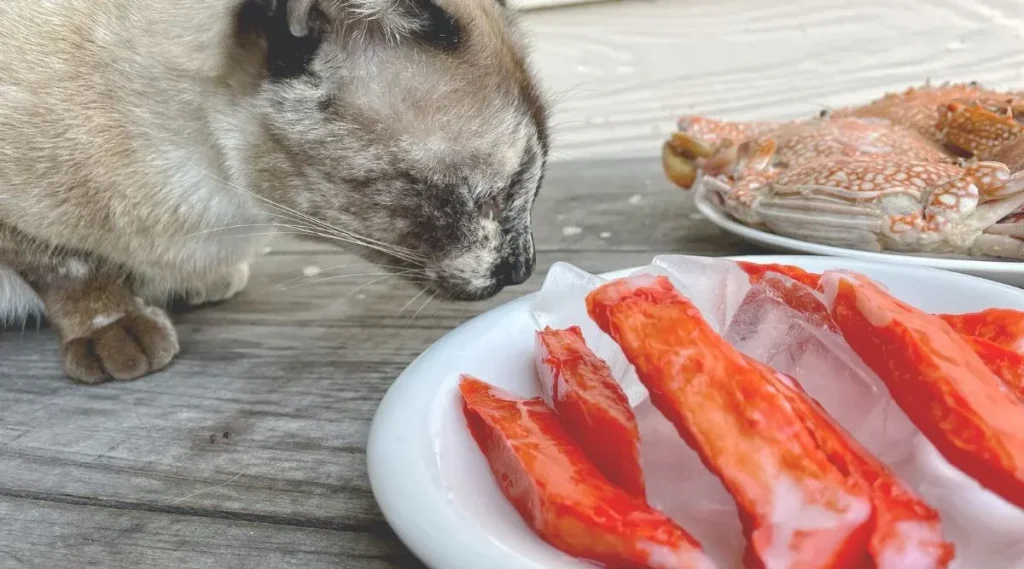
Most cats react to crab with immediate curiosity. The smell alone pulls them in, especially if it is freshly cooked and still warm. I have watched a gray tabby in a seaside rental try to climb onto the counter just to reach a plate of cracked crab legs left unattended for a minute. That behavior is not unusual in my experience, and it usually leads to a small stolen bite if the owner turns away.

In many cases, a small amount of plain crab meat does not cause obvious harm. I have seen cats eat a few shreds of meat and act completely normal afterward. That said, I also notice that reactions vary depending on the cat’s stomach sensitivity and whether they have eaten seafood before. Some tolerate it well, while others show mild digestive upset within a few hours.

Cooked crab without seasoning is what I see most people offer, even unintentionally. The problem is that “unseasoned” in home kitchens is often not truly plain. Butter, salt, garlic, or spices often sneak in. I once visited a household where a cat got into crab leftovers mixed with garlic butter, and that didn’t end well for the cat’s digestion.

What I Tell Owners Before Letting Cats Try Crab

I always start by saying that crab is not toxic to cats in small amounts, but that does not make it a safe, regular treat. Cats are obligate carnivores, yet their digestive systems are not designed for rich or highly processed seafood. A customer last spring had two indoor cats that repeatedly stole crab meat during family dinners, and they eventually had to change how they stored food on the table.

When people ask for resources on pet diet safety, I sometimes point them toward veterinary food references like ” Can cats eat crab because general assumptions often lead to mistakes in feeding habits. I have seen confusion clear up quickly once owners compare real ingredient lists instead of guessing what is safe. It usually shifts the conversation from curiosity to caution in a practical way.

One thing I notice is that owners underestimate how rich crab can be for a small animal. Even a few bites can feel heavy to a cat’s stomach, especially if they are not used to seafood. I worked with a household that kept giving their cat small portions after every seafood dinner, and the repeated exposure eventually caused intermittent vomiting that stopped only when the habit was cut out.

Can Cat Eat Crab

Risks I Have Seen in Practice

Crab shells are the first risk that comes to mind. Cats do not chew shells properly, and even small fragments can cause irritation in the mouth or digestive tract. I once had a call from a client whose cat chewed through a discarded crab leg in the trash and ended up coughing for hours after a sharp fragment became lodged in the throat.

Seasoning is another issue that people underestimate. Garlic and onion powders are common in seafood seasoning blends, and both are unsafe for cats. I have walked into kitchens where leftover crab dishes were left within reach, and even a small lick of seasoned butter sauce created digestive distress that lasted most of the night.

There is also the problem of overeating. Cats that enjoy the taste of crab sometimes refuse their regular food afterward. That shift can cause a nutritional imbalance if it becomes a habit. I saw a case where a cat began refusing dry food entirely after multiple seafood meals, and it took weeks to normalize feeding again.

How I Handle Crab Exposure in My Work

In my daily work, I do not ban crab from homes, but I advise strict control around it. Cats are opportunistic, and even well-trained animals will test boundaries when seafood is involved. I usually suggest keeping all cooked crab covered and stored out of reach until the meal is fully finished.

If a cat does eat crab, I look at quantity, preparation, and timing. A few plain flakes are usually not concerning, but seasoned or large amounts require closer monitoring. I also pay attention to behavioral changes, such as reduced appetite, vomiting, or unusual lethargy, within the next several hours.

Here is a simple breakdown I often share with owners in conversation:

– A small plain bite is usually low risk

– Seasoned crab increases concern

– Shell pieces require monitoring

– Repeated feeding should be avoided

Each of these points comes from repeated real-world situations rather than theory. I have seen how quickly a harmless tasting session can turn into digestive stress when preparation or quantity is ignored. Cats rarely self-limit when something rich and appealing is in front of them.

There are also households where I recommend removing crab entirely from shared spaces during meals. That might sound strict, but it prevents repeated small incidents that build into bigger issues over time. One coastal client I worked with made that change after multiple kitchen counter thefts, and the improvement in their cat’s digestion was noticeable within weeks.

Crab is not something I panic over when cats get into it, but I never treat it as casual either. Most of the problems I have seen come from preparation choices and repetition rather than a single accidental bite. When owners understand that difference, they tend to handle seafood meals with a lot more control, and the cats stay healthier for it.


Can Cats Eat Marshmallows
Apr
Can Cats Eat Marshmallows or Is It a Hidden Risk

As a mobile pet groomer, I spend most days in people’s homes dealing with cats that have eaten things they absolutely shouldn’t have.

What Marshmallows Actually Do Inside a Cat’s Body

Marshmallows are mostly sugar, air, and gelatin, and none of that lines up with what a cat’s body is built to process. Cats are obligate carnivores, which means their digestion is designed around protein and fat, not sweet fillers. I have seen cats nibble on marshmallows out of curiosity, but curiosity does not equal safety in this case.

One time, a client in a small apartment brought me in after her cat got into a half-open bag of mini marshmallows, probably around 20 or so pieces. The cat was acting normal at first, then started vomiting later that evening. It was not dramatic in the sense of an emergency, but it was enough to worry the owner for the rest of the night.

The sugar content is the biggest issue. While sugar itself is not toxic in the same way as chocolate is, it can still upset a cat’s digestive system. Some marshmallows also contain additives such as artificial sweeteners or flavorings, which can cause unpredictable reactions depending on the brand and the amount consumed.

Marshmallows can be a choking hazard. I watched a tabby struggle after snatching a marshmallow, only for it to break apart.

What I Have Seen After Cats Eat Them

Can cats eat marshmallows? is the kind of resource I sometimes point people toward when they want a quick reference on unusual food reactions in pets, especially when they are unsure whether to wait or take immediate action. I have had several clients use similar tools after late-night incidents when vet clinics were not immediately reachable. It helps calm the guessing process. That alone can reduce panic in the moment.

Reactions vary. Some cats get mild stomach upset, while others may have diarrhea or vomiting. Once, one cat out of three reacted after sharing dessert leftovers, and we figured out the cause together.

There is also a behavioral side to it. Cats that taste something sweet or unusual sometimes start sniffing around the same area repeatedly afterward. I have seen this in kitchens where marshmallows were left out in bowls, as if the cat remembered the spot more than the food itself.

Older cats and kittens tend to handle these incidents worse. Kittens, especially, can eat more than expected because they do not have the same caution around new textures. I once dealt with a kitten that ate two full-sized marshmallows and spent the next few hours unusually lethargic before slowly returning to normal.

Can Cats Eat Marshmallows

Why Cats Go After Marshmallows in the First Place

Most cats are not as attracted to sweetness as humans are. That surprises many owners. What usually draws them in is texture, smell, or simply curiosity about something new in their environment. A fluffy white object sitting on a table is enough to trigger an investigation for many indoor cats.

I have noticed this pattern during grooming visits in homes where snacks are often left out. One household with a large kitchen island kept a bowl of marshmallows there year-round, and their cat would occasionally bat one onto the floor just to play with it before losing interest. It was never about eating at first, but more about interaction.

Sometimes the issue is boredom. Indoor cats that lack stimulation tend to explore counters and tables more aggressively. In those cases, marshmallows are just one of many random objects they test with their mouths. I have seen the same cats go after bread, paper towels, and even soap bars.

Smell plays a smaller role, but it’s there. I’ve seen cats ignore plain marshmallows but react to ones near chocolate drinks.

What I Tell Owners After an Incident

My first step is always to check how much the cat has eaten and how it is behaving. If it were one or two marshmallows and the cat is acting normal, I usually recommend observation rather than immediate panic. I have learned over time that rushing into alarm without symptoms can cause more stress than the situation itself.

Water access matters. I always suggest making sure the cat has fresh water available, since mild digestive upset can show up later if the system is irritated. I have seen cases where symptoms never progress past mild discomfort simply because nothing more was added to the system.

If vomiting recurs or the cat becomes unusually quiet, that is the point at which I stop guessing and recommend veterinary input. I have made that call with owners sitting right next to me, and even when it turns out to be minor, it provides clear direction rather than uncertainty.

Prevention is simpler than treatment here. Keeping sweets sealed, cleaning counters regularly, and not leaving bowls unattended make a bigger difference than most people expect. I have watched entire patterns of “food stealing” disappear just by removing easy access points around the kitchen.

To sum up, while marshmallows are not highly toxic to cats, they are not harmless either. The key takeaway is that small amounts may not cause problems, but there are still real risks, especially with larger amounts or repeated exposure. The best approach is prevention—keeping sweets out of reach and being mindful of what’s left accessible to pets. Most incidents are preventable, which is what I emphasize to owners above all else.

Are French Bulldogs Good Dogs
Apr
Are French Bulldogs Good Dogs From My Grooming Table Perspective

I run a small dog grooming studio out of a converted garage and see a steady stream of French Bulldogs every week. Their baths, nail trims, and fur cleaning have given me a clear, honest perspective on whether they’re genuinely good dogs or just a current trend. When owners ask, I always answer truthfully based on firsthand experience, not breed reputation.

What French Bulldogs Are Like Day to Day

French Bulldogs are easy to recognize by their upright ears and compact bodies, and their personalities show up fast. Most are social, not overly energetic, and manageable in a grooming setting that can stress some dogs.

I usually book 6 to 8 dogs a day. When one is a Frenchie, I know I will not be dealing with endless bouncing or high anxiety pacing like with some herding breeds. They tend to stay close to the table and seek attention, making handling easier, especially for new groomers.

That said, they can be stubborn. I have had a few that planted their feet and refused to move during a nail trim, which turns a quick task into a slow negotiation. It is not aggression most of the time; it is just a quiet refusal. That personality trait shows up in daily life too, not just on my table.

Health Realities I See Up Close

When discussing French Bulldogs, an important takeaway is that their unique appearance comes with health trade-offs that are clear during grooming. Owners should be prepared for the extra care their features require.

I once had a client who told me she researched extensively before getting her dog and mentioned using “Are French bulldogs good dogs?” as part of her decision-making process, yet she still felt unprepared for how much maintenance the breed requires. That conversation stuck with me because it comes up more often than people admit. Owners read about the breed but do not always picture the day-to-day care.

Breathing is the first thing I notice. Some Frenchies breathe loudly even at rest, and if the room warms or the dryer runs long, I pause to give them a break. I keep my grooming area around 22 degrees Celsius for the comfort of brachycephalic dogs.

Their folds trap moisture, and if not cleaned regularly, this can quickly turn into irritation or infection. Owners who stay consistent avoid most problems, but it takes discipline.

Temperament With People and Other Dogs

French Bulldogs are generally people-focused. I see that every day. When they come in, many look straight at me and expect interaction, unlike breeds that tend to stay more reserved.

They usually do well with strangers, which helps in grooming, boarding, and vet visits. I rarely deal with fear biting from a Frenchie. That is not a guarantee, though. Any dog can react under stress, especially if they are in pain or overwhelmed.

With other dogs, it is mixed. Some of them are playful and relaxed, while others act a bit bossy despite their small size. I once had two Frenchies booked back-to-back, and one was calm while the other tried to dominate every dog it saw through the glass door. Personality varies a lot in this breed.

Are French Bulldogs Good Dogs

Maintenance Is Higher Than People Expect

Many people assume French Bulldogs are low-maintenance because of their short coat. That is only partially true. They do not need haircuts, but they still need regular care in other areas.

I usually tell clients to focus on four things:

Skin folds, ears, nails, and weight quickly show neglect. I’ve seen dogs gain 3 to 5 kilograms in a year—extra weight strains joints and breathing.

Bathing is simple, but drying needs care. I avoid high heat and use a lower setting, with breaks. It takes longer, but keeps them comfortable.

They shed more than people think. It’s short hair, but constant. Owners notice it on furniture before the dog itself.

Cost Over Time Is Not Small

People usually focus on the purchase price, which is high for this breed, but they often underestimate ongoing costs like grooming and vet bills.

A typical grooming visit for a French Bulldog at my shop is not as expensive as for long-haired breeds, but it is still part of a regular schedule. Most of my clients come in every 4 to 6 weeks. That adds up over a year.

Vet care can be unpredictable. I have had clients mention surgeries, allergy treatments, and breathing-related procedures that cost several thousand dollars in their local currency. Not every dog will need that, but enough do that it is part of the reality of owning this breed.

Food matters too. Because they can easily gain weight, owners often switch to controlled diets or higher-quality food. That is another ongoing expense that people do not always plan for.

Who They Are Actually Good For

French Bulldogs can be great companions in the right home. I have seen them thrive with people who understand their limits and remain consistent in their care. They are especially suited for smaller living spaces because they do not need long runs or high-intensity exercise.

They do well with people who are home often. These dogs enjoy company. Those left alone for long hours are usually more anxious or restless during grooming.

Families with young kids can do well with them if boundaries are taught early. Their size makes them less intimidating than larger breeds, but they still need respect. I have seen a calm Frenchie snap when a child pulled too hard on its ear.

They are not ideal for someone wanting a low-effort dog. The care is steady, and skipping it leads to problems fast.

In conclusion, French Bulldogs offer personality and companionship but require regular, attentive care. If owners are prepared, the rewards can be significant—even from the grooming table perspective.

Teach Dogs to Lie Down
Apr
How I Teach Dogs to Lie Down in Real Training Session

I work as a home-based dog trainer who focuses on basic obedience for everyday families, and teaching a dog to lie down is one of the first things I cover. I have done this in small apartments, busy family homes, and even outdoor courtyards where distractions never stop. Over time, I have learned that this simple command is less about the position itself and more about communication between the dog and the owner. I do not rush it. I built it step by step.

Why “Lay Down” Matters More Than People Think

Most people come to me thinking “sit” is enough, but I usually explain that “lay down” changes a dog’s energy level in a way sitting never does. A dog that is lying down is less likely to jump, bark, or pull toward distractions. I have seen this shift happen in under 10 minutes with the right approach.

Last spring, I worked with a restless young Labrador. The dog could sit, but didn’t stay down. After calmly reinforcing the down position for 20 seconds, the dog’s mood quickly softened.

That is why I always teach this early. It becomes a reset button for the dog. It also helps with grooming, vet visits, and even feeding routines because the dog learns to pause rather than react.

How I Start the Training Process

I always begin with the dog in a quiet space, usually a room with minimal noise and no other pets around. Too many distractions slow things down, especially in the first 5 to 10 minutes. I keep treats small and soft so I can reward quickly without breaking the flow.

Some owners come to me after trying different online methods, and one mentioned using ” How do I teach my dog to lie down before booking a session, but the issue was not the method itself; it was timing and consistency. That happens a lot. The technique matters, but how you apply it matters more.

I start with the dog in a sit position. From there, I hold a treat close to the dog’s nose and slowly move it down toward the floor, then slightly forward. Most dogs will follow the treat with their head, and their body naturally lowers. When the elbows touch the ground, I reward immediately.

Timing is everything here. If I reward too early, the dog stays halfway down. If I wait too long, the dog gets confused or stands back up. I aim to reward within a second of the correct position.

Teach Dogs to Lie Down

What I Do When the Dog Refuses

Some dogs do not follow the treat easily. I see this in about 3 out of 10 sessions. These dogs either back up, stay stiff, or try to grab the treat without moving their body.

When that happens, I adjust the angle. Instead of moving the treat straight down, I bring it closer to the dog’s chest and then slowly forward along the ground. This creates a natural fold in their posture. It takes patience.

I remember working with a bulldog that refused to lower itself at all. He would sit and stare at me like he was waiting for a better offer. I spent nearly 12 minutes shaping the behavior, rewarding little progress like bending the elbows slightly, before he finally lay down fully. After that first success, the second attempt took under a minute.

This pattern is common: the first success is slow, but with repeated practice, dogs improve quickly. They learn by repetition, not explanation.

Building the Command After the Behavior

I do not say “down” right away. I wait until the dog is consistently following the motion. Usually, after 6 to 10 successful repetitions, I start adding the word.

I say “down” once, then guide the dog with the treat. Over time, the dog starts to connect the word with the action. If I say it too early, the word becomes meaningless noise.

Consistency matters. I tell owners to use the same word every time, because dogs respond to patterns, not changes in language.

I also keep sessions short. About 5 to 8 minutes is enough for one round. After that, I give the dog a break. Long sessions often lead to frustration, especially for younger dogs.

Making the Behavior Reliable in Real Life

Getting a dog to lie down in a quiet room is one thing. Getting the same behavior outside with noise, movement, and distractions is a different challenge. This is where most training falls apart.

I gradually increase the difficulty. First, I practice in another room. Then near a doorway. Then, outside, there are mild distractions. Each step builds on the last one.

I worked with a small mixed breed that could lie down perfectly at home but ignored the command outside. It took about 2 weeks of gradual exposure before the dog responded reliably in a park setting. Progress was not linear. Some days were better than others.

Rewards also change over time. At first, I used treats every time. Later, I switched to random rewards. Sometimes it is a treat, sometimes praise, sometimes a short play moment. This keeps the dog engaged without depending on food every single time.

Common Mistakes I See From Owners

I see patterns in mistakes, and they show up in almost every training session. One of the biggest is repeating the command too many times. Saying “down, down, down” does not help. It actually teaches the dog to ignore the first few attempts.

Another issue is poor timing. Owners often reward the dog after it stands back up, which reinforces the wrong behavior. I always tell them to watch the dog’s elbows. That is the moment to reward.

Some people push the dog physically into position. I avoid that. It can create resistance or discomfort, especially in older dogs or breeds with joint issues. I prefer guiding and rewarding instead of forcing.

Consistency at home is the biggest factor. I might work with a dog for an hour, but the owner’s daily practice shapes the long-term result. Remember, even 5 minutes a day can make a difference—regular, short practice is key.

Teaching this command shows how a dog learns and how an owner communicates. The key takeaway: lasting progress comes from patient, consistent teamwork. The calm connection that follows is rewarding for both dog and owner.

Oriental Shorthair Price
Apr
What I’ve Seen the Oriental Shorthair Price Range Look Like in Real Homes

I work as a mobile pet groomer who has spent years visiting cat owners in apartments, suburban homes, and small breeder setups where pedigree cats are part of everyday life. The Oriental Shorthair is one of the breeds people often ask me about, especially when they’re trying to understand why prices vary so much from one listing to another. I’ve seen buyers surprised more than once when they realize the cost is tied to far more than just appearance.

What drives the price of an Oriental Shorthair

The first time I really paid attention to pricing differences was during a grooming visit for a customer last spring who had recently brought home an Oriental Shorthair kitten. She mentioned she had seen prices that ranged from a modest amount to several thousand dollars, depending on the breeder and lineage. That conversation stayed with me because she assumed the variation was mostly about coat color, but there was much more behind it.

In my experience, pedigree majorly influences price. Cats from established bloodlines with show potential cost more, especially when breeders invest in health testing and controlled breeding. Kittens from small, unregistered breeders usually cost less, but that comes with trade-offs.

Location affects pricing more than most expect. In areas where Oriental Shorthairs are rare, buyers may pay a premium due to limited availability or transport costs. Regions with more breeders have steadier prices and better competition.

Real-world price ranges I’ve come across

From what I’ve observed during visits and conversations, most pet-quality Oriental Shorthair kittens fall in the mid- to high-range of cat pricing. I’ve seen basic companion kittens listed at a few hundred dollars above typical domestic breeds, while more structured breeding lines can reach several thousand dollars, depending on pedigree and breeder reputation.

One customer I worked with decided to adopt after spending weeks comparing listings online and speaking with breeders. She told me she used resources like the Oriental Shorthair price guide to understand what made certain kittens more expensive than others, especially when it came to health guarantees and registration papers. That research helped her avoid rushing into a decision based only on appearance, which is something I see happen often.

Price differences sometimes depend on timing. Breeders with waiting lists charge more due to high demand, while those with more kittens may lower prices to place them faster. It’s not always about quality.

Occasionally, I meet owners who adopted Oriental Shorthairs at a lower cost through private rehoming. Those cases usually happen when someone can no longer care for the cat or is reducing the number of pets in a household. In those situations, the price can be much lower, but the background information about the cat’s health and history becomes more important than the initial savings.

Oriental Shorthair Price

Hidden costs people don’t expect

A major takeaway: after the purchase, ongoing costs become the true test of commitment. Owners often spend significantly on enrichment, vet visits, and social needs for Oriental Shorthairs, which is not reflected in the initial price but quickly becomes apparent.

I remember visiting a household with two young Oriental Shorthairs where the owner had underestimated how much stimulation they would need. The cats quickly got into mischief, and the owner ended up spending more on interactive toys and environmental upgrades than the original purchase cost. It was a reminder that price is only one part of the overall equation.

Veterinary care is another commonly overlooked expense. Oriental Shorthairs are generally healthy, but routine checkups, vaccinations, and dental care add up. Many owners realize after the first year that the purchase price is just the beginning.

Food quality is another ongoing factor. Many of the owners I work with choose higher-quality diets for this breed due to its high energy levels and lean body structure. That decision alone can significantly reduce monthly pet costs compared to more basic feeding plans.

What I tell people before they buy

To summarize: whenever I’m asked about pricing, I emphasize that it’s not just about the upfront number. Instead, understanding your lifestyle, the breeder’s practices, and the total journey of ownership is essential to a satisfying experience. Main takeaway: focus on long-term fit, not just price.

I urge buyers to meet breeders or sellers in person. The environment tells more about early care than a description can. Clean, social, well-managed spaces usually indicate healthier kittens, regardless of price.

In my work, I’ve learned that buyers who take their time tend to be more satisfied with their choices later. Rushing into a decision based on price alone often leads to surprises, especially with a breed as active and social as the Oriental Shorthair. Taking a broader view usually leads to a better match between cat and owner.

The price of an Oriental Shorthair varies for good reasons, and once you see how many factors influence it, the range starts to make more sense. What matters most in the end is how well the cat fits into the home and whether the care that comes with that price continues long after the initial purchase.

Mackerel Tabby Cats
Apr
Mackerel Tabby Cats and the Pattern I Keep Seeing in Daily Grooming Work

As a mobile cat groomer, I regularly work with cats of all patterns, but the mackerel tabby stands out for how the stripe pattern affects daily grooming. While the pattern is easy to spot, it consistently reveals important details about coat condition and grooming needs. Through countless sessions in varied environments, I’ve seen how the stripes tell a story of a cat’s care, and understanding this has become central to my approach.

What a mackerel tabby really looks like in real life

A mackerel tabby is the kind of cat most people picture when they think of “striped cat,” even if they do not know the name. The stripes run in narrow lines down the sides, usually forming a vertical pattern rather than broad swirls. I first started paying attention to this pattern during a busy spring week when I groomed eight cats in two days, and five of them turned out to be mackerel tabbies with slightly different stripe spacing and coat density.

The name “mackerel” refers to the fish’s striped pattern. I find the label descriptive, as these stripes often align with variations in coat thickness along the ribs and back. For example, a slim gray mackerel tabby sheds in distinct tufts along each stripe line, making brushing feel like following a map.

What consistently stands out is that, despite their commonness, mackerel tabbies each have a distinctive way their stripes impact visibility and coat care. Recognizing this allows me to adapt my approach, ensuring the best grooming outcome for each cat.

How coat patterns affect grooming habits and shedding

In my grooming van, mackerel tabbies don’t get different tools because of their pattern, but I notice their coats act in familiar ways. Most have short to medium hair that lies close to the body, leading to less dramatic but steady shedding. For instance, one young mackerel tabby looked clean, but a quick brush revealed a large amount of loose undercoat. Key takeaway: While the pattern does not change my tools, it does signal typical coat behaviors and potential challenges.

When I need to look up coat behavior charts or compare grooming tools for different tabby types, I sometimes check mackerel tabby for general grooming resources and product breakdowns that help me decide what to carry in my mobile kit. I don’t rely on any single source for decision-making, but having reference material while working in different neighborhoods helps me maintain consistency in my approach. I’ve learned over time that preparation matters more than theory when you are standing in someone’s kitchen with a nervous cat on a towel-covered counter.

Mackerel tabbies often show dirt and oils along their stripes, especially at the neck and tail base, due to the contrast between dark and light fur. Sometimes, darker stripes collect more dander, creating a patchy look that regular deshedding sessions can quickly resolve.

Mackerel Tabby Cats

Temperament patterns I notice in striped cats

People often assume coat patterns predict personality, and I’ve heard everything from “striped cats are more active” to “tabbies are always friendly.” In my experience, that is not reliable, but I do see subtle trends tied more to environment than genetics. A mackerel tabby I groomed regularly for over a year would alternate between calm sessions and sudden bursts of energy, usually depending on how noisy the household was that day.

Some of the most cooperative cats I’ve worked with have been mackerel tabbies, but I’ve also handled a few that treated every grooming tool as a personal challenge. The variation is wide enough that I never assume behavior based on coat alone. What I do notice is that cats with consistent grooming histories tend to settle faster, regardless of stripe pattern or breed background.

One household I visited every month had two mackerel tabbies with completely opposite temperaments. One would sit still the entire time, like it had accepted the process as routine, while the other needed frequent breaks and gentle repositioning. Over time, both improved simply because repetition made the experience predictable rather than stressful.

Why mackerel tabbies are easier to overlook than they should be

Mackerel tabbies are extremely common, but their patterns vary widely—a fact many overlook. Owners may assume their cat is “just a brown tabby,” not recognizing the distinct striping. In grooming, I’ve learned that while mackerel tabbies are common, their care requires attention; routine maintenance is crucial for coat health, yet owners often wait until shedding becomes an issue. Key takeaway: Recognize the unique patterns and variations, and prioritize regular grooming to maintain coat health.

There are days when I groom five cats back to back, and three of them turn out to be some form of mackerel tabby. On those days, I pay closer attention to coat texture shifts between individuals, because even slight differences in undercoat density can change how long a grooming session takes. I remember one afternoon when two similar-looking tabbies needed completely different brushing approaches just to avoid irritation on sensitive skin areas.

The pattern itself does not change the grooming tools I use, but it does help me anticipate coat flow along the body. I usually work in long, steady passes from neck to tail, adjusting pressure as the fur responds rather than how the cat looks at first glance. That approach has saved me time and kept cats calmer, especially in homes where the environment is already unfamiliar to them.

Key takeaways: Consistent care shapes a mackerel tabby coat over time; neglected coats become uneven but can recover with maintenance; and pattern visibility depends on regular grooming and the cat’s comfort in its environment.

Can Cats Have Apple Juice
Apr
Can Cats Have Apple Juice in Real-Life Feeding Situations I’ve Seen

I work as a mobile cat groomer, and over the years, I’ve been in plenty of homes where pet nutrition questions come up while I’m trimming nails or brushing out mats. One question I hear more often than people expect is whether cats can have apple juice, usually asked casually while someone is pouring themselves a glass in the kitchen.

I’ve learned that these moments matter because owners are trying to be kind without always knowing what fits a cat’s system. I’ve had these conversations in quiet living rooms, busy apartments, and even during late evening appointments when cats are finally calm enough to sit still.

What does apple juice mean for a cat’s body

From what I’ve seen in daily grooming visits and owner discussions, cats don’t process sugary fruit drinks the same way humans do. Apple juice is mostly water and sugar, but that sugar load can be harder on a cat’s digestive system than most people realize. A customer last spring offered a tiny sip to her curious tabby after the cat kept sniffing her glass, and the cat later that evening experienced mild but noticeable digestive upset.

Cats are obligate carnivores, which means their bodies are built around protein and fat, not fruit-based sugars. Even small amounts of apple juice can introduce unnecessary glucose that doesn’t serve any nutritional purpose for them. I’ve seen cats become slightly lethargic or show loose stools after tasting human drinks they weren’t used to, especially when those drinks were sweetened or concentrated.

In my experience, plain water is always the safest option, and most cats naturally stick to it once they are not tempted by what their owners are drinking. I’ve watched many cats sniff around juice glasses with curiosity, but lose interest quickly if they are consistently offered fresh water in a clean bowl. That simple habit tends to prevent a lot of unnecessary digestive confusion over time.

What I tell owners during grooming visits

I usually explain things in simple terms while I’m working because people are more receptive when their cat is relaxed on the table. I tell them that apple juice is not toxic in the strict sense for most healthy cats, but it still does not belong in their routine diet. A customer last summer had been giving her indoor cat occasional licks from her glass, thinking it was harmless, until I explained how even small sugar exposures can build up digestive sensitivity over time.

When I need to check feeding guidelines or compare safe treat options for cats during client visits, I sometimes refer to ” Can cats have apple juice as a general reference point while explaining common pet-safe practices to owners. I don’t rely on any single source for nutrition advice, but having structured information helps me stay consistent when I’m answering questions in different homes. These conversations usually lead to practical changes, like switching to cat-safe treats instead of human leftovers.

One thing I’ve noticed is that owners often underestimate how quickly cats learn patterns around human food. If a cat is repeatedly given even tiny tastes of juice, it starts associating glasses and bottles with rewards, leading to more begging at the wrong times. I’ve seen that cycle a few times, and it usually takes a week or two of consistency to break once it starts.

Signs I watch for after accidental exposure

Most cats that try apple juice by accident don’t show severe reactions, but I still pay attention to small behavioral changes when I hear about it during appointments. Mild stomach upset is the most common response and usually presents as softer stool or a reduced appetite for a short period. A customer last fall mentioned her kitten seemed slightly off after licking juice from a dropped glass, but the issue resolved within a day once normal feeding resumed.

Hydration becomes the main focus after any sugary exposure, and I always recommend making sure the cat has constant access to clean water. In my grooming van, I’ve seen cats recover quickly from minor dietary mistakes simply because they stayed hydrated and kept their routine stable. Most of the time, their systems reset without any intervention beyond normal care.

There are rare cases when a cat may show more noticeable discomfort, such as vomiting or persistent diarrhea, and those situations should be treated more seriously. I’ve only seen that a few times in years of work, usually in cats that had multiple unfamiliar foods at once rather than just a sip of juice. In those cases, owners later adjusted feeding habits more carefully.

Can Cats Have Apple Juice

How I guide safer habits around human drinks

In most homes I visit regularly, the real solution isn’t just about apple juice, it’s about reducing access to all human beverages. Cats are naturally curious, and I’ve watched them inspect everything from coffee mugs to fruit juices within seconds of being left unattended. A consistent habit of keeping drinks covered or out of reach prevents most of the accidental exposure issues I see.

Over time, I’ve noticed that cats adapt quickly when owners stop reinforcing curiosity around human drinks. If there is no reward or taste experience, the interest fades faster than most people expect. I’ve had clients report that within a week of changing habits, their cats stopped jumping on tables during drink time altogether.

The biggest shift usually comes from owners realizing that small indulgences add up in behavior patterns, not just nutrition. A sip here or there might seem harmless in the moment, but cats build associations quickly, and those associations shape how they interact with food and drink spaces in the home. I’ve seen calmer, more predictable behavior in households that keep a clear separation between human beings and pet routines.

Apple juice itself is not something I would include in a cat’s diet based on everything I’ve observed in the field. The better approach I’ve seen work consistently is simple consistency, clean water, and clear boundaries around what belongs to the cat and what stays on the human side of the table. That structure tends to keep both digestion and behavior in a much more stable place over time.

Balloon Poodle Dog Step by Step
Apr
How I Twist a Balloon Poodle Dog Step by Step

I work as a mobile event entertainer at small birthday parties and community fairs, and I have been making balloon animals for years while moving between tables and noisy backyards. The balloon poodle dog is one of the first shapes I learned properly because kids always ask for it. I have made thousands of them in all kinds of settings, from tight indoor living rooms to windy park shelters. Over time, I learned that technique matters less than rhythm and consistency.

Getting the Right Balloon and Setup

The first thing I always pay attention to is the balloon itself. I usually work with 260 modeling balloons because they hold shape well without being too stiff to twist. I keep a small pump clipped to my belt so I can refill quickly between requests, especially at events where I might make 40 to 60 balloons in an afternoon.

Beginners often overinflate the balloon, which causes it to pop. Leave a soft tail about four finger widths at the end to give air space to move as you twist. This step is key to smooth twisting and preventing pops.

Before twisting, always stretch the balloon. Stretching reduces internal pressure and helps avoid sudden bursts. This quick step prevents many common problems.

Building the Basic Poodle Shape

To begin the poodle, twist a two-inch bubble for the nose, then two smaller equal bubbles for the ears, and lock them together. Take care to keep the ear bubbles the same size for the classic poodle look.

At one outdoor event last spring, I was set up beside a snack stall when a parent asked me how I managed to keep my shape consistent while working quickly. I told her it is all about locking twists properly and not rushing the middle section, and I showed her how to make a balloon poodle dog as a reference point when teaching new assistants during busy days. I usually demonstrate slowly first, then speed up once they see the pattern. It makes more sense when you watch the structure being built step by step.

After the head, I form the front legs by twisting two equal segments and locking them into the neck area. This part needs firm hands, but not too much pressure, or the balloon weakens. I always pause for a second here to check symmetry before moving on.

Balloon Poodle Dog Step by Step

Shaping the Body and Back Legs

Twist the body section slightly longer than the front legs. This length helps the poodle stand upright and look well-balanced.

After the body, twist the back legs slightly thicker than the front. This adds stability and improves how the balloon stands when done.

Once the back legs are twisted, I secure everything by looping the remaining balloon into a tail. That tail is what completes the silhouette. I sometimes curl it slightly for effect, but most kids are just happy it looks like a dog.

Common Mistakes I See and Fix

Avoid twisting too tightly. High internal pressure can cause the balloon to pop with just a small extra twist. Keep your twists firm but not excessive.

Another issue is the uneven sizing of the ear bubbles. If one ear is bigger, the whole head looks tilted. I usually correct this by gently redistributing air before locking the twist, which is easier than starting over.

Never skip the initial stretching step. Taking a few seconds to stretch the balloon prevents future twisting issues and popping.

How I Practice and Improve Speed

When I am not working events, I sometimes practice while watching television or sitting outside in the evening. I keep a small bundle of balloons in my van, and I will run through basic shapes like the poodle until my hands move without thinking. That repetition matters more than raw talent.

I track my speed loosely by how many I can make before a balloon batch runs low. On a good day, I can twist a simple poodle in under two minutes without rushing or compromising shape. That consistency helps when I am dealing with long lines of impatient kids.

I also teach newer helpers by letting them copy my movements slowly first. I do not correct everything at once. I let them feel the tension of the balloon so they understand how much pressure is safe. That approach usually clicks faster than giving long instructions.

The balloon poodle looks simple, but it teaches control, timing, and patience in a way most people do not expect. I still refine small details every time I make one, even after years of doing it. The shape never really becomes automatic in the way people assume it should, and that is part of what keeps it interesting for me.

Is Campanula Toxic to Dogs
Apr
Is Campanula Toxic to Dogs and What I’ve Seen in Real Homes

Everything You Need to Know

I’m a mobile dog groomer based in Florida, and I spend most of my week moving between homes where dogs are part of the family and the garden is just as important as the living room. Over time, I’ve had more conversations than I can count about plants in yards and what dogs tend to chew on when no one is watching closely. Campanula comes up more often than people expect because it shows up in flower beds and hanging pots that dogs can easily reach. I’ve learned to connect what I see in grooming visits with what dogs are exposed to at home.

Most owners don’t realize how often dogs interact with plants while roaming outside or even sniffing around indoor arrangements. A customer last spring called me worried because her small terrier had been chewing on a plant she couldn’t identify in her backyard, which was later confirmed as campanula. The dog was acting a little off, mostly mild stomach upset, and she was anxious it might be something more serious. Situations like that pushed me to pay closer attention to which plants are most common in pet households.

From my experience working around pets every day, I’ve seen that plant curiosity is normal behavior, especially in younger dogs or those left unsupervised for short periods. I don’t give medical diagnoses, but I do help owners connect patterns between exposure and symptoms so they know when to involve a vet. Campanula isn’t one of those plants that cause panic reactions in every case I’ve seen, but it still warrants serious concern. That middle ground is where most confusion happens.

What I notice about dogs and plant chewing

In grooming settings and home visits, I’ve watched dogs interact with anything green within reach, especially during downtime when they’re curious or bored. Some dogs will nibble leaves lightly and move on, while others will chew more aggressively if the texture interests them. Campanula, with its soft leaves and bell-shaped flowers, tends to attract that kind of exploratory behavior. I’ve mostly seen it in gardens where plants hang low or spill from containers.

The reaction after chewing varies widely, and that’s what makes owners unsure how to respond. Some dogs show no change at all, while others might have mild digestive upset, such as drooling or a brief loss of appetite. I remember a case where a medium-sized mixed breed chewed on garden plants during an evening outing and seemed fine afterward, aside from slightly loose stool the next morning. The owner had no idea campanula was even part of the garden mix until we went through the yard together.

In my day-to-day work, I’ve learned that the context matters more than the plant name alone. A dog that eats a small amount once may react differently from one that repeatedly grazes on garden foliage. I also consider environmental stress, heat, and dietary changes, as these factors can mimic or worsen mild symptoms. That’s why I always ask owners for the full picture rather than focusing on a single plant exposure.

Is Campanula Toxic to Dogs

How do I explain campanula concerns to dog owners

Campanula is commonly listed as having low to mild toxicity for dogs, which means it is not typically associated with severe poisoning in small exposures. That said, low toxicity doesn’t mean zero reaction, especially for sensitive dogs or those that ingest larger amounts. I’ve had conversations with owners who were surprised that even ornamental plants can cause mild stomach upset if eaten. It’s usually less about danger and more about prevention and observation.

When owners want clarity on plant safety, I often suggest they speak with local veterinary professionals who can evaluate symptoms and exposure history. A nearby clinic I sometimes refer to for follow-up guidance is Campanula, which is toxic to dogs, since they’re familiar with both emergency and routine digestive cases. I’ve had clients visit them after uncertain plant exposure situations just to rule out anything serious. Most of the time, reassurance and monitoring are all that’s needed after a mild incident.

What I’ve noticed is that panic often comes from not knowing the plant’s name rather than from the severity of the symptoms. Once owners identify campanula, they usually feel more grounded about the next steps. I always remind them to look for changes like repeated vomiting, lethargy, or refusal to eat, since those signs matter more than the plant itself. Without those symptoms, most dogs I’ve encountered recover quickly on their own.

There was a customer a while back who kept several flowering plants on a patio, including campanula mixed with other ornamentals. Her dog occasionally nibbled around the pots, and she was worried each time she noticed it. After tracking a few episodes and observing the dog’s behavior, it became clear that the reactions were mild and short-lived, mostly just temporary stomach discomfort. That experience helped her focus more on prevention, like moving plants higher rather than constantly worrying.

What I recommend based on real exposure cases

From what I’ve seen in the field, prevention is more effective than trying to react after ingestion. Dogs that are bored, unsupervised, or left around accessible plants are far more likely to sample whatever is nearby. I usually suggest simple changes, such as raising pots, blocking garden access, or redirecting chewing behavior with safe toys. These small adjustments often significantly reduce plant-related incidents.

I also pay attention to repeated behavior because that tells me more than a one-time incident. If a dog keeps going back to the same plant, even one considered low toxicity like campanula, I treat it as a training or environmental issue rather than just a dietary accident. That shift in thinking helps owners take action rather than wait for symptoms to recur. Consistency matters more than intensity in most of these cases.

Another thing I’ve noticed is that dogs with sensitive stomachs or dietary issues tend to react more noticeably to even small plant exposures. I’ve seen cases where mild chewing led to temporary discomfort, while other dogs showed no reaction to similar exposure. That variation is why I avoid giving one-size-fits-all reassurance. Each dog’s history plays a role in how they respond.

After years of seeing these situations unfold in different homes, I’ve become careful about how I frame plant concerns. Campanula doesn’t usually trigger severe toxicity in dogs based on what I’ve seen and what most veterinary references suggest, but it still belongs in the category of plants worth managing thoughtfully. Most issues I’ve encountered were mild, temporary, and preventable with a few environmental changes. That balance between awareness and calm response is what I try to leave every owner with after a visit.

Can You Safely Feed Cats Salmon Skin
Apr
Can You Safely Feed Cats Salmon Skin? A Guide

I run a small home-based cat boarding setup, and feeding questions come up almost every week. One of the most common ones is about human food, especially fish scraps. Salmon skin is something I see often because owners assume it is healthy, but I have learned to be careful about when and how it is offered.

Why Cats Are Drawn to Salmon Skin

Cats are naturally attracted to fish, and salmon have a strong smell that attracts them quickly. I have had cats ignore premium food but run to the kitchen the moment they smell cooked salmon. The skin, in particular, is rich in flavor and fat, making it even more appealing.

In my experience, about 7 out of 10 cats I board will show interest in salmon skin. Cats tend to chase taste over nutrition, so I never assume interest equals safety.

There is also a texture factor. Crispy skin can feel like a treat, especially for cats that enjoy chewing. However, the same texture can cause issues if not prepared properly.

When Salmon Skin Can Be Okay

I allow salmon skin in small amounts only after checking for safety risks. The skin must be plain, fully cooked, and free from oils, spices, or seasoning. Even then, I give it rarely and remind owners it’s never a regular food, always an occasional snack.

When owners ask for a second opinion or want a simple breakdown of safe portions and preparation, I sometimes suggest they read “Can cats eat salmon skin,” as it aligns with what I have seen in real feeding situations.

Portion size matters more than people expect. A piece about the size of a thumb is usually enough for an average adult cat. Anything more can be too rich, especially for cats not used to fatty foods.

I had an indoor cat handle a small piece fine, but moderation and safe preparation made the difference. Without these, even a harmless treat can become a risk.

Risks I Have Seen Firsthand

Not every experience with salmon skin goes smoothly. I remember a case where a cat was given a larger piece from a fried meal, and within hours, it became lethargic and refused food. The oil and seasoning were likely the cause, not just the skin itself.

Fat is the main concern with salmon skin. Too much fat often upsets a cat’s stomach. I have seen cases of vomiting after cats ate greasy scraps—richness is as important as preparation.

There is also the risk of bones or tough bits attached to the skin. Small bone fragments or tough pieces can cause choking or irritation in the mouth or throat. I always check carefully before offering anything like this to reduce this risk.

Some cats have sensitive digestion. For these cats, even a small amount of salmon skin, especially if fatty or seasoned, can cause loose stool or discomfort. I tend to avoid salmon skin entirely for those cats, especially if I have already seen signs of food sensitivity.

Can You Safely Feed Cats Salmon Skin

How I Decide Whether to Offer It

I do not give salmon skin to every cat. My decision depends on age, health, and feeding history. Younger, active cats with no digestive issues seem to handle it better, in my experience.

Older cats are different. After around 10 years, I started to avoid fatty treats more often. Their digestion is less forgiving, so I prefer to keep things simple and predictable.

If a cat has a history of bad reactions to new foods, I skip salmon skin entirely. Safety always outweighs curiosity or variety.

Frequency matters. Even if a cat tolerates salmon skin, I limit it to once every couple of weeks at most, stressing that frequent rich scraps cause more harm than good.

Better Alternatives I Usually Recommend

Over time, I have found safer options that still satisfy a cat’s interest in fish. Plain cooked salmon without skin is one of them. It has less fat and is easier to portion.

Commercial treats designed for cats are another option. They are balanced and tested, which removes much of the guesswork. I use these more often in my boarding setup because consistency matters when managing multiple cats.

If someone really wants to offer a natural treat, I suggest sticking to small, clean portions of cooked fish with no extras. This keeps the experience simple and reduces risk.

I still understand the appeal. Giving a cat a piece of what you are eating feels natural. But I have seen enough small issues turn into bigger ones to stay cautious.

Salmon skin is not off-limits in every case, but I don’t treat it casually. I watch the cat, the portion, and the preparation closely. That approach has saved me from more than a few avoidable problems.

Most cats will eat salmon skin eagerly, but just because they like it does not mean it’s safe without strict limits and safety steps.