How I Twist a Balloon Poodle Dog Step by Step
I work as a mobile event entertainer at small birthday parties and community fairs, and I have been making balloon animals for years while moving between tables and noisy backyards. The balloon poodle dog is one of the first shapes I learned properly because kids always ask for it. I have made thousands of them in all kinds of settings, from tight indoor living rooms to windy park shelters. Over time, I learned that technique matters less than rhythm and consistency.
Getting the Right Balloon and Setup
The first thing I always pay attention to is the balloon itself. I usually work with 260 modeling balloons because they hold shape well without being too stiff to twist. I keep a small pump clipped to my belt so I can refill quickly between requests, especially at events where I might make 40 to 60 balloons in an afternoon.
Beginners often overinflate the balloon, which causes it to pop. Leave a soft tail about four finger widths at the end to give air space to move as you twist. This step is key to smooth twisting and preventing pops.
Before twisting, always stretch the balloon. Stretching reduces internal pressure and helps avoid sudden bursts. This quick step prevents many common problems.
Building the Basic Poodle Shape
To begin the poodle, twist a two-inch bubble for the nose, then two smaller equal bubbles for the ears, and lock them together. Take care to keep the ear bubbles the same size for the classic poodle look.
At one outdoor event last spring, I was set up beside a snack stall when a parent asked me how I managed to keep my shape consistent while working quickly. I told her it is all about locking twists properly and not rushing the middle section, and I showed her how to make a balloon poodle dog as a reference point when teaching new assistants during busy days. I usually demonstrate slowly first, then speed up once they see the pattern. It makes more sense when you watch the structure being built step by step.
After the head, I form the front legs by twisting two equal segments and locking them into the neck area. This part needs firm hands, but not too much pressure, or the balloon weakens. I always pause for a second here to check symmetry before moving on.
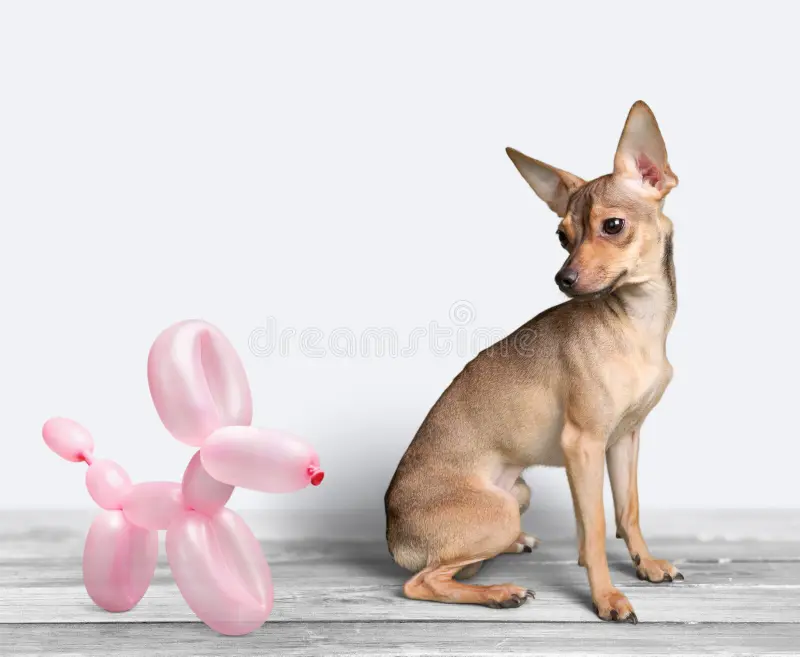
Shaping the Body and Back Legs
Twist the body section slightly longer than the front legs. This length helps the poodle stand upright and look well-balanced.
After the body, twist the back legs slightly thicker than the front. This adds stability and improves how the balloon stands when done.
Once the back legs are twisted, I secure everything by looping the remaining balloon into a tail. That tail is what completes the silhouette. I sometimes curl it slightly for effect, but most kids are just happy it looks like a dog.
Common Mistakes I See and Fix
Avoid twisting too tightly. High internal pressure can cause the balloon to pop with just a small extra twist. Keep your twists firm but not excessive.
Another issue is the uneven sizing of the ear bubbles. If one ear is bigger, the whole head looks tilted. I usually correct this by gently redistributing air before locking the twist, which is easier than starting over.
Never skip the initial stretching step. Taking a few seconds to stretch the balloon prevents future twisting issues and popping.
How I Practice and Improve Speed
When I am not working events, I sometimes practice while watching television or sitting outside in the evening. I keep a small bundle of balloons in my van, and I will run through basic shapes like the poodle until my hands move without thinking. That repetition matters more than raw talent.
I track my speed loosely by how many I can make before a balloon batch runs low. On a good day, I can twist a simple poodle in under two minutes without rushing or compromising shape. That consistency helps when I am dealing with long lines of impatient kids.
I also teach newer helpers by letting them copy my movements slowly first. I do not correct everything at once. I let them feel the tension of the balloon so they understand how much pressure is safe. That approach usually clicks faster than giving long instructions.
The balloon poodle looks simple, but it teaches control, timing, and patience in a way most people do not expect. I still refine small details every time I make one, even after years of doing it. The shape never really becomes automatic in the way people assume it should, and that is part of what keeps it interesting for me.