Working With Seal Point Cats in Daily Grooming and Care
I am a mobile cat groomer who has spent years moving between apartments, small houses, and pet salons, working with cats that range from calm lap sitters to highly reactive personalities. Seal point cats show up in my schedule more often than people expect, usually because owners are curious about their coat pattern and sensitive temperament.
Over time, I have learned that these cats are not just about looks; they carry a set of behaviors and care needs that reward patience. I have handled several hundred seal-point-type cats in different environments, and each taught me something slightly different about handling and trust.
What seal point cats actually are in real life
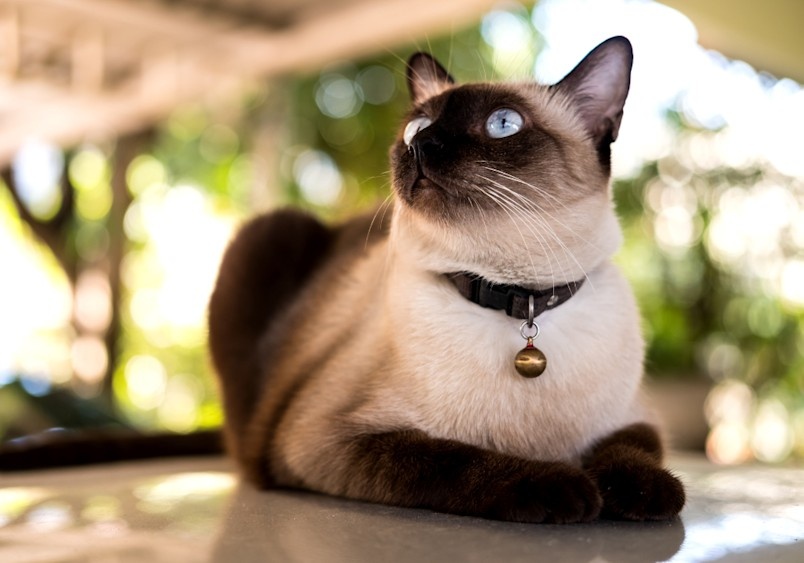
Seal point cats are a color variation most commonly associated with Siamese and related breeds, in which the body remains lighter while the ears, face, paws, and tail darken to deep brown tones. The contrast becomes more noticeable in cooler environments, as I have seen clearly while grooming cats during winter visits to drafty homes. One customer last spring had a young seal point kitten that looked almost cream colored indoors but turned noticeably darker after a few weeks of colder weather. That shift always surprises new owners more than the cat itself seems to care about.
From my experience working in different neighborhoods, seal-point cats are often mistaken for a separate breed, but they are really a color expression across multiple breeds. I once explained this while working in a small home where the owner had assumed her cat was a rare imported breed. She had even been researching breeders through seal point cats before realizing the cat she adopted from a local shelter was simply a seal point domestic mix. These conversations come up often during grooming sessions because owners naturally become curious when their cat looks visually distinct.
Temperament-wise, I notice seal point cats often carry a strong attachment to routines and specific people in the home. They are not always the most outgoing with strangers, and I have had sessions where I spent the first fifteen minutes just sitting quietly before attempting any handling. That patience usually pays off, because once they decide you are safe, they become more cooperative than many other coat varieties I work with. I would not call them predictable, but they do respond well to calm, consistent care.
Grooming seal point cats in a mobile setup
In my mobile grooming van, space is limited, so every cat that comes in requires careful positioning and timing. Seal point cats usually have short coats, but that does not mean grooming is unnecessary. I still deal with shedding, nail maintenance, and occasional skin sensitivity, which is more pronounced in lighter-bodied cats. One afternoon, I worked on a seal point cat that had been rolling on dusty floors, and the contrast between clean and dirty fur was easy to see because of the coat pattern.
Working inside a mobile setup also means I have to adjust my approach depending on how the cat reacts to movement and sound. Some seal point cats are calm enough to sit through a full grooming session without much restraint, while others need breaks every few minutes to avoid stress buildup. I remember a case where I had to pause three times just to let a cat reset after reacting to the sound of the dryer. The goal is always to keep the experience manageable, not rushed.
Hydration and skin condition matter more than many owners expect, especially for indoor cats that experience little environmental variation. I often suggest simple home brushing routines because they reduce the need for heavy intervention later. Regular light brushing once or twice a week makes a noticeable difference in coat smoothness and reduces hair buildup around furniture. Small habits like that make grooming visits easier for both the cat and the owner.
Behavior patterns I notice over repeated visits.
After repeated visits to the same homes, I start seeing patterns in how seal point cats respond to me over time. The first visit is usually the most tense, but by the third or fourth appointment, many of them recognize my tools and settle in more quickly. I had one cat that used to hide under the bed every time I arrived, but after several months, it began waiting near the doorway. That kind of change is slow but very real.
These cats also tend to be sensitive to tone and movement, so sudden gestures can quickly reset progress. I avoid forcing interactions because it almost always backfires with this type of temperament. Instead, I let them observe for a while, even if that means the grooming session starts later than planned. Over time, that approach reduces resistance and makes handling safer for everyone involved.
Owners sometimes describe seal point cats as “dramatic,” but I think that is just their way of expressing strong preferences. They are not difficult in a chaotic sense; they are simply clear about boundaries. Once you understand that, working with them becomes more predictable and far less stressful.
Living with seal point cats long term
Long-term care for seal point cats is not complicated, but it does require consistency. Diet, environment, and attention all play a role in how stable their behavior stays over time. I have seen cats that become noticeably calmer when their routine feeding and resting patterns are kept steady. Disruption usually shows up in behavior before anything else, especially in more sensitive individuals.
Temperature can also influence their appearance and sometimes even their mood. In colder rooms, the darker points become more pronounced, which owners often find fascinating. I have had clients tell me their cats look “different” in winter without realizing it is a natural temperature response in their coat genetics. It is one of those small details that make seal-point cats interesting to observe over the seasons.
At the end of the day, working with these cats has taught me that patience matters more than technique alone. Tools help, but reading the animal in front of you matters more. Seal point cats respond best when they feel they are not being rushed or pressured into cooperation.