Identify Your Cat’s Breed: A Step-by-Step Guide
A Veterinarian’s Perspective
One of the most common questions I hear in the exam room is surprisingly simple: “What breed is my cat?” As a veterinarian with more than a decade of experience in small-animal practice, I’ve had this conversation with hundreds of cat owners. Many people expect a quick, definitive answer. The truth is that identifying a cat’s breed is rarely that straightforward.
Most cats I see in everyday practice are not purebred. They’re wonderful, unique companions with mixed ancestry, and that’s part of what makes them interesting. Still, there are clues—both physical and behavioral—that can help narrow things down. Over the years, I’ve learned that understanding those clues can also help prevent many misconceptions.
Most Cats Aren’t a Specific Breed
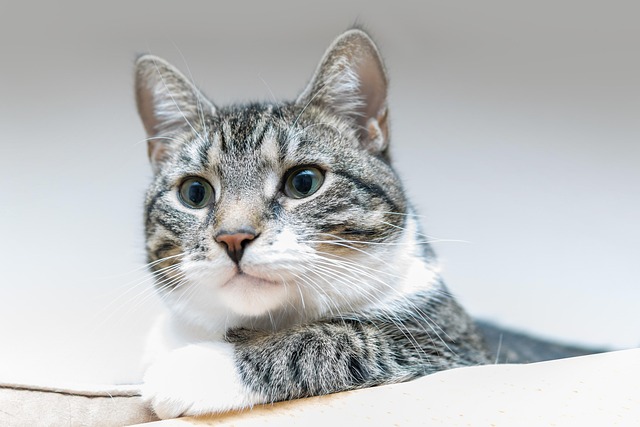
One of the first things I explain to owners is that most cats don’t belong to any formal breed. In veterinary records, we usually classify them as Domestic Shorthair, Domestic Medium Hair, or Domestic Longhair. Those terms aren’t breeds in the strict sense; they simply describe coat length.
Many people assume their cat must be something more specific. A fluffy gray cat might be labeled a “Russian Blue mix,” while a large, long-haired cat is often assumed to be part Maine Coon. In my experience, these guesses are usually based on appearance rather than genetics.
I remember a family that brought in a striking silver-gray cat they had adopted from a shelter. They were convinced she was a rare breed and had spent weeks comparing photos online. After examining her, I explained that she was most likely a domestic shorthair with a beautiful coat color. The owners seemed a bit disappointed at first, but by the end of the appointment, they were laughing about how they had tried to trace her “royal lineage.”
Physical Traits Can Offer Clues
Although many cats are mixed, certain physical features can suggest breed ancestry. When I examine a cat, I usually start with the overall body structure.
Some breeds have distinctive builds. Large, muscular cats with long bodies and prominent ear tufts sometimes resemble Maine Coons. Slender cats with long legs and wedge-shaped faces may hint at Siamese ancestry. Others have unusual coat patterns or textures.
Coat type can also reveal something about a cat’s background. Curly coats, for instance, occasionally appear in breeds like the Devon Rex. Thick double coats and heavy ruffs around the neck are more typical in northern breeds.
Still, appearance alone rarely confirms a breed. Many mixed-breed cats share these traits simply by chance.
Behavior Sometimes Points to Heritage
Behavior can occasionally provide another hint. Over the years, I’ve noticed certain personality traits that loosely align with breed tendencies.
Siamese-type cats tend to be vocal and socially demanding. Bengal-type cats often show intense curiosity and a love for climbing. Persian-type cats usually have calmer temperaments.
That said, personality is shaped by environment as much as genetics. I’ve met quiet Siamese mixes and extremely talkative domestic shorthairs. Cats have a way of ignoring the rules we try to assign them.
A client once brought in a young cat who constantly chirped and followed her around the house. She suspected Siamese ancestry even though the cat didn’t have the typical color pattern. After watching the cat interact during the exam, I agreed that some behavioral traits matched what I see in Siamese lines. But without pedigree records, we could only describe it as a possibility.
The Limits of Visual Identification
People are often surprised to learn that even veterinarians can’t reliably identify most cat breeds by sight alone. The majority of cats lack documented lineage.
A few years ago, a couple adopted a fluffy orange kitten they believed to be a purebred Maine Coon. They had seen photos online and felt certain. By the time the cat reached adulthood, he was clearly much smaller than a typical Maine Coon and lacked several defining features. He turned out to be a perfectly healthy domestic longhair—just not the breed they expected.
Situations like that aren’t uncommon. Breed identification in cats works very differently from that of dogs. Dog breeds often exhibit dramatic physical differences, whereas many cat breeds share a similar appearance.
DNA Tests for Cats
In recent years, several companies have begun offering DNA testing for cats. Some owners ask about them during appointments, especially if they’re curious about their cat’s ancestry.
These tests can provide interesting insights, but I usually explain their limitations. The science is still developing, and results may not always be definitive. For mixed-breed cats, the report may simply indicate small genetic similarities to multiple breeds.
One client showed me a DNA report for her cat that listed five different breeds in tiny percentages. She joked that her cat was “a little bit of everything,” which honestly wasn’t far from the truth.
Shelter Cats and Unknown Backgrounds
Cats adopted from shelters or found outdoors often have the most mysterious backgrounds. In my experience, these cats are typically domestic mixes with no specific breed ancestry.
I once treated a rescued kitten that had an unusual spotted coat. The owners hoped it might be related to Bengal cats. As the kitten grew, however, the coat pattern changed significantly, looking more like a standard tabby pattern. Genetics can surprise you, especially in mixed cats.
The important thing I remind people is that a cat doesn’t need a documented breed to be special. Many of the healthiest and most adaptable cats I’ve treated have been mixed-breed rescues.
Common Mistakes Owners Make
Over the years, I’ve noticed a few recurring misunderstandings when people try to identify their cat’s breed.
The most common mistake is assuming that a physical trait automatically means a specific breed. Long fur doesn’t necessarily mean Persian ancestry, and a large body doesn’t guarantee Maine Coon heritage.
Another mistake is relying heavily on internet comparisons. Photos online can be misleading, and lighting, grooming, or camera angles can make a cat look like something it isn’t.
I’ve also seen owners assume that a rare coat color indicates a rare breed. In reality, many unusual colors appear naturally in mixed-breed cats.
Why Breed Matters Less Than Health
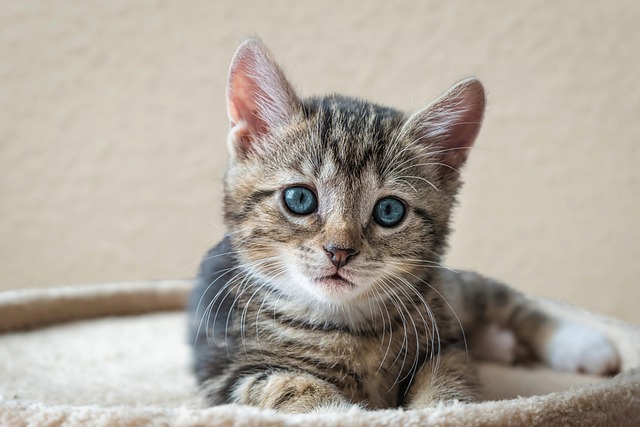
In veterinary practice, breed identification rarely changes how I care for a cat medically. Health history, age, lifestyle, and current symptoms matter far more than breed labels.
There are a few genetic conditions linked to certain breeds, but those situations typically involve cats with documented pedigrees. For the average household cat, routine wellness care remains the same.
In fact, mixed-breed cats often benefit from genetic diversity. They sometimes show fewer inherited health problems than highly specialized breeds.
Appreciating the Cat You Have
After years of practice, I’ve learned that breeding curiosity usually comes from affection. Owners want to better understand their cats. That curiosity is completely natural.
Still, I often encourage people to shift the focus slightly. Instead of asking “What breed is my cat?” it can be more helpful to ask, “What kind of personality and needs does my cat have?”
Those answers tend to matter far more in daily life. A cat’s habits, energy level, and preferences tell you how to care for them far better than any breed label ever could.
Most cats are simply unique individuals with mixed ancestry and their own quirks. In my experience, that unpredictability is part of what makes living with cats so fascinating.