Working With Lilac Tortoiseshell Cats in Everyday Grooming Practice
I work as a mobile cat groomer, moving between homes with a compact setup built into a van that carries tubs, dryers, and calming sprays. Over the years, I have handled many unusual coat patterns, but lilac tortoiseshell cats always get a second look from owners before I even touch the brush. Their soft pastel mix of lavender-gray and warm cream tones makes them look almost painted rather than naturally coated. I first started noticing them more frequently a few years into my grooming work when indoor breeding trends shifted coat variations in subtle ways.
Understanding the Lilac Tortoiseshell Coat Pattern
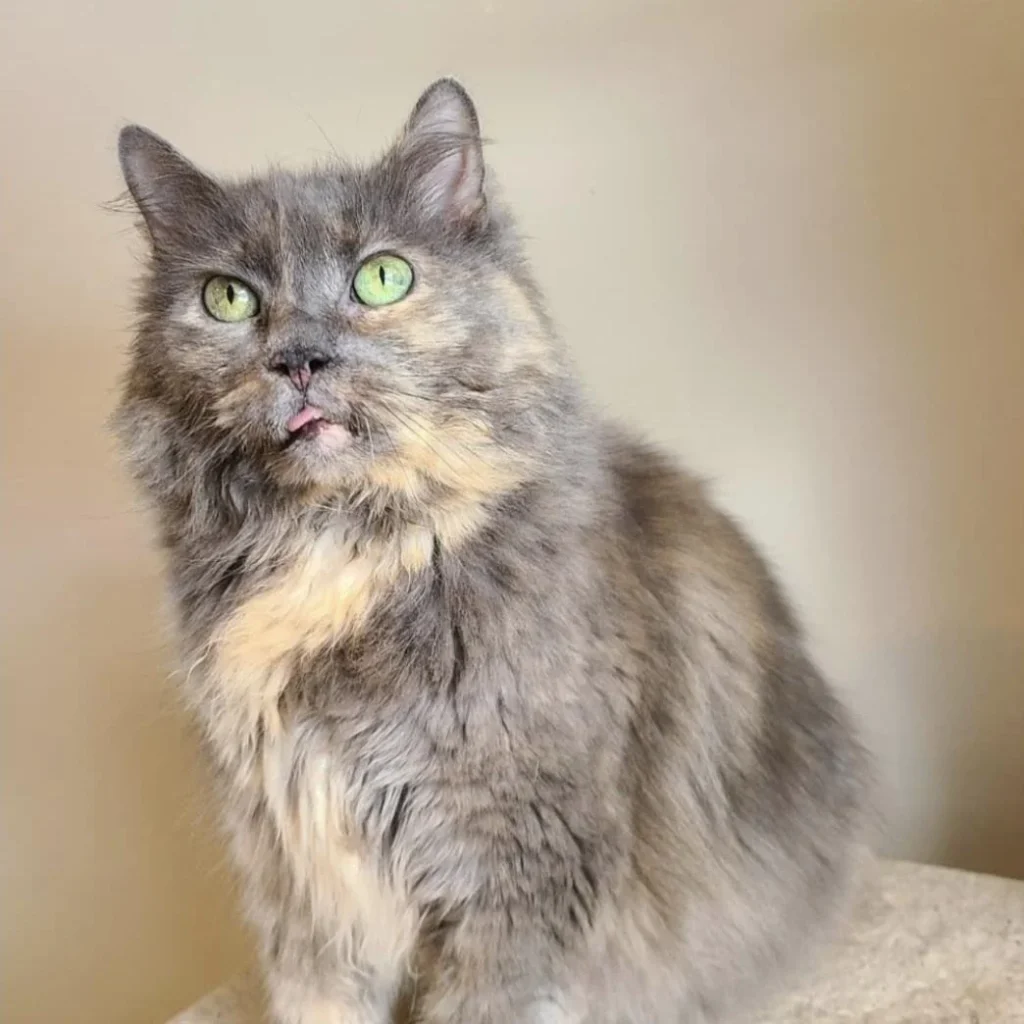
In my experience, the lilac tortoiseshell pattern is one of the most visually delicate combinations you can find in domestic cats. It blends diluted black pigment, which appears as soft lilac-gray, with muted reds or creams, creating a patchy, almost watercolor effect. I often explain to clients that this is not a breed but a color expression, meaning it can appear in different cat types, especially mixed-breed domestic shorthairs. I have seen it most often in indoor cats with calm environments, though that is more coincidence than rule.
The genetics behind this coat are tied to complex dilution genes that soften the standard tortoiseshell mix into lighter tones. I still remember a customer last spring who brought in a young cat, thinking the coat had faded due to health issues, but it was simply the lilac dilution expressing fully as the kitten matured. The coat often shifts slightly in tone depending on lighting, which surprises new owners. In strong daylight, the lilac becomes more noticeable, while indoor lighting makes the cream patches stand out more.
Most of the time, I advise owners not to overthink the rarity claims for these cats, since online discussions often exaggerate their scarcity. They are uncommon compared to standard tortoiseshells, but not mythical in the grooming world. I have handled enough over the years to say they appear regularly in mixed litters. What stands out more is how each one still looks visually unique, even within the same color classification.
Living With Them and Grooming Environment Setup
When I work with lilac tortoiseshell cats during home visits, I focus first on calming the environment rather than immediately reaching for grooming tools. Their temperament varies widely, but I notice many of them respond strongly to unfamiliar noise or sudden movement, especially during initial sessions. A gentle introduction with brushing often sets the tone for the rest of the appointment, so I take my time in those first minutes. I also keep my tools slightly warmer than room temperature, which seems to help reduce tension in sensitive coats.
In one case, I helped a client prepare a dedicated grooming corner at home after repeated stress during bath sessions. They later booked a consultation with a local pet care provider for a lilac tortoiseshell cat to redesign the space for calmer handling. That adjustment made a noticeable difference in how the cat reacted during grooming visits, especially during drying sessions. I noticed fewer resistance behaviors within just two appointments after the change.
Most lilac tortoiseshell cats I encounter prefer predictable routines, and I adjust my visits accordingly. I avoid rushing through brushing, even when schedules are tight, because it usually leads to resistance later. A calm approach tends to reduce shedding spikes and prevent matting, especially in medium-haired individuals. Over time, the cats come to recognize my presence as part of their routine, making each visit smoother than the last.
Grooming Challenges I Commonly See
One challenge I often face is uneven coat texture across different color patches. The lilac areas can feel slightly finer, while the cream sections sometimes develop thicker undercoats in response to seasonal changes. This variation means the brushing technique cannot stay identical across the entire body. I adjust pressure and direction depending on the section I am working on, which takes practice to get right without causing discomfort.
Another issue I frequently notice is mild matting under the chest and hind legs, especially in cats that spend most of their time indoors. Indoor humidity and limited movement can create small tangles that build slowly over the course of weeks. I usually tell owners that early detection matters more than aggressive detangling sessions. A few minutes of regular brushing every other day can prevent a grooming session that might otherwise take over an hour.
Behavior also plays a big role in how smoothly grooming goes. I have worked with lilac tortoiseshell cats who sit calmly for 30 minutes and others who need breaks every 5 minutes. Patience becomes part of the technical process, not just a personality trait of the groomer. The difference often comes down to early handling experiences during kittenhood, which shape their long-term response to grooming tools.
Health Notes and Long-Term Care Observations
From a grooming standpoint, I pay close attention to skin condition beneath the lilac and cream areas because coat dilution can sometimes make irritation more visible. While there is no direct health issue tied to the color itself, I have seen cases where owners miss early signs of dryness because the lighter pigmentation can hide redness. Regular inspection during brushing helps catch these issues early, before they become larger concerns.
Diet also influences coat quality more than most people expect. I have observed that cats on inconsistent feeding routines tend to develop duller coats, regardless of their color or pattern. In contrast, balanced diets often bring out a softer sheen in the lilac tones, making the coat look smoother and more defined under natural light. I usually suggest small adjustments rather than drastic diet changes unless a veterinarian recommends otherwise.
Adoption trends for these cats have increased slightly in recent years, especially among people who prefer unique coat aesthetics. I have seen families choose them because of their muted, artistic coloring rather than any breed preference. That visual appeal often leads to more attentive grooming habits at home, which benefits the cat in the long run. Still, I always remind owners that personality matters more than appearance when building a long-term bond.
After working closely with different coat types for many years, I have learned that lilac tortoiseshell cats are less about rarity and more about subtle variation within familiar genetics. Each one I handle reinforces how small changes in pigment expression can create an entirely different visual identity. Even now, I still pause for a moment when a new one arrives at my grooming table, not because it is unusual, but because no two ever look quite the same.