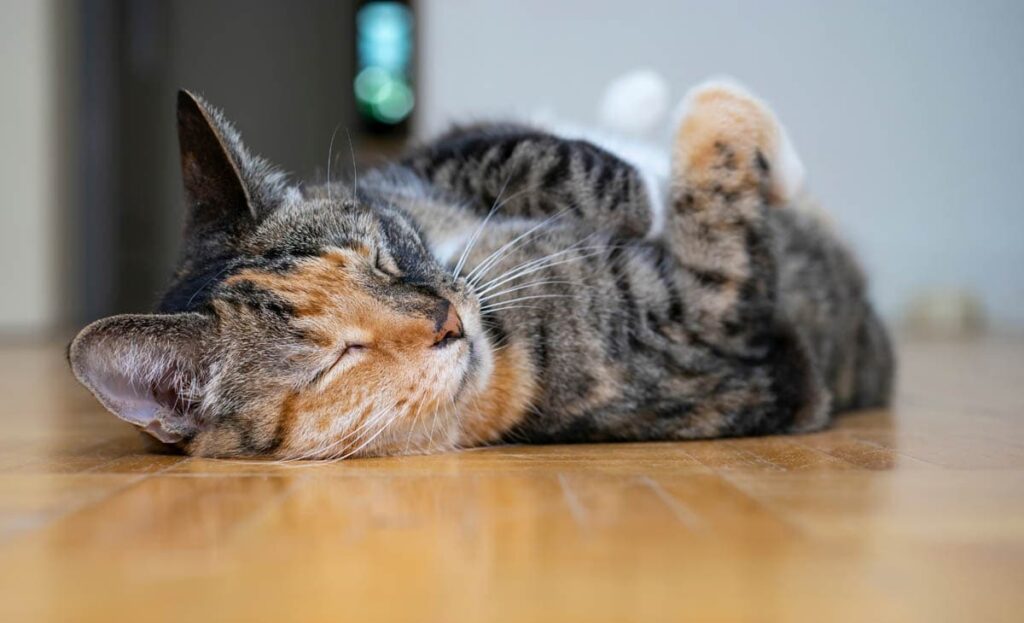
Cat Vomit Color Chart
Mar
Cat Vomit Color Chart: What the Colors Tell Me as a Veterinarian

After more than a decade working as a licensed veterinarian in small-animal clinics, I can say that cat vomit is one of the most common concerns pet owners bring through the door. Sometimes a client walks in with a worried expression and a paper towel wrapped carefully in a plastic bag. Other times, they just show me a photo on their phone.

I understand the worry. Vomiting in cats can mean anything from a harmless hairball to a serious illness. The color often provides the first clue about what’s happening inside.

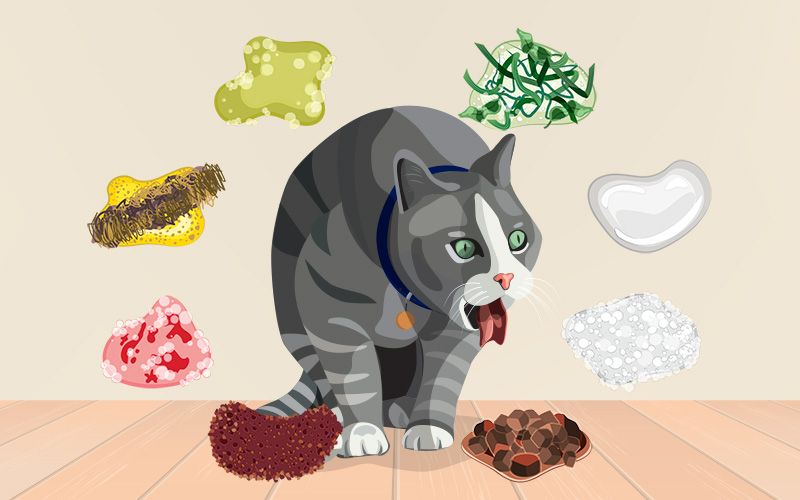
Color alone doesn’t tell the whole story, but it can help point us in the right direction. I explain this with a simple mental ‘vomit color chart’ to help owners understand what they’re seeing.

Clear or Foamy Vomit

Clear or slightly foamy vomit is probably the type I hear about most often.

In many cases, this happens when a cat’s stomach is empty. The stomach continues producing acid, and eventually that irritation causes the cat to vomit a small amount of fluid. The liquid may look clear, white, or lightly foamy.

I remember a young indoor cat brought to me by a first-time owner a few years ago. The owner thought something was terribly wrong when the cat vomited clear foam early in the morning. After talking through the cat’s routine, we realized the cat had gone nearly 12 hours overnight without food. Splitting the meals into smaller portions throughout the day solved the problem almost immediately.

In my experience, clear vomit is commonly linked to:

  • Empty stomach irritation
  • Mild nausea
  • Hairballs are forming but not fully expelled.
  • Occasional stomach upset

If it happens occasionally and the cat otherwise behaves normally—eating, playing, and using the litter box—it usually isn’t alarming. But frequent episodes are worth investigating.

Yellow Vomit

Yellow vomit usually means bile is present.

Bile is produced in the liver and stored in the gallbladder, helping break down fats during digestion. When the stomach is empty or irritated, bile can reflux into the stomach and be vomited out.

It can range from pale yellow to mustard.

One case that sticks in my mind involved an older cat who vomited yellow bile several mornings in a row. The owner assumed it was hairballs. During the exam, I noticed the cat had lost some weight, and further tests eventually revealed early inflammatory bowel disease. Once the cat started a specialized diet and medication, the bile vomiting stopped.

Yellow vomit can indicate:

  • Empty stomach bile reflux
  • Digestive inflammation
  • Food intolerance
  • Early gastrointestinal disease

I tend to pay closer attention when bile vomiting becomes a pattern rather than a one-time incident.

Green Vomit

Green vomit is less common but tends to worry owners more because of the color.

True green vomit usually contains more bile or partially digested plant material. Cats that chew houseplants or grass often produce greenish vomit shortly afterward.

I’ve seen this many times in spring. A client once rushed in, convinced her cat had been poisoned because the vomit was green. After asking a few questions, she remembered the cat had been chewing a decorative plant on the windowsill. Fortunately, it wasn’t toxic—just irritating to the stomach.

Still, green vomit can occasionally signal:

  • Significant bile reflux
  • Intestinal irritation
  • Ingestion of plants or foreign material

If a cat seems lethargic, refuses food, or keeps vomiting green fluid, I advise owners not to ignore it.

Brown Vomit

Brown vomit can mean different things depending on its shade and consistency.

Sometimes it simply represents digested food that has been sitting in the stomach. Cats that eat quickly or regurgitate shortly after meals may produce brownish vomit containing partially digested kibble.

However, darker brown vomit can sometimes indicate digested blood from the stomach or upper intestines. This tends to have a thicker, almost coffee-ground appearance.

A few years ago, I examined a cat whose owner described the vomit as “mud-colored.” That description immediately caught my attention. The cat had been hiding more than usual and eating less. Tests later revealed a stomach ulcer, which fortunately responded well to treatment once we caught it.

Brown vomit isn’t always serious, but I’m cautious if the cat also shows appetite or behavior changes.
Cat Vomit Color Chart

Red or Pink Vomit

Red or pink vomit means blood is present, and that always deserves attention.

Sometimes the blood is minor, appearing as pink streaks in clear or yellow fluid. Minor irritation of the throat or stomach lining can cause this.

But brighter red blood suggests active bleeding somewhere in the digestive tract.

One situation I remember clearly involved a long-haired cat who had been vomiting repeatedly from a severe hairball obstruction. By the time the owner brought her in, the vomit had started showing pink streaks from irritation in the esophagus. Thankfully, we were able to resolve the obstruction before things became more serious.

Blood in vomit can result from:

  • Severe vomiting irritation
  • Foreign objects in the stomach
  • Ulcers
  • Toxin exposure
  • Gastrointestinal disease

Even small amounts of blood should be discussed with a veterinarian, especially if vomiting continues.

Hairballs Mixed With Vomit

Many owners assume every vomiting episode is a hairball. In reality, true hairballs look very specific.

They usually appear as tubular clumps of tightly packed hair surrounded by mucus or stomach fluid. The fluid may be yellow or clear.

During heavy shedding seasons, especially spring and fall, I see a spike in hairball-related vomiting. Long-haired breeds are particularly prone to it.

I often advise brushing routines and hairball-control diets before reaching for medications. In many cases, simple grooming changes can dramatically reduce the issue.

Mistakes I See Cat Owners Make

Over the years, I’ve noticed several patterns that lead to delayed treatment or unnecessary panic.

The most common mistake is thinking vomiting is always “normal for cats.” Occasional vomiting happens, but frequent episodes need investigation.

Another issue is focusing only on the color while ignoring the cat’s overall behavior. A bright, active cat who vomits once is very different from a cat who hides, refuses food, and vomits repeatedly.

I also see owners switch foods too quickly when vomiting appears. Sudden diet changes often make the situation worse rather than better.

When Vomit Color Signals an Emergency

Most vomiting cases can wait for a scheduled veterinary visit, but certain signs push me to act quickly.

If a cat vomits large amounts of blood, dark coffee-ground material, or persistent green bile, I recommend immediate evaluation. The same applies if vomiting is paired with lethargy, abdominal pain, or refusal to drink water.

Kittens and senior cats can deteriorate faster, so I’m especially cautious with them.

What I Tell Cat Owners to Watch For

Whenever a client calls the clinic about vomiting, I ask a few simple questions to determine urgency.

How often is the cat vomiting?

What color is the fluid?

Is there food, hair, or foreign material in it?

Is the cat still eating and behaving normally?

Those details give me a clearer picture than color alone.

After years of practice, I’ve learned that the floor stain a cat leaves behind often tells a story. Not always the whole story—but enough to guide the next step toward helping that cat feel better.


Can a Dog Get a Cat Pregnant
Mar
Can a Dog Get a Cat Pregnant? A Veterinarian Explains

During my years as a small-animal veterinarian, one question that surprises many people is whether a dog can get a cat pregnant. I’ve heard it from worried pet owners who saw unusual behavior between their pets, and from curious kids who genuinely want to understand how animals reproduce.

The main takeaway is clear: a dog cannot get a cat pregnant, under any circumstances.

Let’s explore why this is the case, so pet owners can better understand animal interactions and avoid unnecessary concerns.

Why Dogs and Cats Cannot Reproduce Together

Dogs and cats belong to entirely different biological families. Dogs are part of the Canidae family, while cats belong to Felidae. These groups separated millions of years ago in evolutionary history, and their reproductive systems are simply incompatible.

For pregnancy to occur, several very specific biological conditions must line up:

  • The sperm and egg must be genetically compatible
  • The sperm and egg must be genetically compatible. lization
  • The chromosome numbers must match closely enough to produce an embryo. chromosomes, and a cat has 38, so the genetic mismatch prevents fertilization or embryo development.

In practical veterinary terms, there has never been a documented case of a dog-cat hybrid. It’s biologically impossible.

Why Some Pet Owners Think It Happened

Over the years, I’ve had several conversations with owners who believed their dog might have impregnated their cat. The concern usually comes from witnessing unusual behavior.

A notable example was when a client brought in her cat, worried the neighbor’s dog had mated with her after seeing mounting behavior.

From the owner’s perspective, it looked like mating.

In reality, the dog was reacting to hormonal signals. When female cats are in heat, they release strong pheromones that can attract male animals—including dogs. The dog’s behavior was instinctive, not reproductive.

After learning about the biological differences, the owner was relieved. The cat later became pregnant by another neighborhood cat.

Animals Sometimes Attempt to Mate Across Species

This surprises people, but animals don’t always recognize species boundaries the way humans do. Hormones and instinct often drive their behavior.

Another example involved a dog persistently mounting the household cat. The cat tolerated it briefly before leaving.

What was happening was simple dominance and misplaced mating behavior. Male dogs, especially those that aren’t neutered, sometimes mount other animals—including cats, other dogs, or even objects like pillows.

It looks alarming, but it doesn’t lead to pregnancy.

Can a Dog Get a Cat Pregnant

The Real Risk: Stress and Injury

While pregnancy is impossible, these interactions can still create problems.

Cats generally don’t tolerate being mounted by dogs. Dogs are much larger, and even playful behavior can stress or injure a cat.

I once treated a limping cat after repeated harassment from a household dog, who became overly interested when the cat was in heat.

At first, the owner thought it was harmless, but the stress led the cat to stop eating normally and start hiding.

After we discussed the situation, the owners chose to spay the cat and neuter the dog. The behavior stopped almost immediately.

A Common Mistake I See in Multi-Pet Homes

One of the most common misunderstandings I encounter is the belief that different species don’t react to each other’s reproductive cycles.

In reality, dogs can absolutely detect when a cat is in heat. Their sense of smell is powerful enough to pick up hormonal changes easily.

When that happens, you might see:

  • Dogs obsessively sniffing the cat
  • Following the cat around, the dogs are obsessively sniffing the cat. Their agitation or whining.

Owners sometimes assume this means mating is possible. In truth, it’s simply a dog responding to strong reproductive scents.

Spaying or neutering usually eliminates the problem.

Why Cross-Species Hybrids Are So Rare

People often bring up animals like mules or ligers when this topic comes up.

Those hybrids occur because the parent species are very closely related genetically. Horses and donkeys share a recent evolutionary history. Lions and tigers belong to the same genus.

Dogs and cats are not remotely that close.

They diverged tens of millions of years ago and have completely different reproductive biology.

In practical veterinary medicine, this question comes up regularly, but the answer has always remained the same.

What to Do if Your Dog Keeps Mounting Your Cat

From a veterinary perspective, the goal is to reduce stress and prevent injury. If it hasn’t been done already

  • Provide escape spaces for the cat like high shelves or cat trees
  • Provide escape spaces for the cat, like high shelves or cat trees. Avoid training or exercise.

In my experience, once hormones are removed through spaying or neutering, most of these behaviors disappear quickly.

The Question That Always Comes From Kids

Every so often, a child in the exam room asks this question directly. I actually enjoy those moments because they open the door to explain how animal biology works.

I usually tell them something simple: dogs can only have puppies with other dogs, and cats can only have kittens with other cats.

It’s a straightforward truth that clears up the confusion immediately. Suppose their biology might overlap more than it does. But despite occasional strange behavior between pets, their reproductive systems are entirely separate.

To reiterate the main message: a dog cannot get a cat pregnant. What looks like mating is simply instinct, hormones, or dominance—not reproduction.

Different Types of Siamese Cats
Mar
How to Identify Different Types of Siamese Cats

What I’ve Learned After Years Working With the Breed

After more than a decade working as a veterinary technician in a busy small-animal clinic, I’ve handled hundreds of cats of all temperaments and body types. Few breeds spark as many questions from owners as Siamese cats. People often assume there’s only one “type,” but in reality, Siamese cats come in several distinct varieties.

I’ve had owners walk into the clinic holding two cats they both believed were Siamese, yet the animals looked completely different. One might have a sleek, wedge-shaped face and huge ears, while the other had a rounder head and thicker body. Both were technically Siamese — just different types.

Understanding these differences matters. Siamese types influence personality, health, and a cat’s vocalization. Matching the right type with the right household can make a big difference.

Types of Siamese Cats

Traditional Siamese (Applehead)

The traditional Siamese, often called the Applehead Siamese, is the closest to the original cats that came from Thailand generations ago. In my experience, these cats have the most balanced personalities of the group.

Physically, they’re easy to recognize once you know what to look for. The head is rounder, the body is sturdier, and the ears are proportionate rather than oversized. The name “Applehead” comes from the slightly rounded shape of its skull.

A few years ago, a couple brought in their Applehead Siamese because they were worried about her weight. They had read online that Siamese cats should look extremely thin. What they didn’t realize is that the term “slim body type” usually refers to modern show-line Siamese. Their cat was perfectly healthy — just built the way traditional Siamese are supposed to be.

Appleheads tend to be affectionate without being overwhelming. Many still talk a lot, but the volume and intensity usually feel more manageable than what I see in some modern Siamese lines.

Classic Siamese (Old-Style)

The Classic Siamese, sometimes called “Old-Style Siamese,” sits somewhere between the traditional Applehead and the modern show type.

These cats still have a slightly rounded face, but their bodies are slimmer and more elongated. The ears are larger, though not dramatically oversized.

I remember examining one belonging to a retired teacher who described her cat as “a roommate who talks constantly.” That’s actually a very accurate description of many Classic Siamese cats. They tend to be incredibly social and will often follow their owners from room to room.

One thing I’ve personally noticed about Classic Siamese cats is their intelligence. They learn routines quickly. In the clinic, they’re often the cats that figure out how to open carriers or manipulate latches. I’ve watched one push repeatedly against the carrier door until it popped open while the owner was filling out paperwork.

They’re wonderful companions, but they’re not a breed that enjoys being ignored for long stretches.

Modern Siamese (Show-Type)

The Modern Siamese is what most people picture after seeing show cats or advertisements. These cats have extremely slender bodies, long legs, very large ears, and a sharply triangular face.

The first time I handled one early in my career, I honestly thought something looked wrong because the head shape was so extreme compared to the cats I grew up around.

Over time, I’ve grown used to it, but I still caution owners about expectations. Modern Siamese cats tend to be incredibly vocal and extremely demanding of attention.

One client once joked that her Siamese had “daily conversations” with her. That wasn’t much of an exaggeration. The cat would start loudly calling the moment she returned from work and continue until dinner was served.

They’re affectionate and loyal, but they thrive in homes where someone is around frequently. In households where people are gone most of the day, these cats sometimes develop behavioral issues simply from boredom.

Color Variations of Siamese Cats

While the body types create different “types” of Siamese cats, the coat colors are another layer that often confuses owners.

Siamese cats have point coloration: ears, face, paws, and tail are darker than the body. I often explain that these variations are normal, not signs of mixed breeding.

The most common point colors I see include:

Seal Point – Dark brown points with a cream or fawn body. This is the classic Siamese look.

Chocolate Point – Lighter brown points with a warmer ivory body color.

Blue Point – Soft grayish-blue points with a cool-toned body.

Lilac Point – Pale gray with a slight pinkish tone. These are less common and usually stand out immediately. The term ‘lilac’ refers to the pale, almost silvery-gray color with a hint of pink.

One family brought in a kitten last spring, thinking something was wrong because the ears and tail kept getting darker. I had to explain that Siamese kittens are born nearly white, and their points develop over time due to temperature-sensitive pigmentation. Watching their relief was one of those small moments that remind me how unfamiliar the breed can be for first-time owners.

Personality Differences I’ve Seen

Although every cat is an individual, certain patterns recur in Siamese cats.

In the clinic, they’re among the most communicative cats I work with. Some practically narrate the entire examination. Others quietly observe but clearly expect interaction.

Owners sometimes underestimate just how social Siamese cats are. I once saw a case where a Siamese began knocking objects off shelves daily after the owner started working longer hours. Once the owner adopted a second cat and added more play sessions, the behavior almost completely stopped.

They are incredibly people-oriented animals. That can be wonderful, but it also means they don’t thrive in environments where they’re treated like background pets.

Common Misunderstandings I See

After years in veterinary practice, a few misconceptions about Siamese cats keep coming up.

One is that all Siamese cats look identical. As we’ve discussed, the difference between Applehead and modern Siamese can be dramatic.

Another is that they’re always aggressive or “mean.” In reality, most behavioral problems I see in Siamese cats stem from boredom or a lack of interaction.

The third misconception involves noise. People hear that Siamese cats are vocal and assume it’s exaggerated. In my experience, it usually isn’t. If someone prefers a quiet, independent cat, Siamese cats may not be the best match.

Different Types of Siamese Cats

Choosing the Right Siamese Type

If someone asks my professional opinion, I usually suggest spending time around the breed before committing. Their personalities are strong, and their social needs are higher than those of many other cats.

For families wanting a slightly calmer companion, traditional Applehead Siamese often work well. People who love highly interactive pets tend to enjoy Classic or modern Siamese cats.

Regardless of type, the defining trait remains the same: Siamese cats form intense bonds with their humans. I’ve seen them greet owners at the door like dogs, sleep tucked under blankets, and loudly demand attention the moment someone sits down.

After years working with them, I’ve come to think of Siamese cats less as quiet pets and more as outspoken household members who happen to have fur and striking blue eyes.

Patched Tabby
Mar
Different Types of Tabby Cats: What Years in Veterinary Practice Have Taught Me

After more than a decade working as a licensed veterinarian, I’ve learned that many cat owners misunderstand what a “tabby cat” actually is. People often walk into my clinic and say something like, “My tabby has been acting strange,” as if tabby refers to a breed. It doesn’t.

Tabby describes a coat pattern, not a breed. I’ve treated tabby-patterned cats from dozens of different breeds, along with plenty of mixed-breed house cats. The pattern itself is ancient and surprisingly varied, and once you know what to look for, you start noticing how different one tabby can be from another.

Over the years, I’ve also noticed that owners sometimes use the word “tabby” to describe almost any striped cat, which overlooks several distinct variations. Understanding these patterns isn’t just trivia for cat enthusiasts. It can help with identification, breeding records, and even tracking lost pets.

The Classic Tabby Pattern

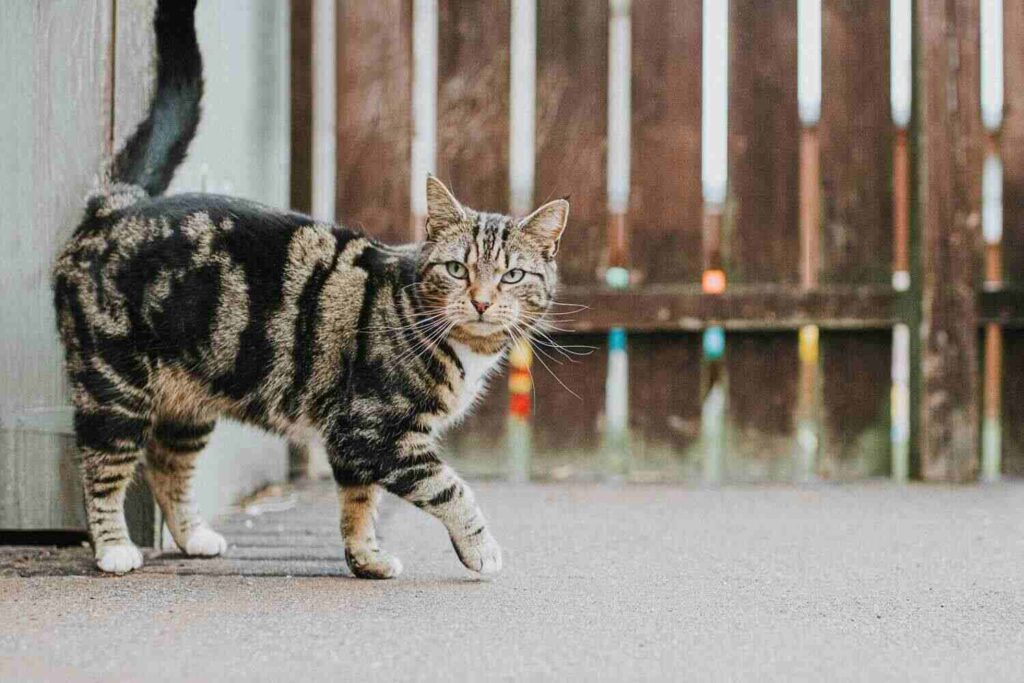
The classic tabby, sometimes called the “blotched tabby,” has one of the most recognizable coat patterns in domestic cats. Instead of narrow stripes, the markings form broad swirls that resemble marble.

I remember a client bringing in a large gray house cat one winter afternoon. She thought her cat had a skin condition because the fur looked “patchy” from a distance. Up close, though, the pattern was perfectly healthy—it was simply a dramatic classic tabby swirl pattern that stood out strongly against the lighter background coat.

Classic tabbies usually have:

  • Bold circular or spiral markings along the sides
  • Thick stripes along the spine
  • The familiar “M” marking on the forehead

That forehead “M” appears on nearly every tabby pattern, and once you start noticing it, you’ll see it everywhere.

In my experience, classic tabbies often appear in breeds like the American Shorthair, though I also see them frequently in mixed-breed cats that owners simply call domestic shorthairs.

Classic Tabby Pattern

The Mackerel Tabby

If someone tells me they have a tabby cat but doesn’t provide a photo, the safest assumption is usually a mackerel tabby. This is the most common tabby pattern I see in practice.

Instead of swirls, the coat has narrow vertical stripes that run down the sides of the body. The pattern reminds many people of a fish skeleton, which is exactly where the name “mackerel” comes from.

A family adopted a stray with striking dark stripes, thinking it was part wildcat. It turned out to be a mackerel tabby with a sharp contrast between its stripes and base coat.

That bold striping can sometimes make these cats look more exotic than they really are.

Typical features include:

  • Thin vertical stripes along the sides
  • A single dark stripe running along the spine
  • Banded markings around the legs and tail

Because the pattern is so widespread genetically, it shows up in countless mixed-breed cats.

The Spotted Tabby

Spotted tabbies look dramatically different at first glance, even though they come from the same genetic family.

Instead of long stripes, the markings break into spots. These can be small and evenly spaced or large and irregular, depending on the cat.

I once examined a rescue cat with perfectly round spots that the shelter believed might be a rare breed. After a closer look, it was simply a domestic shorthair with a striking spotted tabby pattern.

The spots are thought to form when the typical mackerel stripes become genetically “interrupted.” Rather than continuous lines, they split into dots or short dashes.

Breeds like Bengals or Egyptian Maus are famous for spotted coats, but many ordinary house cats display this pattern as well.

The Ticked Tabby

Ticked tabbies often confuse people because they don’t appear striped at all from a distance.

Instead of visible stripes across the body, each individual hair contains bands of color. This creates a subtle, almost sandy appearance across the coat.

As a young veterinarian, I examined a lean cat whose owner insisted it was a tabby, despite lacking stripes. On closer inspection, faint face and leg markings revealed a classic ticked pattern.

Cats with this pattern usually have:

  • Minimal body striping
  • Subtle facial tabby markings
  • Agouti banding on individual hairs

The Abyssinian breed is well known for this coat style, though I’ve encountered similar patterns in mixed-breed cats, too.

The Patched Tabby (Torbie)

One pattern that often confuses new cat owners is the patched tabby. Veterinarians sometimes refer to this as a “torbie,” a blend of tortoiseshell and tabby patterns.

These cats have tabby striping with patches of orange or cream. The result is a complex coat that looks almost mosaic-like.

A client once brought in a cat with orange patches and gray striping, assuming it was a tortoiseshell-tabby mix. In reality, it was a torbie pattern, common in female cats.

Patched tabbies typically show:

  • Tabby striping combined with orange patches
  • Varied color zones across the body
  • Distinct tabby markings on the face

Because of the genetics involved, most torbies are female. That’s something I often explain to curious owners who wonder why they rarely see male cats with the same pattern.

Patched Tabby

A Few Details Owners Often Miss

After examining thousands of cats, certain small tabby details become easy to spot.

Nearly all tabbies share several subtle features:

  • The “M” marking on the forehead
  • Dark lines extending from the eyes
  • Banded tails
  • Light-colored chin and muzzle areas

Even ticked tabbies usually have these facial markings.

Another detail I often point out during routine exams is the contrast between the base coat and the pattern. Healthy tabbies tend to have a very clear separation between those colors. When that contrast fades suddenly, it sometimes signals underlying health issues or nutritional problems.

It’s a small observation, but one that occasionally helps us catch problems earlier.

Why Understanding Tabby Patterns Matters

For most owners, knowing the type of tabby pattern is simply interesting. But it can also be surprisingly useful.

Shelters often rely on pattern descriptions when identifying or tracking animals. If a cat goes missing, describing it as a “brown tabby” may not narrow things down much. But describing a “spotted tabby with orange patches” dramatically improves the odds of correct identification.

In veterinary practice, I also see how patterns influence perception. Some owners assume certain markings mean their cat is a rare breed. Others worry unusual patterns signal health issues.

In reality, tabby patterns are simply one of the most common—and most beautiful—coat variations in domestic cats. After years of working with them daily, I still catch myself noticing a particularly striking swirl or unusual set of spots during routine checkups. Even after thousands of exams, tabby coats rarely look exactly the same from one cat to the next.

Cat Eye Colors
Mar
The Real Story Behind Cat Eye Colors — From a Veterinarian’s Perspective

During my years as a practicing small-animal veterinarian, I’ve found that cat eye color fascinates both owners and professionals. Surprisingly often, instead of medical questions, clients lean over the exam table and ask, “Is it normal that her eyes changed color?” or “Why are his eyes two different colors?”

Cat eye colors fascinate people, and honestly, they fascinate me too. After examining thousands of cats over the years, I’ve learned that those striking eye colors aren’t just cosmetic. They often tell a quiet story about genetics, age, and sometimes health.

Why Kittens Start With Blue Eyes

Nearly every kitten I examine during early wellness visits has the same eye color: cloudy blue. New cat owners often assume that’s the color their cat will keep forever.

That’s rarely the case, and the color changes are just the beginning of the story.

In kittens, the blue appearance isn’t actually pigment. It’s simply light scattering through an eye that hasn’t developed melanin yet. As the kitten grows—usually between six and twelve weeks—the cells that produce pigment begin to activate. Gradually, the eye color shifts into its permanent shade.

I remember a young couple bringing in a gray kitten they had rescued from behind a restaurant dumpster. The kitten had bright blue eyes, and they were convinced they had found a rare breed. A few weeks later, during the follow-up vaccine appointment, those eyes had turned a deep golden amber. They were shocked, but the explanation was a completely normal development.

I’ve seen this transition hundreds of times, and it never ceases to be interesting.

The Most Common Cat Eye Colors I See

While there are many variations, most domestic cats fall into a handful of color groups. Over the years of exams, these are the shades I encounter most often.

Yellow or Gold

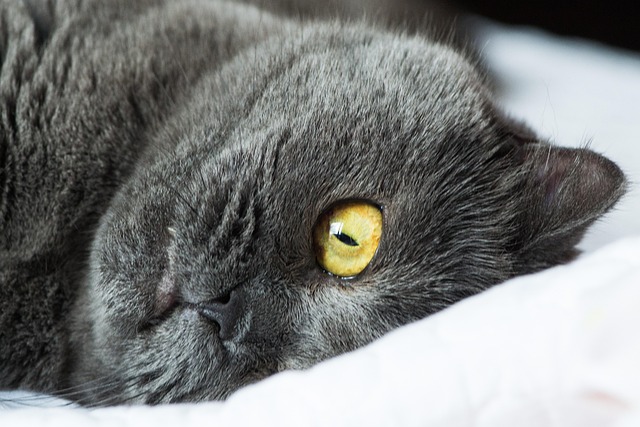
Golden eyes are extremely common, especially in mixed-breed cats. The color ranges from pale honey to deep copper. I probably see this shade more than any other during routine checkups.

Green

Green eyes are slightly less common but still widely seen. Some cats develop a pale sea-green tone, while others have darker emerald shades that stand out dramatically against darker fur.

Blue

Adult blue eyes usually appear in cats with specific genetic traits. Many color-point breeds keep their blue eyes permanently. When I see a mature cat with bright blue eyes, genetics almost always explains it.

Copper or Orange

Occasionally, I see cats with very rich, copper-colored eyes that almost glow under exam lights. These deeper pigments are especially striking against black coats.

When Cats Have Two Different Eye Colors

Every so often, a cat walks into my clinic with something that always grabs attention: two different eye colors.

This condition is called heterochromia, and in most cases it’s completely harmless.

One eye may be blue while the other is green, gold, or copper. White cats are particularly likely to have this trait because of the way pigmentation genes develop.

A client once adopted a white rescue cat with one sky-blue eye and one bright-green eye. She was concerned, but after an exam, I assured her the cat was healthy.

That said, there is one thing veterinarians watch for. White cats with blue eyes may be at a higher risk of congenital hearing loss. It doesn’t happen in every case, but I usually advise owners to test their cat’s response to sound at home if they’re unsure.

Cat Eye Colors

When Eye Color Changes Should Raise Concern

Most eye color differences are genetic or developmental, but sudden changes in an adult cat can signal a problem.

This is something I’ve learned to take seriously.

A tabby came in for mild eye irritation; the owner noted that one eye appeared darker. Closer examination showed pigment changes and inflammation.

It turned out to be early uveitis, an inflammatory condition that can be associated with infections, injury, or immune problems.

The owner almost ignored it because the cat seemed otherwise healthy.

As a rule, I tell clients to watch for these warning signs:

  • Sudden color change in one eye
  • Cloudiness or milky appearance
  • Redness or swelling
  • Squinting or light sensitivity

Any of those deserves a veterinary exam. Eye problems can worsen quickly in cats, and early treatment makes a big difference.

Breed Influence on Eye Color

People sometimes assume eye color tells them a cat’s breed. That’s rarely reliable for mixed-breed cats, but purebred cats do show predictable patterns.

For example, color-point cats almost always have blue eyes due to the gene responsible for their coat pattern. Some breeds are known for deep copper or vivid green shades.

Still, genetics can surprise you. I’ve seen shelter cats with eye colors that rival some of the most expensive pedigreed animals.

One of my favorite patients—a scruffy brown rescue cat who visits annually for vaccines—has bright emerald-green eyes that look almost artificial in certain light. Visitors often assume she’s a rare breed. In reality, she came from a barn litter outside town.

A Common Mistake I See Cat Owners Make

A mistake I encounter fairly often is assuming eye discharge or mild redness is simply “part of their eye color.”

Owners sometimes think darker tear stains or subtle pigment changes are cosmetic. Occasionally, they wait weeks before scheduling an exam.

By the time I see the cat, the issue has progressed into an infection or ulcer.

Eyes are delicate organs, and cats are remarkably good at hiding discomfort. If something about your cat’s eyes suddenly looks different—color, clarity, or symmetry—it’s safer to have it checked.

Most of the time, the issue turns out to be minor. But catching the rare serious problem early is worth the visit.

Why Cat Eyes Fascinate Even Veterinarians

After years in clinical practice, I’ve examined countless cats under exam lights, ophthalmoscopes, and magnification lenses. Despite that routine exposure, I still pause occasionally to admire the variety.

A copper-eyed black cat, a blue-eyed Siamese, a green-eyed rescue with half-wild instincts—they all show how much genetic variation exists within a single species.

Eye color might not determine a cat’s health or personality in most cases, but it’s often the first detail that makes someone fall in love with their pet.

And from my side of the exam table, it remains one of the most visually striking features I encounter every day in veterinary practice.

Sneezing Dog with Home Remedies
Mar
How to Treat Your Sneezing Dog with Home Remedies

From a Small-Animal Veterinarian’s Perspective

I’m a small-animal veterinarian who has spent years in a busy general practice, and I see sneezing dogs every single week. Sometimes it’s harmless, sometimes it’s allergies, and occasionally it’s something that really shouldn’t wait. Owners usually arrive worried, and many of them have already tried a handful of things at home — some helpful, some not so much.

Sneezing in dogs isn’t always an emergency. I’ve seen plenty of healthy, happy dogs sneeze because of dust, perfume, pollen, air fresheners, or even excitement. But I’ve also treated dogs whose “just sneezing” turned out to be a nasal foreign body, infection, or severe dental disease. The goal at home is to reduce obvious irritants and help the dog feel more comfortable, while knowing when it’s time to stop home care and call a clinic.

Below are remedies I genuinely recommend in my daily work, along with examples of situations where I’ve seen them help—and a few common mistakes I wish owners would avoid.

Sneezing Dog

Start with the most straightforward remedy: remove the irritant.

The most effective “treatment” I’ve seen for sneezing is sometimes nothing more than changing what’s in the air.

A family brought me a young spaniel last spring who had suddenly started sneezing repeatedly in the evenings. No fever, no discharge, lungs sounded great. After some talking, they casually mentioned a new plug-in air freshener they’d put right next to the dog’s bed. They unplugged it that night, and the sneezing stopped.

I’ve seen similar reactions with:

  • aerosol cleaners
  • heavily scented candles
  • incense
  • essential oil diffusers
  • cigarette smoke
  • Dusty carpets after vacuuming

My advice is straightforward: if a dog suddenly starts sneezing, think about anything new in the house and remove it for a while. Fresh air from an open window or a short break from the room often helps more than people expect.

Rinse away pollen and dust from the face and coat.

Dogs stick their noses into everything. Grass, soil, stored shoes, dusty corners — all of it ends up in the nostrils.

I’ve lost count of the number of dogs who stop sneezing after a gentle wipe-down after outdoor play. A damp, soft cloth over the muzzle, around the nostrils (not inside), and around the eyes can remove pollen grains that keep irritating them.

With very allergic dogs, I often recommend wiping paws and legs after walks as well. I’ve had owners tell me their dogs sneeze mainly at bedtime, right after jumping onto the bed with pollen on their fur. A quick wipe before settling in made a real difference for them.

Humid air can soothe dry or irritated nasal passages.

Dry indoor air, especially during the heating season, can worsen sneezing.

More than once, I’ve suggested something as simple as sitting with the dog in a steamy bathroom for 10–15 minutes. You just run a hot shower to fill the room with steam, letting the dog breathe that warm moisture. That isn’t a cure for infection, but it can ease irritation and soften thick nasal discharge.

I prefer this over essential oil vaporizers or menthol products marketed for humans. I’ve treated dogs who became nauseous or developed eye irritation from strong oils. Plain steam works without adding those risks.

Keep the environment clean, but avoid harsh cleaners.

People sometimes overcorrect and start heavily bleaching or spraying the house, thinking they’re helping. I’ve seen dogs sneeze more after deep cleaning than before it.

Light, regular cleaning and washing bedding with unscented detergent is usually more helpful than heavy disinfectants. If you vacuum, give the dust time to settle before letting a sensitive dog back into the room.

Saline can be helpful — medications often are not.

Owners often ask me about “drops” to put in the dog’s nose. I do not recommend human decongestant sprays or cold medicines for home use. I’ve treated dogs who became very ill after well-intentioned owners used human products that contained dangerous ingredients.

I suggest simple sterile saline (no medications added). A small drop at the nostril edge or moistening a cotton pad with saline to wipe crusting can be soothing. You don’t need to flush your nose forcefully; in fact, I strongly advise against it outside a clinic. Gentleness is the rule.

Supportive basics: rest, hydration, and low-stress time

Just as with people, a mildly sneezing dog often benefits from rest and good hydration. Dogs with runny noses lose a bit of fluid, and constant sneezing can tire them out.

At home, I tell owners:

  • make water easy to access in more than one room
  • Avoid heavy exercise for a day or two if sneezing is frequent
  • let them sleep a bit extra

I’ve seen older dogs especially bounce back faster when they’re allowed to slow down for a day.

A few home remedies I personally recommend against

Because I’ve seen the aftermath firsthand, I’m candid about what I don’t like owners trying at home.

I recommend avoiding:

  • essential oils applied to the nose or collar
  • human antihistamines without veterinary guidance
  • pouring liquids directly into the nostrils
  • internet “herbal cures” of unknown dose or source

One case that sticks with me is a small dog whose owner applied concentrated peppermint oil to “clear his sinuses.” The dog arrived with red, streaming eyes and vomiting. The sneezing problem became secondary to treating the irritation and nausea.

Simple, boring remedies are usually safest.

When home remedies are not enough

There are situations where I tell people to stop home care and schedule an exam.

I worry more if:

  • discharge is thick, yellow, green, or bloody
  • Sneezing is from only one side consistently
  • There is facial swelling or obvious pain
  • The dog is very lethargic or stops eating
  • There was a recent episode of running through tall weeds or foxtails

I’ve pulled grass awns, plant seeds, and even a fragment of a toy from dogs’ nasal passages. Those dogs didn’t get better at home — they needed sedation and careful removal.

I also see “reverse sneezing” mistaken for regular sneezing. That’s the loud, snorting inhale that looks dramatic but is often a harmless irritation of the soft palate. If an owner shows me a video on their phone, I can usually reassure them or tell them if further work-up is needed.

Sneezing Dog with Home Remedies

My overall take after years in practice

Most of the dogs I see sneezing are dealing with mild irritation, seasonal allergies, or dust exposure. Simple steps — cleaner air, wiping down fur, brief steam, plenty of water — go a long way. I’ve watched these small changes resolve countless cases.

At the same time, I’ve seen how easily well-meant home treatment can tip into something unsafe, especially with human cold medicines or concentrated oils. I’m always in favor of gentle, low-risk measures first, with a low threshold to call a clinic if anything seems off.

If your dog is otherwise bright, eating well, and just sneezing now and then, home care is reasonable. If you’re seeing blood, ongoing discharge, or real discomfort, that’s usually my line in the sand.

That balance — helping at home without missing something serious — is what I try to guide owners through every day in the exam room.

Spring Pet Health Tips
Mar
Spring Pet Health Tips Every Owner Should Know

After more than a decade working as a veterinarian, I’ve learned that spring is one of the busiest seasons in my clinic. The weather improves, pets spend more time outdoors, and owners assume their animals are simply enjoying the sunshine. But spring also brings a wave of seasonal problems—parasites, allergies, injuries, and digestive issues that tend to appear almost all at once.

Every year, I have similar conversations with pet owners who didn’t expect a small seasonal change to affect their animals so much. A few simple habits can prevent most of the issues I see in my exam room once winter ends.

Watch for the First Signs of Fleas and Ticks

The first warm weeks of spring often trigger the start of flea and tick season. Owners are frequently surprised by how early parasites appear. By the time someone notices their dog scratching constantly, the infestation is usually well underway.

Last spring, a client brought in a golden retriever with severe skin irritation. The owner thought it was allergies, but I found flea dirt—tiny black specks—along the coat. The fleas had already spread through the house.

Treating the dog was simple enough, but eliminating the infestation from carpets and furniture took weeks.

Start pets on preventive medication early in the season, before temperatures consistently warm up, to avoid frustration. Waiting until parasites appear is already too late.

Spring Allergies Affect Pets More Than Many Owners Realize

Allergy season doesn’t only affect people. Pets can develop reactions to pollen, grasses, and mold spores as environmental conditions change.

Dogs often show signs of allergies through their skin. Excessive scratching, paw chewing, and recurring ear infections are among the earliest signs. Cats often groom themselves so intensely that they create bald patches.

A few years ago, a family brought their terrier in because she was licking her paws nonstop. They assumed the behavior was anxiety-related. During the exam, I noticed mild redness between the toes and around the ears. After discussing seasonal patterns, it became clear that the symptoms appeared every spring.

Once we addressed the allergies with medication and regular paw rinsing after walks, the behavior stopped almost immediately.

Simple habits can help reduce seasonal irritation:

  • Wiping paws after outdoor walks
  • Regular bathing during heavy pollen weeks
  • Keeping bedding clean

Use these habits consistently to minimize indoor allergens for your pets.

Check Your Yard Before Letting Pets Roam

Spring yard cleanup often reveals hazards that went unnoticed during winter.

Broken branches, sharp debris, and post-winter chemicals can all cause problems. I treated a mixed-breed dog that cut its paw on hidden metal because the yard hadn’t been cleared after storms.

Another frequent issue involves lawn treatments. Fertilizers and weed control products are often applied early in the season. Even products labeled “pet safe” can cause stomach upset if animals lick their paws after walking across treated grass.

Wait until lawn treatments are completely dry before allowing pets outside. Ideally, restrict access to treated areas for a full day after application.

Spring Pet Health Tips

Be Careful with Spring Plants and Flowers

Many spring-blooming plants can be toxic to pets.

In veterinary practice, I regularly see cases involving lilies, tulips, and daffodils. Cats are particularly sensitive to lilies—ingesting even small amounts can cause severe kidney damage.

One spring afternoon, a worried owner rushed in with her cat after noticing pollen on its nose from a bouquet of lilies. The cat had groomed itself shortly afterward. We immediately began treatment and monitored kidney function closely for several days. Thankfully, the cat recovered, but the situation could have ended very differently.

Pet owners sometimes assume that toxicity occurs only when animals eat large quantities of plants. In reality, curiosity and grooming behavior make even small exposures risky.

Check plant toxicity before bringing flowers inside or planting in your yard to prevent pet emergencies.

Ease Pets Back Into Exercise

After a quieter winter, many pets suddenly return to high levels of activity once spring arrives. While the enthusiasm is great to see, it sometimes leads to injuries.

In my clinic, I see a noticeable increase in muscle strains and ligament injuries during early spring. Dogs that have spent months with limited activity suddenly run for miles in parks or chase balls for long periods.

A Labrador developed a limp after a weekend hike. The sudden activity strained a shoulder muscle after a sedentary winter.

Increase your pet’s exercise gradually over several weeks for a safer transition into spring activity.

Schedule a Seasonal Wellness Visit

Schedule routine veterinary checkups each spring to update care and screen for common seasonal health problems.

During these visits, I often detect issues owners hadn’t noticed—minor ear infections, dental problems, or weight gain from reduced winter activity.

One cat owner scheduled a routine spring exam simply because it had been about a year since the previous visit. During the checkup, I detected a subtle heart murmur that had not been present before. Further testing confirmed early heart disease, and the cat began treatment before symptoms became severe.

Don’t wait for urgent symptoms; regular exams can catch hidden issues before they become serious.

Pay Attention to Subtle Behavioral Changes

Animals often exhibit subtle behavioral changes before obvious illness appears. Changes in appetite, sleep patterns, grooming habits, or energy levels can signal underlying health issues.

Over the years, I’ve learned that owners who trust their instincts tend to catch problems early. If something feels different about your pet—even if the symptoms seem minor—it’s usually worth discussing with a veterinarian.

Take these preventive steps now and schedule a wellness check to give your pet its healthiest spring yet.

Pet Health
Mar
Small Habits That Make a Big Difference in Pet Health

I’ve spent more than a decade working as a practicing veterinarian, and during that time, I’ve noticed something interesting: most serious pet health problems don’t begin with dramatic symptoms. They usually start quietly, with small changes that owners either overlook or assume are normal.

A healthy pet rarely happens by accident. It’s the result of everyday habits—feeding routines, preventive care, and careful observation. Some of the most effective things owners can do for their animals are surprisingly simple, yet they’re also the steps people skip most often.

Over the years, I’ve watched pets thrive because of attentive care, and I’ve also seen situations where a small oversight turned into a major health issue. The difference usually comes down to consistent habits rather than complicated medical interventions.

Start With Consistent Nutrition

Diet is the foundation of pet health, yet it’s an area where I regularly see confusion.

One afternoon, a client brought in a middle-aged Labrador who had gained a noticeable amount of weight over the previous year. The owner insisted she wasn’t overfeeding him. After talking through the dog’s daily routine, we discovered the real issue: several small snacks throughout the day from different family members.

Individually, each treat seemed harmless. Together, they added up to the equivalent of an extra meal.

Balanced nutrition doesn’t necessarily mean expensive specialty diets. What matters most is consistency and portion control. In my practice, I generally recommend:

  • Feeding measured meals rather than free-feeding
  • Choosing food appropriate for the pet’s age and activity level
  • Limiting treats to a small portion of the daily calorie intake

Pets don’t regulate their eating the way humans assume they will. Many dogs, in particular, will eat far beyond what they need if given the chance.

Preventive Vet Visits Catch Problems Early

Many people associate veterinary visits with emergencies. In reality, the most valuable appointments are the routine ones.

A few years ago, a client scheduled a wellness check for her senior cat. She almost canceled the appointment because the cat seemed perfectly healthy. During the exam, however, I noticed subtle signs of early kidney disease. Blood tests confirmed it.

Because we caught it early, we were able to manage the condition with diet changes and monitoring. That cat continued living comfortably for years.

Without that routine visit, the disease likely wouldn’t have been discovered until symptoms were severe.

Annual or twice-yearly exams allow veterinarians to detect subtle changes in weight, dental health, organ function, and behavior that owners might miss at home.

Dental Care Is Often Overlooked

Dental disease is one of the most common health problems I see in pets, and many owners are surprised when I bring it up.

One dog I treated last spring came in for lethargy and poor appetite. The owner suspected a stomach issue, but the real problem was a severe dental infection. Several teeth were badly decayed, and the pain had been building for months.

Once the infected teeth were treated, the dog’s energy and appetite returned within days.

Dental care doesn’t need to be complicated. Even occasional tooth brushing or dental chews can help slow plaque buildup. Regular dental exams during vet visits help identify problems before they become painful infections.

Ignoring dental health doesn’t just affect the mouth—chronic infections can eventually impact the heart and kidneys as well.

Pet Health

Exercise Is More Than Just Physical

Exercise supports physical health, but it also affects behavior and mental stimulation.

I often see young dogs brought in for behavioral issues like destructive chewing or excessive barking. In many cases, the underlying problem is simply pent-up energy.

One client had a border collie that had started tearing apart furniture whenever the family left the house. During our conversation, it became clear that the dog was only getting a short walk once a day. Border collies, of course, are built for constant activity.

After increasing daily exercise and adding simple training games, the destructive behavior disappeared.

Cats benefit from activity as well. Indoor cats especially need interactive play to prevent obesity and boredom. Even ten minutes with a feather toy or laser pointer can make a noticeable difference in their overall well-being.

Watch for Subtle Behavioral Changes

Pets communicate discomfort differently than people do. Instead of obvious symptoms, they often show small behavioral changes.

Over time, I’ve learned that owners who notice these changes early often prevent bigger problems later.

Some examples I frequently discuss with clients include:

  • A normally social cat is suddenly hiding more often.
  • A dog losing interest in walks or play.
  • Changes in appetite or water consumption
  • Subtle shifts in posture or movement

A client once brought her dog in simply because “he seemed quieter than usual.” That instinct proved correct. Early arthritis was beginning to affect the dog’s mobility.

Because we caught it early, we managed it with joint supplements, weight control, and moderate exercise rather than more aggressive treatments later.

Trusting those instincts can make a significant difference.

Parasite Prevention Is Non-Negotiable

Fleas, ticks, and intestinal parasites remain a common issue in many areas. What surprises some owners is how easily pets pick them up—even indoor animals.

I remember treating a cat that had never been outside, yet it developed a significant flea infestation. The fleas had likely entered the home on clothing or another pet.

Preventive medications protect pets not only from discomfort but also from diseases that parasites can transmit. Skipping prevention often leads to far more expensive and stressful treatments later.

Grooming Helps Identify Health Problems

Routine grooming isn’t just about appearance. It’s also one of the best opportunities to notice physical changes.

During brushing or bathing, owners often detect things like:

  • New lumps or bumps
  • Skin irritation or rashes
  • Ear infections
  • Changes in coat quality

Several years ago, a dog owner discovered a small lump during a grooming session and scheduled an exam right away. The growth turned out to be an early tumor that we were able to remove quickly.

Had it gone unnoticed for months, treatment would have been far more complicated.

Avoid the Most Common Owner Mistake

If there’s one pattern I see repeatedly in veterinary practice, it’s waiting too long to seek advice.

Many owners hope symptoms will resolve on their own. Sometimes they do—but sometimes they signal the beginning of something serious.

A phone call to a veterinary clinic or a quick appointment can prevent small issues from turning into emergencies. I’d much rather reassure a client that their pet is fine than treat a condition that could have been addressed weeks earlier.

The Daily Habits That Matter Most

Maintaining pet health rarely depends on a single dramatic action. Instead, it’s built from consistent daily care: appropriate food, regular exercise, preventive veterinary visits, and close observation.

After years of clinical work, I’ve learned that attentive owners tend to have the healthiest pets. They notice subtle changes, maintain routines, and seek help when something seems unusual.

Those small habits—often overlooked because they seem ordinary—are the ones that keep animals healthy and comfortable for the long run.

Best Practices for Pet Dental Care
Mar
What Are the Best Practices for Pet Dental Care?

After more than a decade as a small-animal veterinarian, I see dental disease in dogs and cats more than almost any other problem. Many owners think bad breath is normal, but it’s often the first sign of dental disease.

I’ve treated many pets with painful infections, broken teeth, and advanced gum disease that simple home habits could have prevented. Dental health isn’t just about clean teeth—poor oral health can affect the heart, kidneys, and overall quality of life.

Most dental problems in pets develop slowly. As you continue reading, you’ll learn what to look for and how owners can prevent these issues.

Bad Breath Is Usually a Warning Sign

One of the first things clients mention during appointments is their pet’s breath. Someone will laugh and say, “I know dog breath isn’t supposed to smell great.”

Truly foul breath almost always means dental disease.

I remember examining a middle-aged Labrador who had been brought in for routine vaccines. As soon as the dog opened his mouth, the smell was overwhelming. The owner had assumed it was normal for years. When I examined his teeth more closely, several were loose, and his gums were badly inflamed. He eventually needed multiple extractions.

Healthy pet breath might smell like food, but it should not be strong, sour, or rotten.

Start Dental Care Earlier Than You Think

A common mistake is waiting until a pet is older to start dental care. By then, plaque has usually hardened into tartar, which only professional cleaning can remove.

The best time to start dental care is when pets are young.

Puppies and kittens adapt quickly to tooth brushing. Many clients tell me their pets enjoy the routine once they connect it with attention and rewards.

A family I worked with adopted a kitten who tolerated handling well. I advised brushing her teeth several times a week while she was small. Years later, her teeth were some of the healthiest I’d seen. The owner joked that brushing was now part of their nightly routine.

Early dental habits matter.

Brushing Your Pet’s Teeth Actually Works

Brushing is the most effective way to prevent dental disease in pets. Many owners areskeptical, especially if they’ve never tried it.

Keep it simple.

Use a soft toothbrush or a pet finger brush, along with veterinary toothpaste. Human toothpaste isn’t safe for animals because it often contains ingredients they shouldn’t swallow.

Most pets don’t need a full 2-minute brushing as people do. Even gently brushing the outer tooth surfaces for half a minute several times a week can significantly reduce plaque buildup. usually tell owners to focus on consistency rather than perfection. A quick brush three or four times a week is far better than an occasional long session.

Best Practices for Pet Dental Care

Dental Chews Can Help — But They’re Not a Substitute

Dental chews and treatshelp, but they’re often misunderstood.

Many dental products are just flavored snacks. Effective chews have a texture that encourages chewing and mild abrasion. I’ve seen noticeable improvements in some dogs who regularly chew approved dental products. One client with a small terrier told me she started giving him a daily dental chew after a cleaning. At his next visit, the tartar buildup was noticeably slower than before.

ThChews work best as part of a routine. They don’t replace brushing or professional cleanings. Pay Attention to Small Changes in Eating Habits

Pets rarely show obvious dental pain. Instead, they make subtle behavioral changes. A dog that once crunched dry food may start swallowing it whole. A cat may chew on one side of the mouth or drop food occasionally. Some pets become reluctant to play with toys they once carried proudly.

One case that stands out involved an older cat whose owner thought she had simply become picky with food. During the exam, I discovered a severe tooth root infection that was likely causing significant pain. After the affected tooth was removed, the owner told me the cat returned to eating normally within days.

Early changes in eating behavior are often the first clues that something is wrong.t.

Professional Cleanings Are Sometimes Necessary

Even with great home care, many pets will eventually need professional dental cleanings. During these procedures, pets are anesthetized so veterinarians can remove tartar, polish teeth, and check beneath the gumline. This last step is important since many problems develop out of sight. Some owners worry about anesthesia, especially for older pets. Modern veterinary anesthesia is carefully monitored, and untreated dental infections pose their own health risks. I’ve seen pets become noticeably more energetic and comfortable after dental procedures. Chronic mouth pain can quietly affect an animal until it’s treated. Common Mistakes Pet Owners Make

Certain patterns recur during dental exams.

One of the most common mistakes is assuming dry food cleans teeth. While kibble creates some friction, it doesn’t prevent plaque buildup as effectively as brushing does.

Ignoring gum redness is another problem. Healthy gumsarek pink and firm. Red, swollen gums mean inflammation has started.

Sometimes, pets get very hard chews, like bones or antlers, which can fracture teeth. I’ve treated several dogs with broken molars from hard chews. Repairs often require extraction or specialized dental procedures. Simple Habits Make the Biggest Difference

Most dental disease in pets develops slowly. Owners seldom notice it until the problem is severe. The healthiest pets often belong to owners who brush regularly, notice changes in breath or eating, and schedule dental checkups during routine visits. Preventing dental disease is easier than treating it. A few minutes of weekly care can prevent discomfort later in life for pets. Pets with healthy mouths stay happier, more active, and comfortable into their senior years.

Best Organic Pet Supplements
Mar
How to Choose the Best Organic Pet Supplements

As a licensed veterinarian practicing in Texas for over a decade, I’ve watched the interest in organic pet supplements grow from a niche request to a daily conversation in my exam rooms. Clients bring in jars of green powders, amber glass bottles of herbal extracts, and chews labeled “clean,” “natural,” and “certified organic.”

Some of these products have helped my patients tremendously. Others have done very little. A few have caused real problems.

My goal here isn’t to sell you on organic supplements or scare you away from them. It’s to help you decide, based on real clinical experience, whether they belong in your pet’s routine.

Why Pet Owners Turn to Organic Supplements

Most people who ask me about organic supplements are trying to solve a specific problem. Chronic itching. Stiff joints. Digestive upset that keeps coming back. Anxiety that medication only partially improves.

A few years ago, a client brought in her middle-aged Labrador who had struggled with seasonal allergies for years. We had him on appropriate medication, but she wanted to reduce how often he needed steroids. She had started him on an organic omega-3 supplement made from algae rather than fish oil. Over the next few months, his skin inflammation was noticeably calmer. We were able to lower his steroid use. That was a win.

In my experience, pet owners are usually looking for one of three things:

  • Fewer synthetic ingredients
  • Better long-term safety
  • A way to support, not replace, medical treatment

Those are reasonable goals. The problem is that “organic” doesn’t automatically mean “effective” or “safe.”

What “Organic” Actually Means in Supplements

In food production, organic certification has clear standards. In supplements, it can get murkier.

For a supplement to be truly organic, the plant ingredients must be grown without synthetic pesticides or fertilizers. That says something about farming practices. It does not automatically guarantee potency, purity, or appropriate dosing for animals.

I’ve seen beautifully branded organic products with impressive labels that contained therapeutic amounts, but those amounts were too low to make any clinical difference. I’ve also seen conventional supplements with excellent research behind them.

Organic refers to how ingredients are grown. It does not mean the formula is well-designed.

Where I’ve Seen Real Benefits

There are certain categories where organic supplements can be genuinely helpful.

Joint Support

I often recommend joint supplements for aging dogs. Some organic formulations use turmeric, green-lipped mussel extract, or boswellia. I had an older mixed-breed patient last spring whose owner wanted to avoid prescription anti-inflammatories due to mild kidney changes. We added an organic joint supplement with a meaningful dose of omega-3s and anti-inflammatory herbs.

Was it a miracle? No. But within a couple of months, the dog was back on the couch and moving more comfortably on walks. We still monitored closely, but the supplement gave us more flexibility before starting stronger medications.

The key was choosing a product with transparent dosing and third-party testing—not just an “organic” label.

Digestive Health

Organic probiotics and prebiotic blends can support gut health, especially after antibiotics. I’ve had several patients recover from stress-related diarrhea more smoothly when a well-formulated probiotic was added.

One case that stands out involved a rescue dog with recurring loose stools. The owner had tried multiple foods. We ruled out parasites and major diseases. An organic probiotic with multiple strains, combined with a limited-ingredient diet, finally stabilized the dog’s digestion.

The improvement wasn’t overnight, but over several weeks, the stools became consistently formed. That told me the supplement was doing more than acting as a placebo.

Skin and Coat

Organic flaxseed oil or algae-based omega-3 supplements can benefit pets with dry skin. However, I’m cautious with plant-based omega-3s in dogs and cats because conversion to active forms can be limited. In many cases, a purified fish oil—organic or not—may be more biologically useful.

Best Organic Pet Supplements

Where I Advise Caution

I’ve also treated pets harmed by well-intentioned supplementation.

A few years ago, a client brought in a small dog with vomiting and lethargy. After a long conversation, we discovered she had been giving an organic herbal immune booster she bought online. One of the herbs interfered with the dog’s existing medication and likely irritated the stomach lining.

Another common issue is overdosing on fat-soluble vitamins. Organic vitamin blends are still vitamins. More is not better. I’ve seen pets develop digestive upset and abnormal lab values because owners assumed natural products couldn’t cause harm.

Cats, in particular, are sensitive. Their liver metabolism differs from that of dogs. I’m especially cautious with herbal supplements in feline patients unless there’s solid veterinary guidance.

Common Mistakes I See in the Exam Room

The biggest mistake isn’t choosing organic. It’s skipping professional input.

Owners often:

  • Start multiple supplements at once, making it impossible to know what’s helping or hurting.
  • Assume human-grade organic products are safe for pets.
  • Ignore dosing differences between species and sizes.
  • Use supplements instead of addressing the underlying disease.

I once saw a senior dog whose arthritis had progressed significantly because the owner relied solely on organic anti-inflammatory herbs for nearly a year. By the time we intervened with proper pain management, muscle loss had already set in. Supplements could have been part of the plan—but not the whole plan.

How I Evaluate an Organic Supplement

When a client brings me a product, I look beyond the marketing.

I check:

  • Clear ingredient list with exact amounts
  • Third-party testing or quality assurance
  • Manufacturer transparency
  • Appropriate dosing instructions for dogs or cats

If the company won’t provide detailed information, that’s a red flag.

I also consider the pet in front of me. A young, healthy dog with mild seasonal itchiness is very different from a senior cat with kidney disease. The same supplement can be appropriate for one and risky for another.

Do Organic Supplements Replace Medication?

In most cases, no.

They can reduce medication doses in some patients. They can support recovery. They can improve the quality of life in mild to moderate conditions. But I rarely see them eliminate the need for conventional treatment in serious disease.

That doesn’t make them useless. It makes them supportive tools.

I’m not opposed to integrative approaches. I regularly combine nutrition, supplements, and pharmaceuticals. The difference is that the plan is deliberate, monitored, and adjusted based on response.

My Professional Take

Organic pet supplements can be valuable when:

  • The product is well-formulated and properly dosed.
  • The condition is appropriate for supportive care.
  • A veterinarian is involved in decision-making.
  • Expectations are realistic

They are less helpful when they’re used as a substitute for diagnostics or as a blanket “wellness booster” without a specific goal.

After years in practice, I’ve found that the best outcomes happen when owners treat supplements as part of a thoughtful strategy—not a shortcut or a cure-all. Used wisely, organic supplements can play a meaningful role in your pet’s health. Used blindly, they can delay care or create new problems.

The difference lies in informed decisions, not just organic labels.