Smurf Cat
Mar
Smurf Cat and the Real Questions Cat Owners Should Be Asking

A practicing small-animal veterinarian who regularly deals with unusual pet trends

Every few months, something strange from the internet makes its way into my exam room. A few years ago, it was cats wearing tiny shark costumes. More recently, clients started showing me pictures of something called the “Smurf Cat.” Usually, the conversation begins with a phone screen sliding across my desk and the question: “Is this safe for cats?”

Internet trends often blur the line between humor and real animal care. The Smurf Cat meme—blue cats paired with whimsical edits—may seem harmless, but viral ideas can prompt people to copy them with their pets. That’s when problems start.

Where the Smurf Cat Idea Comes From

Most people encountering the Smurf Cat for the first time assume it’s either a photoshopped image or some exotic breed they’ve never heard of. In reality, it’s neither. The meme typically shows a cat edited to resemble a blue cartoon character, inspired by the little blue creatures from the classic Smurfs franchise.

From a veterinary perspective, it’s important to be clear: there is no naturally blue cat breed.

Cat coats come in a range of colors and patterns—black, orange, gray, cream, tabby variations, and more—but a true bright blue like the meme shows doesn’t exist in nature. The closest natural color people sometimes call “blue” is a soft gray seen in breeds like the Russian Blue and the Chartreux.

These cats are elegant, slate-colored animals, but they look nothing like the neon blue Smurf Cat circulating online. This distinction is essential as we move from online images to real-life concerns.

The First Time Someone Asked Me About Dyeing a Cat

One spring afternoon, a client brought in a young white domestic short-haired for a routine vaccination. While we were talking, she hesitated and then asked something that caught me off guard.

She said her teenage son wanted to recreate a Smurf Cat for a video.

They weren’t planning anything extreme—just “a little blue coloring,” she told me. Still, she wanted to make sure it wouldn’t harm the cat, prompting our conversation.

I explained that dyeing cats is rarely safe. Even “pet safe” products can irritate skin, especially if the cat licks and ingests the dye.

Cats lick everything off their fur. That’s part of normal grooming behavior. When you add dye to that equation, you introduce chemicals directly into the digestive system.

In that particular case, the owner decided against it. A week later, she told me her son just edited the video digitally instead. That was the right decision.

Why Coloring a Cat Can Be Risky

At first glance, coloring a cat may seem harmless if the product says it’s safe. Yet in my experience, I’ve seen enough reactions to approach it with caution.

Cats have sensitive skin, and their grooming habits amplify the risks.

Some of the problems I’ve encountered include:

  • Skin irritation or dermatitis after topical dyes
  • Gastrointestinal upset from ingesting residues while grooming
  • Stress from bathing or handling during the coloring process.

One case from a few years ago involved a long-haired cat whose owner used a temporary pet dye before a costume party. The color eventually washed out, but the cat developed an itchy rash along its neck and shoulders where the dye had been applied most heavily.

Treatment was simple, but the cat was miserable for days. Situations like that sayk with yo.u.

The Bigger Issue: Internet Trends and Animal Welfare

The Smurf Cat meme itself is mostly harmless online. The main caution is that when internet jokes become real, pets can be harmed. It’s crucial to remember that safety and animal well-being must come first.

I’ve noticed a pattern over the years. Viral trends tend to follow three stages:

  1. A funny edited image spreads online.
  2. People begin recreating the idea with real animals.
  3. Veterinarians start seeing the consequences.

Not every trend causes harm, but many involve animals being dressed, dyed, or manipulated for content—a pattern I’ve seen repeat itself with each viral sensation.

A cat doesn’t understand that it’s participating in a meme. It only experiences stress when it is handled or altered.
Smurf Cat

A Situation That Changed How I Talk About This

One early situation in my career shaped how I discuss internet trends with clients.

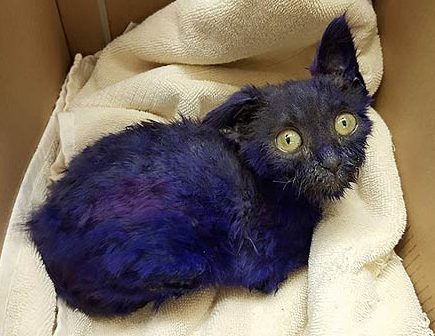
A young couple brought in a rescue kitten that had been dyed pink by its previous owner for a social media photo shoot. By the time the kitten reached our clinic, most of the dye had faded, but patches of fur were brittle and dry.

What stood outwas the kitten’s panic when handled near its head or neck, likely from repeated batting during coloring.

We helped the kitten recover, but stress can last longer than skin irritation.

That case made me much more direct when people ask about cosmetic changes to pets.

If You Love the Smurf Cat, look

There are safer ways to enjoy the humor of the meme without using chemicals or stressing your cat.

Editing apps, filters, and digital overlays can produce the exact same effect as dye. In fact, many of the viral Smurf Cat images online are already digitally altered.

The internet rarely shows the behind-the-scenes process.

From my perspective, if the goal is a funny photo or video, editing software is far kinder to the animal.

A Quick Note About “Blue” Cat Breeds

Sometimes, conversations about Smurf Cat lead to genuine curiosity about gray-blue cat breeds, which is an important distinction to address.

The Russian Blue is the one I get asked about most often. They’re naturally slate-colored with dense coats and bright green eyes. They’re also known for being quiet, reserved cats that bond closely with their owners.

But even that beautiful gray tone is subtle. It’s nothing like the bright cartoon blue associated with the meme.

Nature tends to favor more muted palettes.

What I Usually Tell Clients

Over the years, I’ve developed a simple rule for cosmetic pet trends.

If a cosmetic change does not benefit the animal and involves any risk, I clearly advise against it. The pet’s health and safety should always be the top priority.

Cats don’t need dyed fur, costumes, or themed makeovers to be entertaining. Anyone who lives with a cat already knows they bring plenty of personality to the table.

One of my own cats—an elderly orange tabby who wanders through the clinic occasionally—once knocked an entire stack of appointment cards off the front desk and then calmly sat on the pile like it was a throne. No editing required. The staff still jokes about it.

Moments like that remind me why people love cats in the first place. The real magic of cats is in their character—not a coat of blue paint.int.
Understand Your Albino Cat's Unique Needs
Mar
How to Understand Your Albino Cat’s Unique Needs

What I’ve Learned as a Veterinarian

I’ve been practicing as a small-animal veterinarian for more than a decade, and every so often, a patient walks into my clinic that immediately draws attention from everyone in the room. Albino cats tend to do that. Their pale coats, light eyes, and delicate skin make them striking, but they also come with health considerations many owners don’t expect.

Over the years, I’ve treated a handful of albino cats, and they’ve taught me that caring for them is slightly different from caring for most other cats. The differences aren’t dramatic, but they matter.

What Makes a Cat Albino

Many white cats are mistaken for albino cats. True albinism is actually quite rare.

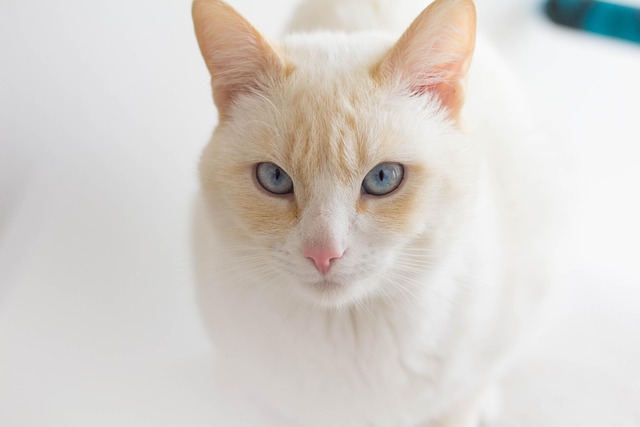
Albinism is a genetic condition in which the body produces little or no melanin, the pigment that gives skin, fur, and eyes their color. Without melanin, an albino cat appears almost entirely white, often with very pale blue or pinkish eyes and pink skin.

One of the easiest ways I explain the difference to pet owners is this: a typical white cat may still have pigment in the eyes or skin. A true albino cat lacks pigment almost everywhere.

I remember examining a young kitten brought into my clinic by a couple who thought they had adopted a rare albino. Under the exam light, I could see faint pigment around the ears and nose. The kitten was simply a white cat with blue eyes. Beautiful, yes, but not albino.

True cases of albino cats are rare.

The First Albino Cat I Treated

The first confirmed albino cat I worked with came in several years ago for persistent sunburn on the ears. The owner lived in a rural area and allowed the cat to roam outdoors most of the day.

When I looked at the cat’s ears, I immediately saw redness and peeling. Albino skin lacks the protective pigment that shields against ultraviolet light, so sun damage happens quickly.

We talked for quite a while that afternoon about lifestyle adjustments. I recommended limiting outdoor exposure during peak sunlight and keeping the cat indoors most of the day. A few months later, the owner returned for a checkup and told me the difference was dramatic. Once the cat stayed indoors and spent time near shaded windows instead of roaming fields, the skin problems disappeared.

That case stuck with me because it highlighted the biggest challenge these animals face: sunlight.

Sun Sensitivity Is the Biggest Concern

My main message to albino cat owners is unwavering: prioritize sunlight protection above all else.

Melanin acts like a natural sunscreen. Without it, the skin is extremely vulnerable. Areas with little fur coverage—especially ears, noses, and eyelids—are the most at risk.

Over the years, I’ve unfortunately seen cases where chronic sun exposure led to skin cancers, particularly on the ear tips. Those situations are heartbreaking because they often require surgical removal of damaged tissue.

Many such outcomes are preventable with simple precautions.

For albino cats, I usually recommend:

  • Primarily indoor living
  • Limited outdoor time early in the morning or late evening
  • Careful monitoring of the ears and nose for redness or crusting

Some owners ask about sunscreen for cats. There are veterinary-approved products, but I typically encourage lifestyle changes first. Keeping the cat indoors is far more reliable than trying to maintain sunscreen coverage on a grooming animal.

Understand Your Albino Cat's Unique Needs

Vision Can Be Different

Albino cats sometimes have subtle differences in vision.

Because melanin plays a role in eye development, albino animals may experience mild light sensitivity or reduced visual sharpness. In practice, I’ve noticed that some albino cats prefer dimmer environments.

One patient I saw regularly was unusually cautious around bright windows. The owner initially worried something was wrong with the cat’s eyesight. During the exam, I observed the cat moving comfortably in the room but squinting slightly when facing strong light.

Once the owner rearranged a few sunny resting spots and added shaded areas in the home, the cat’s behavior normalized.

Small lifestyle changes, guided by awareness of their needs, can significantly improve albino cats’ well-being.

Hearing Issues: A Common Misunderstanding

White cats with blue eyes are often associated with deafness, but that link is not quite as straightforward with albino cats.

In my experience, true albino cats don’t always show the same rate of congenital deafness seen in certain white-coated cats with the dominant white gene. Still, hearing issues can occur, so I always test responses to sound during exams.

I once evaluated an albino adult cat whose owner believed it was deaf because it rarely responded to calls. During the visit, I made a quiet clicking sound behind the cat while it was distracted. The ears turned immediately.

The cat wasn’t deaf at all. It had simply learned to ignore the owner’s voice.

Cats can be selective about what they hear.

Skin Care Matters More Than Owners Realize

Albino cats often have very delicate skin.

Even minor scratches or irritation can look dramatic because the pink skin shows inflammation quickly. I often advise owners not to panic at the first sign of redness but to monitor changes closely.

A small scratch usually heals quickly. Persistent redness or scabbing deserves a veterinary check.

One detail many people overlook is reflective surfaces in the home. Large glass doors, bright patios, and sunlit balconies can increase UV exposure indoors. I’ve suggested window films or curtains in a few cases where cats liked to nap in intense sunlight.

Simple environmental tweaks can make a noticeable difference.

Grooming and Coat Care

From a grooming standpoint, albino cats aren’t drastically different from other cats. Their coats tend to be fine and soft, though, so regular brushing helps prevent matting and keeps the skin healthy.

Because their skin is sensitive, I advise against frequent bathing unless medically necessary. When bathing is needed—usually for skin conditions—I recommend gentle, veterinarian-approved shampoos.

Owners sometimes worry about keeping the coat perfectly white. In practice, a little discoloration is normal, especially around the face or paws.

Cats don’t care about cosmetic perfection.

Personality Traits I’ve Observed

After working with several albino cats, I’ve noticed they often develop strong bonds with their owners. That may partly be because many of them spend more time indoors and interact closely with others.

One cat that visited my clinic regularly had a habit of climbing onto the owner’s shoulder during exams. It was unusually calm in a clinical environment, almost as if it had grown used to careful handling.

Animals that require a little extra care often receive a little extra attention. That relationship can create very affectionate companions.

Mistakes I Often See Owners Make

The most common mistake I encounter is assuming albino cats can live exactly like any other outdoor cat.

In many cases, owners simply aren’t aware of the risks. Once they understand the sun sensitivity issue, they’re usually eager to make adjustments.

Another mistake is misidentifying albino cats altogether. Many white cats are labeled “albino” online or by breeders, even though they have normal pigmentation genetics. A proper veterinary evaluation can clarify that fairly quickly.

Are Albino Cats Difficult to Care For?

Albino cats are not difficult to care for with the right knowledge. Awareness and targeted precautions lead to healthy lives.

Provide shade, limit sun exposure, monitor skin health, and maintain regular veterinary visits—these are the key takeaways to ensure albino cats live long, healthy lives just like other cats.

Albino cats make an impression with their appearance, but the most lasting impact comes from their personalities and the deeper owner bonds formed through mindful care.

Care for Your Russian White Cat
Mar
How to Care for Your Russian White Cat: A Vet’s Guide

I’ve been practicing as a feline-focused veterinarian for more than a decade, and certain cat breeds leave a lasting impression. The Russian White is one of them. They aren’t the most common cats I see in the clinic, but the ones that come through my exam room tend to stick in my memory.

Their striking white coats and calm personalities catch people’s attention right away. But what I’ve learned over the years is that their beauty is only a small part of the story. Living with one has its own quirks, advantages, and responsibilities that new owners often don’t anticipate.

The Russian White developed from the same lineage as the Russian Blue, and they share many personality traits: intelligence, loyalty, and a tendency to bond closely with one or two people. In practice, that combination can make them wonderful companions—but sometimes challenging patients.

The First Russian White I Treated

The first Russian White I remember clearly came into my clinic several years ago. The owner was worried because the cat refused to eat whenever guests visited the house. At first glance, the cat looked perfectly healthy—bright eyes, a glossy coat, and a normal weight.

But during the exam, the behavior made sense.

The moment a technician entered the room, the cat retreated deep into the carrier and wouldn’t make eye contact. Russian Whites often have a sensitive temperament, and in my experience, they react strongly to unfamiliar environments.

I advised the owner to establish a predictable routine and a quiet feeding area for the cat. A few months later, she returned for a checkup and told me the cat had improved dramatically simply by moving its food bowl to a quiet bedroom away from household noise.

That situation comes up more often than people expect. Russian Whites are not fragile cats, but they are emotionally perceptive animals.

Personality Traits You Notice at Home

Owners often describe Russian Whites as gentle, intelligent, and observant. In practice, I’ve found those descriptions to be accurate.

They tend to watch before they act. While many cats rush to greet strangers or explore new spaces, Russian Whites usually study the situation first.

A client once told me her Russian White would sit quietly at the top of the staircase whenever someone new entered the house, watching like a silent supervisor. After about ten minutes, the cat would decide whether the visitor was acceptable.

This cautious nature can make them excellent companions for calm households. They form deep attachments and often follow their preferred person from room to room.

But they are rarely the type of cat that enjoys constant noise or chaotic activity.

Grooming Is Easier Than Most People Expect

Many people assume a white cat must require constant grooming. Surprisingly, Russian Whites are relatively low-maintenance.

Their coats are dense but fine, which means they shed moderately rather than heavily. In most homes, brushing once or twice a week is enough to keep the coat healthy.

In my clinic, I occasionally see owners over-grooming their pets, brushing daily out of concern for shedding. That usually isn’t necessary and can actually irritate the skin if done too aggressively.

What I recommend instead is a simple routine:

  • Weekly brushing
  • Regular nail trimming
  • Occasional ear checks

Their coats naturally stay clean because Russian Whites are meticulous self-groomers.

Care for Your Russian White Cat

Health Patterns I’ve Seen Over the Years

Overall, Russian Whites are a fairly robust breed. Compared with some pedigree cats, they tend to have fewer inherited conditions.

However, I’ve noticed a few patterns in practice.

Weight gain is surprisingly common. Their calm temperament means they may not burn as much energy as highly active breeds. I’ve seen several Russian Whites gradually become overweight simply because their owners underestimated how little exercise they were getting indoors.

Another issue is stress sensitivity. They often react strongly to environmental changes—such as moving homes, new pets, or schedule disruptions.

One case I remember involved a Russian White that stopped using the litter box after the owner rearranged furniture and added a new sofa. After ruling out medical causes, we realized the cat had lost its preferred resting spot near a window. Restoring that perch solved the problem almost immediately.

Cats like these thrive on predictability.

A Common Mistake New Owners Make

One mistake I frequently see is assuming Russian Whites will behave like outgoing breeds.

Some owners expect instant affection or playful attention from guests. When the cat hides or stays distant, they worry that something is wrong.

In reality, this breed often bonds deeply with one or two people while remaining reserved with everyone else.

Trying to force social interaction can backfire. I’ve seen nervous Russian Whites develop stress-related behaviors simply because well-meaning owners kept introducing them to large gatherings.

Quiet encouragement works much better than pressure.

Living With One Long-Term

What stands out most to me about Russian Whites is their loyalty. Over the years, I’ve treated many breeds, but owners of these cats often describe a particularly close bond.

One elderly client once told me her Russian White would sit beside her every evening at the same time without fail. The cat had learned her routine so precisely that it seemed almost like an internal clock.

That level of attentiveness is typical for the breed.

If someone wants an independent cat that disappears for hours, this may not be the best choice. Russian Whites tend to stay nearby, quietly observing and participating in daily life.

The Kind of Home That Fits Them Best

From what I’ve seen professionally, Russian Whites do best in calm, consistent environments.

They thrive with owners who appreciate quiet companionship rather than constant activity. Homes with predictable routines, cozy window perches, and moderate play sessions usually suit them well.

They can live happily with other pets, but introductions should be slow and respectful. Their cautious nature means they prefer time to adjust.

People who value a thoughtful, observant companion often find this breed especially rewarding. Russian Whites may not demand attention loudly, but they build relationships that feel deeply personal over time.

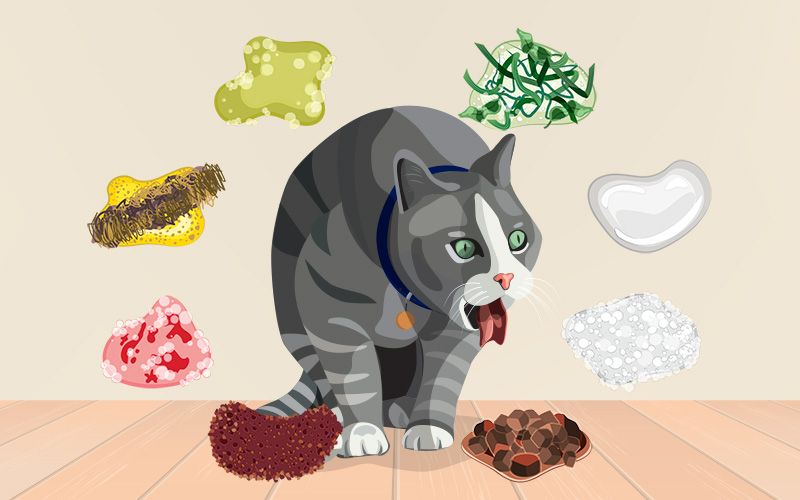
Cat Vomit Color Chart
Mar
Cat Vomit Color Chart: What the Colors Tell Me as a Veterinarian

After more than a decade working as a licensed veterinarian in small-animal clinics, I can say that cat vomit is one of the most common concerns pet owners bring through the door. Sometimes a client walks in with a worried expression and a paper towel wrapped carefully in a plastic bag. Other times, they just show me a photo on their phone.

I understand the worry. Vomiting in cats can mean anything from a harmless hairball to a serious illness. The color often provides the first clue about what’s happening inside.

Color alone doesn’t tell the whole story, but it can help point us in the right direction. I explain this with a simple mental ‘vomit color chart’ to help owners understand what they’re seeing.

Clear or Foamy Vomit

Clear or slightly foamy vomit is probably the type I hear about most often.

In many cases, this happens when a cat’s stomach is empty. The stomach continues producing acid, and eventually that irritation causes the cat to vomit a small amount of fluid. The liquid may look clear, white, or lightly foamy.

I remember a young indoor cat brought to me by a first-time owner a few years ago. The owner thought something was terribly wrong when the cat vomited clear foam early in the morning. After talking through the cat’s routine, we realized the cat had gone nearly 12 hours overnight without food. Splitting the meals into smaller portions throughout the day solved the problem almost immediately.

In my experience, clear vomit is commonly linked to:

  • Empty stomach irritation
  • Mild nausea
  • Hairballs are forming but not fully expelled.
  • Occasional stomach upset

If it happens occasionally and the cat otherwise behaves normally—eating, playing, and using the litter box—it usually isn’t alarming. But frequent episodes are worth investigating.

Yellow Vomit

Yellow vomit usually means bile is present.

Bile is produced in the liver and stored in the gallbladder, helping break down fats during digestion. When the stomach is empty or irritated, bile can reflux into the stomach and be vomited out.

It can range from pale yellow to mustard.

One case that sticks in my mind involved an older cat who vomited yellow bile several mornings in a row. The owner assumed it was hairballs. During the exam, I noticed the cat had lost some weight, and further tests eventually revealed early inflammatory bowel disease. Once the cat started a specialized diet and medication, the bile vomiting stopped.

Yellow vomit can indicate:

  • Empty stomach bile reflux
  • Digestive inflammation
  • Food intolerance
  • Early gastrointestinal disease

I tend to pay closer attention when bile vomiting becomes a pattern rather than a one-time incident.

Green Vomit

Green vomit is less common but tends to worry owners more because of the color.

True green vomit usually contains more bile or partially digested plant material. Cats that chew houseplants or grass often produce greenish vomit shortly afterward.

I’ve seen this many times in spring. A client once rushed in, convinced her cat had been poisoned because the vomit was green. After asking a few questions, she remembered the cat had been chewing a decorative plant on the windowsill. Fortunately, it wasn’t toxic—just irritating to the stomach.

Still, green vomit can occasionally signal:

  • Significant bile reflux
  • Intestinal irritation
  • Ingestion of plants or foreign material

If a cat seems lethargic, refuses food, or keeps vomiting green fluid, I advise owners not to ignore it.

Brown Vomit

Brown vomit can mean different things depending on its shade and consistency.

Sometimes it simply represents digested food that has been sitting in the stomach. Cats that eat quickly or regurgitate shortly after meals may produce brownish vomit containing partially digested kibble.

However, darker brown vomit can sometimes indicate digested blood from the stomach or upper intestines. This tends to have a thicker, almost coffee-ground appearance.

A few years ago, I examined a cat whose owner described the vomit as “mud-colored.” That description immediately caught my attention. The cat had been hiding more than usual and eating less. Tests later revealed a stomach ulcer, which fortunately responded well to treatment once we caught it.

Brown vomit isn’t always serious, but I’m cautious if the cat also shows appetite or behavior changes.

Cat Vomit Color Chart

Red or Pink Vomit

Red or pink vomit means blood is present, and that always deserves attention.

Sometimes the blood is minor, appearing as pink streaks in clear or yellow fluid. Minor irritation of the throat or stomach lining can cause this.

But brighter red blood suggests active bleeding somewhere in the digestive tract.

One situation I remember clearly involved a long-haired cat who had been vomiting repeatedly from a severe hairball obstruction. By the time the owner brought her in, the vomit had started showing pink streaks from irritation in the esophagus. Thankfully, we were able to resolve the obstruction before things became more serious.

Blood in vomit can result from:

  • Severe vomiting irritation
  • Foreign objects in the stomach
  • Ulcers
  • Toxin exposure
  • Gastrointestinal disease

Even small amounts of blood should be discussed with a veterinarian, especially if vomiting continues.

Hairballs Mixed With Vomit

Many owners assume every vomiting episode is a hairball. In reality, true hairballs look very specific.

They usually appear as tubular clumps of tightly packed hair surrounded by mucus or stomach fluid. The fluid may be yellow or clear.

During heavy shedding seasons, especially spring and fall, I see a spike in hairball-related vomiting. Long-haired breeds are particularly prone to it.

I often advise brushing routines and hairball-control diets before reaching for medications. In many cases, simple grooming changes can dramatically reduce the issue.

Mistakes I See Cat Owners Make

Over the years, I’ve noticed several patterns that lead to delayed treatment or unnecessary panic.

The most common mistake is thinking vomiting is always “normal for cats.” Occasional vomiting happens, but frequent episodes need investigation.

Another issue is focusing only on the color while ignoring the cat’s overall behavior. A bright, active cat who vomits once is very different from a cat who hides, refuses food, and vomits repeatedly.

I also see owners switch foods too quickly when vomiting appears. Sudden diet changes often make the situation worse rather than better.

When Vomit Color Signals an Emergency

Most vomiting cases can wait for a scheduled veterinary visit, but certain signs push me to act quickly.

If a cat vomits large amounts of blood, dark coffee-ground material, or persistent green bile, I recommend immediate evaluation. The same applies if vomiting is paired with lethargy, abdominal pain, or refusal to drink water.

Kittens and senior cats can deteriorate faster, so I’m especially cautious with them.

What I Tell Cat Owners to Watch For

Whenever a client calls the clinic about vomiting, I ask a few simple questions to determine urgency.

How often is the cat vomiting?

What color is the fluid?

Is there food, hair, or foreign material in it?

Is the cat still eating and behaving normally?

Those details give me a clearer picture than color alone.

After years of practice, I’ve learned that the floor stain a cat leaves behind often tells a story. Not always the whole story—but enough to guide the next step toward helping that cat feel better.

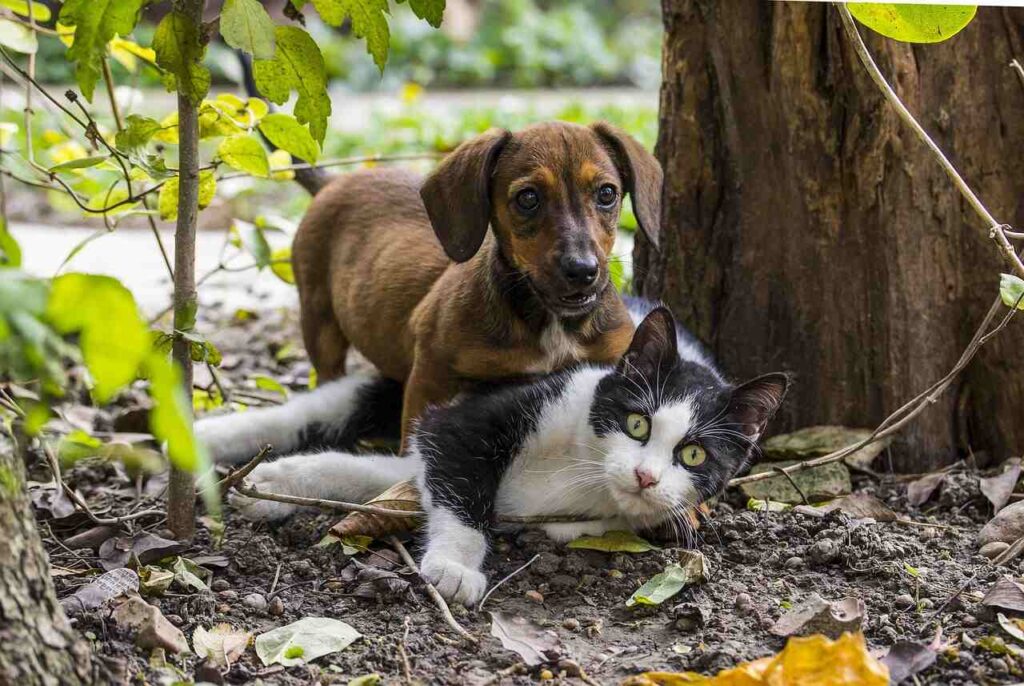
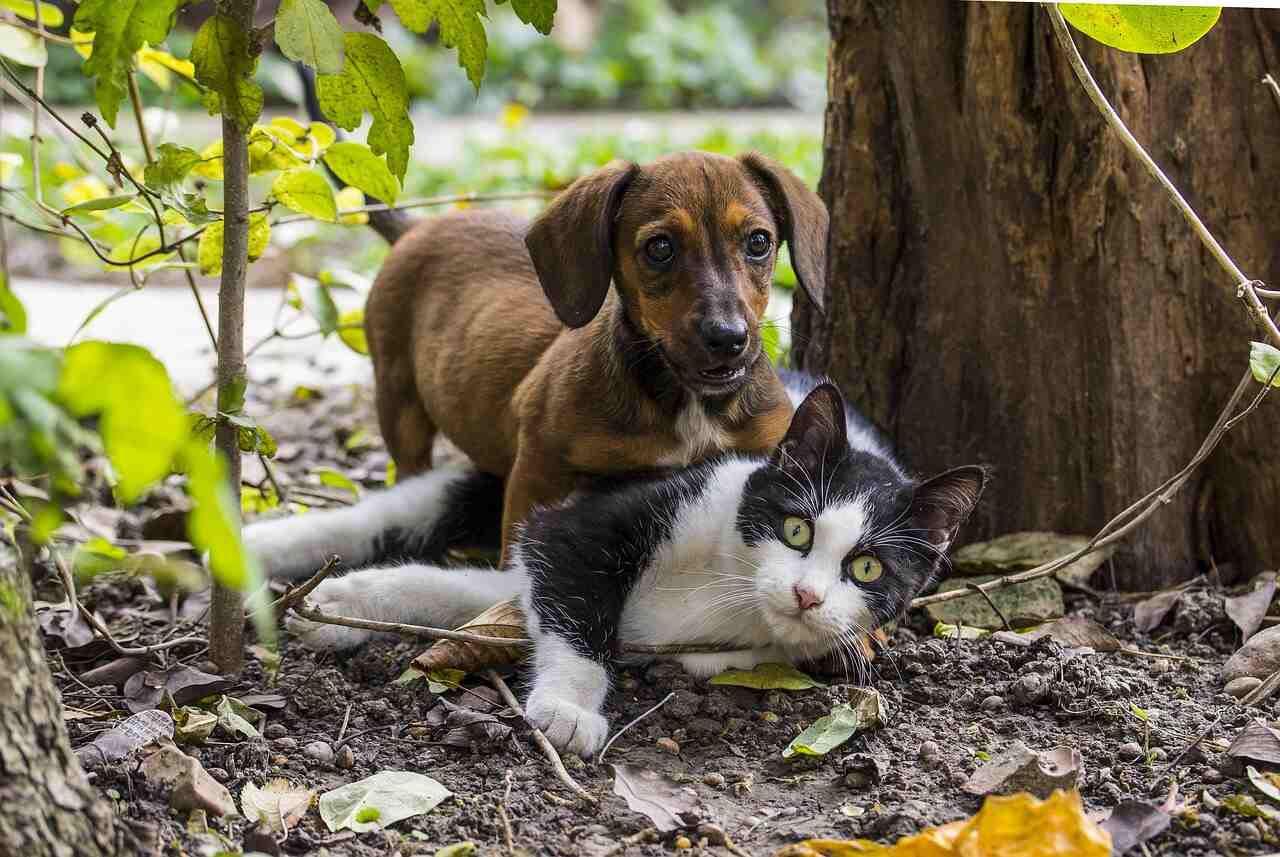
Can a Dog Get a Cat Pregnant
Mar
Can a Dog Get a Cat Pregnant? A Veterinarian Explains

During my years as a small-animal veterinarian, one question that surprises many people is whether a dog can get a cat pregnant. I’ve heard it from worried pet owners who saw unusual behavior between their pets, and from curious kids who genuinely want to understand how animals reproduce.

The main takeaway is clear: a dog cannot get a cat pregnant, under any circumstances.

Let’s explore why this is the case, so pet owners can better understand animal interactions and avoid unnecessary concerns.

Why Dogs and Cats Cannot Reproduce Together

Dogs and cats belong to entirely different biological families. Dogs are part of the Canidae family, while cats belong to Felidae. These groups separated millions of years ago in evolutionary history, and their reproductive systems are simply incompatible.

For pregnancy to occur, several very specific biological conditions must line up:

  • The sperm and egg must be genetically compatible
  • The sperm and egg must be genetically compatible. lization
  • The chromosome numbers must match closely enough to produce an embryo. chromosomes, and a cat has 38, so the genetic mismatch prevents fertilization or embryo development.

In practical veterinary terms, there has never been a documented case of a dog-cat hybrid. It’s biologically impossible.

Why Some Pet Owners Think It Happened

Over the years, I’ve had several conversations with owners who believed their dog might have impregnated their cat. The concern usually comes from witnessing unusual behavior.

A notable example was when a client brought in her cat, worried the neighbor’s dog had mated with her after seeing mounting behavior.

From the owner’s perspective, it looked like mating.

In reality, the dog was reacting to hormonal signals. When female cats are in heat, they release strong pheromones that can attract male animals—including dogs. The dog’s behavior was instinctive, not reproductive.

After learning about the biological differences, the owner was relieved. The cat later became pregnant by another neighborhood cat.

Animals Sometimes Attempt to Mate Across Species

This surprises people, but animals don’t always recognize species boundaries the way humans do. Hormones and instinct often drive their behavior.

Another example involved a dog persistently mounting the household cat. The cat tolerated it briefly before leaving.

What was happening was simple dominance and misplaced mating behavior. Male dogs, especially those that aren’t neutered, sometimes mount other animals—including cats, other dogs, or even objects like pillows.

It looks alarming, but it doesn’t lead to pregnancy.

Can a Dog Get a Cat Pregnant

The Real Risk: Stress and Injury

While pregnancy is impossible, these interactions can still create problems.

Cats generally don’t tolerate being mounted by dogs. Dogs are much larger, and even playful behavior can stress or injure a cat.

I once treated a limping cat after repeated harassment from a household dog, who became overly interested when the cat was in heat.

At first, the owner thought it was harmless, but the stress led the cat to stop eating normally and start hiding.

After we discussed the situation, the owners chose to spay the cat and neuter the dog. The behavior stopped almost immediately.

A Common Mistake I See in Multi-Pet Homes

One of the most common misunderstandings I encounter is the belief that different species don’t react to each other’s reproductive cycles.

In reality, dogs can absolutely detect when a cat is in heat. Their sense of smell is powerful enough to pick up hormonal changes easily.

When that happens, you might see:

  • Dogs obsessively sniffing the cat
  • Following the cat around, the dogs are obsessively sniffing the cat. Their agitation or whining.

Owners sometimes assume this means mating is possible. In truth, it’s simply a dog responding to strong reproductive scents.

Spaying or neutering usually eliminates the problem.

Why Cross-Species Hybrids Are So Rare

People often bring up animals like mules or ligers when this topic comes up.

Those hybrids occur because the parent species are very closely related genetically. Horses and donkeys share a recent evolutionary history. Lions and tigers belong to the same genus.

Dogs and cats are not remotely that close.

They diverged tens of millions of years ago and have completely different reproductive biology.

In practical veterinary medicine, this question comes up regularly, but the answer has always remained the same.

What to Do if Your Dog Keeps Mounting Your Cat

From a veterinary perspective, the goal is to reduce stress and prevent injury. If it hasn’t been done already

  • Provide escape spaces for the cat like high shelves or cat trees
  • Provide escape spaces for the cat, like high shelves or cat trees. Avoid training or exercise.

In my experience, once hormones are removed through spaying or neutering, most of these behaviors disappear quickly.

The Question That Always Comes From Kids

Every so often, a child in the exam room asks this question directly. I actually enjoy those moments because they open the door to explain how animal biology works.

I usually tell them something simple: dogs can only have puppies with other dogs, and cats can only have kittens with other cats.

It’s a straightforward truth that clears up the confusion immediately. Suppose their biology might overlap more than it does. But despite occasional strange behavior between pets, their reproductive systems are entirely separate.

To reiterate the main message: a dog cannot get a cat pregnant. What looks like mating is simply instinct, hormones, or dominance—not reproduction.