How to Understand Your Albino Cat’s Unique Needs
What I’ve Learned as a Veterinarian
I’ve been practicing as a small-animal veterinarian for more than a decade, and every so often, a patient walks into my clinic that immediately draws attention from everyone in the room. Albino cats tend to do that. Their pale coats, light eyes, and delicate skin make them striking, but they also come with health considerations many owners don’t expect.
Over the years, I’ve treated a handful of albino cats, and they’ve taught me that caring for them is slightly different from caring for most other cats. The differences aren’t dramatic, but they matter.
What Makes a Cat Albino
Many white cats are mistaken for albino cats. True albinism is actually quite rare.
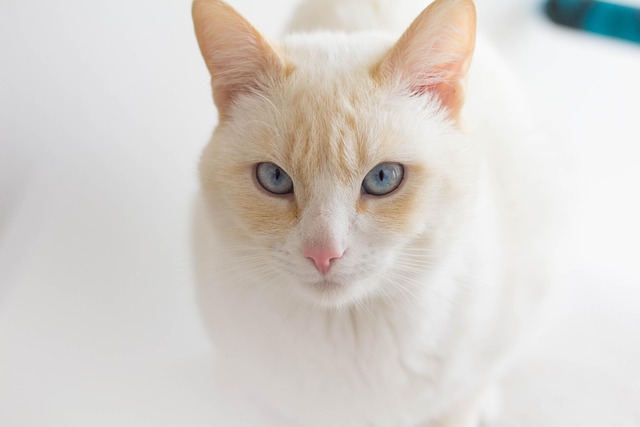
Albinism is a genetic condition in which the body produces little or no melanin, the pigment that gives skin, fur, and eyes their color. Without melanin, an albino cat appears almost entirely white, often with very pale blue or pinkish eyes and pink skin.
One of the easiest ways I explain the difference to pet owners is this: a typical white cat may still have pigment in the eyes or skin. A true albino cat lacks pigment almost everywhere.
I remember examining a young kitten brought into my clinic by a couple who thought they had adopted a rare albino. Under the exam light, I could see faint pigment around the ears and nose. The kitten was simply a white cat with blue eyes. Beautiful, yes, but not albino.
True cases of albino cats are rare.
The First Albino Cat I Treated
The first confirmed albino cat I worked with came in several years ago for persistent sunburn on the ears. The owner lived in a rural area and allowed the cat to roam outdoors most of the day.
When I looked at the cat’s ears, I immediately saw redness and peeling. Albino skin lacks the protective pigment that shields against ultraviolet light, so sun damage happens quickly.
We talked for quite a while that afternoon about lifestyle adjustments. I recommended limiting outdoor exposure during peak sunlight and keeping the cat indoors most of the day. A few months later, the owner returned for a checkup and told me the difference was dramatic. Once the cat stayed indoors and spent time near shaded windows instead of roaming fields, the skin problems disappeared.
That case stuck with me because it highlighted the biggest challenge these animals face: sunlight.
Sun Sensitivity Is the Biggest Concern
My main message to albino cat owners is unwavering: prioritize sunlight protection above all else.
Melanin acts like a natural sunscreen. Without it, the skin is extremely vulnerable. Areas with little fur coverage—especially ears, noses, and eyelids—are the most at risk.
Over the years, I’ve unfortunately seen cases where chronic sun exposure led to skin cancers, particularly on the ear tips. Those situations are heartbreaking because they often require surgical removal of damaged tissue.
Many such outcomes are preventable with simple precautions.
For albino cats, I usually recommend:
- Primarily indoor living
- Limited outdoor time early in the morning or late evening
- Careful monitoring of the ears and nose for redness or crusting
Some owners ask about sunscreen for cats. There are veterinary-approved products, but I typically encourage lifestyle changes first. Keeping the cat indoors is far more reliable than trying to maintain sunscreen coverage on a grooming animal.
Vision Can Be Different
Albino cats sometimes have subtle differences in vision.
Because melanin plays a role in eye development, albino animals may experience mild light sensitivity or reduced visual sharpness. In practice, I’ve noticed that some albino cats prefer dimmer environments.
One patient I saw regularly was unusually cautious around bright windows. The owner initially worried something was wrong with the cat’s eyesight. During the exam, I observed the cat moving comfortably in the room but squinting slightly when facing strong light.
Once the owner rearranged a few sunny resting spots and added shaded areas in the home, the cat’s behavior normalized.
Small lifestyle changes, guided by awareness of their needs, can significantly improve albino cats’ well-being.
Hearing Issues: A Common Misunderstanding
White cats with blue eyes are often associated with deafness, but that link is not quite as straightforward with albino cats.
In my experience, true albino cats don’t always show the same rate of congenital deafness seen in certain white-coated cats with the dominant white gene. Still, hearing issues can occur, so I always test responses to sound during exams.
I once evaluated an albino adult cat whose owner believed it was deaf because it rarely responded to calls. During the visit, I made a quiet clicking sound behind the cat while it was distracted. The ears turned immediately.
The cat wasn’t deaf at all. It had simply learned to ignore the owner’s voice.
Cats can be selective about what they hear.
Skin Care Matters More Than Owners Realize
Albino cats often have very delicate skin.
Even minor scratches or irritation can look dramatic because the pink skin shows inflammation quickly. I often advise owners not to panic at the first sign of redness but to monitor changes closely.
A small scratch usually heals quickly. Persistent redness or scabbing deserves a veterinary check.
One detail many people overlook is reflective surfaces in the home. Large glass doors, bright patios, and sunlit balconies can increase UV exposure indoors. I’ve suggested window films or curtains in a few cases where cats liked to nap in intense sunlight.
Simple environmental tweaks can make a noticeable difference.
Grooming and Coat Care
From a grooming standpoint, albino cats aren’t drastically different from other cats. Their coats tend to be fine and soft, though, so regular brushing helps prevent matting and keeps the skin healthy.
Because their skin is sensitive, I advise against frequent bathing unless medically necessary. When bathing is needed—usually for skin conditions—I recommend gentle, veterinarian-approved shampoos.
Owners sometimes worry about keeping the coat perfectly white. In practice, a little discoloration is normal, especially around the face or paws.
Cats don’t care about cosmetic perfection.
Personality Traits I’ve Observed
After working with several albino cats, I’ve noticed they often develop strong bonds with their owners. That may partly be because many of them spend more time indoors and interact closely with others.
One cat that visited my clinic regularly had a habit of climbing onto the owner’s shoulder during exams. It was unusually calm in a clinical environment, almost as if it had grown used to careful handling.
Animals that require a little extra care often receive a little extra attention. That relationship can create very affectionate companions.
Mistakes I Often See Owners Make
The most common mistake I encounter is assuming albino cats can live exactly like any other outdoor cat.
In many cases, owners simply aren’t aware of the risks. Once they understand the sun sensitivity issue, they’re usually eager to make adjustments.
Another mistake is misidentifying albino cats altogether. Many white cats are labeled “albino” online or by breeders, even though they have normal pigmentation genetics. A proper veterinary evaluation can clarify that fairly quickly.
Are Albino Cats Difficult to Care For?
Albino cats are not difficult to care for with the right knowledge. Awareness and targeted precautions lead to healthy lives.
Provide shade, limit sun exposure, monitor skin health, and maintain regular veterinary visits—these are the key takeaways to ensure albino cats live long, healthy lives just like other cats.
Albino cats make an impression with their appearance, but the most lasting impact comes from their personalities and the deeper owner bonds formed through mindful care.