Momma Cats and Their Kittens
Mar
How to Understand Momma Cats and Their Kittens

A Veterinarian’s Honest Perspective

I’ve been working as a small-animal veterinarian for over a decade, and if there’s one question I hear every spring without fail, it’s this: “Has this mother cat abandoned her kittens?”

The short answer is—sometimes it looks that way, but most of the time, she hasn’t.

Understanding the difference between normal maternal behavior and true abandonment can save kittens’ lives. I’ve seen well-meaning people accidentally do more harm than good simply because they misunderstood what momma cats actually do.

Why Mother Cats Leave the Nest (And Why That’s Normal)

Healthy mother cats often leave their kittens alone for hours. This is a natural survival instinct, not neglect.

A nursing cat needs to eat, drink, and sometimes even move quietly to avoid drawing predators to her litter. Domestic cats still carry those instincts, even in safe neighborhoods.

A few years ago, someone brought me three newborn kittens; I was sure the mother had abandoned them because she hadn’t been seen all morning.

We waited from a distance, and later that day, the mother returned, clearly searching for her kittens. That situation needed patience, not rescuing.

Mother cats often:

  • Leave to hunt or find food.
  • Stay away to avoid attracting attention to the nest.
  • Take breaks from constant nursing.

To an untrained eye, this can seem like abandonment, but it’s actually normal maternal behavior.

So, when does a mother cat’s absence become a cause for concern?

This is where judgment matters, and honestly, it’s not always black and white.

From what I’ve observed in practice, a mother cat can be away for 4–6 hours, sometimes longer, especially if food is scarce. But the younger the kittens, the more frequently she usually returns.

Newborn kittens (under 2 weeks old) need warmth and feeding often. If they’ve been left alone:

  • For more than 6–8 hours
  • And they’re cold, weak, or crying continuously.

That’s when I start to worry.

I once treated a litter found in a construction site where the mother had likely been displaced. The kittens were cold to the touch and barely responsive. That’s very different from kittens that are warm, quiet, and sleeping, which usually means mom is nearby and doing her job.
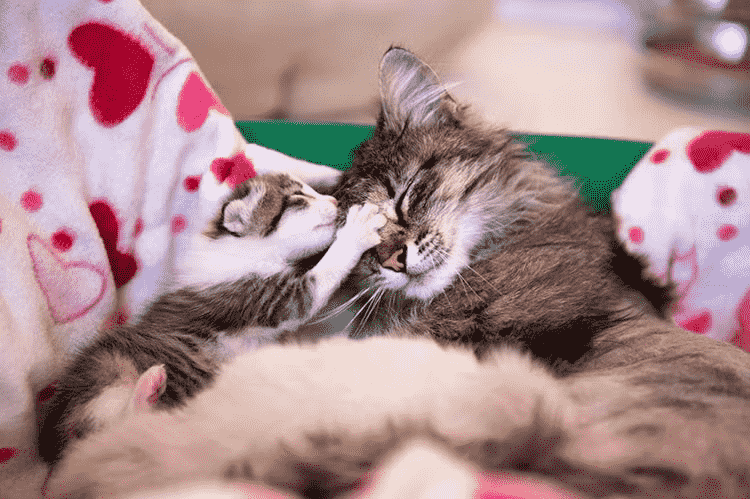
Momma Cats and Their Kittens

Signs a Mother Cat Has Truly Abandoned Her Kittens

Over the years, I’ve learned to look for patterns, not just moments.

A single absence doesn’t mean abandonment. But repeated absences, combined with poor kitten condition, often do.

Here are the signs I take seriously:

  • Kittens are cold and not huddling together.
  • Persistent crying for hours without stopping
  • Visible weight loss or dehydration
  • No sign of the mother after a full day of observation

One memorable case involved a stray mother who never returned after a storm. The kittens, found the next day scattered and weak, required urgent intervention.

A Common Mistake I See Too Often

People step in too quickly.

I understand the instinct—it’s hard to walk away from tiny, helpless kittens. But removing them too soon can reduce their chances of survival if you’re not prepared to care for neonates.

Raising kittens without their mother is demanding. They need feeding every few hours, stimulation to urinate, and strict temperature control.

Some clients return overwhelmed after trying to bottle-feed kittens they rescued too early. In several cases, the kittens didn’t survive—not from neglect, but from missing crucial maternal care.

If kittens are warm, quiet, and healthy, I advise watching before intervening.

What I Recommend in Real Situations

When someone calls me about possibly abandoned kittens, I usually walk them through a calm approach.

First, observe from a distance. Don’t hover too close—the mother may stay away if she senses people nearby.

Give it time. If possible, check intermittently over several hours. In many cases, the mother returns when it’s quiet.

If you’re unsure, a small trick I often suggest is placing a bit of flour or soft soil near the nesting area. If you see paw prints later, you’ll know she came back.

But if the kittens show signs of distress—cold, weak, or continuously crying—that’s when stepping in is justified.

My Professional Take

After years of handling these situations, I lean toward caution. Most mother cats do not abandon their kittens unless something has gone wrong—injury, illness, or sudden displacement.

Often, what appears to be neglect is simply instinct at work.

The real challenge isn’t identifying abandonment—it’s resisting the urge to interfere too soon. That balance can make all the difference.

I’ve seen kittens thrive simply because someone chose to wait and observe rather than act immediately. And I’ve seen the opposite: good intentions leading to unnecessary loss.

The main takeaway: a mother cat’s absence doesn’t necessarily mean abandonment. In most cases, her leaving is normal, driven by an instinct to protect her kittens’ safety and well-being. Only intervene when you observe clear signs of distress after a significant period of time. Patience can make all the difference in the kittens’ survival.

My Cat Had Worms
Mar
My Cat Had Worms—Here’s Exactly How I Cleaned My House

(From a Practicing Veterinarian’s Perspective)

I recall a worried owner bringing in a cat carrier and a bag of what looked like rice—tapeworm segments. The main concern was the home, not just the cat.

As a veterinarian for over a decade, I’ve heard this question often: “My cat has worms—do I need to disinfect everything?” The answer is yes, but not as most expect.

Here’s what matters most, based on real homes—not just theory.

First, Understand What You’re Dealing With

Not all worms behave the same. Cleaning depends on the type: roundworms and hookworms spread microscopic eggs in feces.

  • tapeworms usually come from fleas, not directly from surfaces.

This matters. One client bleached her whole house for tapeworms but never treated fleas. The worms quickly returned.

Start With the Litter Box—This Is Ground Zero

In my experience, the litter box is the single biggest contamination point.

One household kept reinfecting their kitten despite giving medication, as they didn’t change litter often enough. Worm eggs kept cycling back.

What I recommend—and personally follow in my own home when needed—is this:

  • Empty the litter box completely
  • Wash it with hot water and detergent
  • Follow with a mild disinfectant (not overly harsh—cats are sensitive to smells)
  • Replace with fresh litter daily during treatment

If you’re tempted to skip daily changes, remember: most reinfections happen here.

Floors and Carpets: Focus on Eggs, Not Dirt

Visible dirt isn’t the issue; worm eggs are microscopic.

I visited a spotless home where they rarely vacuumed under furniture—precisely where the problem hid.

Here’s what actually works:

  • Vacuum carpets, rugs, and upholstery thoroughly
  • Pay attention to corners, under furniture, and pet sleeping areas
  • Dispose of the vacuum bag immediately after use (this step is often overlooked)

Steam cleaning helps in persistent cases, but regular thorough vacuuming is usually enough.

My Cat Had Worms

Bedding, Blankets, and Your Cat’s Favorite Spots

Cats don’t spread worms everywhere—but they do contaminate the places they rest.

A client’s cat slept on their pillow, causing mild skin irritation. Washing bedding solved it in days.

Wash anything your cat regularly touches:

  • Pet bedding
  • Blankets
  • Cushion covers

Use hot water. It works better than most disinfectants.

Don’t Forget Flea Control (Especially for Tapeworms)

This is where many people slip up.

For tapeworms, house cleaning alone won’t solve the problem. Fleas are part of the life cycle.

Some clients deep-clean their homes repeatedly, but the issue persists until fleas are managed.

Treat:

  • Your cat (with vet-approved flea control)
  • Other pets in the house
  • Soft furnishings where fleas may live

Without flea control, you’re essentially repeating your efforts.

Common Mistakes I See Again and Again

After years in practice, a few patterns stand out:

Overusing harsh chemicals

People assume stronger chemicals are better, but I’ve treated cats for respiratory issues from harsh disinfectants.

Cleaning everything once, then stopping

Worm eggs don’t go away fast. Consistency beats intensity.

Ignoring the cat during cleaning

If the cat isn’t treated at the same time, house cleaning is pointless.

What Actually Works in Real Life

The main lesson I see: consistency beats over-cleaning. Focus on the routine, not perfection, for lasting results.

You don’t need to sterilize your house like an operating room. You need to:

  • Keep the litter box clean daily
  • Vacuum thoroughly and regularly
  • Wash fabrics your cat uses
  • Address fleas if relevant
  • Follow through with deworming treatment

Homes have gone from repeated infections to clear within weeks by following these basics.

A Final Thought From Experience

When my own cat had worms, I over-cleaned and stressed her. Only when I focused on the litter box, fabrics, and a simple routine did things improve.

Worms are unpleasant, but manageable. Consistent cleaning of litter, fabrics, and flea control breaks the cycle. Stick to these steps and reinfection becomes unlikely.

How Many Times Can a Cat Get Pregnant
Mar
How Many Times Can a Cat Get Pregnant in a Year?

A Veterinarian’s Perspective from Daily Practice

I’ve been working as a small animal veterinarian for over a decade, and if there’s one thing that still surprises new cat owners, it’s just how quickly cats can reproduce. I’ve had countless conversations in exam rooms where someone walks in with a young female cat and asks, half-joking, “She can’t get pregnant already… can she?”

The short answer is yes—and more often than most people expect.

The Real Number: More Than You Think

In ideal conditions, a healthy female cat (queen) can get pregnant up to 3 to 5 times in a single year. That’s not theoretical—it’s something I’ve seen happen in real households, especially where cats are allowed outdoors or live with unneutered males.

Cats are seasonally polyestrous, meaning they go into heat multiple times during breeding seasons, which are influenced by daylight and climate. In warmer regions—or even indoors with artificial lighting—they may cycle year-round.

Each pregnancy lasts about 63 to 65 days, and a cat can go back into heat just weeks after giving birth. That’s where things escalate quickly.

A Situation I Still Think About

A few years ago, a client brought in a young female cat who had already delivered two litters before she turned one year old. The owner genuinely believed cats needed “time to recover” between pregnancies, as humans do.

But that’s not how feline biology works.

This particular cat had gone into heat again while still nursing her kittens. By the time the owner realized what was happening, she was already pregnant again. That third pregnancy took a toll—she came in underweight, lethargic, and struggling to keep up with both nursing and gestation.

We stabilized her, but it was a clear example of how fast things can spiral if you’re not prepared.

Why It Happens So Quickly

From a biological standpoint, cats are built for reproduction efficiency. A few factors explain the high frequency:

  • Induced ovulation: Cats ovulate after mating, not on a fixed cycle. This increases the chance of pregnancy every time they mate.
  • Short intervals between heats: If a cat doesn’t get pregnant, she can go back into heat within a couple of weeks.
  • Postpartum fertility: Yes, a nursing cat can become pregnant again surprisingly soon.

I’ve had to explain this many times to surprised owners who assumed lactation would prevent pregnancy. It doesn’t.

How Many Times Can a Cat Get Pregnant

The Compounding Effect of Litters

Now consider the math.

A single litter typically has 3 to 6 kittens. Multiply that by even 3 pregnancies per year, and you’re looking at 9 to 18 kittens annually from one cat.

I once worked with a family who adopted a stray female. They delayed spaying for “just a few months,” and within a year, they had over a dozen cats in their home. They weren’t neglectful—just unaware.

That’s a common thread I’ve noticed. This isn’t usually about irresponsibility. It’s about underestimating how fast reproduction happens.

Health Risks I See in Frequent Pregnancies

From a clinical perspective, repeated pregnancies without recovery time can lead to serious health issues. I’ve treated cats with:

  • Malnutrition, especially in young or small-bodied queens
  • Uterine infections (pyometra)
  • Difficult labor (dystocia)
  • Weakened immune response

One case that stands out involved a cat bred repeatedly over a short period of time. By the time she came in, she was exhausted, dehydrated, and had complications during delivery. We had to intervene surgically.

It’s situations like that that make me very direct with owners: just because a cat can get pregnant multiple times a year doesn’t mean she should.

What I Tell Every Cat Owner

In my practice, I don’t hesitate to recommend spaying unless there’s a very specific, responsible breeding plan in place.

I usually bring it up early, sometimes during the first vaccination visit. Not in a pushy way, but with real examples from what I’ve seen.

There was a client last spring who was hesitant to have her cat spayed. She wanted “just one litter.” A few months later, she came back overwhelmed—not with one litter, but two, because her cat got pregnant again sooner than expected.

After that, she opted for the procedure. She later told me she wished she had done it earlier.

A Practical Way to Think About It

If you’re trying to picture the timeline, it helps to think of it like this:

A cat can become pregnant, give birth roughly two months later, and then be ready to conceive again shortly after. That cycle can repeat multiple times within a year, especially in a stable indoor environment.

It’s not uncommon. I’ve seen it play out many times.

Final Thoughts from Experience

In my day-to-day work, I rarely meet owners who regret spaying their cats. But I’ve met plenty who regret waiting.

Cats are incredibly efficient reproducers. Left unmanaged, one female can contribute to a much larger population in a very short time.

Understanding that reality early makes all the difference—not just for the cat’s health, but for the owner’s peace of mind.

Maine Coon
Mar
How to Understand Maine Coon Cat Size with Expert Tips

The Gentle Giants of the Cat World

As a licensed veterinarian practicing in Texas, I’ve had the chance to care for a variety of cat breeds, but few leave the impression that Maine Coons do. Their size alone is remarkable. I remember meeting Thor, a four-year-old Maine Coon, who instantly filled the examination room with his presence. At first glance, he could easily be mistaken for a small dog rather than a typical house cat. Their stature is not just about length but also about bone structure and muscular build, which contributes to their reputation as gentle giants.

Maine Coons are one of the largest domestic cat breeds. Adult males often weigh between 13 and 18 pounds, sometimes more, while females are slightly smaller, usually between 8 and 12 pounds. But numbers alone don’t tell the whole story. I’ve seen men in my practice who tip the scales at over 20 pounds while still maintaining a healthy, athletic frame. Length is another standout feature—Maine Coons can stretch up to 40 inches from the tip of their nose to the end of their tail.

Growth Patterns and Maturity

One thing I’ve observed repeatedly is that Maine Coons take longer to reach their full size compared to other breeds. Unlike most domestic cats, which are considered adults around 12 months, Maine Coons often continue growing until they are 3 or even 4 years old. I treated a young male named Simba whose owner was worried about his size at 18 months; he still had room to grow. By the time Simba turned three, he had nearly doubled the weight he carried as a yearling.

This slower growth rate can be advantageous for monitoring health. I advise owners to track their Maine Coon’s weight and body condition carefully during these years. Rapid growth spurts, especially in males, can sometimes put strain on their hips and joints. Ensuring proper nutrition with high-quality protein and controlled calories is essential to support healthy bone and muscle development without excessive fat gain.

Maine Coon

Physical Characteristics That Add to Size

When I first encountered Luna, a female Maine Coon, in my clinic, I was struck by her large, tufted ears, bushy tail, and broad chest. These features aren’t just for show—they contribute to their overall mass and give the impression of an even larger cat. Their paws are substantial, with tufts of fur between the toes, which help them navigate snowy or rough terrain, reflecting the breed’s origins in the Northeastern United States.

Owners often assume that their Maine Coon’s size is unusual or even unhealthy. I’ve reassured many clients over the years that a large frame is normal for this breed. While obesity can be a concern in any cat, a Maine Coon’s weight needs to be considered relative to its length, bone structure, and muscle mass.

Personality Matches Their Size

What fascinates me most is that their size doesn’t come with an intimidating personality. In fact, I’ve found that Maine Coons are affectionate, sociable, and playful despite their large frames. A customer last spring brought in her male Maine Coon, Thor, for a routine check-up, and he spent most of the visit rubbing against my legs and gently pawing at me. His size commanded attention, but his gentle behavior reminded me why they’re often called the “dog-like cat.”

Considerations for Prospective Owners

From a veterinary perspective, potential owners should be prepared for a Maine Coon’s size. Large litter boxes, spacious feeding areas, and sturdy furniture help accommodate their stature. Regular health checks are vital, as their joints and heart are areas that benefit from ongoing monitoring due to their size. I often emphasize this during consultations because an owner’s awareness can make a significant difference in ensuring a Maine Coon lives a long, healthy life.

In my experience, understanding their growth, maintaining proper nutrition, and providing suitable living arrangements allows owners to fully appreciate the majesty of these gentle giants. Their impressive size is part of their charm, but when paired with attentive care, they remain happy, healthy, and affectionate family members.

Cat Has Eyelashes
Mar
How to Check if Your Cat Has Eyelashes

Understanding Feline Eyelashes

As a licensed veterinarian practicing in Texas, I often get asked curious questions about cat anatomy, and one that comes up surprisingly often is whether cats have eyelashes. The short answer is yes—cats do have eyelashes, though they’re different from human eyelashes in both structure and function. In my experience, many cat owners overlook them because they’re fine, short, and blend into the fur around the eyes, but they play an important role in protecting the eyes from dust, debris, and even insects.

I first noticed this when examining a cat named Luna, who had a small eyelid irritation. While checking her eyes, I realized how delicate and effective her sparse eyelashes were at catching particles before they could irritate the eye. This tiny feature often goes unnoticed until a problem arises, highlighting how even small anatomical details are vital for feline health.

The Function of Cat Eyelashes

Cat eyelashes, technically called cilia, serve as sensory and protective structures. Unlike human eyelashes, which are primarily a barrier to keep particles out, feline cilia are extremely sensitive. They can detect when something is about to touch the eye, triggering a reflexive blink. I’ve seen this in practice with several cats brought in after minor encounters with grass or dust. Even a small eyelash can sense movement and protect the cornea from potential scratches or irritants.

I recall a customer last spring whose outdoor cat, Oliver, had a near-eye scratch from a stray blade of grass. The cat blinked just in time, thanks in part to the protective reflexes facilitated by his delicate eyelashes. Situations like this demonstrate how eyelashes, though subtle, are critical to a cat’s eye health.

Cat Has Eyelashes

Common Misconceptions

Many cat owners assume that cats don’t have eyelashes because they’re not as prominent as human lashes. I’ve had multiple clients concerned that their cats’ eyelashes were missing, when in reality the lashes are simply very fine and may not be immediately visible. Cats also have a third eyelid, called the nictitating membrane, which provides an additional layer of protection. Sometimes, owners mistake this membrane for an eyelash deficiency.

Another misconception is that eyelashes don’t matter. I’ve treated cats with eye infections where dirt and debris accumulated because their natural defenses, including the eyelashes, were compromised by excessive rubbing or trauma. These experiences have reinforced for me how small anatomical features like eyelashes play a big role in preventing more serious problems.

Care for Your Cat’s Eyes

While cat eyelashes don’t require grooming like human lashes, they are affected indirectly by overall eye care. Regularly checking for discharge, redness, or swelling ensures that the lashes and eyelids can perform their protective role effectively. In one case, a customer’s indoor-outdoor cat developed mild conjunctivitis after playing in a dusty area. Examining the eyes closely, I noticed that the fine lashes were coated with debris, which contributed to irritation. A gentle eye cleaning routine, along with treatment, resolved the issue.

It’s also worth noting that certain conditions, such as eyelash misalignment or ingrown lashes, can occur. These are rare, but when they happen, intervention is necessary to prevent discomfort or eye damage.

My Professional Take

Yes, cats have eyelashes, and they are more than just cosmetic features. They serve as protective sensors and help maintain eye health. In my practice, I’ve seen firsthand how these tiny structures make a difference—preventing irritation, catching debris, and even triggering reflexive blinks to avoid injury.

While subtle, they are a critical part of feline anatomy that deserves attention, especially when your cat shows signs of eye discomfort. Observing and gently caring for your cat’s eyes ensures these small but vital features continue to do their job effectively.

Identify Bipolar Traits in Your Cat
Mar
How to Identify Bipolar Traits in Your Cat

I’m a licensed veterinarian practicing in Texas, and over the past 12 years, I’ve had countless cat owners come to me concerned that their pets might be “bipolar.” I’ve found that while cats do show sudden shifts in mood, they do not experience bipolar disorder in the same way humans do. However, abrupt or extreme changes in behavior often indicate underlying health or environmental issues that deserve attention.

Mood Swings in Cats: What I’ve Seen

Cats are naturally unpredictable. I remember a customer last spring who brought in a two-year-old Maine Coon. One minute, he was affectionate and playful, and the next, he was hiding and hissing. The owners were convinced their cat was “bipolar.” After a thorough examination, including blood work and a urinalysis, we discovered he had a urinary tract infection. Once treated, his extreme mood swings disappeared.

Another case involved a three-year-old domestic shorthair whose owners reported that she alternated between frenzied play and complete withdrawal. She had recently moved to a new home, and the changes in her environment were clearly causing stress. Adjusting her routine, providing vertical spaces like cat trees, and allowing her safe hiding spots dramatically improved her behavior.

These examples highlight a key point I’ve learned: sudden or extreme mood changes in cats are almost always linked to physical health, environmental stress, or neurological factors rather than a true mental disorder.

Common Causes of Dramatic Behavioral Shifts

When cat owners worry that their pet is “bipolar,” it’s usually one of several underlying issues:

  • Pain or illness: Cats are masters at hiding discomfort. I treated an elderly domestic shorthair who became aggressive almost overnight. After a full exam, we found a dental abscess causing significant pain. Treating the infection restored her calm demeanor.
  • Stress and environmental changes: Cats are sensitive to environmental changes. I had a client with a Siamese who would suddenly bolt and hiss whenever delivery people arrived at the door. After introducing consistent routines and designated quiet spaces, the cat’s anxiety-related outbursts subsided.
  • Neurological or hormonal conditions: Occasionally, cats may experience seizures, thyroid imbalances, or other neurological issues that can cause sudden behavioral changes. Early veterinary assessment is crucial in these cases.

Identify Bipolar Traits in Your Cat

Why Cats Are Not Bipolar

Unlike humans, cats do not experience mania or depression in a clinical sense. Their mood fluctuations are generally temporary responses to stimuli, stress, or discomfort. I’ve seen many owners misinterpret normal feline behavior as psychiatric illness. For example, “zoomies” or sudden bursts of energy are a normal part of feline play and exploration, not a manic episode. Similarly, periods of withdrawal often indicate fatigue, stress, or mild illness rather than depression.

Supporting Your Cat’s Emotional Balance

Even though cats cannot be diagnosed with bipolar disorder, they benefit from stable routines, safe spaces, and attentive care. In my practice, I recommend:

  • Consistent feeding and play schedules: Predictable routines reduce stress and help regulate behavior.
  • Safe hiding spaces and vertical areas: Cats feel secure when they can retreat or observe their surroundings from a height.
  • Separate areas for multi-cat households: Territorial disputes can cause sudden aggression or mood changes. One of my clients saw major improvements in her three cats after creating individual feeding and resting zones.

When to Consult a Veterinarian

If your cat’s behavior changes abruptly or seems extreme, schedule a veterinary appointment promptly. Sudden mood swings can indicate pain, illness, or neurological conditions. I treated a middle-aged cat whose calm temperament shifted to frequent aggression and anxiety. Diagnostic tests revealed a small brain tumor. While we couldn’t reverse the tumor, early intervention allowed us to manage symptoms and improve his quality of life.

Observing Patterns and Taking Action

Cats may display behavior that seems erratic or extreme, but in my experience, most of these cases have identifiable causes. Observing your cat’s patterns, maintaining consistent routines, and addressing sudden changes promptly can make a huge difference in your cat’s health and happiness. Understanding that cats do not experience bipolar disorder like humans helps owners respond appropriately, keeping both the cat and household calm and balanced.

Can Cats Safely Eat Cashews
Mar
Can Cats Safely Eat Cashews? A Vet’s Guide

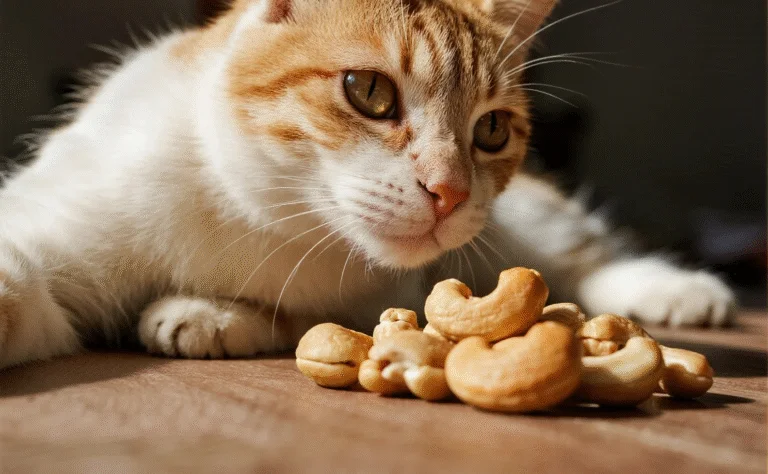
As a licensed veterinarian practicing in Texas for over a decade, I’ve seen cat owners worry about which human foods are safe for their feline companions. Cashews come up surprisingly often. People assume that because these nuts are not labeled “toxic,” they’re harmless. In my experience, though, that assumption can be risky. While cashews aren’t directly toxic to cats, they are not ideal treats and can cause digestive or long-term health issues.

Why Cashews Can Be a Problem

Cats are obligate carnivores, meaning their bodies are designed to digest animal protein, not plant-based foods or nuts. Cashews are high in fat, which cats cannot process efficiently. I’ve seen several cases in my practice where a small handful of cashews led to vomiting, diarrhea, or bloating.

For example, a customer last spring brought in her domestic shorthair after she offered her two cashews “as a treat.” That evening, the cat vomited twice and seemed lethargic. While she recovered quickly, this case highlighted a common mistake: even a tiny amount of cashew can upset a sensitive stomach.

It’s not just about short-term upset either. Regularly feeding nuts, even in small amounts, can contribute to weight gain, obesity, and even pancreatitis in predisposed cats. In my practice, I’ve treated cats who became overweight primarily due to repeated human food snacks, such as nuts.

Salted, Roasted, or Flavored Cashews: Higher Risk

I’ve noticed that most cashew-related complaints involve salted or roasted varieties. One tabby I treated last fall had been nibbling from a bowl of salted cashews left on the counter. The cat became lethargic, mildly dehydrated, and seemed unusually restless. The sodium content in these nuts was likely the culprit.

Even plain roasted cashews are high in fat, which can be taxing on a cat’s liver and digestive system. I generally tell cat owners: if a nut is flavored, salted, or roasted, it’s better to assume it’s unsafe.

Can Cats Safely Eat Cashews

Raw Cashews: Rare Treat at Best

Even raw, unsalted cashews should be considered occasional at most. I had a client who wanted to share a single raw cashew with her indoor cat. I explained that while a single nut wouldn’t likely cause harm, repeated offerings could lead to digestive upset over time. She decided instead to give her cat a small piece of cooked chicken, which satisfied her cat without any risk.

In my experience, cats don’t really crave nuts—they respond better to treats designed for their biology. Sharing a cashew might seem harmless, but it rarely adds any real enjoyment for the cat, and the risk often outweighs the benefit.

Better Treat Options for Cats

I’ve found that recommending species-appropriate treats helps owners feel good about giving their cats something special without introducing risk. Lean meats, freeze-dried fish, or small portions of commercial cat treats provide flavor, texture, and nutrients that cats need.

One client had been offering a variety of human snacks, including nuts, for years. After switching to freeze-dried fish treats, her cats were just as enthusiastic—and she stopped seeing vomiting or diarrhea episodes altogether. Over time, their body condition scores improved as well, demonstrating the difference proper treatment can make.

My Perspective as a Veterinarian

From a professional viewpoint, cashews are not toxic, but are not recommended. If a cat accidentally eats a small piece, it’s usually not an emergency. However, repeated or larger amounts can cause digestive upset, weight gain, or even long-term health concerns. I’ve learned that cats benefit most from consistent, species-appropriate food and treats.

By observing your cat’s reactions, keeping nuts out of reach, and choosing appropriate treats, you can take the safest approach. In my practice, I emphasize prevention: it’s far easier to avoid a health issue than to treat one after it occurs. Over the years, I’ve seen many cats thrive simply because owners chose suitable foods rather than sharing human snacks.

In short, a tiny nibble of cashew won’t usually harm your cat, but from both practical and health perspectives, it’s better to avoid feeding them altogether. Lean protein, cat-specific treats, and a well-balanced diet are far safer ways to show your feline companion some love.

Feed Your Cat Crab
Mar
How to Safely Feed Your Cat Crab

Insights from a Licensed Veterinarian

As a licensed veterinarian practicing in Texas for over 12 years, I’ve often had cat owners ask whether it’s safe to feed their feline friends seafood, such as crab. I’ve seen cats showing interest in their humans’ meals, and crab is one of those foods that seems enticing because of its aroma and texture. But from my experience, feeding crab to cats requires careful consideration.

Understanding Crab as a Treat

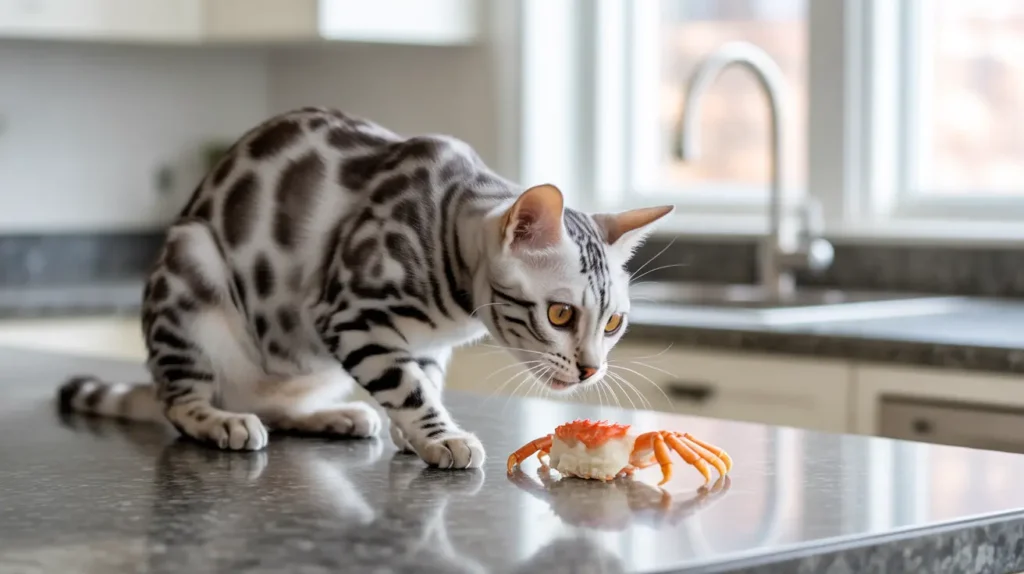
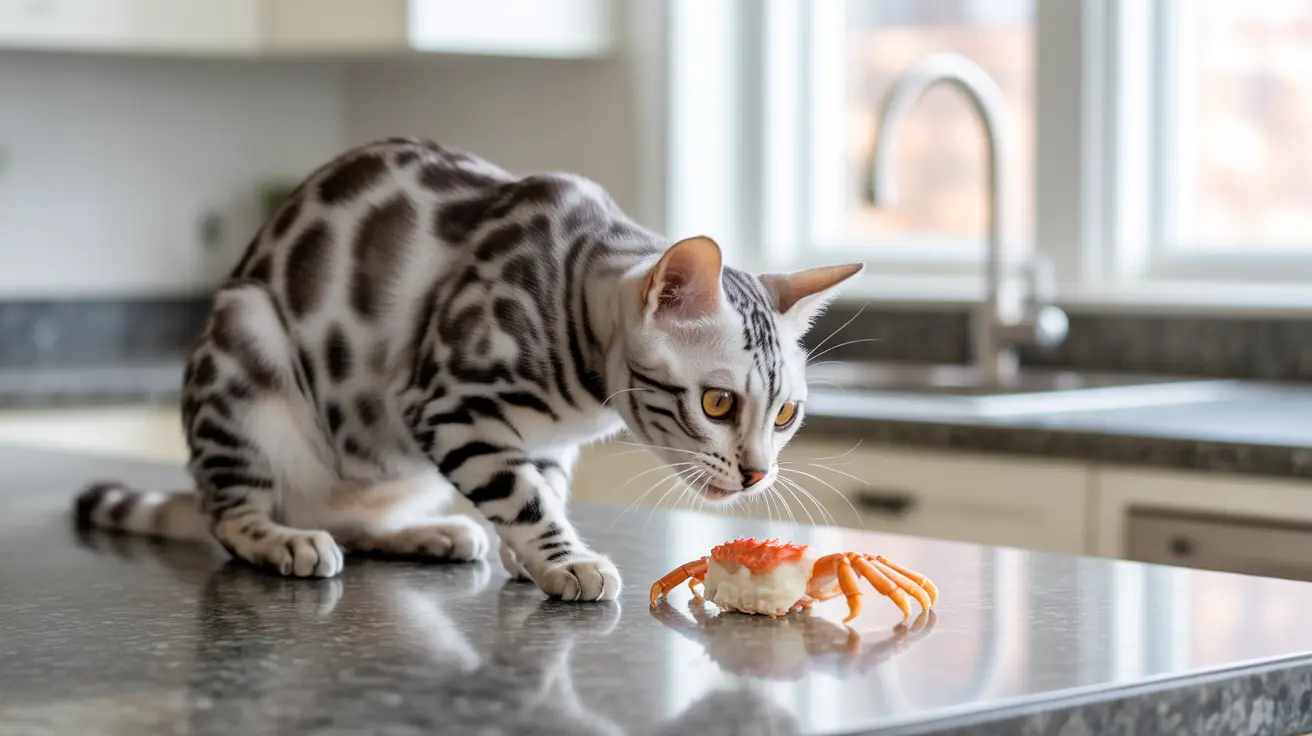
Cats are obligate carnivores, which means their bodies are designed to digest and thrive on meat. Plain, cooked crab meat can be an occasional treat, but there are several caveats. I remember a client last summer who wanted to share a small piece of crab with her Siamese. I examined the crab and confirmed it was cooked and shell-free. The cat enjoyed the tiny morsel, and there were no adverse effects. This experience reinforced that small portions of plain, properly prepared crab can be safe.

However, raw crab and crab seasoned with butter or sauces are a different story. In my practice, I’ve treated cats who developed vomiting and diarrhea after sneaking seasoned seafood off a dinner plate. Even small amounts of garlic, onion, or heavy spices—common in crab dishes—can be toxic to cats. One case involved a curious tabby who got into a seafood boil; she needed a day of supportive care at the clinic, including fluids, to recover from mild toxicity.

Shells and Choking Hazards

One of the most common mistakes I see is giving cats crab with the shell intact. Shell fragments can puncture or irritate the digestive tract. I recall examining a young domestic shorthair who had a sharp shell fragment stuck in her throat after trying to chew on a crab leg. Fortunately, we were able to remove it safely, but it was a scary experience for the owners. This reinforces why crab should always be fully shelled before offering any portion to a cat.

Feed Your Cat Crab

Nutritional Perspective

Crab meat is low in fat and high in protein, which aligns with a cat’s natural diet. In moderation, it can provide a novel flavor that some cats enjoy. During my years of practice, I’ve recommended that cat owners treat crab as an occasional supplement rather than a regular meal. One family I worked with discovered that offering tiny pieces of plain crab once every few weeks became a special treat for their older cats, giving them enrichment without compromising their health.

My Professional Recommendation

Based on my hands-on experience, plain, fully cooked crab meat in very small quantities can be safe for cats. Avoid raw crab, seasoned dishes, and shells. Never replace a cat’s balanced diet with seafood. If your cat has never tried crab before, offer only a tiny piece and observe for any digestive upset.

In my years caring for cats, I’ve learned that moderation and caution are key. Crab can be a special occasional treat, but the risk from seasoning, shells, or overfeeding makes it something that should be offered sparingly and thoughtfully. By keeping these guidelines in mind, you can safely share the occasional taste of crab with your feline friend while protecting their health.

Cat’s Gums Be for Good Health
Mar
What Color Should a Cat’s Gums Be for Good Health?

As a licensed veterinarian practicing in Texas for over 12 years, I’ve learned that a cat’s gums can reveal a lot about their overall health. Many cat owners overlook this simple check, but observing gum color can alert you to serious issues before other symptoms appear.

Normal Gum Color in Cats

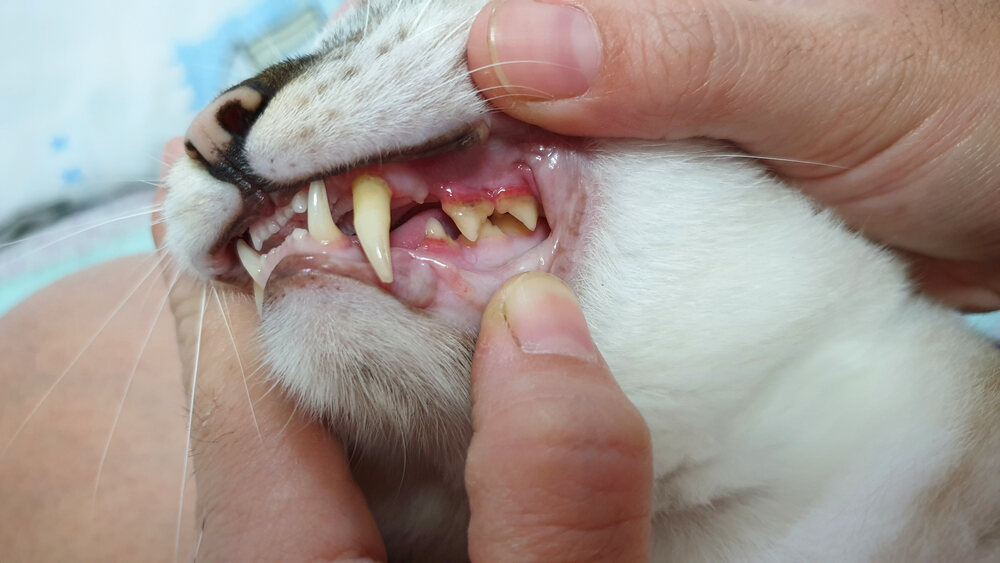
In my experience, healthy cats typically have pink gums. The exact shade can vary slightly, from a soft baby pink to a slightly darker rosy tone, depending on the cat’s breed and pigmentation. For example, I once examined a Siamese kitten whose gums were a delicate pale pink—completely normal for her lighter coloring. In contrast, a Maine Coon I recently treated had slightly darker pink gums that were entirely healthy.

Checking gums is easy: gently lift your cat’s lip and take a quick look. You’re aiming to see an even, moist pink surface. The texture matters too—healthy gums should feel smooth and slightly spongy, not dry, sticky, or rough.

Warning Signs in Gum Color

Changes in a cat’s gum color can signal health problems. I’ve encountered several cases where a simple gum check saved lives. One memorable example involved a domestic shorthair brought in after appearing lethargic for a day. Her gums were pale, almost whitish, which immediately raised red flags for anemia or internal bleeding. Prompt testing revealed a severe flea infestation, causing blood loss. Early intervention made a huge difference in her recovery.

Other concerning gum colors include:

  • Bright red gums often indicate inflammation or infection, sometimes linked to dental disease. I treated a cat last summer whose bright red gums were due to gingivitis. Regular dental care resolved it quickly.
  • Bluish or purple gums: Can signal a lack of oxygen or respiratory issues. I’ve seen this in cats with heart problems, and immediate veterinary attention is critical.
  • Yellowish gums: Suggest liver issues. I once examined a senior cat with jaundice, and noticing yellow gums helped us catch hepatic disease early.

Common Mistakes Cat Owners Make

Many cat owners think the color of a cat’s gums only matters if the cat is visibly sick. I’ve had several clients dismiss pale or reddened gums as “just their normal color,” which delayed treatment. Another mistake is relying on photos online—lighting can distort the true color. The safest approach is to regularly observe your cat’s gums and note any sudden changes.

Cat’s Gums Be for Good Health

Practical Tips for Checking Your Cat’s Gums

In my practice, I advise pet owners to make gum checks a routine part of grooming:

  1. Choose a calm moment: After petting or during brushing, gently lift the lip.
  2. Use natural light: it provides the most accurate color representation.
  3. Note moisture and texture: Gums should be moist and smooth.
  4. Trust your instincts: If something looks off, call your vet. I’ve seen minor changes that owners initially ignored become serious within hours.

Even with healthy cats, regular dental cleanings and routine check-ups help maintain gum health. Observing color is a first step, but professional evaluation ensures there are no underlying problems.

Final Thoughts

From my years of hands-on veterinary work, I can say that a cat’s gums are a small window into their health. Pink, smooth, and moist gums are normal, while pale, blue, yellow, or bright red gums require prompt attention. Checking your cat’s gums can prevent emergencies, help detect disease early, and give you peace of mind. I’ve seen how a simple observation can literally save a cat’s life.

Cat Drinks Safe Tap Water
Mar
How to Ensure Your Cat Drinks Safe Tap Water

 Insights from a Veterinarian

As a licensed veterinarian practicing in Texas for over 12 years, I’ve noticed that cat owners are often unsure about whether tap water is safe—or even appealing—for their feline companions. Many assume that what we drink is automatically fine for cats, but cats are more sensitive than people think.

They are particular about taste, temperature, and even the way water is presented. Over the years, I’ve encountered countless situations that illustrate just how individual cats’ preferences can be when it comes to hydration.

How Cats React to Tap Water

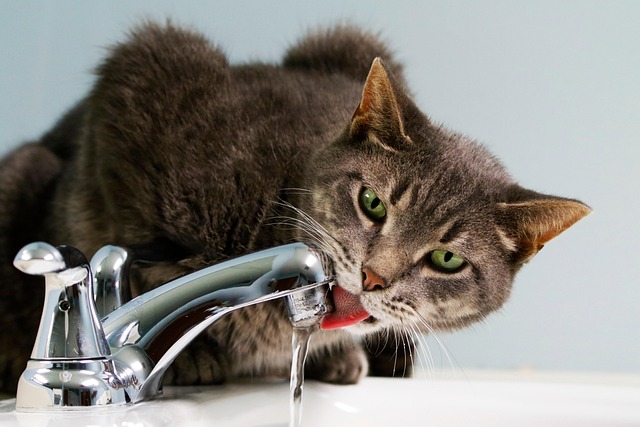
Some cats drink tap water without any hesitation, while others completely avoid it. I remember a client last summer whose Siamese refused to drink from the kitchen faucet, even when it was running, but eagerly lapped from a ceramic bowl filled with filtered water. On the flip side, another family’s Maine Coon would jump up to the sink at every opportunity to drink straight from the faucet, clearly enjoying the movement of water. These examples show that there’s no one-size-fits-all answer—cats have their own preferences.

From a safety standpoint, tap water in most U.S. cities is treated to meet human consumption standards, which makes it generally safe for cats. The concern isn’t usually toxicity but taste and presentation. Cats are very sensitive to chlorine, minerals, or any metallic flavors that can come from household plumbing. I’ve found that in homes with older pipes, cats are particularly reluctant to drink tap water, even if it’s technically safe.

Common Mistakes Cat Owners Make

A mistake I see repeatedly is assuming that a cat’s refusal to drink tap water signals disobedience or a behavioral problem. In reality, it’s often sensory. For example, a family brought in their Persian cat because it wasn’t drinking enough water and was worried about urinary issues. After examining the cat and checking the water, we found the tap water had a slight metallic taste from older plumbing. Switching to filtered water solved the problem almost immediately, and the cat started drinking regularly again.

Another frequent issue involves the type of bowl used. I’ve noticed that many cats refuse plastic bowls because they retain odors or create a static charge that cats find unpleasant. Stainless steel or ceramic bowls tend to be much more successful. One memorable case involved a senior cat who refused to drink from any plastic container for years. Once the owners switched to a wide ceramic dish, the cat immediately began drinking normal amounts of water, which improved its hydration and overall health.

Cat Drinks Safe Tap Water

Tips for Encouraging Cats to Drink More Water

Over my years in practice, I’ve developed a few practical tips for helping cats stay hydrated:

  • Offer fresh tap water daily; if your cat seems reluctant, try filtered water.
  • Use a wide, shallow ceramic or stainless-steel bowl to reduce whisker fatigue.
  • Some cats prefer running water, so a small pet fountain can be very effective.

I recall a household last spring where a cat had been persistently under-hydrated. Installing a small fountain changed everything—the cat, previously uninterested in its bowl, began drinking frequently and even seemed more energetic. Another client discovered that rotating the water source between the sink and a bowl kept their cat curious and encouraged regular hydration.

Monitoring and Health Considerations

Even when cats drink tap water, it’s important to monitor how much they actually consume. Cats are prone to urinary tract issues if they don’t drink enough. I often advise clients to observe their cat’s water intake and urine output, especially in multi-cat households where one cat may dominate access to the water bowl. Small adjustments—such as adding multiple bowls or using fountains—can help prevent dehydration and its associated health problems.

Bottom Line

Cats can drink tap water safely, but whether they will often depends on personal preferences and sensory sensitivities. Taste, presentation, and the type of bowl all play a role. From my experience as a veterinarian, small changes—like switching to filtered water, using ceramic bowls, or offering a fountain—can make a huge difference. Paying attention to your cat’s habits and providing water in a way that appeals to them ensures proper hydration, which is essential for urinary and overall health.

In my years of practice, I’ve found that being mindful of these details not only prevents health issues but also strengthens the bond between owners and their feline companions. Hydration is simple to manage when you tune in to what your cat actually prefers.