How to Safely Feed Your Cat Crab
Insights from a Licensed Veterinarian
As a licensed veterinarian practicing in Texas for over 12 years, I’ve often had cat owners ask whether it’s safe to feed their feline friends seafood, such as crab. I’ve seen cats showing interest in their humans’ meals, and crab is one of those foods that seems enticing because of its aroma and texture. But from my experience, feeding crab to cats requires careful consideration.
Understanding Crab as a Treat
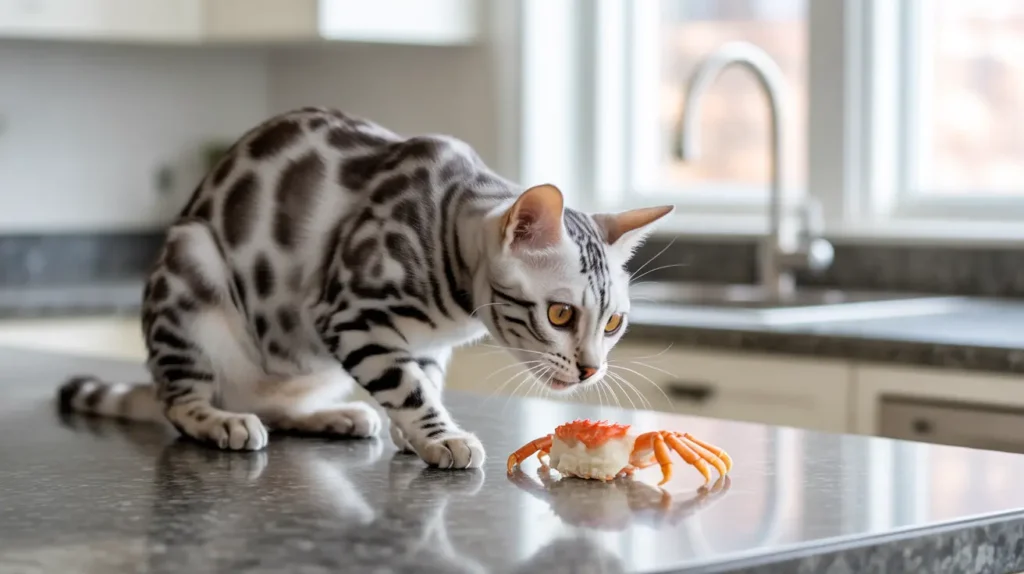
Cats are obligate carnivores, which means their bodies are designed to digest and thrive on meat. Plain, cooked crab meat can be an occasional treat, but there are several caveats. I remember a client last summer who wanted to share a small piece of crab with her Siamese. I examined the crab and confirmed it was cooked and shell-free. The cat enjoyed the tiny morsel, and there were no adverse effects. This experience reinforced that small portions of plain, properly prepared crab can be safe.
However, raw crab and crab seasoned with butter or sauces are a different story. In my practice, I’ve treated cats who developed vomiting and diarrhea after sneaking seasoned seafood off a dinner plate. Even small amounts of garlic, onion, or heavy spices—common in crab dishes—can be toxic to cats. One case involved a curious tabby who got into a seafood boil; she needed a day of supportive care at the clinic, including fluids, to recover from mild toxicity.
Shells and Choking Hazards
One of the most common mistakes I see is giving cats crab with the shell intact. Shell fragments can puncture or irritate the digestive tract. I recall examining a young domestic shorthair who had a sharp shell fragment stuck in her throat after trying to chew on a crab leg. Fortunately, we were able to remove it safely, but it was a scary experience for the owners. This reinforces why crab should always be fully shelled before offering any portion to a cat.
Nutritional Perspective
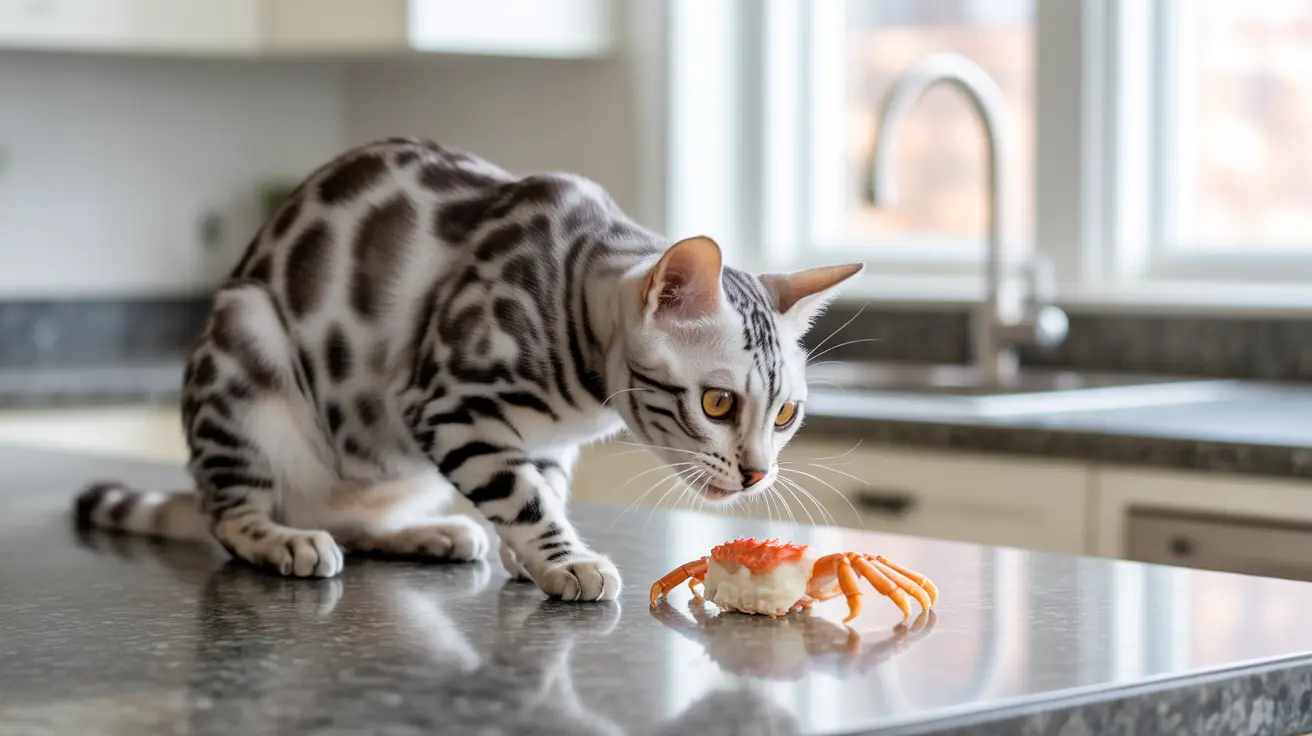
Crab meat is low in fat and high in protein, which aligns with a cat’s natural diet. In moderation, it can provide a novel flavor that some cats enjoy. During my years of practice, I’ve recommended that cat owners treat crab as an occasional supplement rather than a regular meal. One family I worked with discovered that offering tiny pieces of plain crab once every few weeks became a special treat for their older cats, giving them enrichment without compromising their health.
My Professional Recommendation
Based on my hands-on experience, plain, fully cooked crab meat in very small quantities can be safe for cats. Avoid raw crab, seasoned dishes, and shells. Never replace a cat’s balanced diet with seafood. If your cat has never tried crab before, offer only a tiny piece and observe for any digestive upset.
In my years caring for cats, I’ve learned that moderation and caution are key. Crab can be a special occasional treat, but the risk from seasoning, shells, or overfeeding makes it something that should be offered sparingly and thoughtfully. By keeping these guidelines in mind, you can safely share the occasional taste of crab with your feline friend while protecting their health.