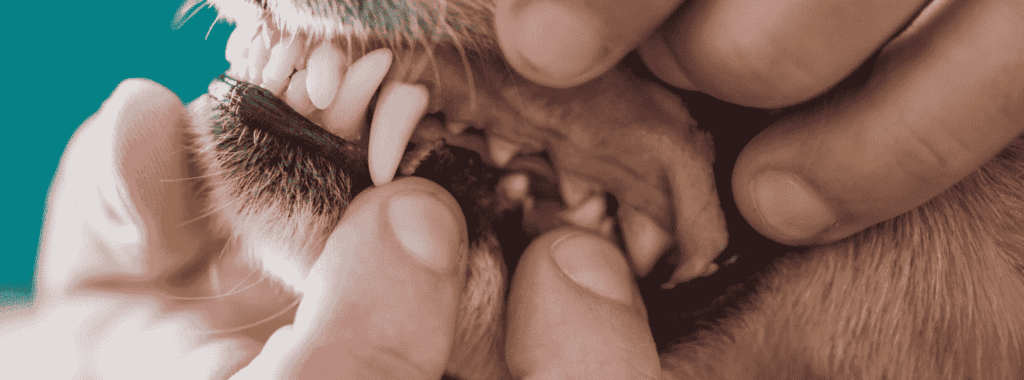
Remove Plaque from Your Dog's Teeth
Mar
How to Remove Plaque from Your Dog’s Teeth

Insights From a Veterinarian

As a licensed veterinarian practicing in Texas for over a decade, I’ve seen more dogs with dental issues than I can count. Plaque buildup might seem minor at first, but in my experience, it often snowballs into gum disease, tooth loss, and even systemic health problems if left untreated. I’ve worked with everything from tiny Chihuahuas to 90-pound Labradors, and one thing is clear: early and consistent care makes a huge difference.

I remember a case last spring with a seven-year-old Golden Retriever named Max. His owner brought him in because his breath had become noticeably foul. On examination, his teeth were coated with a thick layer of yellow plaque, especially around the molars. It wasn’t just cosmetic—his gums were inflamed, a sign that the plaque had already begun turning into tartar. Max ended up needing a professional cleaning under anesthesia, and afterward, we started a daily home routine that dramatically reduced future buildup.

Professional Cleaning: The First Step

Whenever I see heavy plaque accumulation, I recommend starting with a professional cleaning. At the clinic, we use ultrasonic scalers to safely remove hardened tartar, something that can’t be done with a toothbrush alone. One thing I’ve noticed is that owners often try to “brush off” thick deposits at home, which can injure the gums and make dogs resistant to future brushing. Professional cleaning resets the baseline, enabling home care to be effective.

For example, a customer with a senior Beagle named Daisy attempted to scrape her dog’s teeth with a metal tool at home. Within a week, Daisy developed bleeding gums and refused to let anyone near her mouth. After we cleaned her teeth professionally and guided the owner on proper techniques, the situation improved significantly.

Daily Brushing and Tools That Work

Once the teeth are clean, daily brushing is the single most effective way to prevent plaque from returning. I usually recommend a soft-bristled dog toothbrush paired with enzymatic dog toothpaste. Human toothpaste, even the “safe” ones, can be toxic if swallowed.

For puppies or dogs that resist brushing, I’ve had success introducing it gradually. Start with a finger brush or even just letting them taste the toothpaste. I had a Labrador named Cooper who initially panicked at the sight of a brush. By allowing him to lick the paste off my finger first, he gradually accepted a proper toothbrush within two weeks.

Dental wipes can also help if brushing isn’t an option, though they aren’t as effective as brushing. Chew toys designed to reduce plaque are another tool I often recommend, particularly for dogs who enjoy gnawing. A customer’s Border Collie, Ruby, consistently used dental chews twice a week, which noticeably slowed plaque buildup, especially on the back molars.
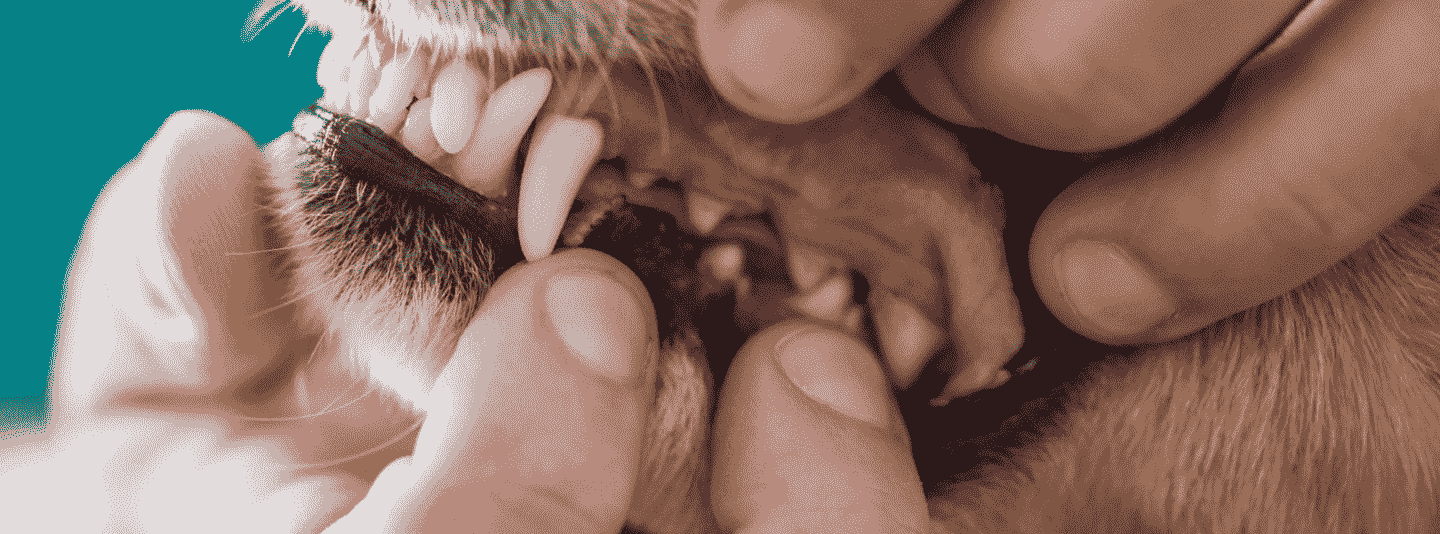
Remove Plaque from Your Dog's Teeth

Diet and Additives

Diet plays a supporting role in oral health. Dry kibble tends to help scrape teeth slightly more than soft food, but it’s not enough on its own. I’ve recommended water additives with anti-plaque properties for dogs with persistent buildup. One dog in my care, a senior Dachshund, showed remarkable improvement in gum health after the owner added a veterinarian-approved rinse to her water twice daily.

Recognizing the Warning Signs

I always advise owners to watch for early signs of plaque and dental disease: yellow or brown deposits on the teeth, bad breath, red or swollen gums, and reluctance to eat. Catching these signs early allows for simpler interventions, often just brushing and minor dietary adjustments, rather than full professional cleanings under anesthesia.

In my experience, dogs whose owners stay consistent with brushing and dental care live healthier lives overall. Plaque isn’t just a cosmetic issue—it affects the whole body. I’ve seen dogs with significant plaque reduction regain appetite, energy, and even improve underlying chronic health conditions once oral health was restored.

Dental care for dogs doesn’t have to be a battle, but it does require patience, consistency, and the right tools. From professional cleanings to daily brushing, the strategies that work are straightforward when applied correctly. Each dog is different, and learning what motivates them—whether it’s a chew toy, a treat-flavored toothpaste, or slow desensitization—is key to long-term success.
Care for Your Potcake Dog
Mar
How to Care for Your Potcake Dog: A Complete Guide

A First Encounter in the Field

The first time I treated a potcake dog, it wasn’t in a clinic—it was on a shaded porch during a volunteer trip to the Caribbean. I’m a practicing veterinarian with over a decade of experience in small animal care, and I’ve worked with everything from purebred show dogs to street rescues. But potcake dogs have a story—and a resilience—that stands apart.

What Are Potcake Dogs?

Potcake dogs aren’t a formal breed. They’re mixed-breed dogs commonly found in islands like the Bahamas and Turks and Caicos. The name “potcake” comes from the leftover, hardened food scraped from cooking pots—historically fed to these dogs by locals. Over generations, these dogs developed into a distinct type: lean, intelligent, and incredibly adaptable.

Physical Traits and Appearance

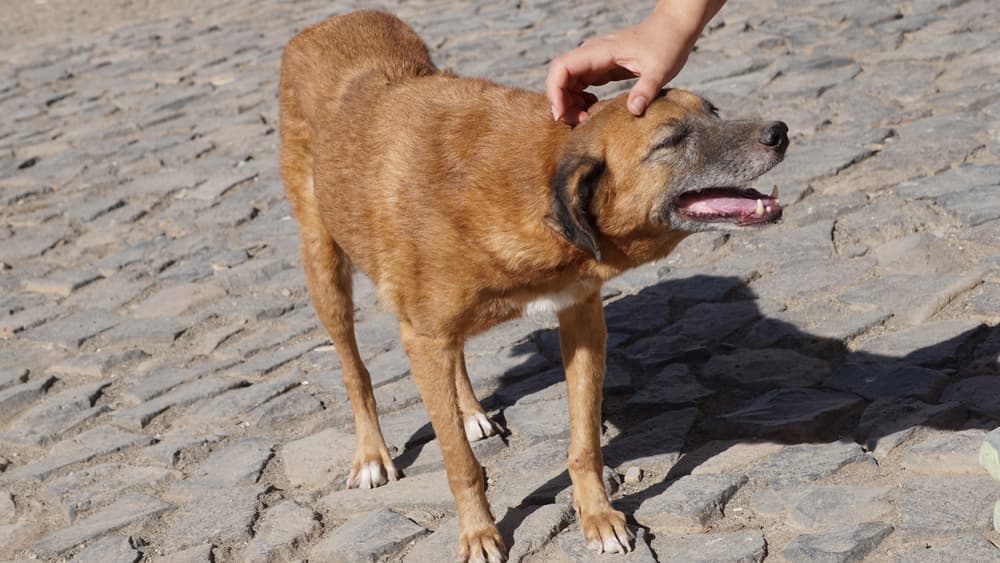
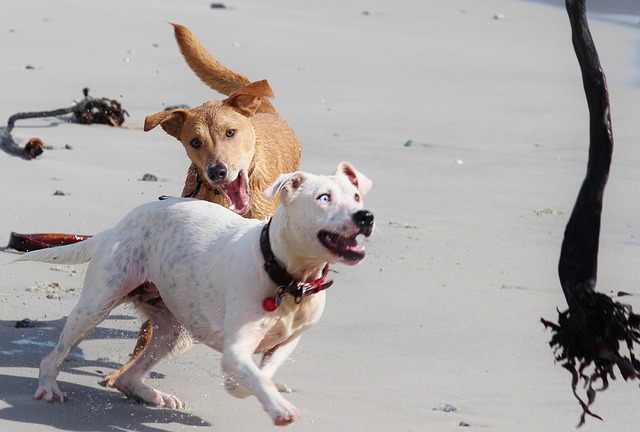
Physically, most potcakes share some common traits. They tend to have short coats, long legs, and a narrow, athletic build. Their ears may be upright or floppy, and their coloring varies widely—tan, black, white, brindle, or a mix of everything. But what stands out isn’t their appearance. It’s their awareness. These dogs are observant in a way that tells you they’ve had to figure things out on their own.

Behavior and Temperament: A Matter of Trust

I remember one case where a young potcake mix had been adopted and brought into my clinic for behavioral concerns. The owners described her as “too independent” and “not affectionate enough.” After spending just twenty minutes with her, I realized the issue wasn’t temperament—it was trust. She wasn’t aggressive or fearful; she was simply cautious. Once I showed the owners how to build trust through consistency instead of force, the dog began to soften within weeks.

Independence and Training Style

That independence is one of the defining characteristics of potcake dogs. They’re not typically clingy, and they don’t always respond well to heavy-handed training methods. In my experience, they thrive with patient, reward-based training and a predictable routine. They want to cooperate, but they need a reason to.

Care for Your Potcake Dog

Health and Natural Resilience

Health-wise, potcake dogs are generally robust. Because they evolved through natural selection rather than selective breeding, they’re often less prone to genetic disorders seen in some purebreds. However, the early stages of their lives can be rough. Many are born in environments where parasites, malnutrition, and untreated injuries are common.

Recovery and Adaptability: A Real Case

A few years ago, I treated a potcake puppy imported by a rescue organization. She arrived underweight, with a heavy parasite load and a skin infection that had clearly gone untreated for some time. What struck me wasn’t her condition—it was her recovery. Within a couple of months of proper nutrition and basic veterinary care, she transformed into a strong, energetic dog. That kind of turnaround isn’t unusual with potcakes.

Common Mistakes New Owners Make

That said, new owners often make one critical mistake: they assume these dogs will behave like typical house-raised puppies. Many potcakes spend their early weeks or months surviving on their own or in loosely structured environments. That affects how they approach food, territory, and social interactions.

Food Guarding and Learned Behavior

I’ve seen cases where potcakes develop food guarding behaviors—not out of aggression, but out of learned survival instincts. One owner I worked with had trouble because their dog would growl if approached during meals. Instead of correcting the dog harshly, I advised them to build positive associations by occasionally adding high-value treats to the bowl while the dog was eating. Over time, the guarding behavior faded.

Socialization and Bonding

Socialization is another area where patience matters. Potcakes can be friendly and loyal, but they may take longer to warm up to strangers or new environments. For families expecting an instantly outgoing pet, this can feel frustrating. But for those willing to invest time, the bond that develops is often stronger than average.

Are Potcake Dogs Right for You?

Would I recommend a potcake dog? In many cases, yes—but not blindly. They’re best suited for owners who appreciate a dog with a bit of independence and who are willing to work through early adjustment challenges. They’re not always the easiest choice for first-time dog owners expecting a predictable, eager-to-please personality.

A Remarkably Intuitive Companion

What you get in return, though, is a dog that’s remarkably intuitive. I’ve had clients tell me their potcake seems to “read the room” better than any dog they’ve owned. From what I’ve seen, that’s not an exaggeration.

Conclusion

These dogs didn’t come from controlled breeding programs or carefully planned lineages. They came from survival, adaptation, and quiet resilience. And in a clinical setting, that often shows up as strength—not just physical, but behavioral.

If you meet one, you’ll likely notice it right away.

Which Dogs Have the Strongest Bite Force
Mar
Which Dogs Have the Strongest Bite Force?

A Veterinarian’s Real-World Perspective

After more than a decade treating small animals, I know few topics stir as much curiosity—and sometimes anxiety—as which dogs have the strongest bite force.

The truth is more nuanced. Bite force is real, measurable, and varies significantly between breeds—but it doesn’t tell the whole story about a dog’s behavior or risk level. Still, understanding which dogs have the strongest bite force can help you make better decisions, especially if you’re choosing a breed or working around large dogs.

What Bite Force Actually Means in Practice

Bite force is typically measured in PSI (pounds per square inch). In clinical settings, we don’t measure it directly—it’s more of a research-based figure—but I’ve seen enough jaw injuries, fractured teeth, and trauma cases to understand what these numbers mean in real life.

A higher PSI generally means:

  • Greater ability to crush bone
  • More severe tissue damage if a bite occurs
  • Stronger jaw muscles and skull structure

But here’s what I always tell my clients: a strong bite doesn’t mean a dog is more likely to bite. Temperament, training, and environment matter far more.

The Breeds That Consistently Top the List

From both research and what I’ve seen firsthand, a few breeds consistently stand out for their bite strength.

Kangal

The Kangal is often cited as having the strongest bite force—some estimates go over 700 PSI. I’ve examined one: calm, steady, and clearly built for serious protection.

Cane Corso

I see these more often. Their bite force is usually estimated at around 650–700 PSI. A client brought in a Cane Corso last winter after it cracked a thick marrow bone—something most dogs struggle with. What struck me wasn’t just the strength, but the efficiency. These dogs don’t gnaw—they crush.

Rottweiler

Rottweilers have a bite force of 300–330 PSI. Injuries I’ve treated tend to be severe due to their gripping tendency.

German Shepherd

Often used in police and military work, German Shepherds have a bite force of 230–290 PSI. I once worked with a handler who brought in his service dog for routine care. He explained how the dog was trained to bite on command—and more importantly, to release instantly. That level of control is what makes the difference.

American Pit Bull Terrier

Pit Bulls actually have a lower bite force—around 235 PSI—but their determination and jaw stamina can make bites more damaging than the PSI suggests.

Which Dogs Have the Strongest Bite Force

What People Often Get Wrong

One of the biggest mistakes I see is assuming that a higher bite force equals a more aggressive dog. That’s simply not true.

A few years ago, I treated two dogs in the same week: a large guardian breed and a small mixed terrier. The guardian dog had one of the strongest bite forces of any breed—but it was calm, socialized, and gentle even during treatment. The terrier, on the other hand, had to be carefully restrained just to examine its ears.

Aggression is behavioral. Bite force is physical. They’re not the same thing.

Another mistake is underestimating medium-sized breeds. While they may not top the PSI charts, they can still cause serious injury if poorly trained or stressed.

My Professional Take on Choosing a Strong-Jawed Breed

If you’re considering a dog known for a strong bite, I don’t discourage it—but I do advise caution and preparation.

In my experience, these dogs do best with:

  • Early and consistent training
  • Clear boundaries from day one
  • Owners who understand canine behavior, not just breed reputation.

I’ve seen owners get into trouble when they choose a powerful breed for status rather than suitability. One case that stuck with me involved a young owner who adopted a large guardian dog without prior experience. The dog wasn’t aggressive—but it was untrained, and its strength alone made it difficult to manage. That situation could have gone wrong easily.

Final Thoughts from the Exam Room

Strong bite force is part of a dog’s biology, especially in certain breeds. In practice, I rarely focus on PSI—instead, I assess body language, training, and stress response.

The calmest, most controlled dogs often have the strongest jaws. Unpredictable behavior can come from dogs not seen as ‘dangerous.’

In my experience, a well-trained, strong-jawed dog is far safer than an untrained, weaker one.

Maine Coon
Mar
How to Understand Maine Coon Cat Size with Expert Tips

The Gentle Giants of the Cat World

As a licensed veterinarian practicing in Texas, I’ve had the chance to care for a variety of cat breeds, but few leave the impression that Maine Coons do. Their size alone is remarkable. I remember meeting Thor, a four-year-old Maine Coon, who instantly filled the examination room with his presence. At first glance, he could easily be mistaken for a small dog rather than a typical house cat. Their stature is not just about length but also about bone structure and muscular build, which contributes to their reputation as gentle giants.

Maine Coons are one of the largest domestic cat breeds. Adult males often weigh between 13 and 18 pounds, sometimes more, while females are slightly smaller, usually between 8 and 12 pounds. But numbers alone don’t tell the whole story. I’ve seen men in my practice who tip the scales at over 20 pounds while still maintaining a healthy, athletic frame. Length is another standout feature—Maine Coons can stretch up to 40 inches from the tip of their nose to the end of their tail.

Growth Patterns and Maturity

One thing I’ve observed repeatedly is that Maine Coons take longer to reach their full size compared to other breeds. Unlike most domestic cats, which are considered adults around 12 months, Maine Coons often continue growing until they are 3 or even 4 years old. I treated a young male named Simba whose owner was worried about his size at 18 months; he still had room to grow. By the time Simba turned three, he had nearly doubled the weight he carried as a yearling.

This slower growth rate can be advantageous for monitoring health. I advise owners to track their Maine Coon’s weight and body condition carefully during these years. Rapid growth spurts, especially in males, can sometimes put strain on their hips and joints. Ensuring proper nutrition with high-quality protein and controlled calories is essential to support healthy bone and muscle development without excessive fat gain.

Maine Coon

Physical Characteristics That Add to Size

When I first encountered Luna, a female Maine Coon, in my clinic, I was struck by her large, tufted ears, bushy tail, and broad chest. These features aren’t just for show—they contribute to their overall mass and give the impression of an even larger cat. Their paws are substantial, with tufts of fur between the toes, which help them navigate snowy or rough terrain, reflecting the breed’s origins in the Northeastern United States.

Owners often assume that their Maine Coon’s size is unusual or even unhealthy. I’ve reassured many clients over the years that a large frame is normal for this breed. While obesity can be a concern in any cat, a Maine Coon’s weight needs to be considered relative to its length, bone structure, and muscle mass.

Personality Matches Their Size

What fascinates me most is that their size doesn’t come with an intimidating personality. In fact, I’ve found that Maine Coons are affectionate, sociable, and playful despite their large frames. A customer last spring brought in her male Maine Coon, Thor, for a routine check-up, and he spent most of the visit rubbing against my legs and gently pawing at me. His size commanded attention, but his gentle behavior reminded me why they’re often called the “dog-like cat.”

Considerations for Prospective Owners

From a veterinary perspective, potential owners should be prepared for a Maine Coon’s size. Large litter boxes, spacious feeding areas, and sturdy furniture help accommodate their stature. Regular health checks are vital, as their joints and heart are areas that benefit from ongoing monitoring due to their size. I often emphasize this during consultations because an owner’s awareness can make a significant difference in ensuring a Maine Coon lives a long, healthy life.

In my experience, understanding their growth, maintaining proper nutrition, and providing suitable living arrangements allows owners to fully appreciate the majesty of these gentle giants. Their impressive size is part of their charm, but when paired with attentive care, they remain happy, healthy, and affectionate family members.

Cat Has Eyelashes
Mar
How to Check if Your Cat Has Eyelashes

Understanding Feline Eyelashes

As a licensed veterinarian practicing in Texas, I often get asked curious questions about cat anatomy, and one that comes up surprisingly often is whether cats have eyelashes. The short answer is yes—cats do have eyelashes, though they’re different from human eyelashes in both structure and function. In my experience, many cat owners overlook them because they’re fine, short, and blend into the fur around the eyes, but they play an important role in protecting the eyes from dust, debris, and even insects.

I first noticed this when examining a cat named Luna, who had a small eyelid irritation. While checking her eyes, I realized how delicate and effective her sparse eyelashes were at catching particles before they could irritate the eye. This tiny feature often goes unnoticed until a problem arises, highlighting how even small anatomical details are vital for feline health.

The Function of Cat Eyelashes

Cat eyelashes, technically called cilia, serve as sensory and protective structures. Unlike human eyelashes, which are primarily a barrier to keep particles out, feline cilia are extremely sensitive. They can detect when something is about to touch the eye, triggering a reflexive blink. I’ve seen this in practice with several cats brought in after minor encounters with grass or dust. Even a small eyelash can sense movement and protect the cornea from potential scratches or irritants.

I recall a customer last spring whose outdoor cat, Oliver, had a near-eye scratch from a stray blade of grass. The cat blinked just in time, thanks in part to the protective reflexes facilitated by his delicate eyelashes. Situations like this demonstrate how eyelashes, though subtle, are critical to a cat’s eye health.

Cat Has Eyelashes

Common Misconceptions

Many cat owners assume that cats don’t have eyelashes because they’re not as prominent as human lashes. I’ve had multiple clients concerned that their cats’ eyelashes were missing, when in reality the lashes are simply very fine and may not be immediately visible. Cats also have a third eyelid, called the nictitating membrane, which provides an additional layer of protection. Sometimes, owners mistake this membrane for an eyelash deficiency.

Another misconception is that eyelashes don’t matter. I’ve treated cats with eye infections where dirt and debris accumulated because their natural defenses, including the eyelashes, were compromised by excessive rubbing or trauma. These experiences have reinforced for me how small anatomical features like eyelashes play a big role in preventing more serious problems.

Care for Your Cat’s Eyes

While cat eyelashes don’t require grooming like human lashes, they are affected indirectly by overall eye care. Regularly checking for discharge, redness, or swelling ensures that the lashes and eyelids can perform their protective role effectively. In one case, a customer’s indoor-outdoor cat developed mild conjunctivitis after playing in a dusty area. Examining the eyes closely, I noticed that the fine lashes were coated with debris, which contributed to irritation. A gentle eye cleaning routine, along with treatment, resolved the issue.

It’s also worth noting that certain conditions, such as eyelash misalignment or ingrown lashes, can occur. These are rare, but when they happen, intervention is necessary to prevent discomfort or eye damage.

My Professional Take

Yes, cats have eyelashes, and they are more than just cosmetic features. They serve as protective sensors and help maintain eye health. In my practice, I’ve seen firsthand how these tiny structures make a difference—preventing irritation, catching debris, and even triggering reflexive blinks to avoid injury.

While subtle, they are a critical part of feline anatomy that deserves attention, especially when your cat shows signs of eye discomfort. Observing and gently caring for your cat’s eyes ensures these small but vital features continue to do their job effectively.