How to Keep Cats Safe from Alstroemeria Plants
As a licensed veterinarian practicing in Texas for over a decade, I’ve seen my fair share of curious cats getting into trouble with plants around the house. Among the many beautiful flowers that clients bring into their homes, alstroemeria often catches their eye with its vibrant colors and delicate petals. But one question I hear repeatedly is whether these flowers pose a risk to cats.
Understanding Alstroemeria
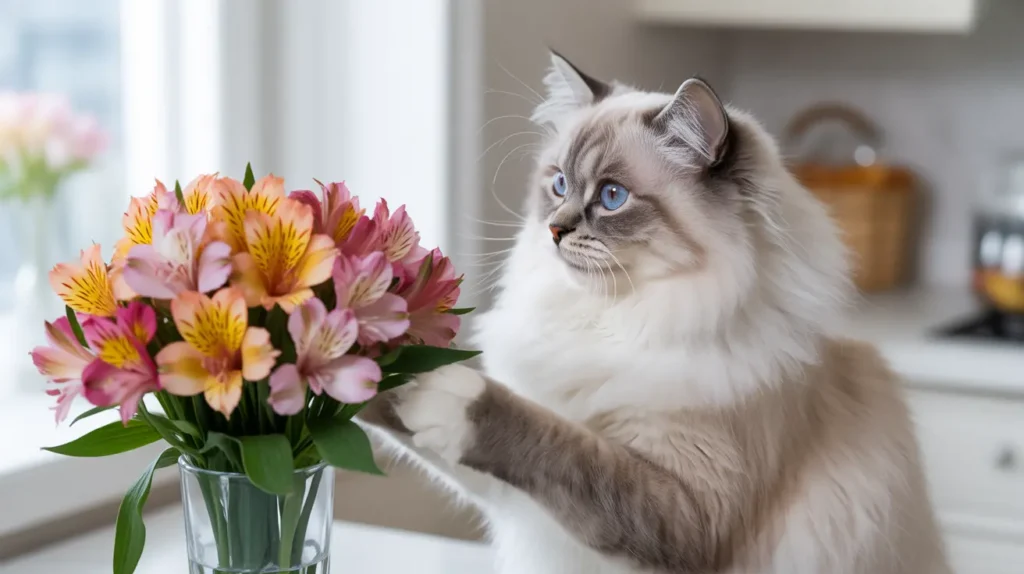
Alstroemeria, commonly called Peruvian lilies, are popular in bouquets and garden beds due to their long vase life and cheerful appearance. From my experience, the trouble isn’t just aesthetic. Cats, especially younger ones, have a tendency to chew on anything that catches their interest — leaves, petals, even the soil around potted plants. I’ve seen multiple cases where a cat’s curiosity led them to nibble on alstroemeria, prompting concerned owners to rush in for guidance.
The truth is that alstroemeria are mildly toxic to cats. In veterinary terms, this means that while ingestion is unlikely to be fatal, it can cause unpleasant and sometimes serious symptoms. The plant contains compounds called saponins, which irritate the gastrointestinal tract. In my practice, I’ve often observed cats exhibiting drooling, vomiting, or diarrhea after nibbling on these flowers.
One client last spring brought in her young Siamese, who had chewed on a bouquet she’d placed on the coffee table. Within a few hours, the cat was lethargic and drooling excessively — classic signs of mild plant toxicity. Fortunately, with supportive care including fluids and monitoring, the cat recovered fully in a day.
Common Mistakes Cat Owners Make
A recurring issue I notice is owners assuming that all “store-bought flowers” are safe for pets. People often think that a simple rinse of the petals or removing the stems will make a bouquet harmless, but the toxins can still be present in leaves, stems, and even pollen. In another situation, a client placed an alstroemeria in a vase on the floor, thinking her older cat wouldn’t bother it. Within minutes, the cat had nibbled several leaves, resulting in vomiting and mild diarrhea. The lesson here is that placement alone doesn’t eliminate risk — cats are surprisingly determined when it comes to exploring new objects.
I’ve also encountered cases where owners delayed veterinary attention because they assumed “it’s just a little nibble.” Early intervention is always better, even for mild symptoms, because cats can become dehydrated quickly if vomiting or diarrhea persists. In one instance, a Maine Coon chewed on garden-grown alstroemeria leaves, and by the time the owner brought her in, she was mildly dehydrated. Prompt fluid therapy and observation prevented any long-term complications.
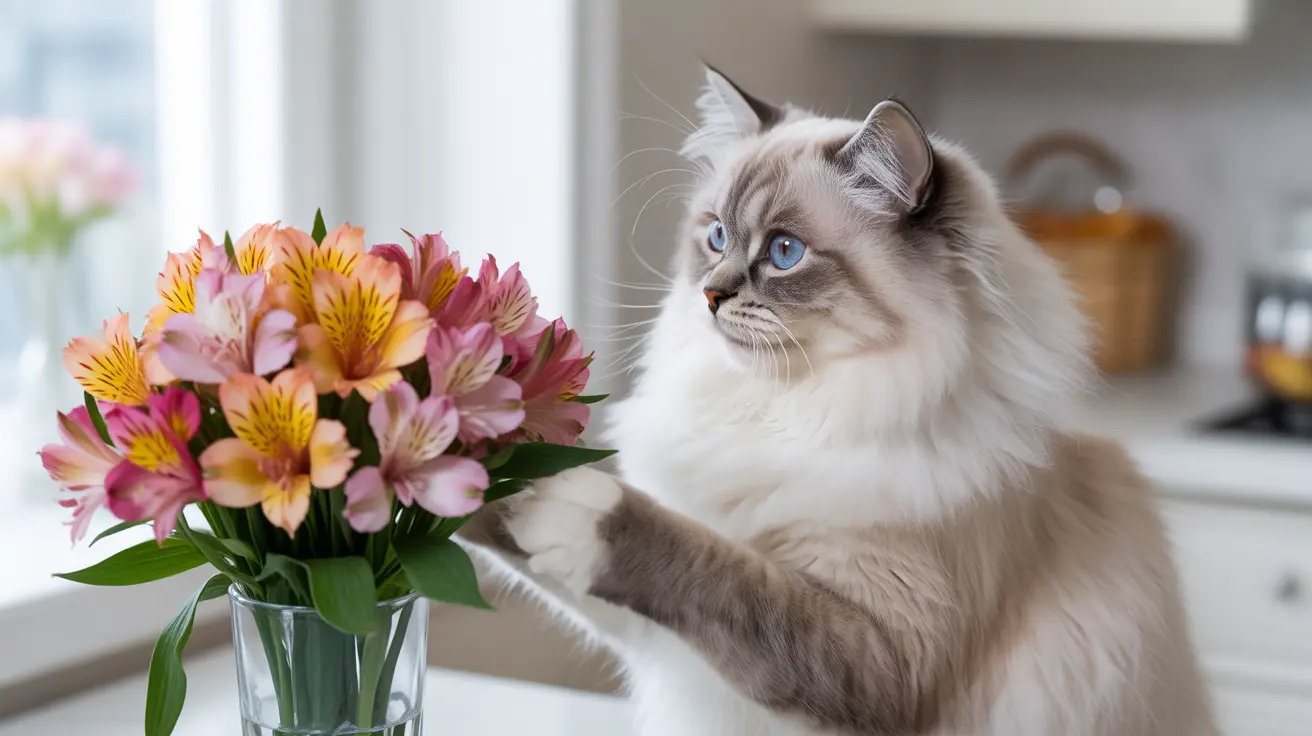
How to Keep Cats Safe Around Alstroemeria
Based on years of hands-on experience, I recommend a cautious approach. If you enjoy having alstroemeria in your home, consider these strategies:
- High or enclosed placement: Keep flowers on shelves or in rooms your cat cannot access. Even a determined cat is less likely to jump onto a high counter if there’s no easy route.
- Alternative distractions: Providing safe cat grass, interactive toys, or other chew-friendly plants can redirect a cat’s attention from toxic flowers. I often suggest this to clients who are unwilling to give up floral arrangements altogether.
- Immediate response: If your cat does ingest alstroemeria, don’t wait for symptoms to appear. Contact your veterinarian promptly. In my experience, even a brief phone consultation can prevent complications by guiding owners on whether to induce vomiting, administer activated charcoal, or simply monitor at home.
When to Seek Veterinary Care
Mild cases might only result in drooling or minor vomiting, but there are warning signs to watch for. Loss of appetite, repeated vomiting, severe diarrhea, lethargy, or signs of dehydration warrant a veterinary visit. I recall a customer last summer whose cat had eaten multiple petals from a large bouquet; the cat was initially playful but later became unusually quiet and refused food. Early treatment with IV fluids and supportive care resolved the issue without complications.
My Professional Recommendation
From my perspective as a veterinarian, while alstroemeria are not among the most dangerous plants, they are best treated with caution. For households with cats, I often advise choosing safer flowers such as roses, orchids, or sunflowers. If you do keep alstroemeria, vigilance is key — keep them out of reach and monitor your cat’s curiosity to prevent an unpleasant trip to the clinic. In my experience, a proactive approach not only keeps cats safe but also allows owners to enjoy their floral displays without worry.
Cats are naturally curious, and even a single nibble can cause discomfort or stress. Handling alstroemeria responsibly ensures both your cat’s well-being and the longevity of your blooms.