The Truth About Cats and Cashews: What You Need to Know
As a licensed veterinarian practicing in Texas, I’ve seen cats explore some unusual foods when their humans aren’t paying attention. One snack that often comes up is cashews. People are naturally curious: can a cat safely nibble on a few of these crunchy nuts? From my experience, the answer isn’t as straightforward as a simple yes or no.
Understanding Cats’ Dietary Needs
Cats are obligate carnivores, which means their bodies are designed to thrive on animal protein. Unlike dogs or humans, they don’t have the digestive system to efficiently process many plant-based foods. Cashews, while generally safe for humans and some other animals in moderation, are high in fat and contain compounds that can stress a cat’s digestive system.
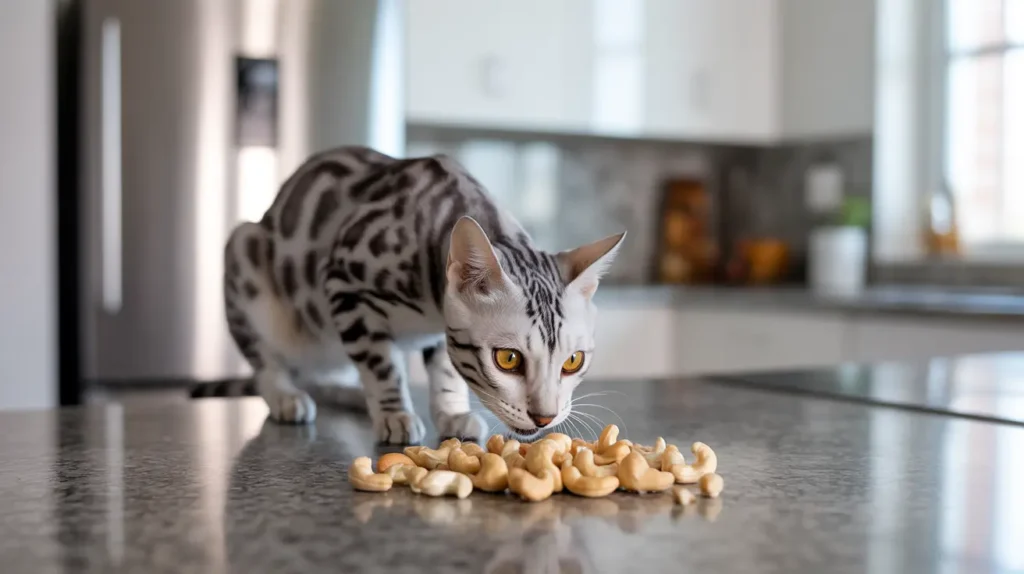
I remember a client last spring whose cat managed to get into a bowl of cashews left on the coffee table. Within a few hours, the cat showed signs of vomiting and mild lethargy. This isn’t uncommon, and while most cats recover without serious issues, the incident reinforced that cashews are not an ideal snack for them.
The Risks of Cashews for Cats
Cashews are high in fat, and feeding them to cats can cause gastrointestinal upset. In some cases, cats may experience diarrhea, vomiting, or even pancreatitis if they consume too many nuts at once. While cashews are not toxic like macadamia nuts or chocolate, their fat content is still problematic for feline metabolism.
In my 10 years of practice, I’ve encountered a few cases in which cats developed mild digestive distress after nibbling on cashews or peanut butter containing cashews. One elderly cat, already prone to digestive issues, became dehydrated after eating several nuts. The owner had thought a tiny handful wouldn’t hurt, but for cats with sensitive systems, even small amounts can trigger trouble.
When Cashews Might Be Safe
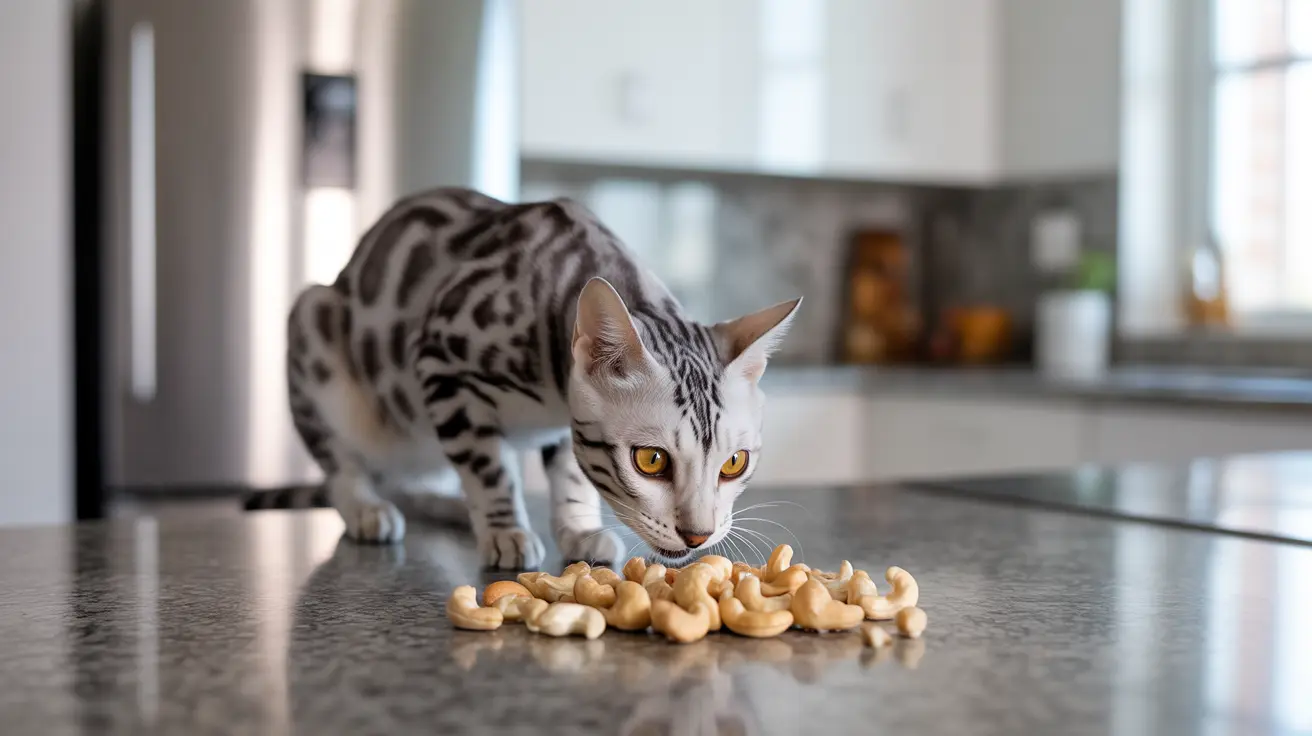
In very limited situations, a single cashew offered as an occasional treat is unlikely to cause serious harm. If a cat is healthy, small, and has no history of pancreatitis or digestive issues, one nut won’t usually require a vet visit. However, it’s crucial that it’s unsalted, unflavored, and served plain.
I’ve had a few clients who wanted to give their cats a taste of nuts during family gatherings. I advised them to place one plain cashew on a plate and observe the cat for any reaction over the next 24 hours. Most cats lose interest after sniffing the nut, which shows that their instincts often steer them away from foods that don’t suit them.
Signs Your Cat Has Had Too Many Cashews
Even though one or two cashews are unlikely to be life-threatening, it’s important to recognize early signs of discomfort. Watch for:
- Vomiting or repeated gagging
- Diarrhea or loose stools
- Lethargy or unusual sleepiness
- Loss of appetite
I recall a situation where a young cat got into a container of mixed nuts. By the time the owner noticed, the cat had eaten several cashews. The cat was lethargic and vomited multiple times. Quick veterinary care and supportive treatment helped, but the owner learned that even seemingly harmless snacks could quickly become a health concern.
Alternatives to Cashews for Treating Cats
If you’re looking to treat your cat, stick to options designed for felines. Freeze-dried chicken, small pieces of cooked fish, or commercially prepared cat treats are far safer and more satisfying to your cat. I’ve often suggested these alternatives to clients who want to share a snack with their pets. In almost every case, cats respond eagerly, and there’s no risk of digestive upset.
Occasionally, I’ll see cats intrigued by foods like nuts or cheese, but encouraging these habits can make future emergencies more likely. In my experience, it’s better to offer a treat your cat can safely digest rather than experimenting with human snacks.
Final Thoughts
While cashews aren’t inherently toxic to cats, they don’t provide any nutritional benefit and can cause digestive problems, especially in sensitive or older cats. In my practice, I advise owners to avoid feeding them to cats. Observing safe dietary boundaries ensures your cat remains healthy, energetic, and avoids unnecessary vet visits.
Treat your feline companions with foods suited to their unique needs, and let curiosity about human snacks remain just that—curiosity. Your cat’s health and comfort are always worth prioritizing over sharing a crunchy treat.