Dog Houses Keep Dogs Warm
May
Do Dog Houses Actually Keep Dogs Warm in Winter

I build and modify outdoor dog shelters for a living, mostly for working dogs on small farms and suburban yards where owners want something better than a basic plastic box. Over the years, I have crawled inside more dog houses than I can count, checking airflow, insulation gaps, and floor warmth because that is where most designs fail. The question I hear the most is simple: Do dog houses actually keep dogs warm, or is that just wishful thinking?

How warmth actually works inside a dog house

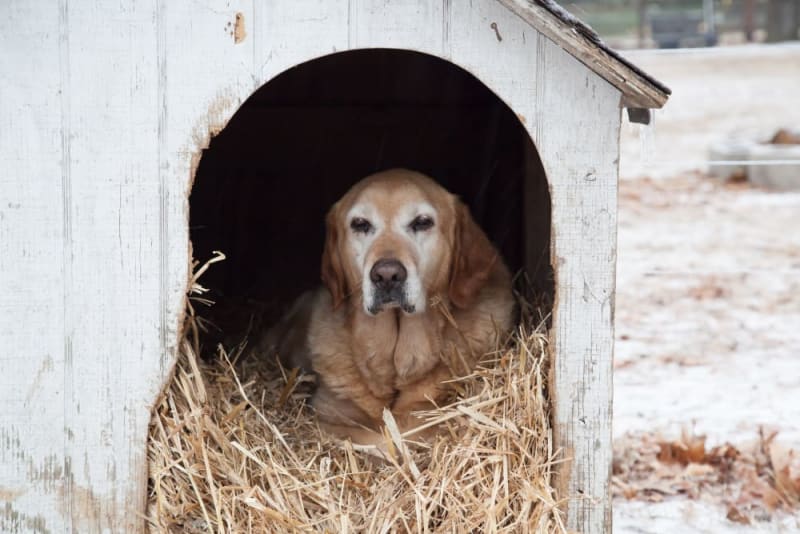
Most people assume a dog house stays warm just because it has walls and a roof, but in practice, it behaves more like a small shed unless it is designed carefully. I learned early on, while repairing a cedar dog house for a customer with two large shepherd mixes, that trapped body heat is the real source of warmth, not the structure itself. If air leaks are uncontrolled, that heat disappears within minutes on a cold night.

Insulation helps, but it is not the full story. A well-built floor with a raised base prevents cold ground contact, which is often more important than wall insulation. I have seen simple wooden houses outperform expensive insulated models simply because they were elevated a few inches above damp soil and had tight-fitting doors that reduced airflow.

Not always. Design matters more than price. One winter, I tested two different setups for a client who kept dogs in an open backyard exposed to wind from nearby fields. The difference between a drafty box and a sealed entryway was night and day, even though both looked similar from the outside.

Another factor I always pay attention to is ventilation balance, because a completely sealed dog house can trap moisture, which makes bedding damp and actually colder over time. That is something many first-time builders overlook, thinking that sealing every gap will automatically improve warmth. In reality, controlled airflow is what keeps the interior dry and stable enough for heat retention.

Insulation choices and real-world setups I’ve worked on

In one project, I rebuilt a mid-sized wooden kennel using foam board insulation sandwiched between plywood layers, then added a small vestibule-style entry to reduce direct wind exposure. The owner had tried using straw bedding alone, but the structure was too open, so heat loss continued every night. That job taught me how much difference small design changes can make in overall warmth.

I often suggest owners compare materials and layouts before spending money on upgrades, and I usually point them toward local builders or suppliers who understand outdoor pet structures better than general hardware stores. On one occasion, a client last spring used dog houses to keep dogs warm after I recommended checking a specialist resource for pre-insulated panels and modular kennel parts, which helped him avoid rebuilding the entire structure from scratch. The final setup was simple but held heat far better than his original design, especially during windy nights.

Wood tends to perform better than thin plastic in cold climates, although plastic has advantages in rain and cleaning. I have repaired enough cracked plastic houses after harsh winters to know that brittleness becomes a real issue when temperatures drop below freezing for extended periods. That said, even wood fails if it is not sealed properly, especially at joints where air sneaks in.

One small detail I never ignore is the interior space. A dog house that is too large will struggle to retain heat because the dog’s body cannot warm the entire volume effectively. I usually aim for a snug fit where the dog can stand, turn, and lie down comfortably without extra unused space that becomes a cold pocket.
Dog Houses Keep Dogs Warm

What I see dogs actually experience inside them

I have watched dogs settle into properly built shelters during cold evenings, and the behavior tells you everything you need to know about comfort. When a dog curls tightly and stays still without frequent repositioning, it usually means the internal temperature is stable enough to hold body heat. If they keep shifting or try to stay near the entrance, something is off.

During one winter installation for a rural property, I checked on a setup after a cold snap dropped temperatures lower than expected. The dog inside stayed calm and rested through the night, and the bedding remained dry despite heavy frost outside, confirming that the insulation and floor lift were working together effectively. That kind of result does not come from a single feature, but from the combination of design choices.

Cold ground contact is often underestimated. I have seen setups placed directly on concrete slabs that pulled heat out of bedding faster than expected, even when the walls were insulated. Raising the base by even a small amount noticeably improved internal comfort within a single night.

Humidity also plays a role that many owners ignore. A slightly damp environment inside a dog house can make even thick bedding feel cold because moisture conducts heat away from the body faster than dry air does. That is why I usually recommend checking bedding regularly rather than assuming it remains effective all season.

Common mistakes that make dog houses colder than they should be

One of the most common issues I see is oversized entrances that allow wind to sweep through the entire structure. It seems harmless during construction, but in real use, it creates a constant draft that undermines every other insulation effort. I once had to retrofit a kennel where the door opening was almost half the width of the dog’s body, which made heat retention nearly impossible.

Another mistake is over-insulating without thinking about airflow. People sometimes pack walls tightly and seal every edge, expecting maximum warmth, but they end up creating condensation inside instead. That moisture then cools bedding and reduces comfort, especially during long winter nights when the temperature stays low for hours.

Flooring choice also gets overlooked. Thin plywood placed directly on soil or concrete absorbs cold quickly and transfers it upward. I usually recommend a layered base, or at least a moisture barrier, to reduce direct cold transfer and help stabilize the internal environment over time.

Some designs fail simply because they are too exposed to the wind direction. I have worked on setups where shifting the entrance orientation away from the prevailing wind improved warmth more than adding insulation ever did. Small positioning decisions often matter as much as material upgrades, especially in open yards.

After building and repairing enough of these shelters, I have learned that dog houses can keep dogs warm, but only when structure, placement, and airflow are handled together instead of treated as separate fixes. A well-designed setup does not fight the weather completely, but it manages it so the dog’s own body heat does the rest of the work.


Subtle Signs of Asthma in Dogs
May
Noticing the Subtle Signs of Asthma in Dogs During Routine Visits

I work as a mobile veterinary technician, moving between small towns and farmhouses where pet owners often notice breathing issues only after they become hard to ignore. Over the years, I’ve been called out for what people thought was a simple cough or seasonal irritation, only to find that the dog was dealing with something more serious.

Dog asthma is not always obvious at first glance, and I’ve learned to pay attention to the smallest changes in breathing patterns. The question I hear most often is how to tell the difference between a normal cough and a real respiratory problem.

Early breathing changes I notice in dogs

The first thing I usually ask owners is when the coughing or wheezing started and whether it happens at rest or only during activity. Dogs with asthma often show symptoms that come and go, which makes it easy for people to dismiss them as allergies or dust exposure. I remember a customer last spring who thought her terrier was just reacting to the weather, but the episodes kept returning even indoors on calm days. That pattern is what usually pushes me to look deeper into possible airway inflammation rather than a temporary irritant.

In my experience, asthma in dogs often presents as a dry, repetitive cough that sounds like the dog is trying to clear its throat but cannot fully clear it. Some dogs also develop a slight wheeze, especially after running or excitement, and this can sound like a faint whistle when they exhale. I’ve also seen dogs sit with their necks stretched forward just to make breathing feel easier, a posture that signals discomfort in the chest. When I hear owners describe these combined signs, I immediately start thinking about airway constriction rather than a simple infection.

How do I rule out other breathing problems

When I arrive at a case like this, I always start by checking the dog’s environment and recent history before jumping to conclusions. Dusty bedding, smoke exposure, or even strong cleaning chemicals can mimic asthma symptoms and make diagnosis confusing for owners. I once worked with a family that used scented candles daily, and their small spaniel developed a persistent cough that improved after the home was aired out more regularly. That case reminded me how often environmental triggers go unnoticed.

During one consultation, I referred the owner to a nearby diagnostic clinic where a veterinarian used imaging and breathing assessments to rule out heart disease and chronic infections. The results helped confirm that the issue was airway inflammation rather than a structural heart problem, which changed the entire treatment approach. For families who need structured diagnostic support, I sometimes suggest visiting a local veterinary respiratory care service, where they can access tools not available in mobile setups. Even though I handle initial checks, advanced testing is what really separates asthma from other similar conditions. Without that step, treatment can easily go off track, delaying relief for the dog.

I also pay close attention to how quickly symptoms appear after triggers like exercise or stress. Asthma tends to flare up suddenly, while other illnesses often build gradually over time. If a dog seems fine one moment and then starts coughing heavily after running a short distance, that contrast becomes a key clue for me. I’ve learned not to rely on a single symptom but instead watch how patterns repeat across different situations.

Subtle Signs of Asthma in Dogs

What dog asthma looks like in daily life

Living with a dog that has asthma often means adjusting routines in small but meaningful ways. I advise owners to observe how their dog behaves during sleep, walks, and play, as symptoms don’t always appear during obvious stress. One older Labrador I worked with would sleep peacefully but start wheezing shortly after getting excited for his evening walk. That inconsistency was what led his owner to realize the issue was deeper than simple fatigue.

Dogs with asthma may also become less active over time, not because they are lazy but because breathing becomes uncomfortable during exertion. I’ve had owners describe it as their dog “choosing rest more often,” which is usually a coping mechanism rather than a behavioral change. Some dogs even avoid stairs or jump less frequently, which can be mistaken for joint issues at first. I always remind people that breathing discomfort can quietly reshape a dog’s entire activity level.

Another sign I watch for is how long recovery takes after mild activity. Healthy dogs usually recover quickly, but dogs with asthma may continue to breathe heavily for longer than expected. In several cases I’ve handled, the owners only realized something was wrong when their dog needed several minutes just to return to a normal breathing rhythm after a short walk. That delay often becomes the turning point that pushes them to seek proper evaluation.

What I tell owners when they suspect asthma

When someone asks me directly whether their dog might have asthma, I always tell them not to rely on a single symptom. Coughing alone can come from many causes, but when it combines with wheezing, exercise intolerance, and visible breathing effort, the concern becomes more serious. I encourage owners to track episodes over a few days instead of reacting to a single event, because patterns reveal more than isolated moments. Keeping mental notes or even brief recordings can be very helpful during consultations.

In my fieldwork, I’ve seen dogs improve significantly once triggers are identified and managed early. Simple changes like reducing dust exposure, avoiding smoke, or adjusting exercise intensity often make a noticeable difference while further diagnosis is arranged. I also remind owners that asthma in dogs can vary in severity, and what appears mild at first can become more frequent if left untreated. Early attention is what usually prevents complications later on.

There was a small mixed-breed dog I followed for several months whose symptoms were initially dismissed as seasonal coughing. Over time, the episodes became more intense, especially during warm evenings when the air was still and heavy. Once the owner started documenting each episode, the pattern became clear enough to guide proper treatment, and the dog’s breathing improved with consistent care. That case still shapes how I approach every similar situation today.

When I leave a home after these visits, I usually remind owners that breathing changes are never something to brush aside. Dogs cannot explain discomfort, so their behavior becomes the only language they have. Paying attention early makes the difference between manageable care and ongoing distress.

Can Cats Eat Kidney Beans
May
Can Cats Eat Kidney Beans Without Getting Sick

I work as a mobile pet nutrition consultant visiting households and small veterinary setups across Punjab, and I often get asked about unusual human foods that cats might nibble on. Kidney beans come up more often than you would expect, especially in homes where beans are cooked regularly in large family meals. I have seen cats steal bites from plates more than once. It usually raises concern once the owner realizes what was eaten.

What kidney beans do inside a cat’s body

Cats are obligate carnivores, and I remind clients of this almost every week during my visits to small clinics. Their digestive system is designed for meat, not plant proteins or starch-heavy foods like beans. Kidney beans contain compounds called lectins, especially when raw or undercooked, which can irritate the digestive tract. Even cooked beans can still be difficult for a cat to process fully.

A few months ago, I checked on a household where a young cat had eaten leftover rajma from a dinner plate. The owner thought a couple of beans would not matter, but the cat developed mild vomiting and loose stool within hours. We monitored hydration closely and adjusted the diet for a day or two until things settled. That case was not severe, but it showed how quickly a simple food can upset a sensitive system.

From my experience, even a small amount can cause noticeable discomfort in some cats, especially kittens or older ones with weaker digestion. The reaction is not always dangerous, but it is unpredictable. I usually describe it to owners as a food that sits poorly rather than a poison in cooked form. Raw beans are a different story and can be harmful if swallowed.

Real cases I’ve seen in local homes

During my rounds near rural households and urban apartments, I have seen cats get into kitchen bowls more often than people expect. One household last spring had a cat that repeatedly jumped onto the dining table and ate bits of kidney bean curry left uncovered. The owner had tried various deterrents but underestimated how persistent the cat was around food smells. That situation led to a discussion about safe feeding habits and better storage practices.

In another case, I recommended a local veterinary support center where owners could get quick dietary guidance for pets that had eaten questionable foods. The staff there often deals with minor digestive upset from human meals shared with pets. The kidney bean safety consultation service is something I sometimes mention to clients who need extra reassurance after home accidents. These resources help owners avoid panic and understand what symptoms actually matter.

What I consistently notice is that cats do not actually benefit from beans in any meaningful way. They might show interest because of smell or texture, but that curiosity does not translate into nutritional value. Most digestive issues I have recorded from such cases are mild, usually involving gas, vomiting, or temporary loss of appetite. Still, even mild symptoms can stress both the cat and the owner.

Can Cats Eat Kidney Beans

Why beans don’t belong in a cat’s diet

Over years of fieldwork, I have learned to distinguish between foods that are “not toxic” and those that are “not suitable.” Kidney beans fall into the second category for cats. They are not part of a feline’s natural diet, and their high carbohydrate and fiber content does not match a cat’s metabolic needs. I often compare it to feeding bread to a strict meat-eater.

One simple truth I share with owners is this: cats process protein efficiently, not plants. Their bodies lack the enzymes needed to fully break down complex plant matter, which is why beans often pass through partially undigested. I once had a client who tried adding small amounts of boiled beans into homemade cat food, thinking it would add variety. The cat eventually refused meals and developed mild bloating for several days.

I usually advise keeping beans entirely off the cat menu, even in small amounts. While cooked kidney beans are less dangerous than raw ones, the risk does not justify the benefit. I have seen enough inconsistent reactions to prefer caution over experimentation. A cat that eats properly balanced meat-based food rarely needs any plant fillers at all.

Safer habits I recommend to cat owners

In my daily work, prevention matters more than treatment. I encourage families to keep cooked dishes covered, especially those containing beans, onions, or spices. Cats are curious, and a single unattended plate can lead to unexpected snacking. Simple habits like closing kitchen doors or using covered containers reduce most incidents I see in the field.

Hydration and observation are the first steps if a cat accidentally eats kidney beans. I usually tell owners to watch for vomiting, unusual lethargy, or refusal to eat for more than a few hours. In most mild cases, symptoms resolve without intervention, but persistent issues require veterinary attention. I have seen situations where early monitoring prevented complications.

Balanced feeding is another area I focus on during consultations. Cats thrive on consistent protein sources, such as chicken, fish, or properly formulated cat food. Adding human foods, especially legumes, tends to disrupt that balance rather than improve it. I have worked with several households where simply sticking to a routine diet solved recurring digestive complaints.

I also remind owners that curiosity is not hunger. A cat exploring food does not mean it should eat it. Kidney beans may look harmless on a plate, but they do not belong in a cat’s digestive system in any meaningful way. That distinction alone helps many people avoid accidental feeding mistakes.

Over time, I have learned that most pet feeding issues come from good intentions rather than neglect. People want to share their meals, but cats are not built to eat human food. Keeping their nutrition simple and meat-based prevents most of the problems I get called in to solve. It always circles back to the fact that their biology is really different.

Can Incense Harm My Cat
May
Can Incense Harm My Cat? What You Need to Know

I work as a veterinary technician in a small-animal clinic, where I often deal with respiratory issues in cats and encounter exposure to incense. Over the years, I have seen cats brought in after months of living in homes where incense is burned daily. Most owners never connect the scent they enjoy with the breathing problems their cat develops. I usually end up asking very simple questions about air quality before anything else.

How incense affects a cat’s breathing

Cat lungs are sensitive in ways many owners underestimate, especially to repeated exposure to smoke. Incense releases fine particles and aromatic compounds that linger in enclosed rooms long after the stick is gone. I have measured oxygen levels and observed mild drops in poorly ventilated rooms, though the bigger issue is irritation rather than oxygen loss. One cat I treated last winter developed persistent wheezing after being in a small bedroom where incense was burned twice daily.

The problem is not just one ingredient but the mixture of smoke, oils, and synthetic fragrances. Cats groom themselves constantly, which means particles settle on their fur and are later ingested. That cycle creates irritation in both the respiratory system and digestive tract. I once handled a case involving three cats in the same household, all showing similar coughing patterns within weeks of a new incense routine. The pattern was too consistent to ignore.

Some people assume natural incense is harmless, but I have not seen that hold true in practice. Even plant-based sticks produce combustion byproducts that the feline respiratory system struggles with. A cat’s airway is narrower than a human’s, and that alone changes how particles behave once inhaled. Small exposures add up quietly over time.

What I see in homes with incense use

I often visit homes for follow-up checks after discharge, especially when respiratory cases are involved. The smell of incense is usually the first thing I notice when I walk in. In one case last spring, a family had been using incense in a closed living room every evening for relaxation, not realizing their senior cat was struggling with mild asthma symptoms that kept getting worse over time. They were surprised when I suggested ventilation changes instead of medication adjustments.

During another follow-up, I recommended reviewing environmental factors and came across a helpful resource from the ASPCA Cat Care Advice that supported what I had been explaining about smoke exposure risks. That visit involved a household with four indoor cats, and the youngest one showed early signs of chronic sneezing. I remember sitting on the floor with them while explaining how incense smoke settles into fabrics and carpets. The owners had never considered that the scent clings long after the fire stops burning.

What stands out most is how normalized incense use is in some homes, almost like a background habit rather than a deliberate choice affecting air quality. I do not judge it, but I do point out patterns I have seen across dozens of cases. One small apartment I visited had limited ventilation and burned incense near the same corner every evening. The cat there always avoided that room, which the owners initially thought was behavioral rather than environmental.

Can Incense Harm My Cat

Signs I watch for in cats around smoke

When I suspect incense exposure, I look for subtle respiratory signs first rather than dramatic symptoms. Sneezing, watery eyes, and occasional coughing are usually early indicators. Some cats simply become less active or avoid certain rooms altogether. I have seen cats sit near windows more often, almost like they are trying to find cleaner air.

In more advanced cases, breathing becomes visibly effortful. You might notice abdominal movement while the cat is resting or a slight wheeze during sleep. These are the cases that usually bring owners into the clinic quickly. I once monitored a cat overnight that had been exposed to heavy incense use for over a year, and its breathing improved significantly after just a few days in a smoke-free environment.

Not every cat reacts the same way, which sometimes confuses owners. Some show symptoms within weeks, while others take months before anything noticeable appears. That delay makes incense exposure easy to overlook. A simple pattern I often repeat to clients is: if the air bothers you after burning incense, it is likely bothering your cat more.

Safer ways I recommend for scent at home

In my experience, completely removing combustion-based scent sources is the most reliable way to reduce risk for cats with sensitive airways. I usually suggest switching to non-burning alternatives, such as mild diffusers designed for pet-safe environments, though even those should be used cautiously. Ventilation matters more than most people think, especially in smaller rooms where air circulation is limited. I have seen noticeable improvements in cats just from opening windows regularly during the evening.

Air purifiers with HEPA filters are another practical step I often recommend. They are not perfect, but they do help reduce the lingering particles left by incense. I worked with a client who installed a mid-range purifier in a two-bedroom apartment, and within a few weeks, their cat’s coughing episodes reduced significantly. It was not an instant fix, but the change was clear enough to track.

A few owners try masking incense smoke with stronger fragrances, which usually makes the problem worse. Mixing scents does not reduce particle exposure; in some cases, it can increase irritation. I always remind people that cats experience air differently than humans, and what feels pleasant to us can be overwhelming for them. Keeping things simple in shared airspace tends to work better long term.

After years of seeing these cases, I have learned that incense is not just a scent choice in homes with cats; it becomes part of the air they live in every hour. Small changes in the environment often make a greater difference than people expect, especially when respiratory symptoms are still early and reversible. Most cats respond quickly once the air clears, which is usually the clearest sign of what was causing the issue in the first place.

House Cats Cross Paths With Squirrels
May
When House Cats Cross Paths With Squirrels In The Yard

I’ve spent years working as a mobile cat groomer, driving between neighborhoods with a small van stocked with grooming tools, clippers, and a lot of patience for unpredictable feline behavior. One question I hear more often than you might expect is whether cats actually eat squirrels, especially from owners who have seen their pets staring intensely out of windows or crouching near trees. The answer is not as simple as yes or no, because it depends on the environment, hunting instinct, and what the cat is used to catching.

Most of my experience comes from visiting homes with indoor-outdoor cats that roam gardens and backyards. I’ve seen everything from calm observers to cats that behave like they are on a mission every time a squirrel appears. The behavior can look dramatic, but eating the squirrel is not always part of the outcome.

Natural hunting instincts and what I see in the field

Working in different suburbs and semi-rural areas, I’ve watched cats react to squirrels in ways that reveal just how strong their predatory wiring is. Even well-fed domestic cats often shift into a focused hunting posture when they spot a squirrel darting along fences or tree branches. The tail stiffens, the body lowers, and the attention becomes fixed in a way that feels almost instinctive.

During my grooming visits, I’ve had a customer whose cat spent every morning stationed by a sliding door, waiting for squirrels that regularly visited their bird feeder setup. The cat never actually caught one, but the intensity of the watch suggested it would try if given a chance. In many cases, the chase is more common than the catch, and the eating part is even less frequent.

During a consultation with a nervous cat owner, I once explained that prey drive doesn’t always translate into consumption. Cats are opportunistic hunters, not guaranteed eaters of what they catch, especially when the prey is something as quick and alert as a squirrel. In some rural areas, I’ve seen barn cats successfully catch small animals, but squirrels tend to escape more often than not.

Still, there are documented cases of cats killing and sometimes eating squirrels, particularly when food is scarce or the cat is feral. That behavior is not the norm for well-fed indoor pets, but it does exist in the spectrum of feline survival instincts.

Health risks, parasites, and what owners should watch

From my experience moving between households, I’ve noticed that owners are usually more concerned about whether squirrels are dangerous to cats than the other way around. The concern is valid because wild squirrels can carry parasites, ticks, and bacteria that can be transferred through bites or scratches. Even a minor encounter can lead to irritation or infection in a cat’s mouth or paws.

I remember a case where a cat returned from a backyard chase with a small wound near its whisker line. The owner assumed it was harmless, but within days the area became swollen, requiring veterinary attention and a round of antibiotics. Situations like that are not rare, especially in warmer months when wildlife activity increases.

In one neighborhood I serviced regularly, I suggested a local resource for wildlife-related pet incidents, and the owner used it for cat-wildlife advice to better understand how to separate feeding areas for birds and reduce squirrel attraction near the house. That simple adjustment reduced the number of outdoor confrontations significantly over a few weeks.

It is also worth mentioning that squirrels can defend themselves. I’ve seen cats return with scratches on their noses or ears after underestimating a squirrel that refused to run off. Those defensive moments often surprise owners who assume cats are always in control of the interaction.

House Cats Cross Paths With Squirrels

How the environment shapes whether a cat even tries

In my grooming route across suburban blocks, I’ve noticed a clear pattern: cats with stable feeding routines and indoor enrichment are less likely to engage seriously with squirrels. They may watch them, stalk them briefly, or even attempt a chase, but the motivation to complete the hunt is often low when their basic needs are fully met.

On the other hand, in areas where food is inconsistent or where cats spend more time outdoors unsupervised, the behavior becomes more intense. I’ve seen cats that treat every squirrel encounter as a potential meal, especially on semi-rural properties where wildlife is part of daily life. The difference is not just instinct, but also circumstance.

I often tell owners that window perches and climbing shelves inside the home can reduce the pressure that builds from constant outdoor stimulation. A cat that has outlets for its energy indoors is less likely to escalate every squirrel sighting into a full chase across rooftops or fences.

There was a customer in a quiet, rural area who had multiple cats roaming freely. After introducing structured feeding times and indoor play sessions twice a day, the outdoor hunting activity dropped noticeably. The squirrels were still there, but the cats treated them more like background movement than targets.

What I’ve learned watching cats and squirrels over time

After years of seeing cats in different environments, I’ve come to view the cat-and-squirrel interaction as more about instinct than appetite. The act of chasing is almost always present, but actual consumption is far less common in domestic settings where food is reliable and competition is low. That distinction matters more than people think.

I’ve also learned that owners often overestimate what happens when their cat disappears into a bush or tree line. More often than not, the cat returns empty-handed, slightly frustrated, and ready to nap on the nearest warm surface. It is rare for the moment to turn into a full meal situation in typical household environments.

At the same time, I don’t dismiss the reality that in harsher conditions, cats can and do eat small wild animals, including squirrels. That side of feline behavior belongs more to survival than to domestic life, and it shows how flexible their instincts really are when circumstances change.

Every time I leave a home after grooming a cat that spends time outdoors, I am reminded that the line between pet and hunter remains, even if it is softened by regular meals and comfortable living conditions. Squirrels are just one piece of that ongoing outdoor story.