Can Incense Harm My Cat? What You Need to Know
I work as a veterinary technician in a small-animal clinic, where I often deal with respiratory issues in cats and encounter exposure to incense. Over the years, I have seen cats brought in after months of living in homes where incense is burned daily. Most owners never connect the scent they enjoy with the breathing problems their cat develops. I usually end up asking very simple questions about air quality before anything else.
How incense affects a cat’s breathing
Cat lungs are sensitive in ways many owners underestimate, especially to repeated exposure to smoke. Incense releases fine particles and aromatic compounds that linger in enclosed rooms long after the stick is gone. I have measured oxygen levels and observed mild drops in poorly ventilated rooms, though the bigger issue is irritation rather than oxygen loss. One cat I treated last winter developed persistent wheezing after being in a small bedroom where incense was burned twice daily.
The problem is not just one ingredient but the mixture of smoke, oils, and synthetic fragrances. Cats groom themselves constantly, which means particles settle on their fur and are later ingested. That cycle creates irritation in both the respiratory system and digestive tract. I once handled a case involving three cats in the same household, all showing similar coughing patterns within weeks of a new incense routine. The pattern was too consistent to ignore.
Some people assume natural incense is harmless, but I have not seen that hold true in practice. Even plant-based sticks produce combustion byproducts that the feline respiratory system struggles with. A cat’s airway is narrower than a human’s, and that alone changes how particles behave once inhaled. Small exposures add up quietly over time.
What I see in homes with incense use
I often visit homes for follow-up checks after discharge, especially when respiratory cases are involved. The smell of incense is usually the first thing I notice when I walk in. In one case last spring, a family had been using incense in a closed living room every evening for relaxation, not realizing their senior cat was struggling with mild asthma symptoms that kept getting worse over time. They were surprised when I suggested ventilation changes instead of medication adjustments.
During another follow-up, I recommended reviewing environmental factors and came across a helpful resource from the ASPCA Cat Care Advice that supported what I had been explaining about smoke exposure risks. That visit involved a household with four indoor cats, and the youngest one showed early signs of chronic sneezing. I remember sitting on the floor with them while explaining how incense smoke settles into fabrics and carpets. The owners had never considered that the scent clings long after the fire stops burning.
What stands out most is how normalized incense use is in some homes, almost like a background habit rather than a deliberate choice affecting air quality. I do not judge it, but I do point out patterns I have seen across dozens of cases. One small apartment I visited had limited ventilation and burned incense near the same corner every evening. The cat there always avoided that room, which the owners initially thought was behavioral rather than environmental.
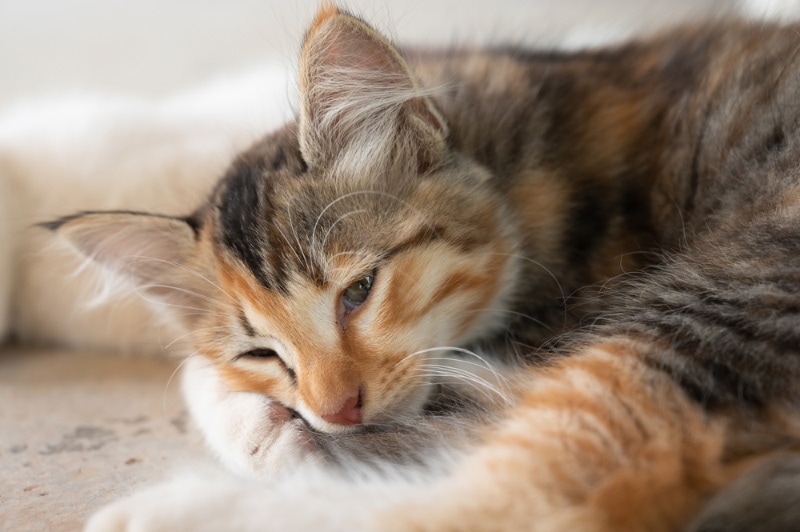
Signs I watch for in cats around smoke
When I suspect incense exposure, I look for subtle respiratory signs first rather than dramatic symptoms. Sneezing, watery eyes, and occasional coughing are usually early indicators. Some cats simply become less active or avoid certain rooms altogether. I have seen cats sit near windows more often, almost like they are trying to find cleaner air.
In more advanced cases, breathing becomes visibly effortful. You might notice abdominal movement while the cat is resting or a slight wheeze during sleep. These are the cases that usually bring owners into the clinic quickly. I once monitored a cat overnight that had been exposed to heavy incense use for over a year, and its breathing improved significantly after just a few days in a smoke-free environment.
Not every cat reacts the same way, which sometimes confuses owners. Some show symptoms within weeks, while others take months before anything noticeable appears. That delay makes incense exposure easy to overlook. A simple pattern I often repeat to clients is: if the air bothers you after burning incense, it is likely bothering your cat more.
Safer ways I recommend for scent at home
In my experience, completely removing combustion-based scent sources is the most reliable way to reduce risk for cats with sensitive airways. I usually suggest switching to non-burning alternatives, such as mild diffusers designed for pet-safe environments, though even those should be used cautiously. Ventilation matters more than most people think, especially in smaller rooms where air circulation is limited. I have seen noticeable improvements in cats just from opening windows regularly during the evening.
Air purifiers with HEPA filters are another practical step I often recommend. They are not perfect, but they do help reduce the lingering particles left by incense. I worked with a client who installed a mid-range purifier in a two-bedroom apartment, and within a few weeks, their cat’s coughing episodes reduced significantly. It was not an instant fix, but the change was clear enough to track.
A few owners try masking incense smoke with stronger fragrances, which usually makes the problem worse. Mixing scents does not reduce particle exposure; in some cases, it can increase irritation. I always remind people that cats experience air differently than humans, and what feels pleasant to us can be overwhelming for them. Keeping things simple in shared airspace tends to work better long term.
After years of seeing these cases, I have learned that incense is not just a scent choice in homes with cats; it becomes part of the air they live in every hour. Small changes in the environment often make a greater difference than people expect, especially when respiratory symptoms are still early and reversible. Most cats respond quickly once the air clears, which is usually the clearest sign of what was causing the issue in the first place.