Do Dog Houses Actually Keep Dogs Warm in Winter
I build and modify outdoor dog shelters for a living, mostly for working dogs on small farms and suburban yards where owners want something better than a basic plastic box. Over the years, I have crawled inside more dog houses than I can count, checking airflow, insulation gaps, and floor warmth because that is where most designs fail. The question I hear the most is simple: Do dog houses actually keep dogs warm, or is that just wishful thinking?
How warmth actually works inside a dog house
Most people assume a dog house stays warm just because it has walls and a roof, but in practice, it behaves more like a small shed unless it is designed carefully. I learned early on, while repairing a cedar dog house for a customer with two large shepherd mixes, that trapped body heat is the real source of warmth, not the structure itself. If air leaks are uncontrolled, that heat disappears within minutes on a cold night.
Insulation helps, but it is not the full story. A well-built floor with a raised base prevents cold ground contact, which is often more important than wall insulation. I have seen simple wooden houses outperform expensive insulated models simply because they were elevated a few inches above damp soil and had tight-fitting doors that reduced airflow.
Not always. Design matters more than price. One winter, I tested two different setups for a client who kept dogs in an open backyard exposed to wind from nearby fields. The difference between a drafty box and a sealed entryway was night and day, even though both looked similar from the outside.
Another factor I always pay attention to is ventilation balance, because a completely sealed dog house can trap moisture, which makes bedding damp and actually colder over time. That is something many first-time builders overlook, thinking that sealing every gap will automatically improve warmth. In reality, controlled airflow is what keeps the interior dry and stable enough for heat retention.
Insulation choices and real-world setups I’ve worked on
In one project, I rebuilt a mid-sized wooden kennel using foam board insulation sandwiched between plywood layers, then added a small vestibule-style entry to reduce direct wind exposure. The owner had tried using straw bedding alone, but the structure was too open, so heat loss continued every night. That job taught me how much difference small design changes can make in overall warmth.
I often suggest owners compare materials and layouts before spending money on upgrades, and I usually point them toward local builders or suppliers who understand outdoor pet structures better than general hardware stores. On one occasion, a client last spring used dog houses to keep dogs warm after I recommended checking a specialist resource for pre-insulated panels and modular kennel parts, which helped him avoid rebuilding the entire structure from scratch. The final setup was simple but held heat far better than his original design, especially during windy nights.
Wood tends to perform better than thin plastic in cold climates, although plastic has advantages in rain and cleaning. I have repaired enough cracked plastic houses after harsh winters to know that brittleness becomes a real issue when temperatures drop below freezing for extended periods. That said, even wood fails if it is not sealed properly, especially at joints where air sneaks in.
One small detail I never ignore is the interior space. A dog house that is too large will struggle to retain heat because the dog’s body cannot warm the entire volume effectively. I usually aim for a snug fit where the dog can stand, turn, and lie down comfortably without extra unused space that becomes a cold pocket.
What I see dogs actually experience inside them
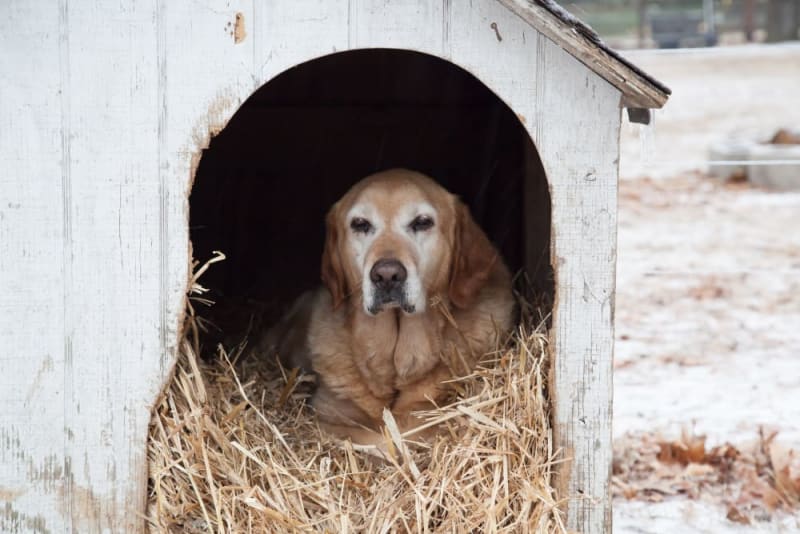
I have watched dogs settle into properly built shelters during cold evenings, and the behavior tells you everything you need to know about comfort. When a dog curls tightly and stays still without frequent repositioning, it usually means the internal temperature is stable enough to hold body heat. If they keep shifting or try to stay near the entrance, something is off.
During one winter installation for a rural property, I checked on a setup after a cold snap dropped temperatures lower than expected. The dog inside stayed calm and rested through the night, and the bedding remained dry despite heavy frost outside, confirming that the insulation and floor lift were working together effectively. That kind of result does not come from a single feature, but from the combination of design choices.
Cold ground contact is often underestimated. I have seen setups placed directly on concrete slabs that pulled heat out of bedding faster than expected, even when the walls were insulated. Raising the base by even a small amount noticeably improved internal comfort within a single night.
Humidity also plays a role that many owners ignore. A slightly damp environment inside a dog house can make even thick bedding feel cold because moisture conducts heat away from the body faster than dry air does. That is why I usually recommend checking bedding regularly rather than assuming it remains effective all season.
Common mistakes that make dog houses colder than they should be
One of the most common issues I see is oversized entrances that allow wind to sweep through the entire structure. It seems harmless during construction, but in real use, it creates a constant draft that undermines every other insulation effort. I once had to retrofit a kennel where the door opening was almost half the width of the dog’s body, which made heat retention nearly impossible.
Another mistake is over-insulating without thinking about airflow. People sometimes pack walls tightly and seal every edge, expecting maximum warmth, but they end up creating condensation inside instead. That moisture then cools bedding and reduces comfort, especially during long winter nights when the temperature stays low for hours.
Flooring choice also gets overlooked. Thin plywood placed directly on soil or concrete absorbs cold quickly and transfers it upward. I usually recommend a layered base, or at least a moisture barrier, to reduce direct cold transfer and help stabilize the internal environment over time.
Some designs fail simply because they are too exposed to the wind direction. I have worked on setups where shifting the entrance orientation away from the prevailing wind improved warmth more than adding insulation ever did. Small positioning decisions often matter as much as material upgrades, especially in open yards.
After building and repairing enough of these shelters, I have learned that dog houses can keep dogs warm, but only when structure, placement, and airflow are handled together instead of treated as separate fixes. A well-designed setup does not fight the weather completely, but it manages it so the dog’s own body heat does the rest of the work.