Hybrid Half Cat Half Bobcat Sightings in Sanctuary Work
I work as a wildlife rehabilitator at a small exotic feline rescue, where we mostly handle injured bobcats, feral cats, and the occasional unusual-looking crossbreed. Over the years, I have heard countless stories from visitors about a “hybrid half cat half bobcat” roaming the rural edges of farms and forest lines.
Most of those stories blur myth with misidentified animals, but a few cases brought into our care have made me pay closer attention to what people think they are seeing. I don’t treat the idea as fantasy, but I also don’t treat every claim as biology.
First encounters and what people call hybrids
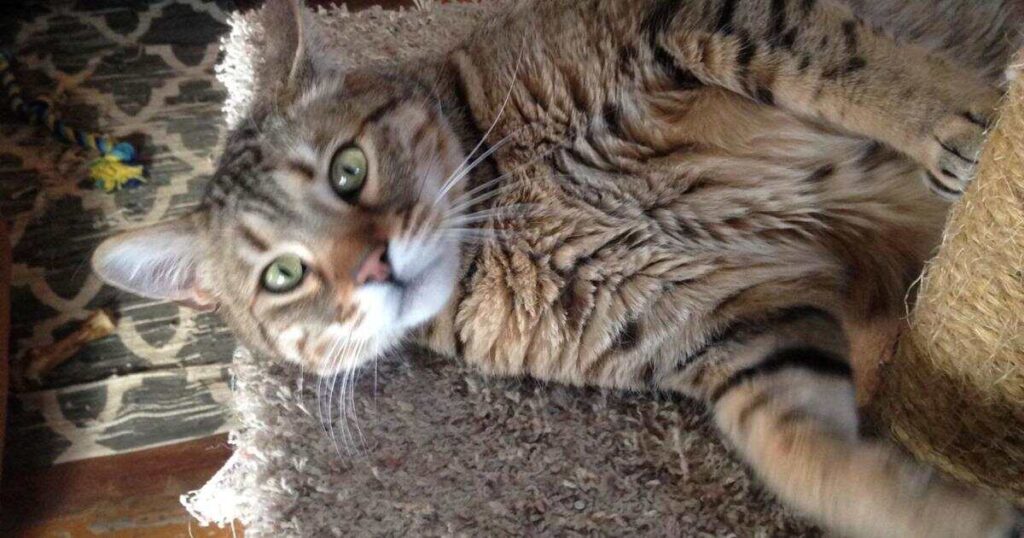
The first time I was asked to examine what someone called a hybrid half-cat, half-bobcat, it arrived in a transport crate from a rural property. The caller described ear tufts, a large body, and thick legs, insisting it was “not a normal cat.” I had seen similar large domestic cats with bobcat-like traits or bobcats with slight domestic coloration. I work with about 12 enclosures and see many appearances, but none confirm the myth of a true 50-50 hybrid.
Most confusion arises because traits such as ear tufts, muscular shoulders, and short tails occur in both domestic cats and bobcats, making reliable identification difficult. For example, last spring, a customer believed their dusk-creek-side photos showed a hybrid, but the lighting and posture had distorted the animal’s proportions. I explained that misidentification in low-light woodland settings is quite common.
Storytelling in rural communities often dramatizes sightings over time. After a few retellings, a large domestic cat can be described as half wild. While I appreciate the excitement, I rely on physical exams and behavioral observation before drawing conclusions. Most arrivals are stressed feral cats with bobcat-like coloring.
Genetics rumors and care in controlled facilities
When discussing these cases with colleagues, genetics and rumors of bobcat-cat hybrids arise. The divided consensus—undocumented hybrids versus misidentified domestic traits—reflects the power of narrative over conclusive biology. I remain focused on tangible physical evidence, reinforcing my central view that stories alone cannot define hybrid reality. In my facility work, I often recommend structured evaluation protocols before labeling any animal as a hybrid, especially when public concern is high.
A visiting researcher once suggested I review additional field resources, and I pointed them toward exotic feline care notes that we sometimes reference for behavioral comparisons and intake assessments. That resource has helped me cross-check patterns in coat structure, paw size, and territorial behavior without jumping to conclusions. Even then, I remind myself that documentation is only part of the picture, and live observation still matters more in ambiguous cases.
Challenging cases involve animals that show overlapping traits under stress, making them appear more wild. A nervous domestic cat can mimic a bobcat’s posture. I’ve seen this often enough to know it influences first impressions, though the behavior rarely persists.
Care protocols in controlled environments focus on reducing stress before any behavioral interpretation is made. I usually isolate the animal for a few days, monitor its feeding response, and document its movement patterns under low-stimulation conditions. These steps allow me to distinguish between instinctual fear reactions and traits that could be attributed to hybridization. My key finding is that, in nearly every case I have handled, the behavior returns to normal once the animal feels secure, suggesting security is the critical factor for behavioral normalization.
Behavior patterns I’ve observed up close
Over time, I’ve learned that hybrid half-cat, half-bobcat ideas reveal more about how humans interpret animals than about biology. Bobcats are naturally elusive, and domestic cats are adaptable, making their behaviors difficult to distinguish. I’ve seen enclosure pacing labeled “wild intelligence,” though it’s usually due to environmental stress. Continued observation dispels that illusion.
One clear difference is hunting response. Bobcats exhibit sharp stalking behavior, while domestic cats lose focus quickly, especially when food is readily available. After several feeding trials, these differences in patterns become obvious.
Key finding: Tame cats acclimate to humans over time, but bobcats remain wary even after several months of captivity. This persistent wariness is a clear behavioral marker I use in classification.
Still, I understand the enduring fascination with hybrids—a concept blending domesticity and wildness. This myth shapes how people interpret uncertain sightings, thereby demonstrating my central argument: hybrid narratives offer comfort amid ambiguity but rarely rest on a biological foundation.st days end with paperwork, enclosure checks, and quiet observation logs that rarely match the excitement of public stories.
But that contrast is part of the work. I’ve learned to separate narrative from field reality without losing appreciation for either. The animals I care for are always more grounded than the stories built around them.