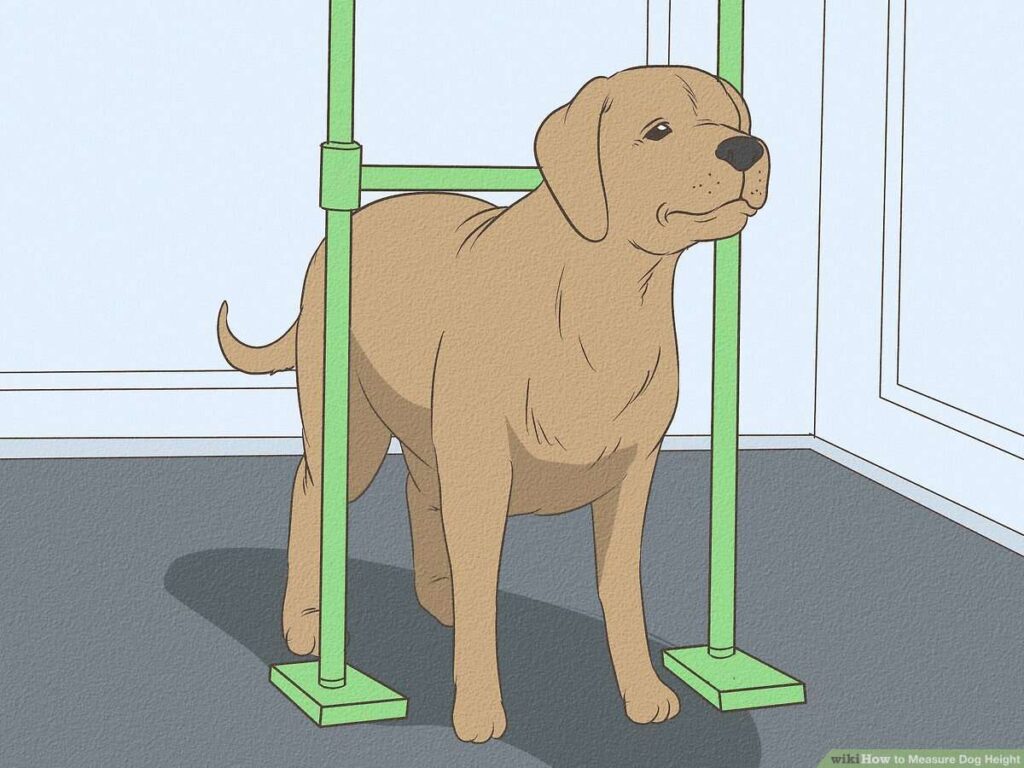
How I Measure a Dog’s Length Without Guesswork
I run a mobile grooming van and spend a lot of time fitting dogs for coats, crates, and trims. Measuring a dog’s length seems simple, but owners often misjudge it by a few inches, ruining the fit. Accuracy matters more than speed. Over time, I developed a routine that works for all dogs.
Where Length Actually Starts and Ends
I tell clients that dog length is not nose to tail. That mistake is common, especially with first-time owners buying coats. I measure from the neck’s base, where the collar sits, to the tail’s base, where it joins the body. This delivers a consistent, reliable number across breeds and body types.
A customer last spring brought in a mixed breed that measured 5 inches longer nose-to-tail than by the standard method. The coat she bought dragged on the ground. Once we remeasured the collar to the tail base, the correct size fit cleanly. Small differences matter.
There is one exception I mentioned to experienced handlers. For certain working dogs with docked tails or unusual body shapes, I may adjust the endpoint slightly to match how a garment will sit on them. Still, I keep the base method consistent to avoid confusion later. Consistency saves time.
My Step-by-Step Method in Real Settings
I usually measure dogs on a flat, non-slip surface. A rubber mat helps keep their stance steady. If the dog shifts or crouches, the measurement can change by an inch or two. I keep one hand lightly on the shoulder to keep them relaxed.
If you want a quick reference or visual aid, I sometimes point people toward a simple resource, like how to measure a dog’s length, because it shows the same collar-to-tail approach I use in practice. I do not rely on charts alone, but they help owners understand what I am doing. That shared understanding cuts down on mistakes when they measure at home later. It also builds confidence.
I use a flexible measuring tape, not hard rulers, which don’t follow a dog’s curve. I place the tape at the collar, run it along the spine, and stop at the tail base. I read the number twice and write it down.
Sometimes the dog will move mid-measure. It happens a lot. In those cases, I reset and do it again rather than averaging a guess. I have learned that taking an extra 30 seconds now prevents a bad fit later that could cost much more time to fix.
Common Mistakes I See Every Week
The most common issue is measuring while the dog is sitting. A sitting posture shortens the back and can throw off the number by 2 to 4 inches, depending on the breed. I always ask owners to have the dog stand naturally, with all four paws on the ground. No stretching, no forcing a pose.
Pulling the tape too tight is another mistake. The tape should rest lightly. Thick coats can lose nearly an inch if pressed down, while loose tape adds length. Balance comes with practice.
I also see confusion around tail position. Some owners try to follow the tail upward, especially with curled breeds. That adds unnecessary length. The correct endpoint is always the base, where the tail meets the body, regardless of how the tail sits. Simple rule. Stick to it.
Adjusting for Different Breeds and Body Types
Not all dogs carry their length the same. A Greyhound’s long back measures differently from a Bulldog’s, even with similar numbers. Numbers are a starting point, not the full story.
With long-bodied breeds like Dachshunds, I let the tape follow the back’s curve. It adds about half an inch, usually improving fit. Small changes make a visible difference.
For double-coated dogs, I part the fur at the start to find the collar base. Otherwise, measurement can drift forward. These small adjustments come with experience.
Why Accurate Length Matters More Than People Think
I have seen poor fits cause problems. Too-long coats restrict movement and collect debris. Too-short crates make travel uncomfortable, especially on long trips. These issues are common.
One client came in with a working dog that refused to wear a jacket. The dog would freeze in place every time the coat went on. After proper measurement, we realized the coat was nearly 3 inches too short, causing it to pull at the shoulders. Once replaced with the correct length, the dog moved normally again. Behavior can change with fit.
Good measurement saves money. Returns, replacements, and wasted purchases add up. Careful measuring prevents those headaches.
I measure every dog to guarantee a proper fit, even if an owner brings their own measurement. Consistent, accurate measuring is the main reason clients trust and return to my service.